
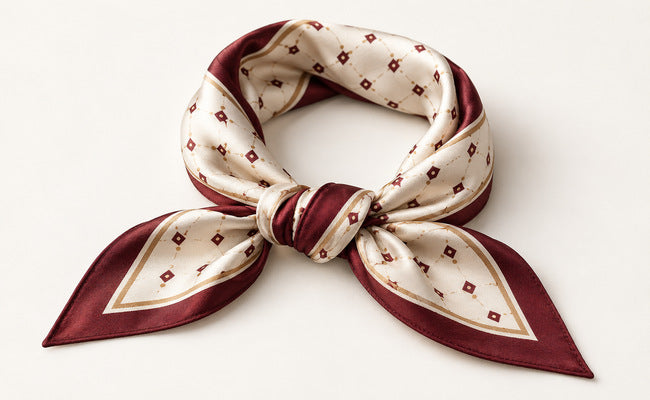

Lightweight scarves
Filters
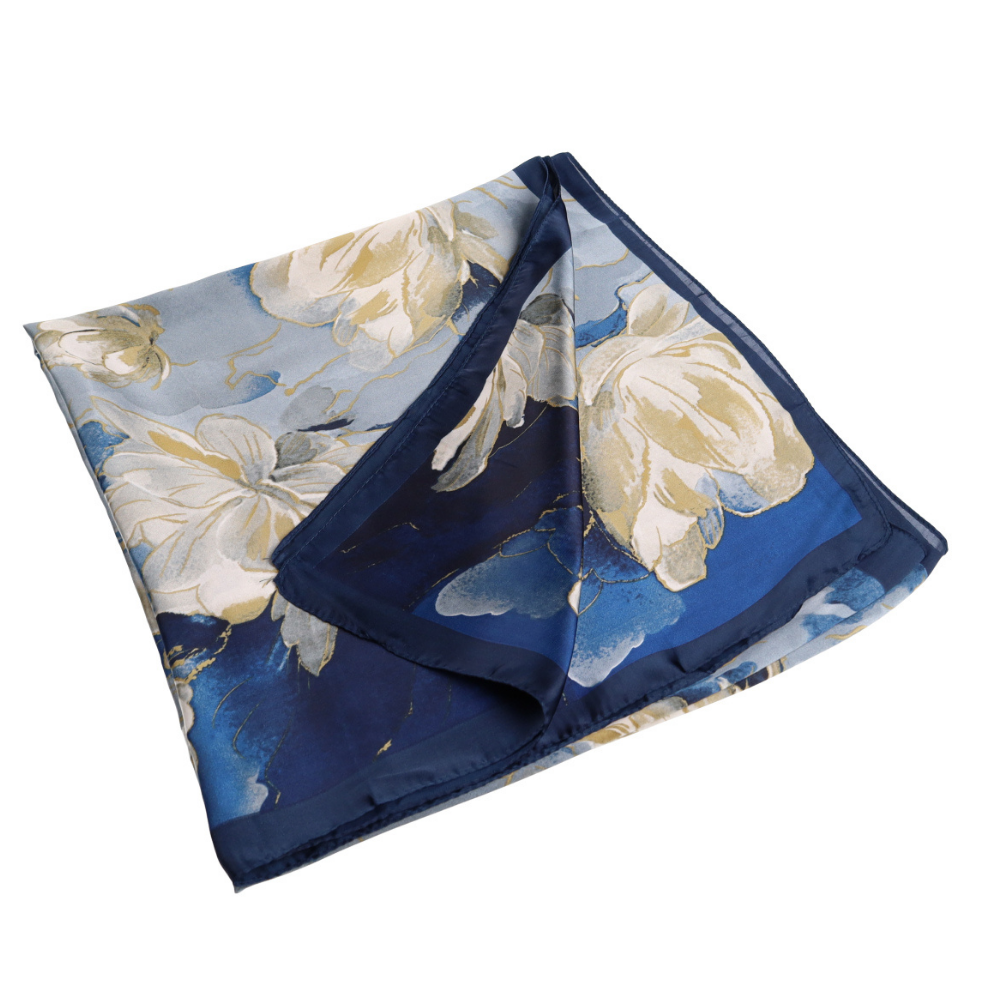
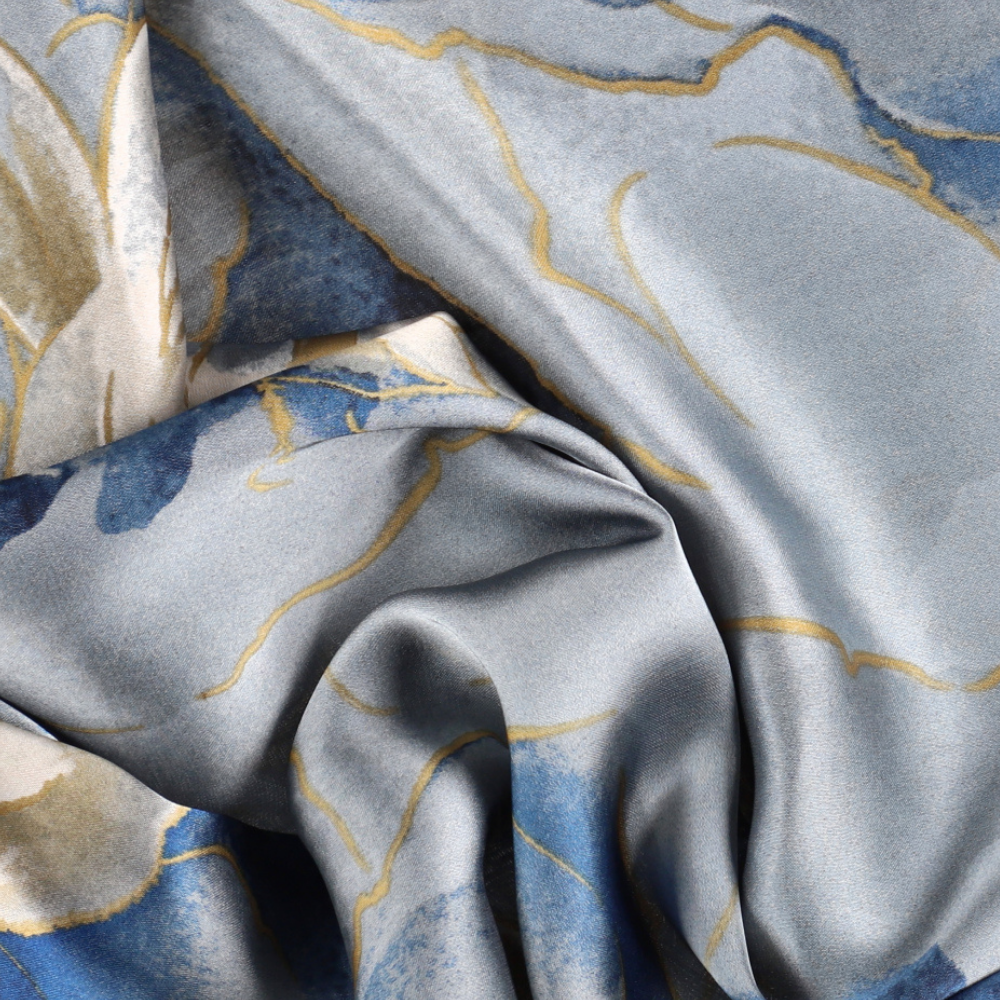
180×90 cm / 71×35 in
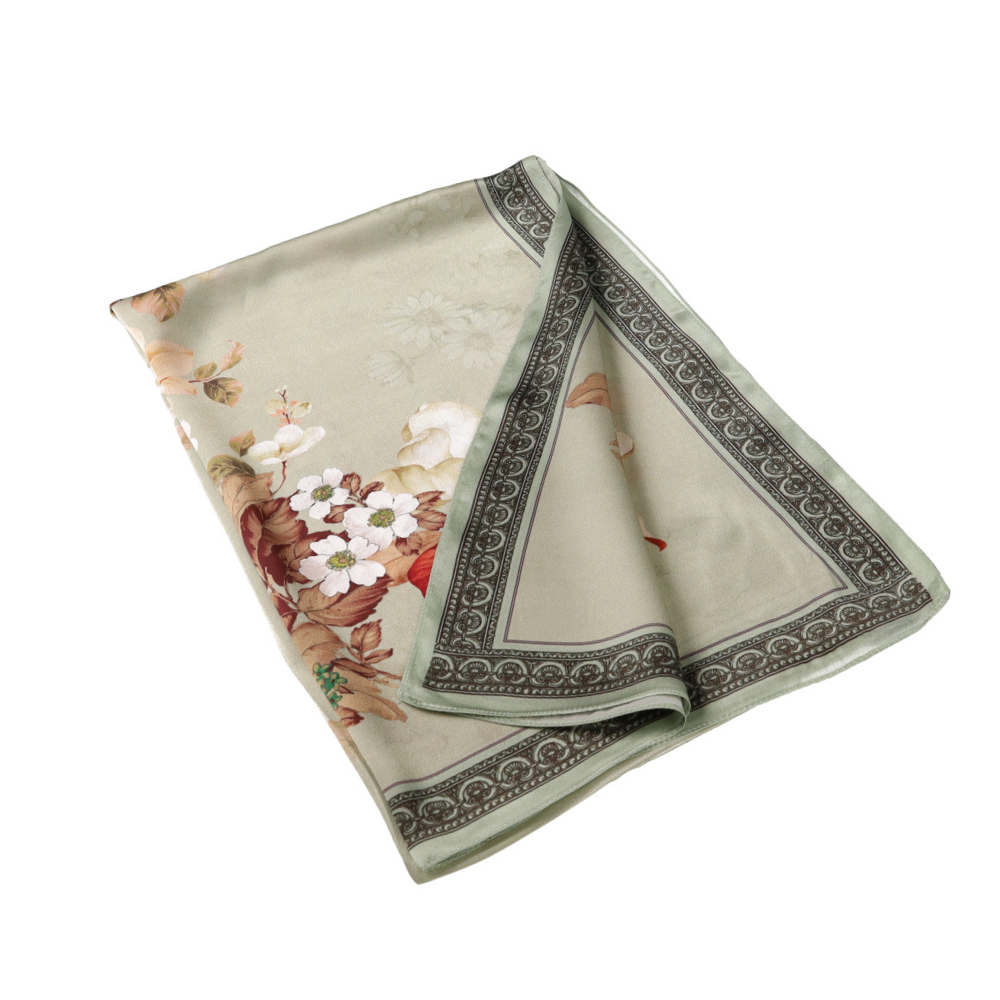
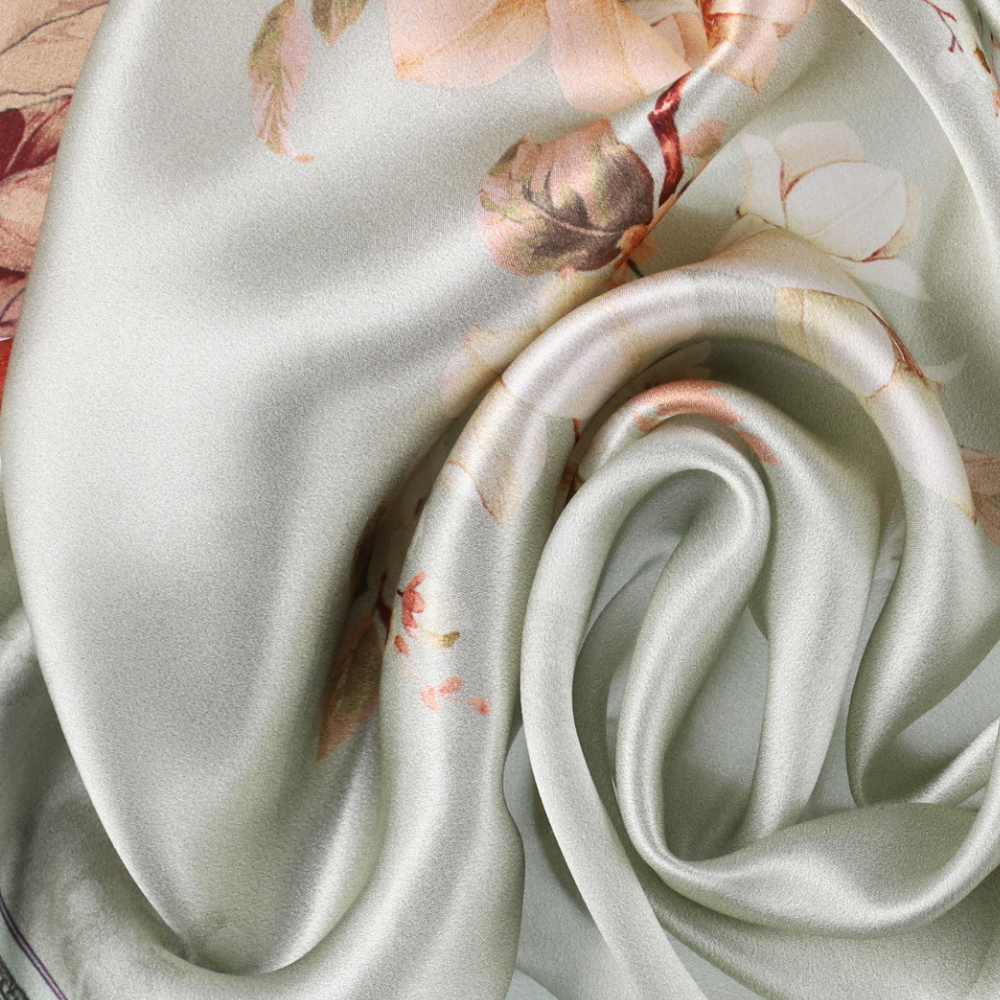
170×53 cm / 67×21 in
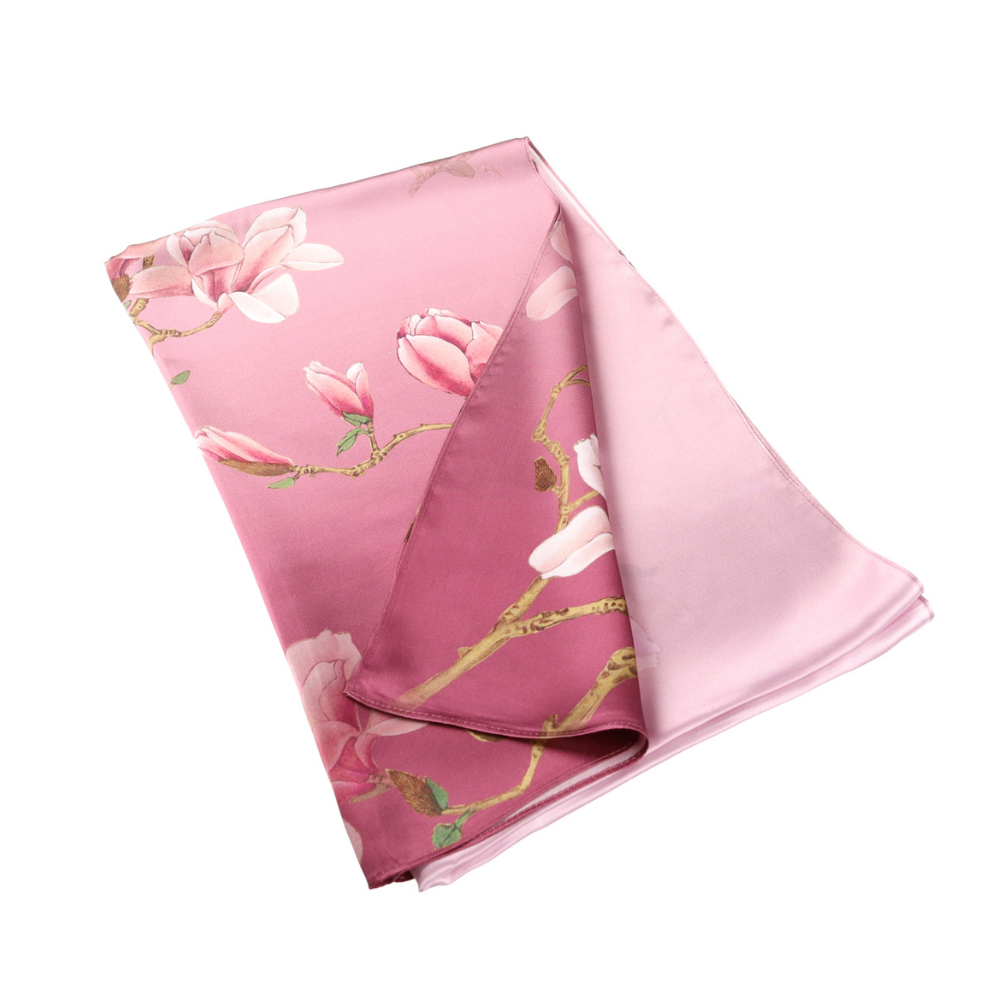
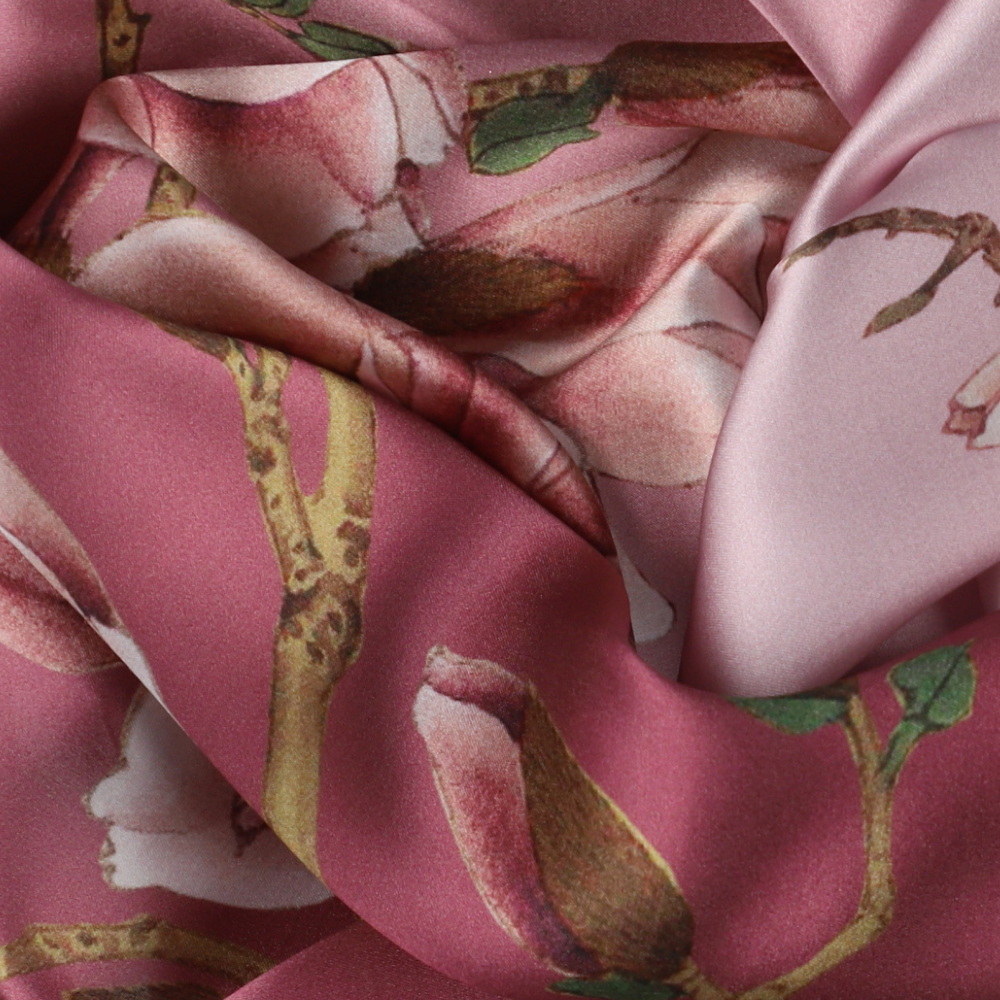
170×53 cm / 67×21 in
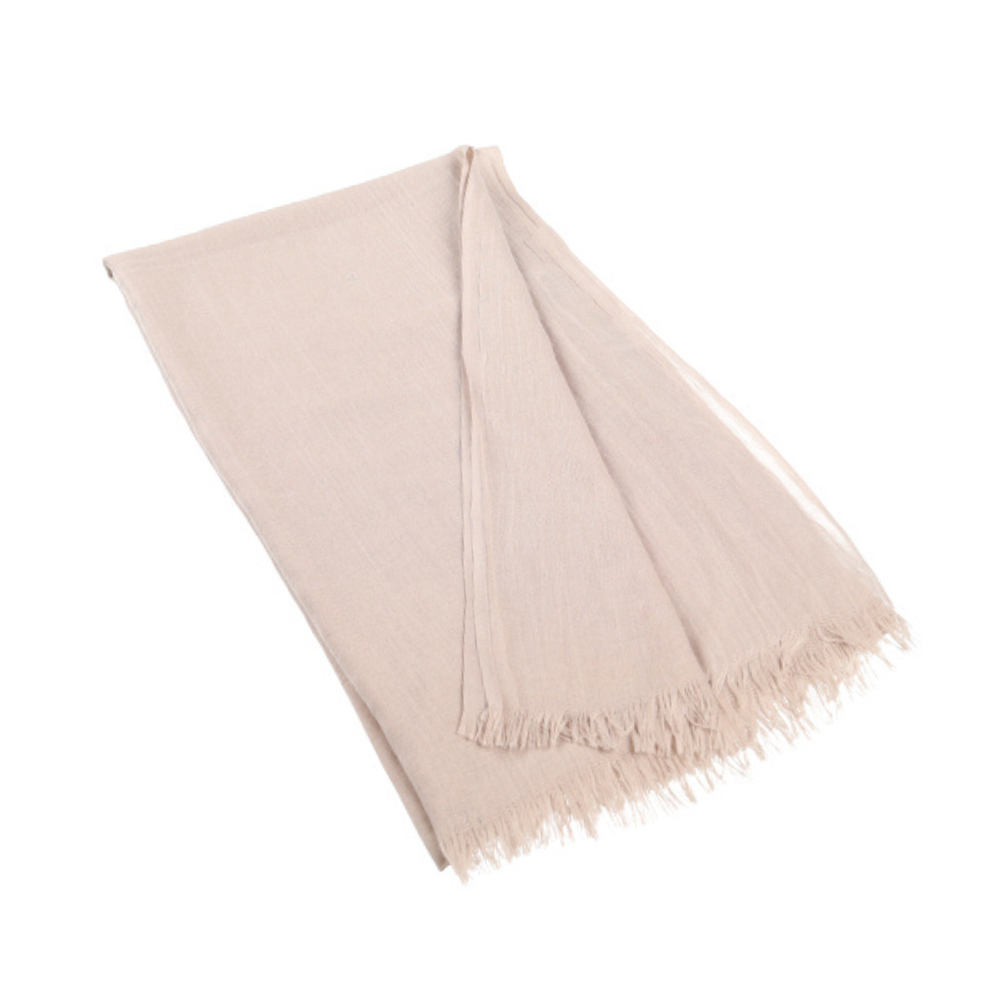
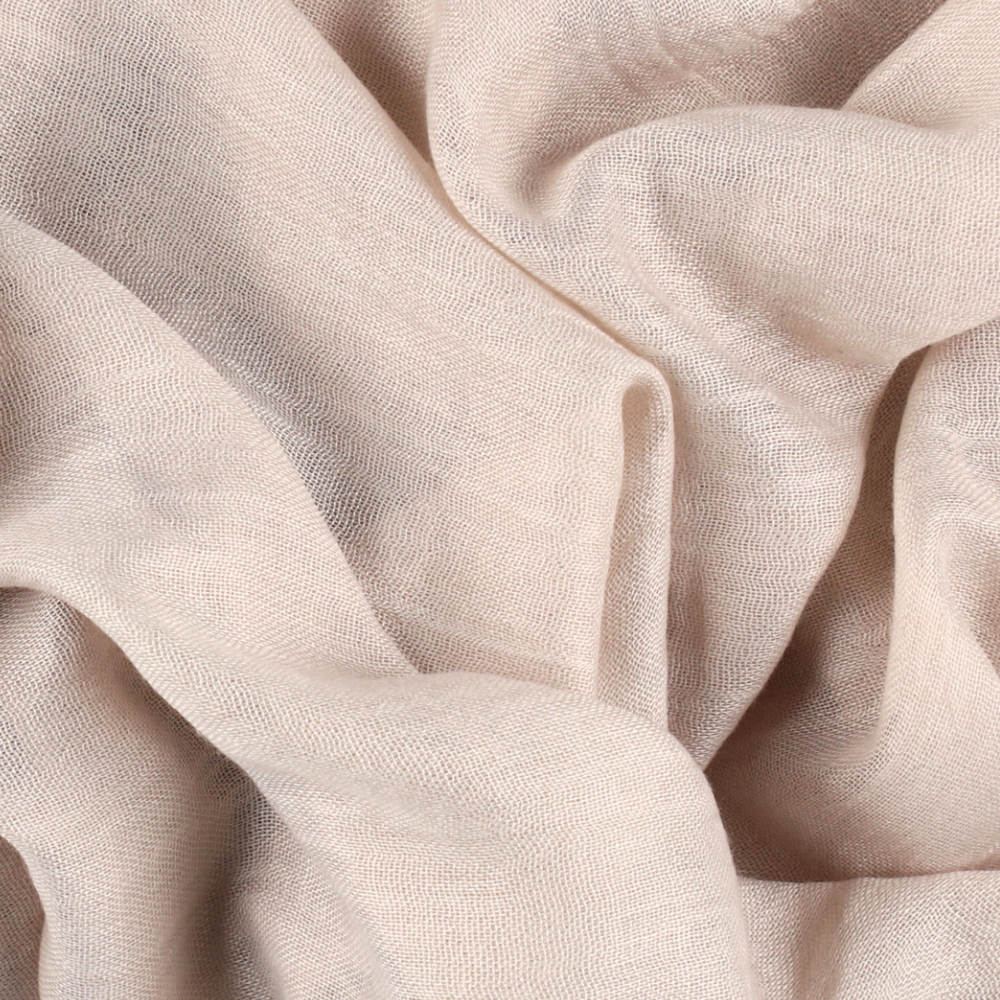
195×100 cm / 77×39 in


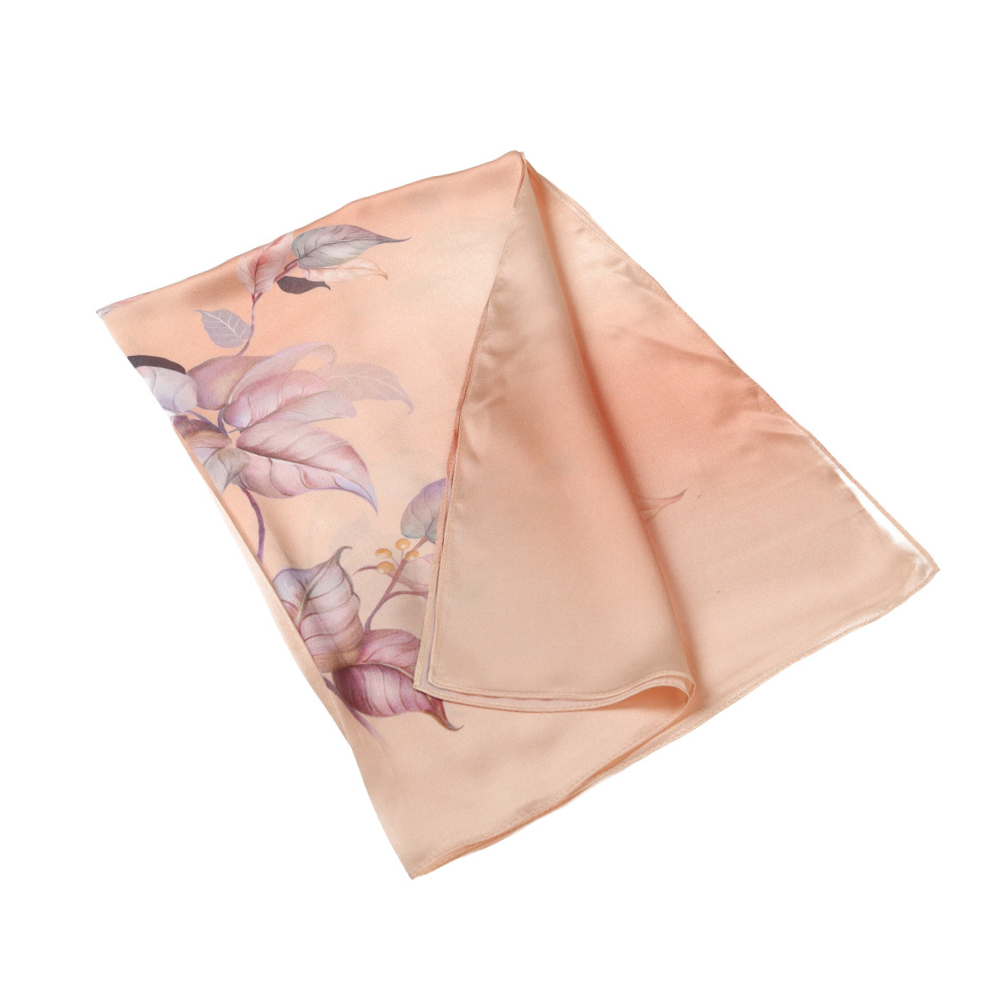
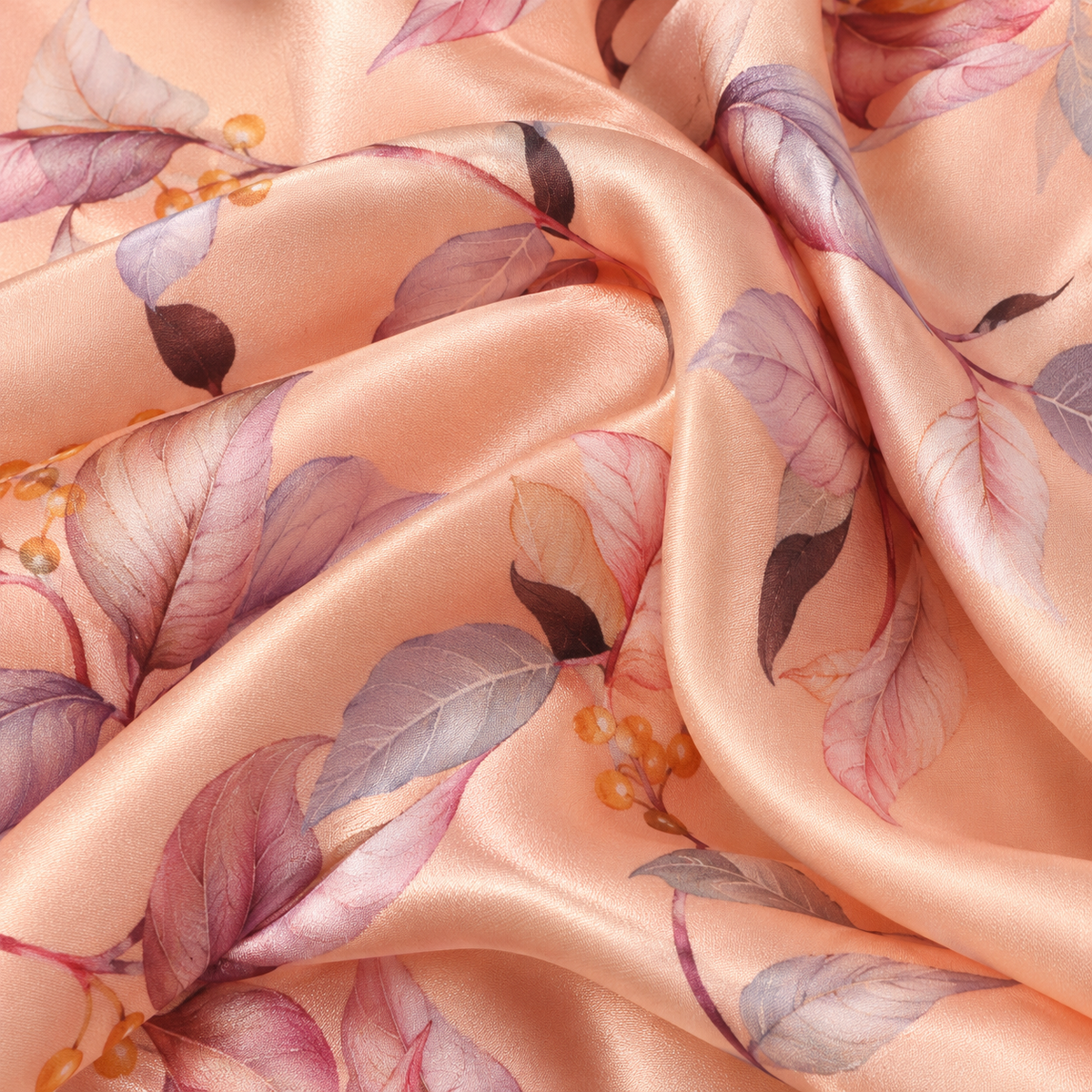
170×53 cm / 67×21 in
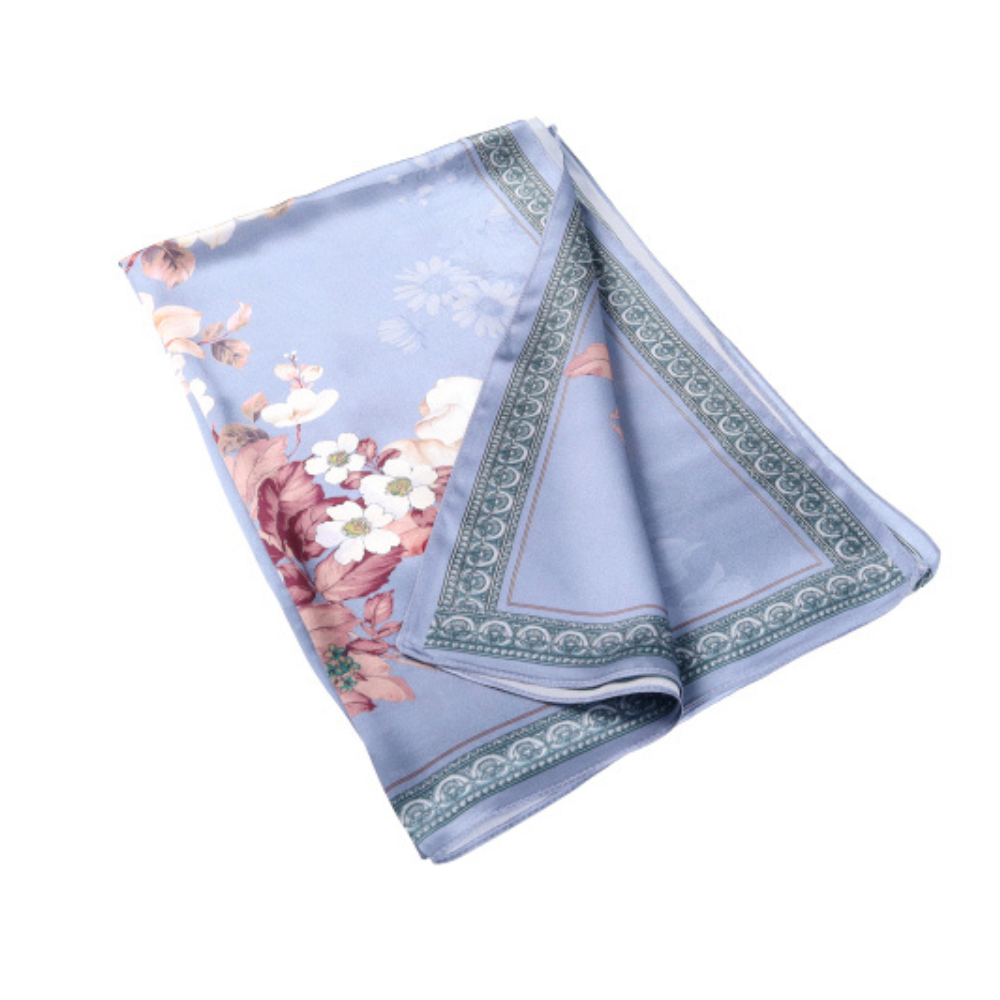
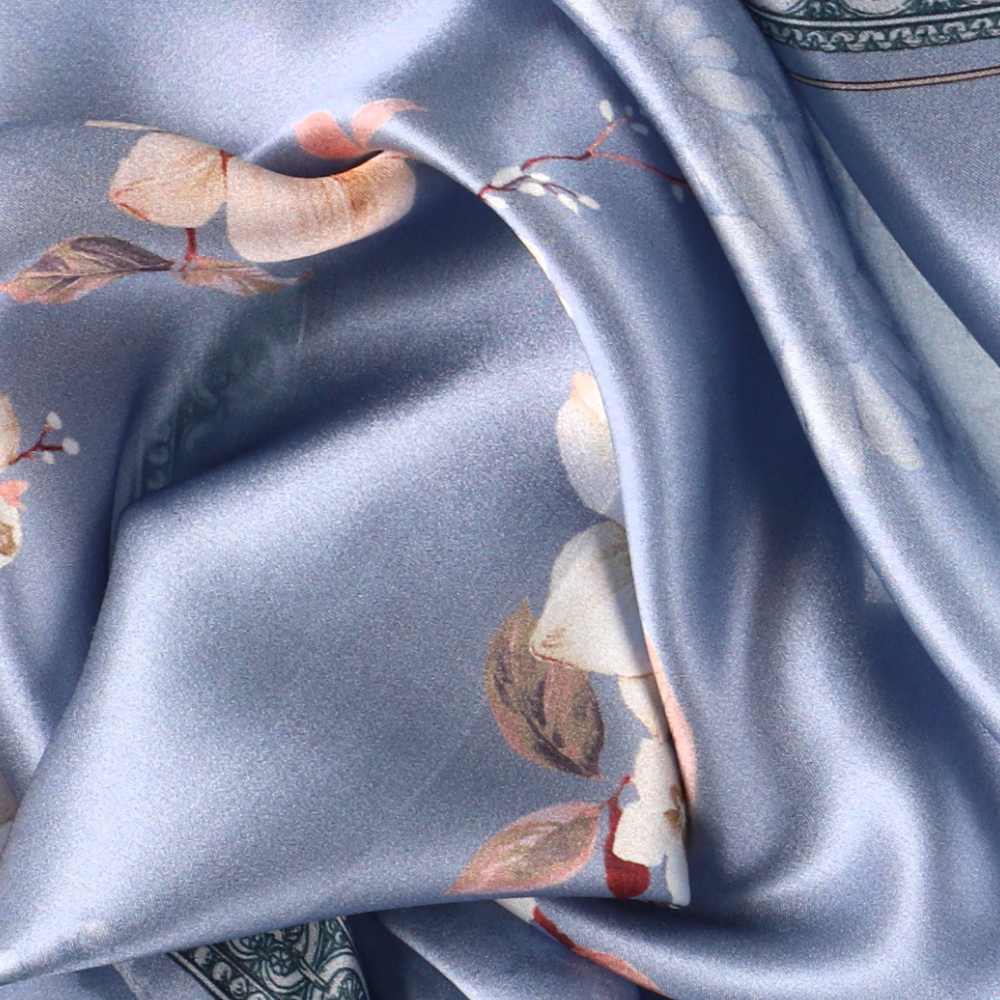
170×53 cm / 67×21 in
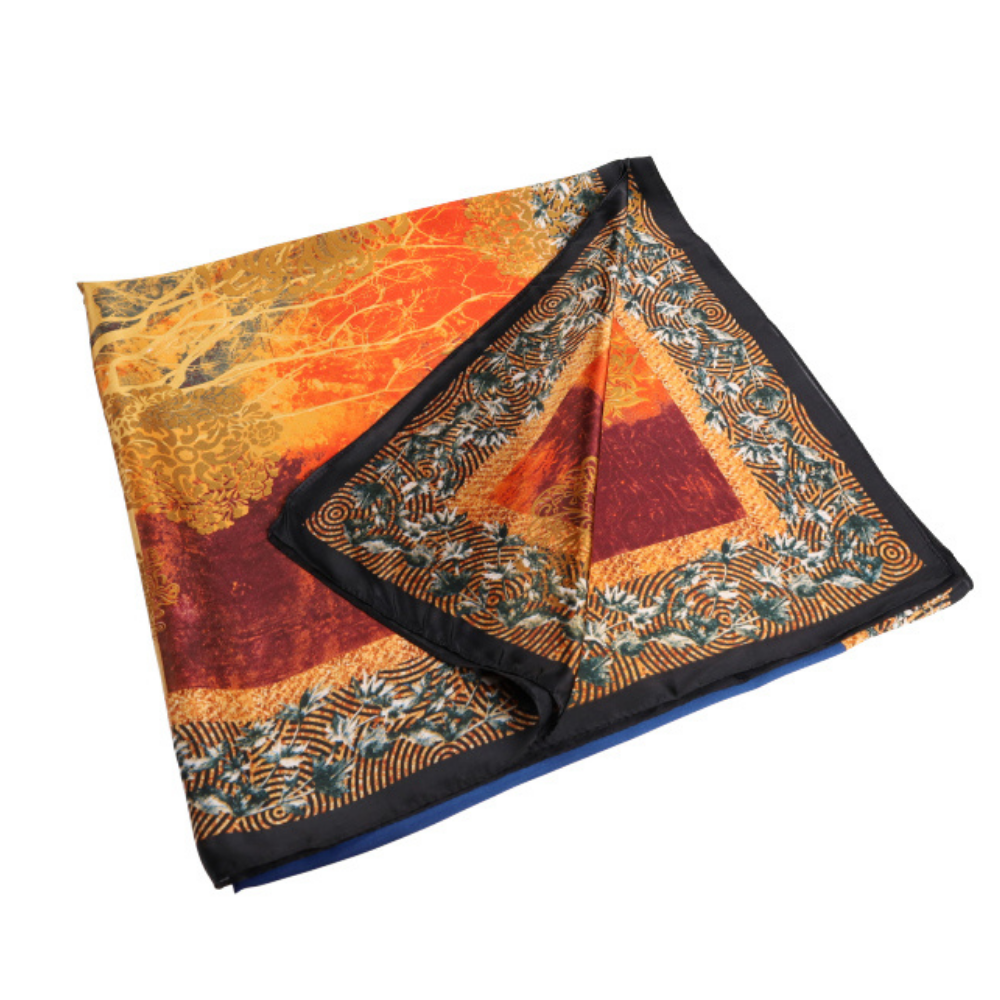
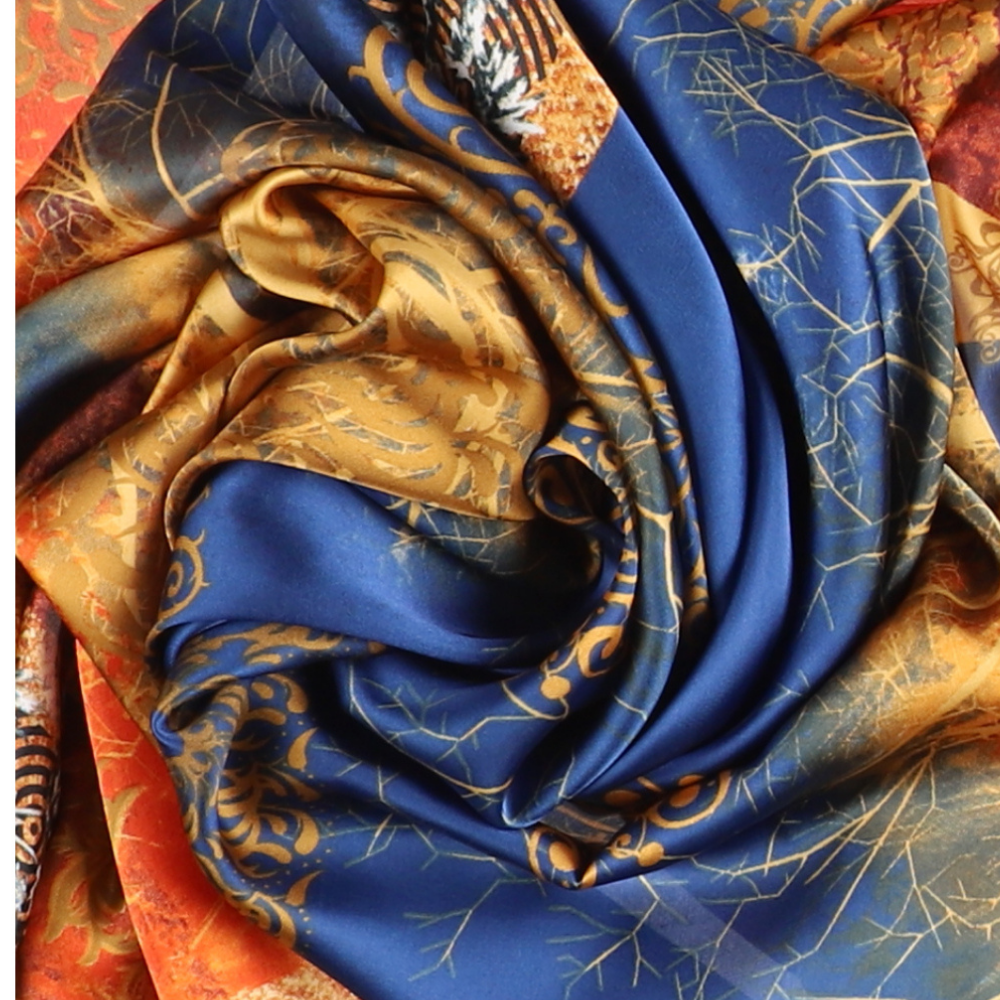
180×90 cm / 71×35 in
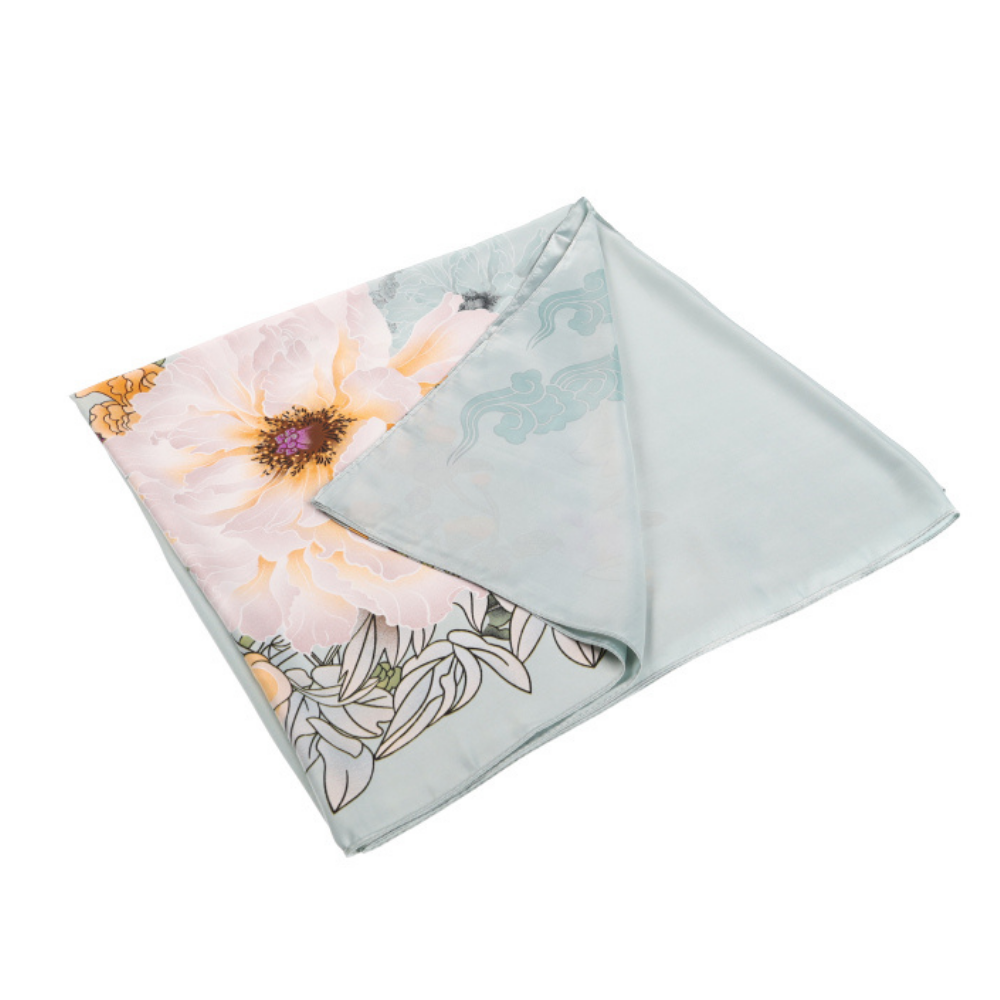
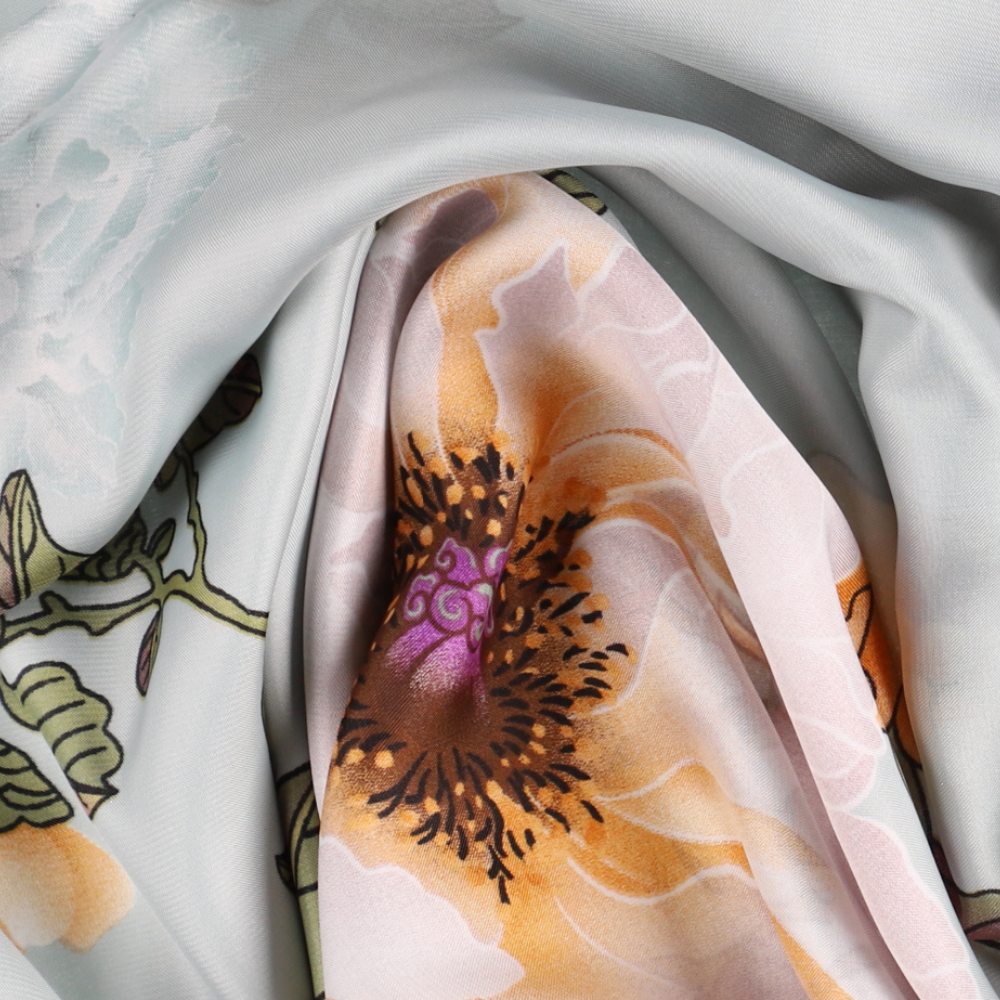
180×90 cm / 71×35 in
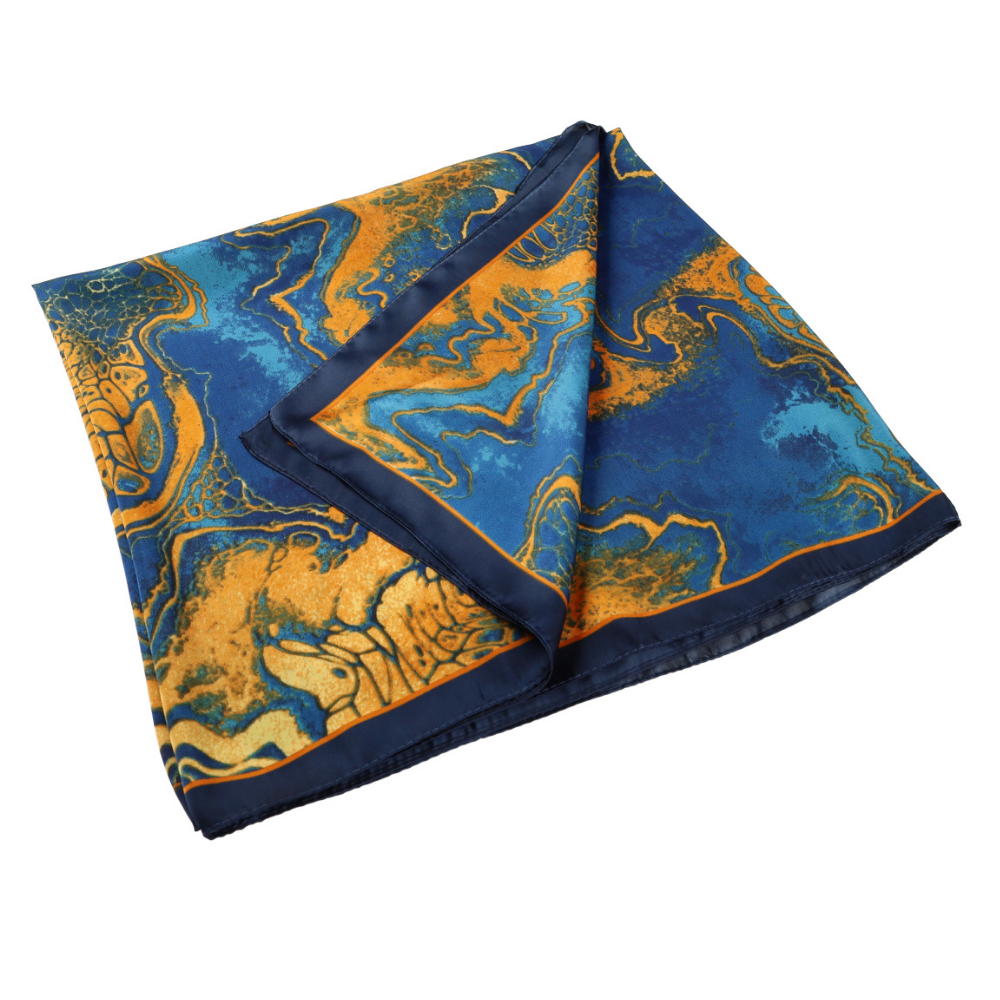
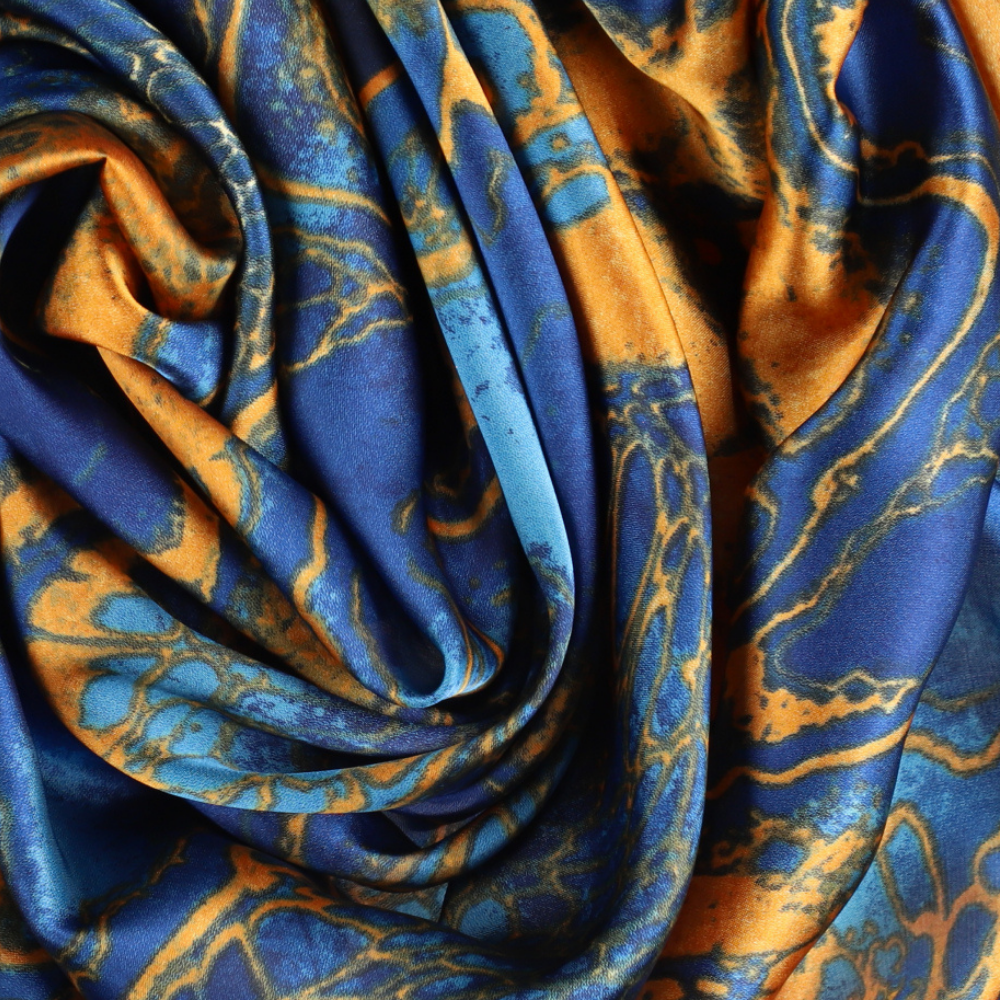
180×90 cm / 71×35 in
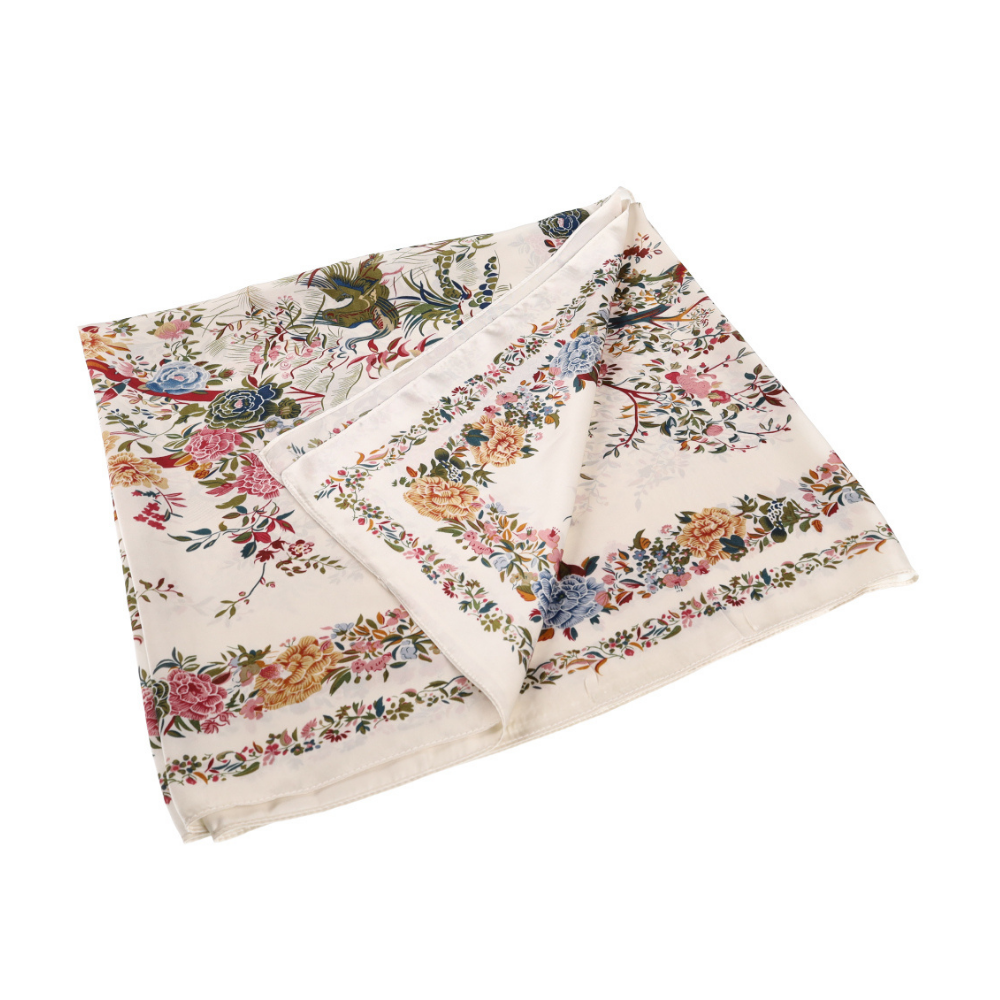
180×90 cm / 71×35 in
180×90 cm / 71×35 in
180×90 cm / 71×35 in
180×90 cm / 71×35 in
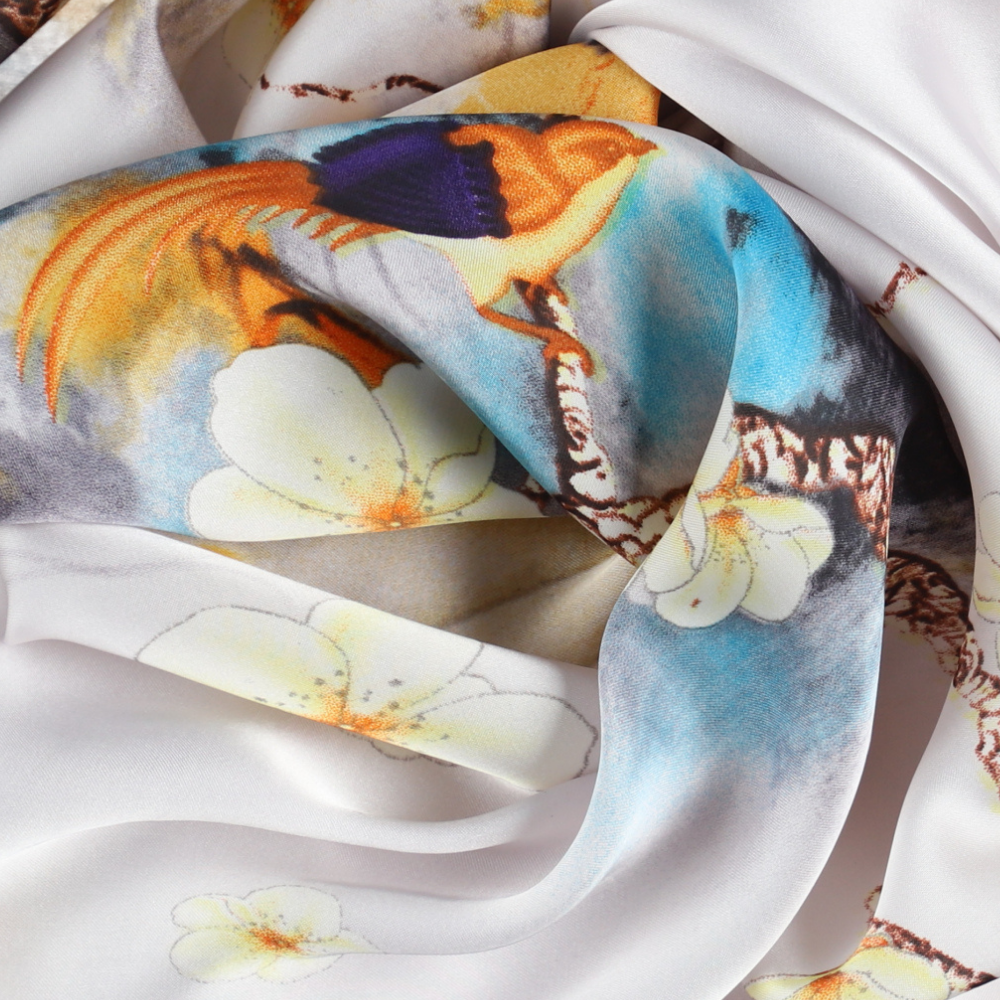
180×90 cm / 71×35 in
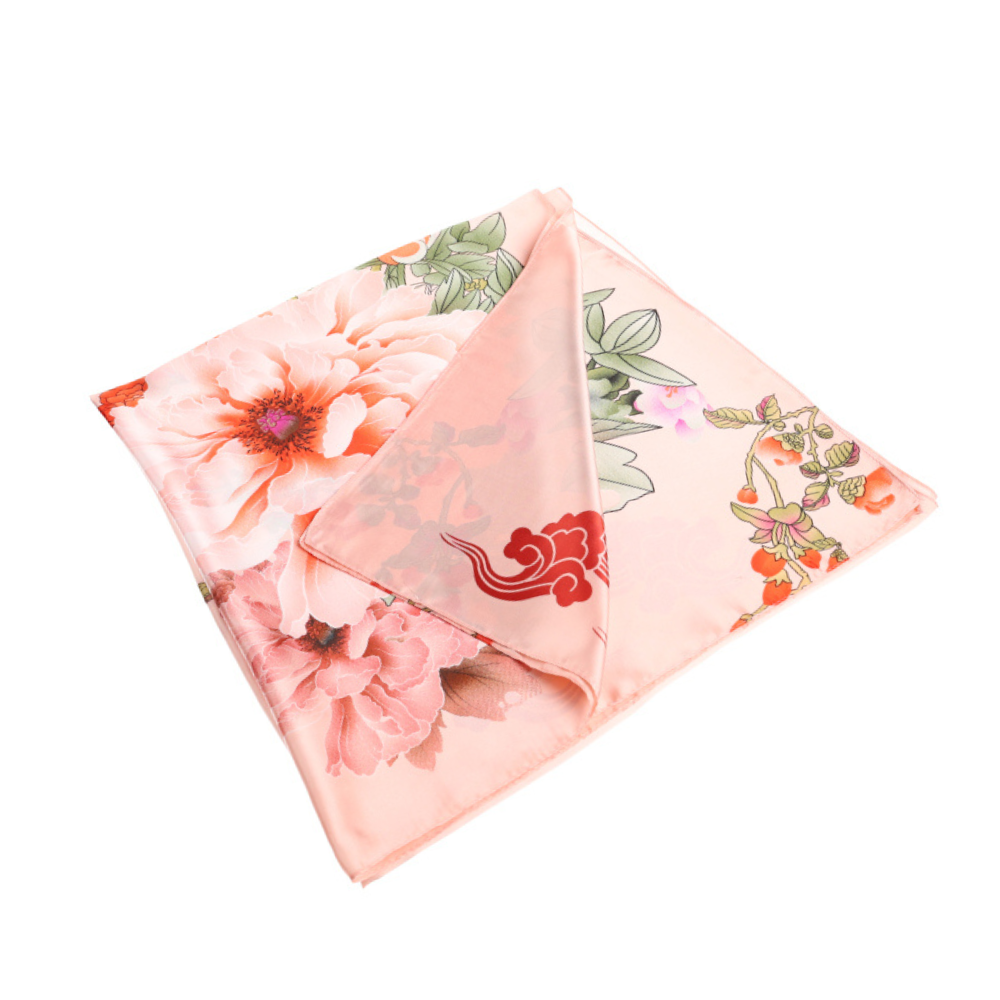
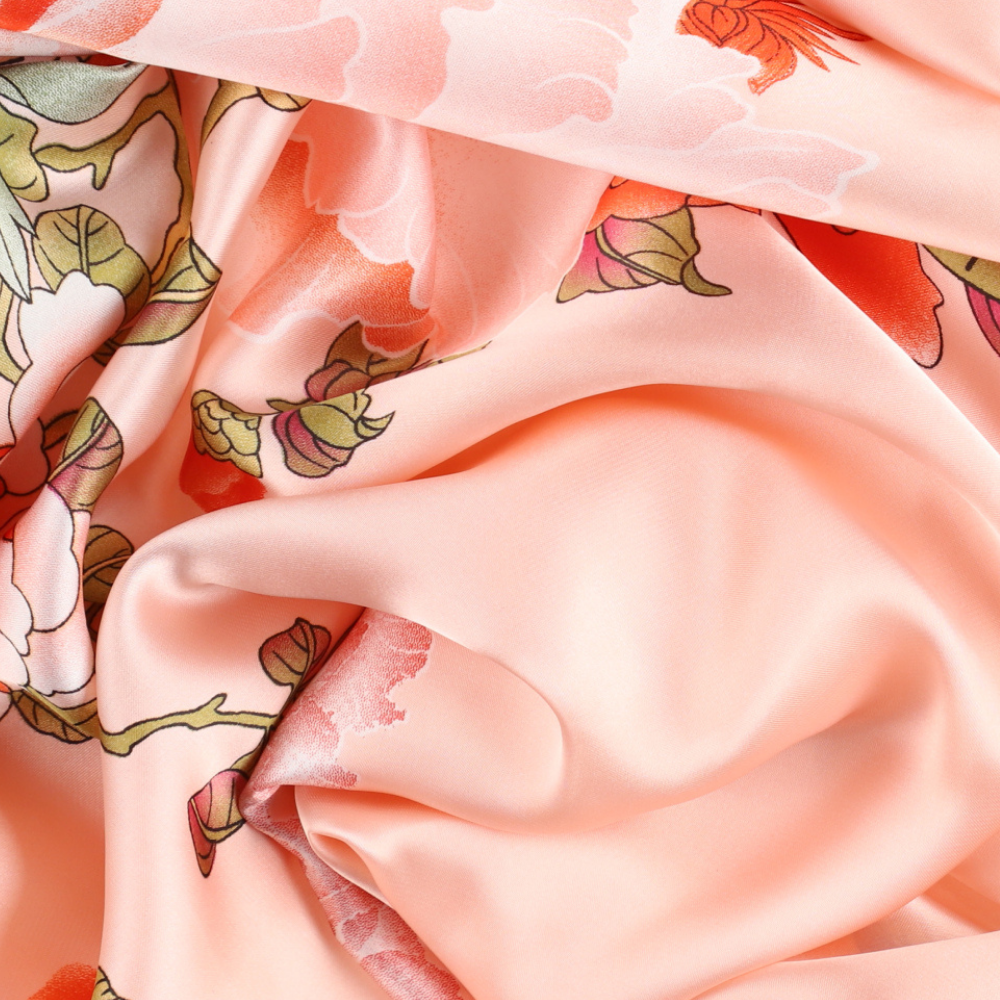
180×90 cm / 71×35 in
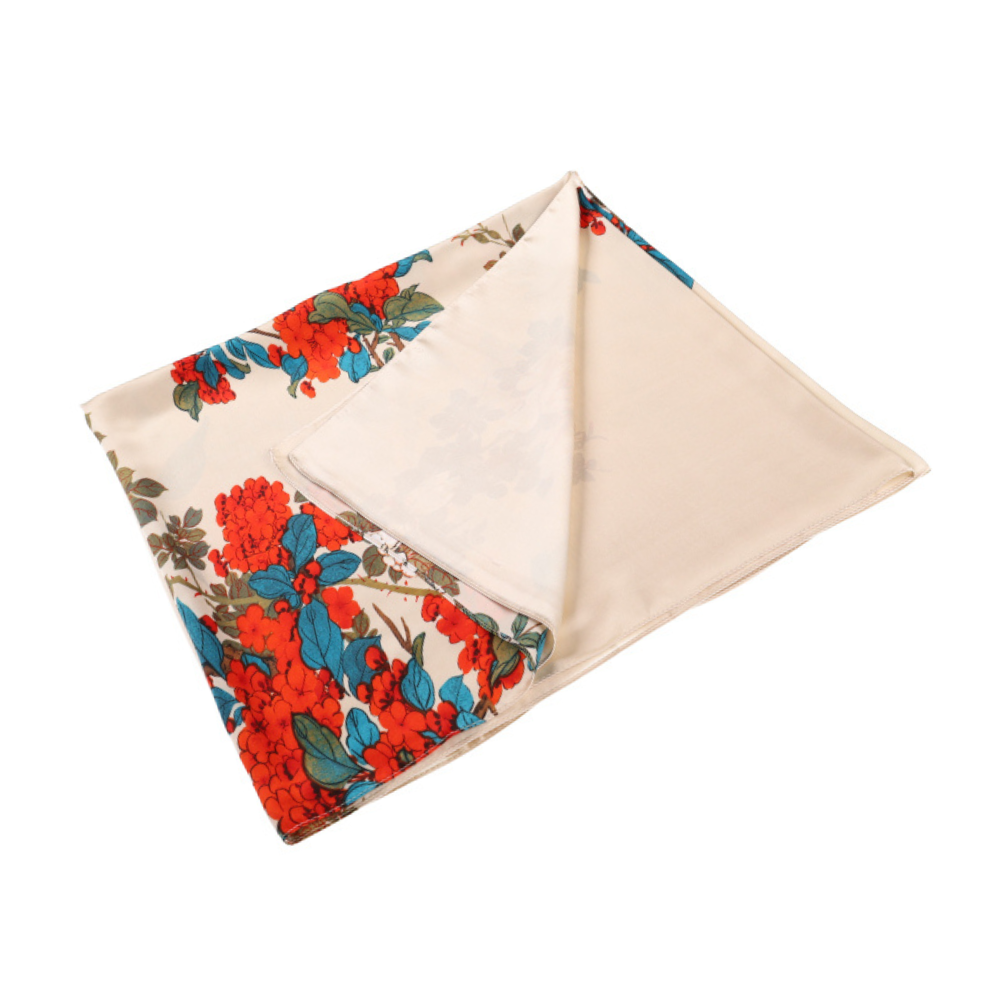
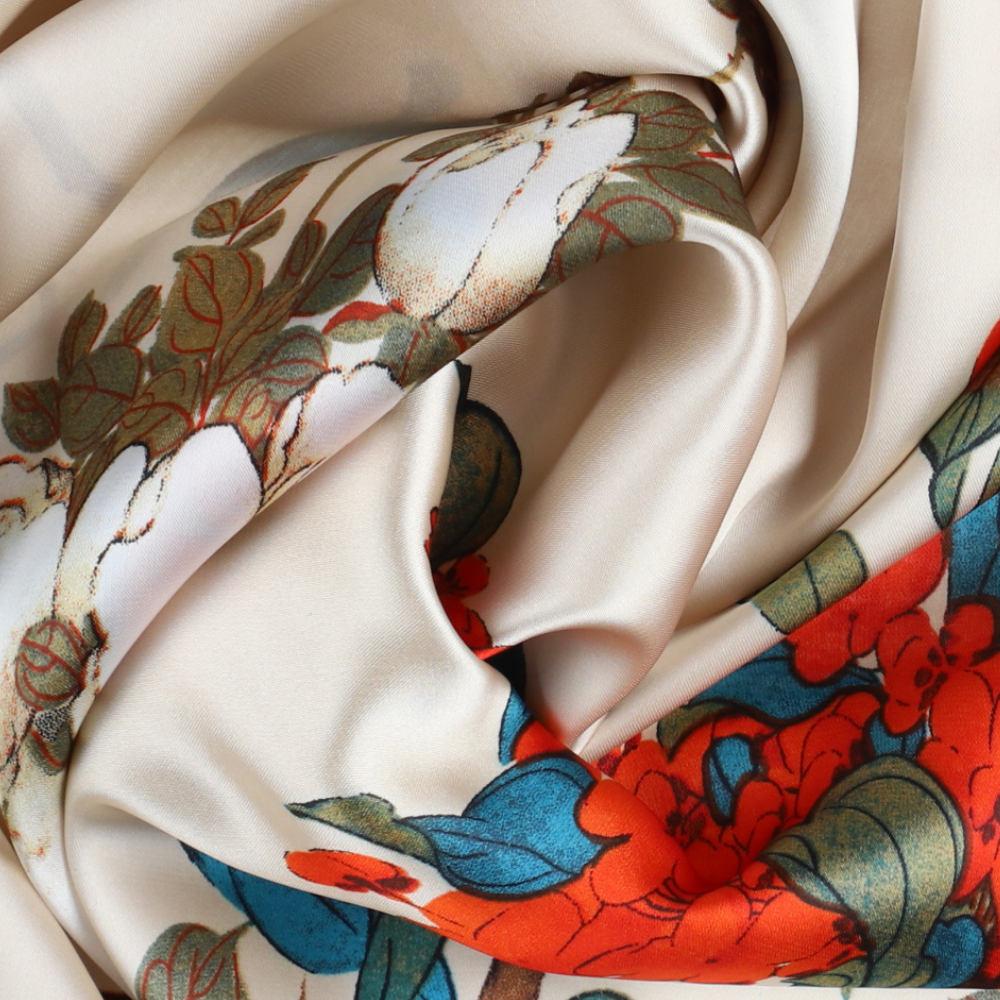
180×90 cm / 71×35 in
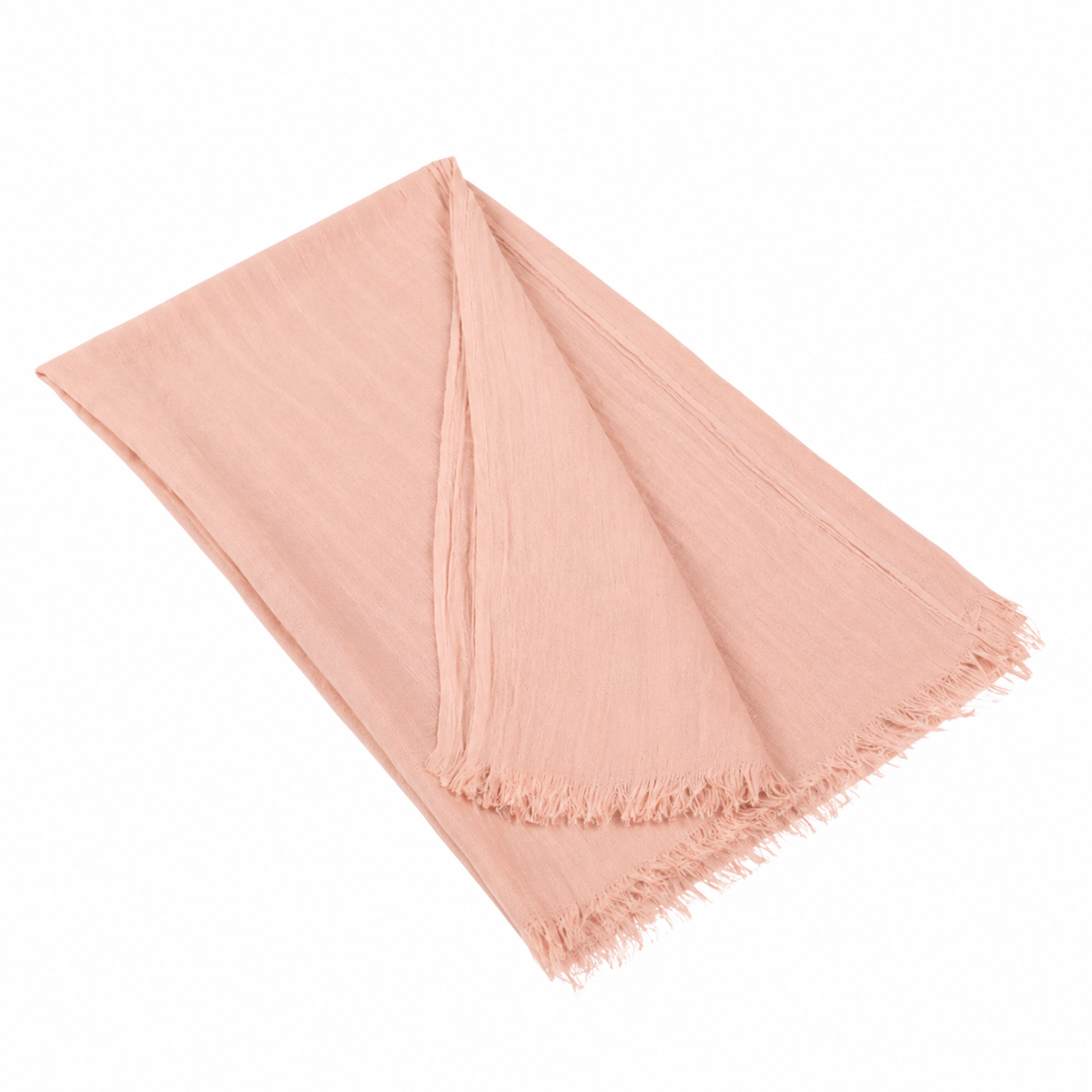
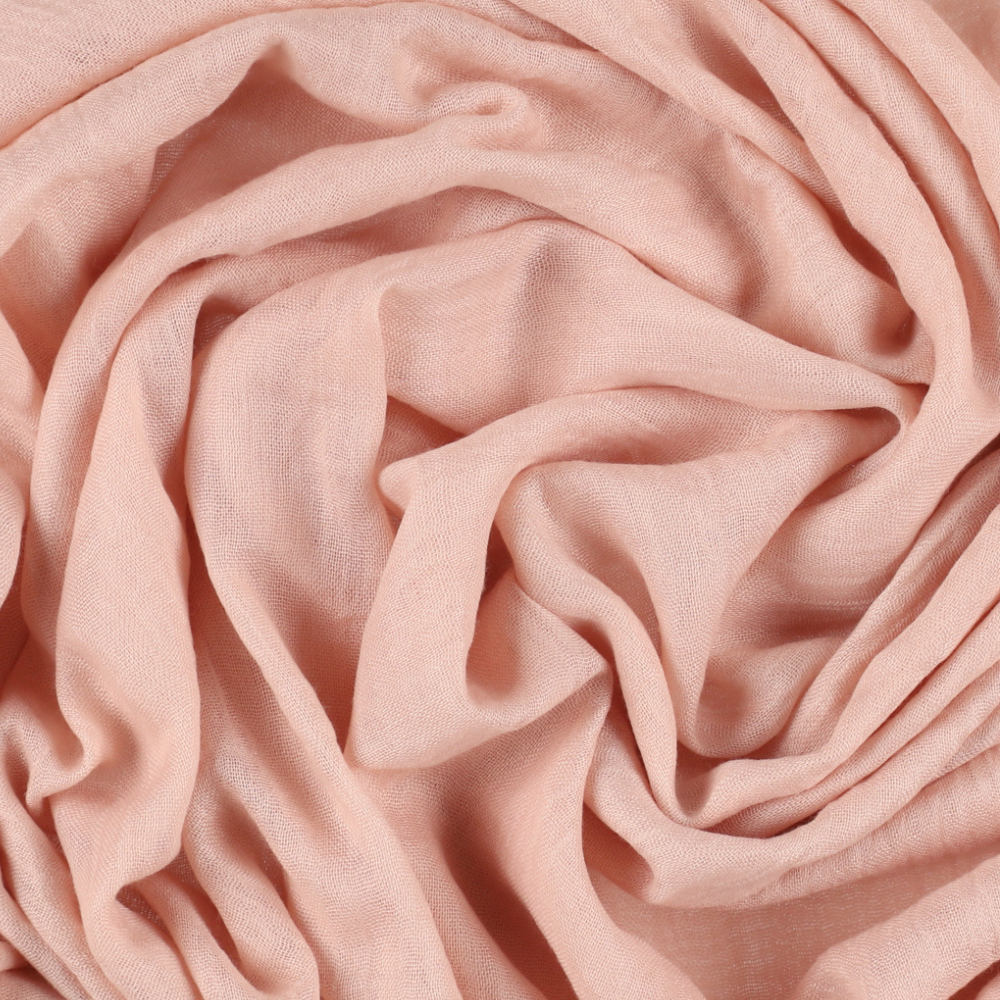
195×100 cm / 77×39 in
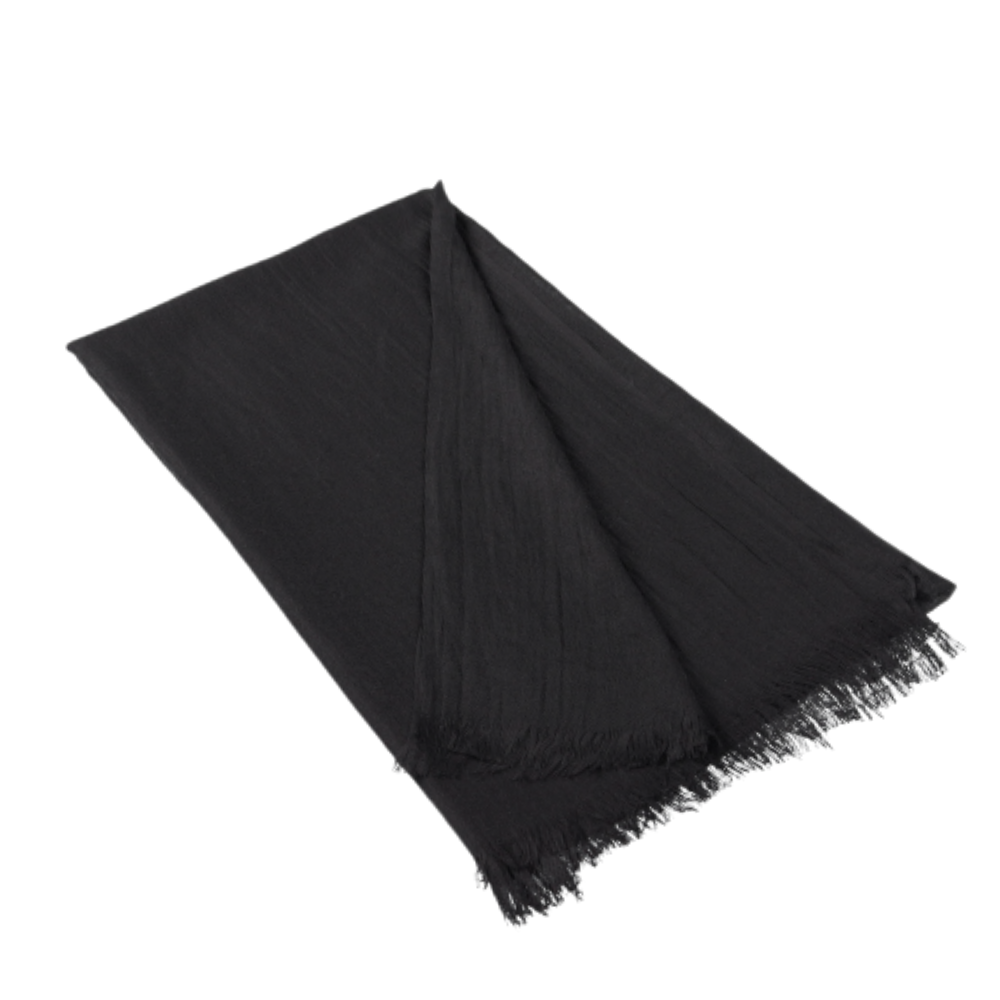
195×100 cm / 77×39 in
195×100 cm / 77×39 in
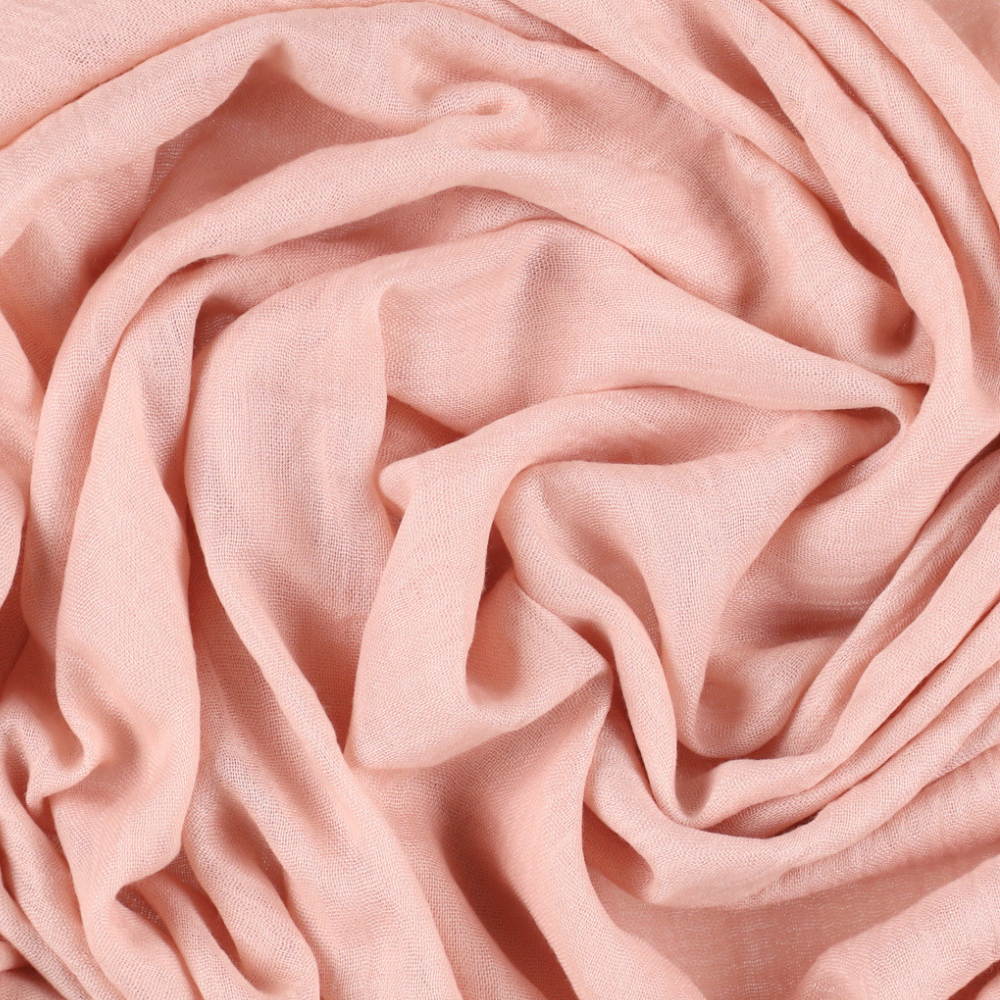
195×100 cm / 77×39 in
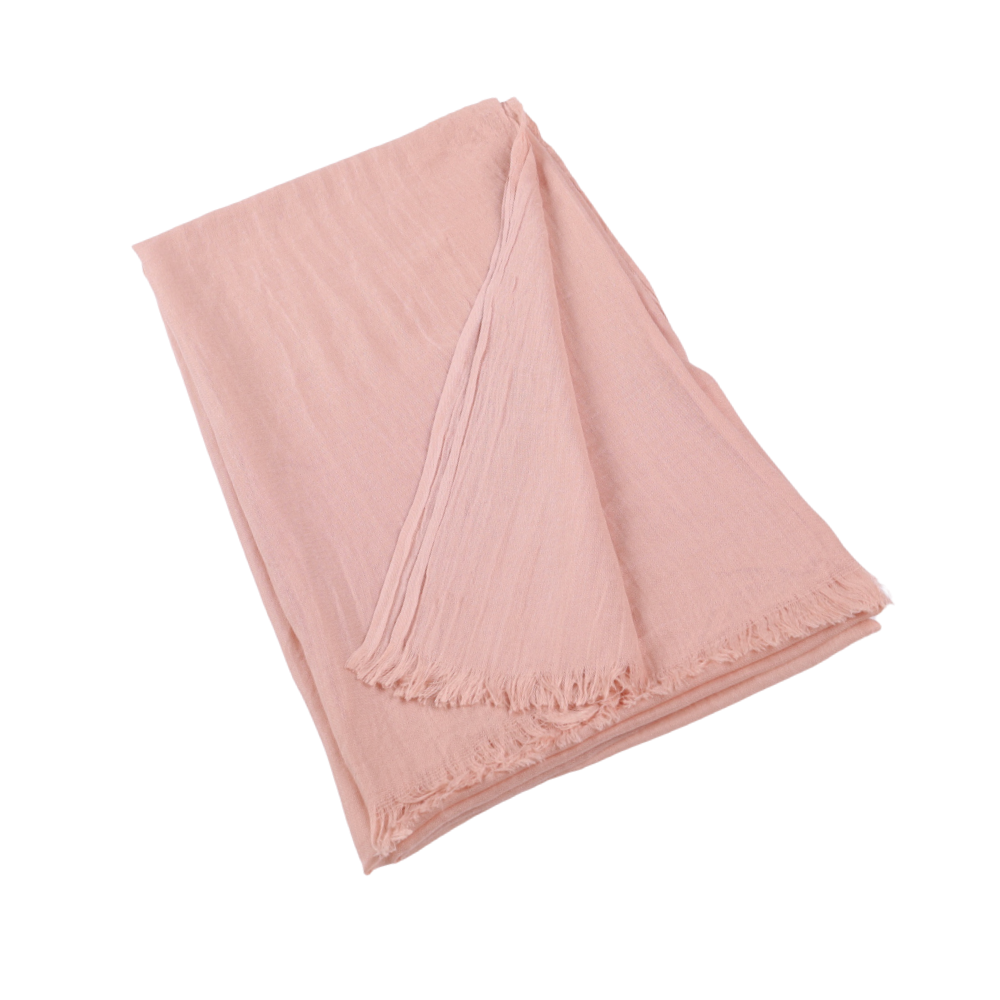
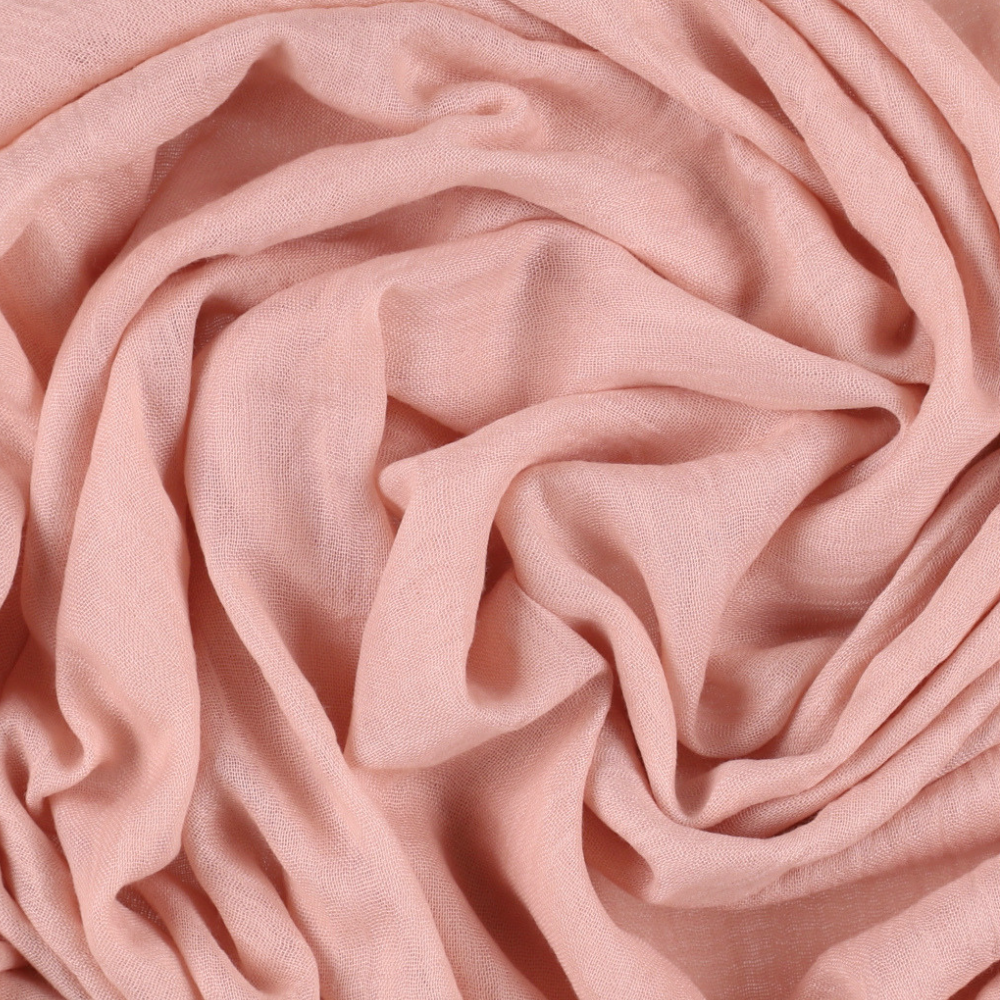
195×100 cm / 77×39 in
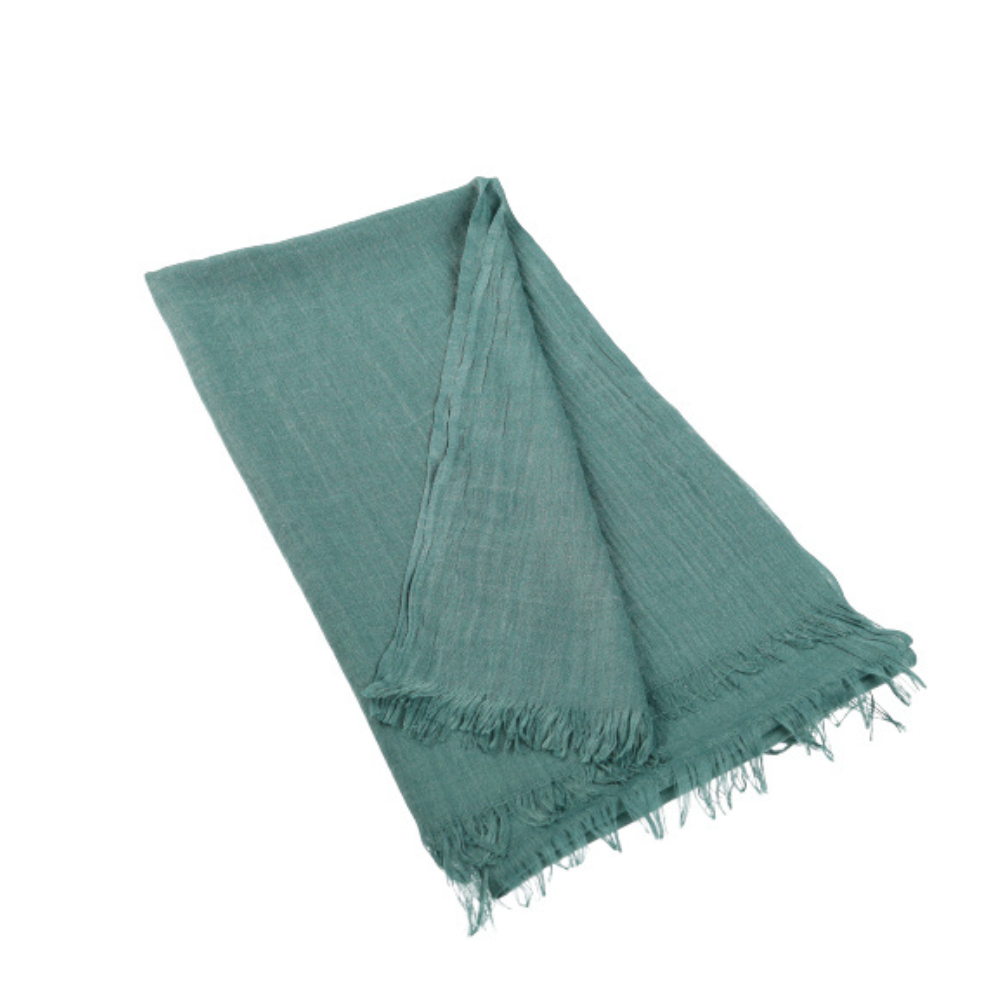
195×100 cm / 77×39 in
195×100 cm / 77×39 in
195×100 cm / 77×39 in
195×100 cm / 77×39 in
195×100 cm / 77×39 in
195×100 cm / 77×39 in
195×100 cm / 77×39 in
195×100 cm / 77×39 in
195×100 cm / 77×39 in
195×100 cm / 77×39 in
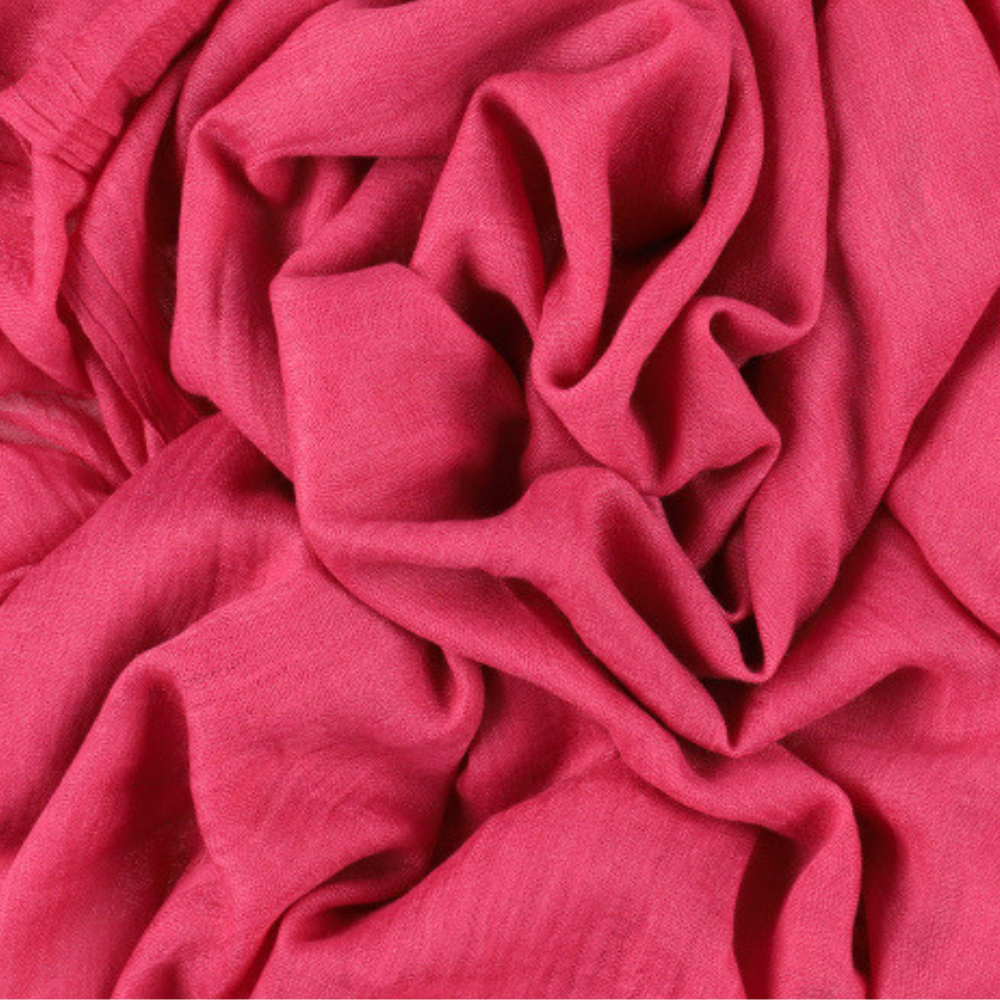
195×100 cm / 77×39 in
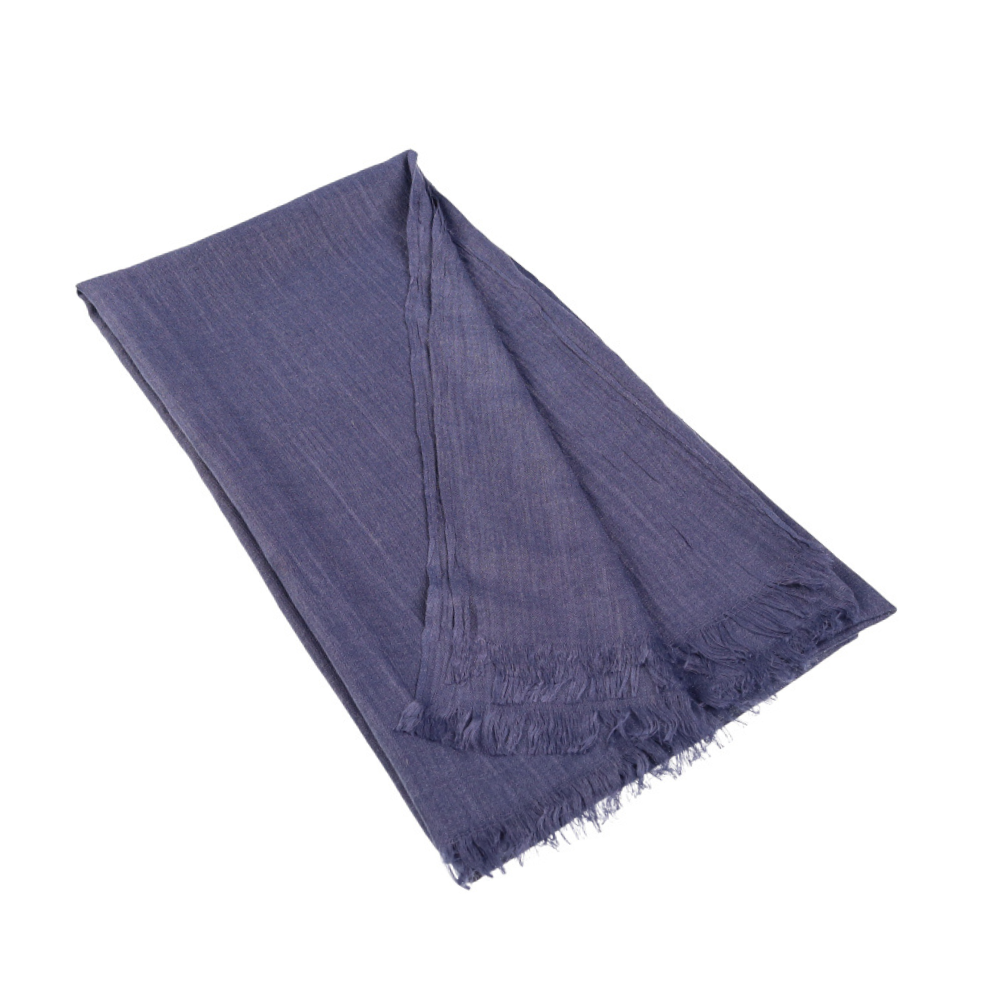
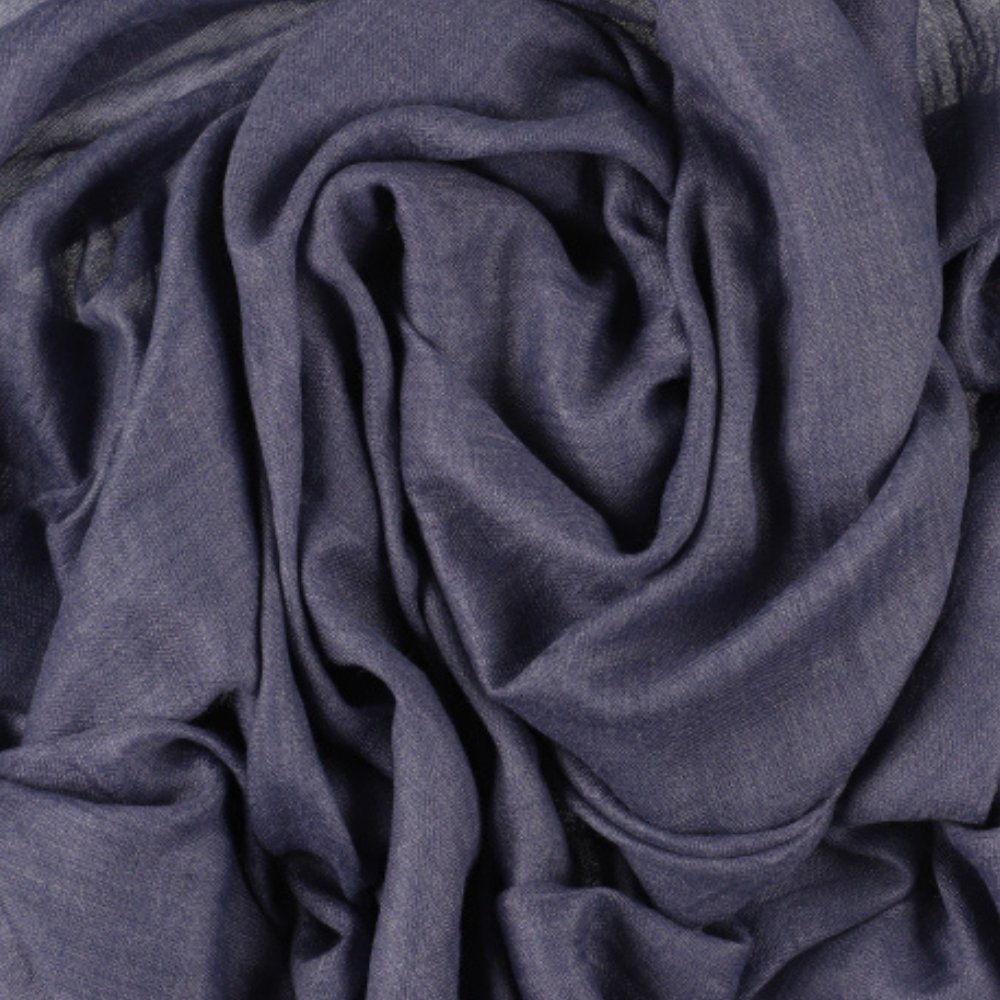
195×100 cm / 77×39 in
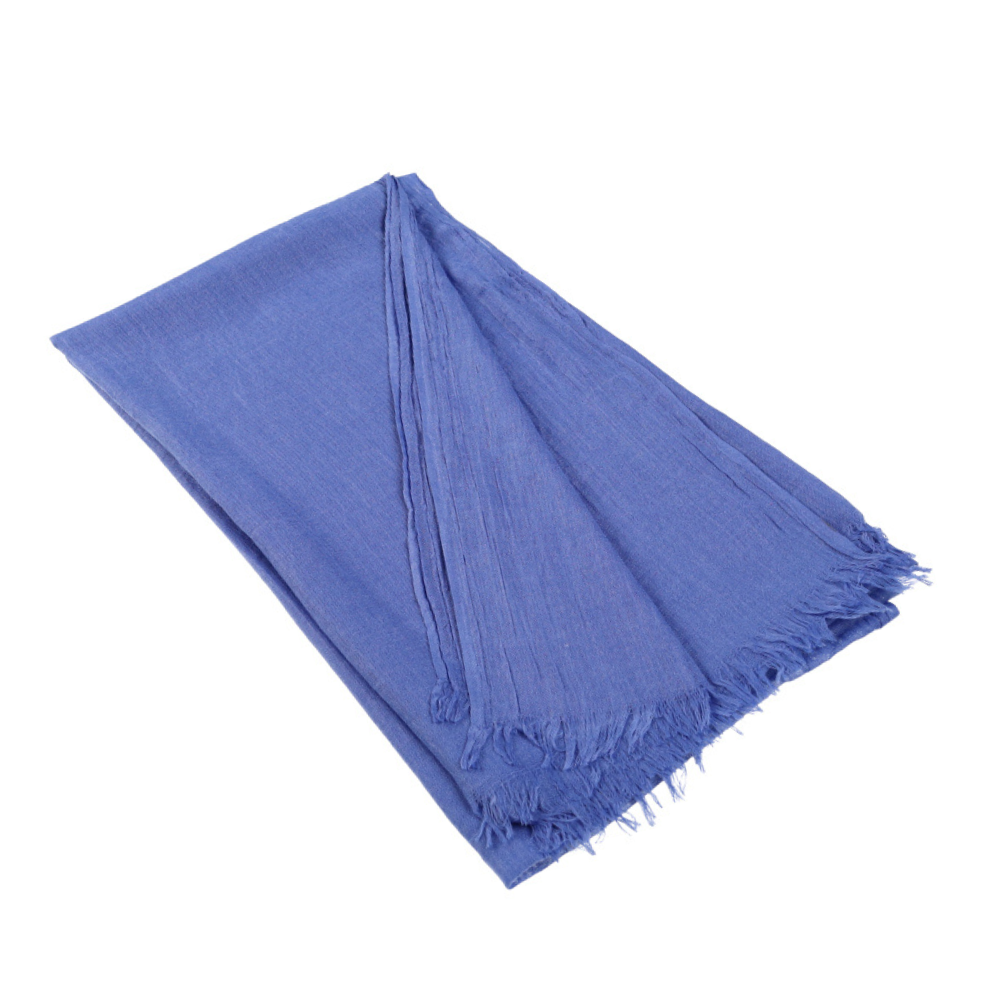
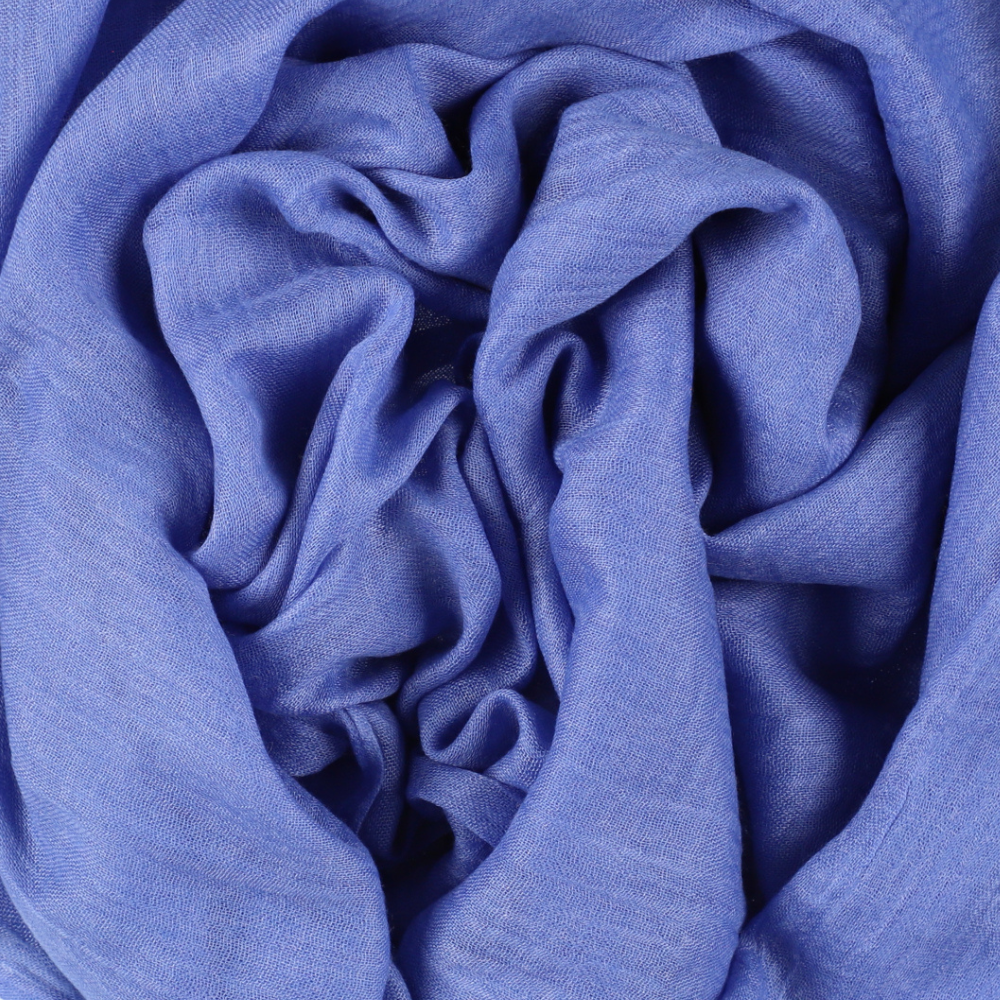
195×100 cm / 77×39 in
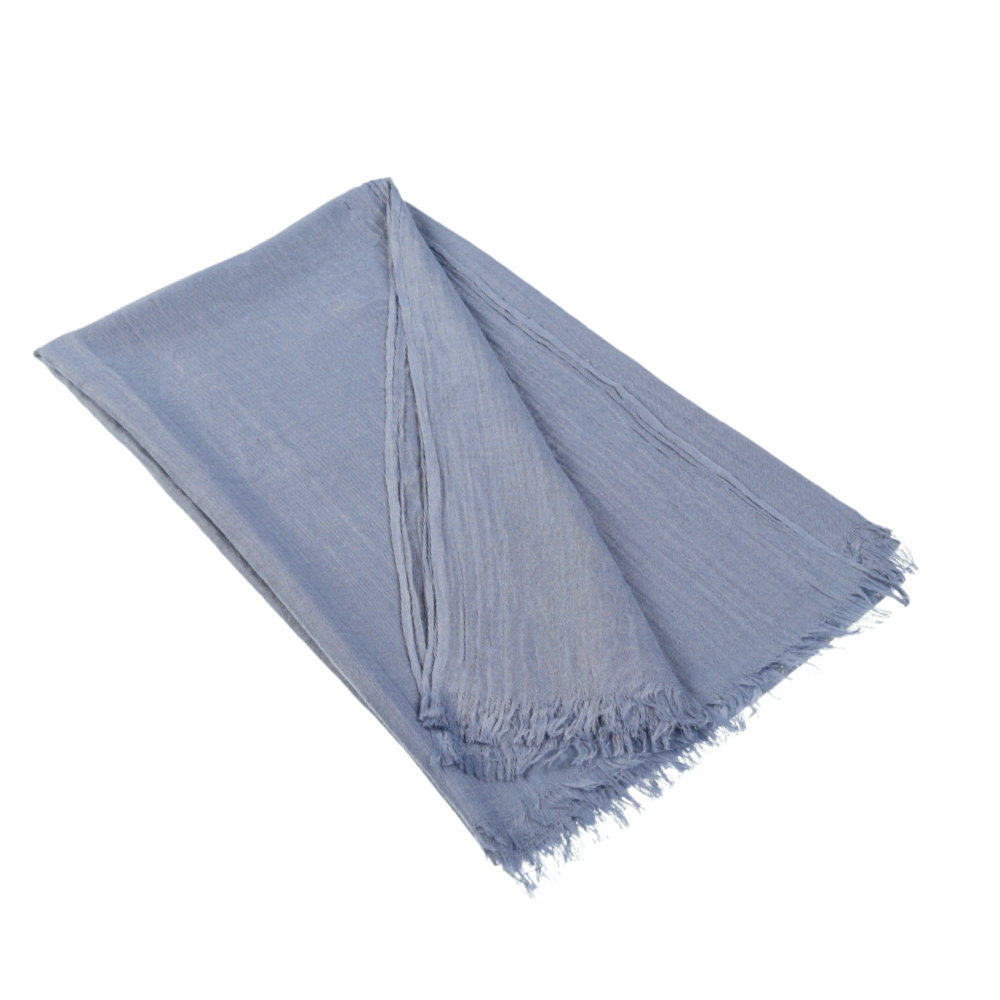
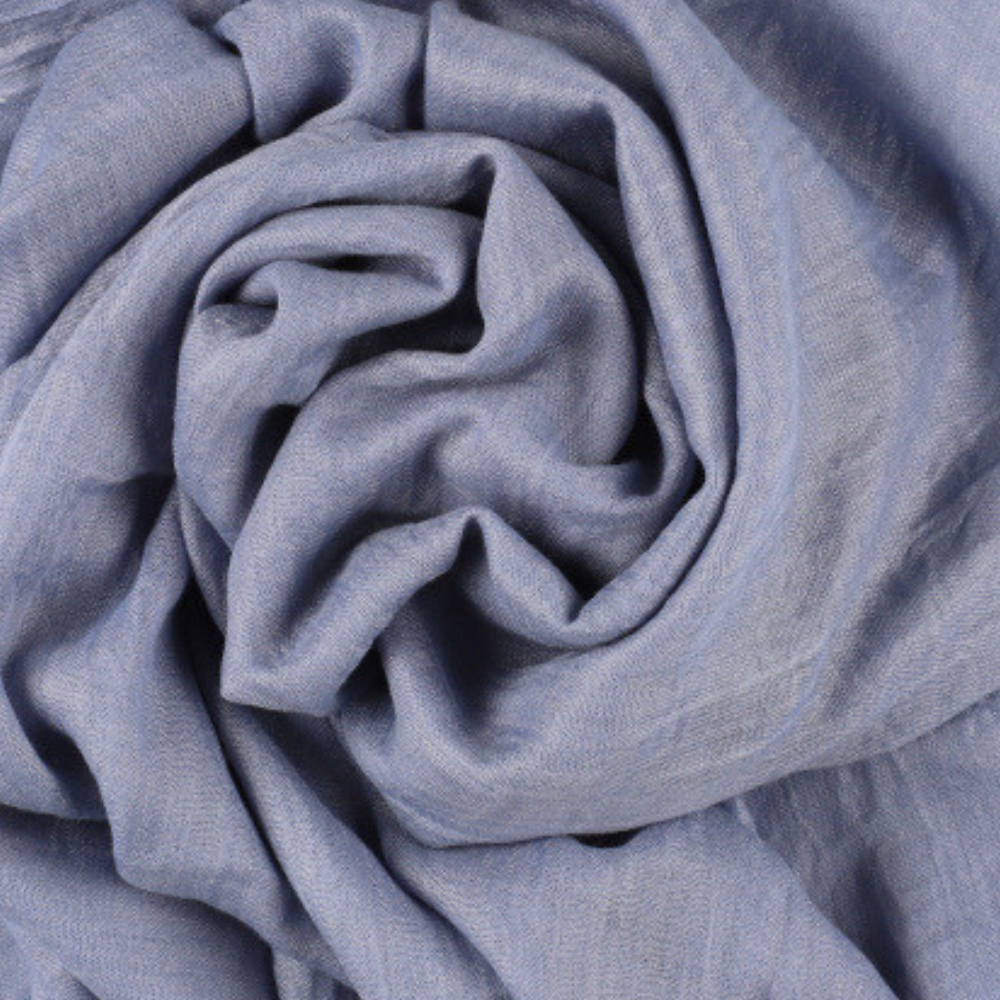
195×100 cm / 77×39 in
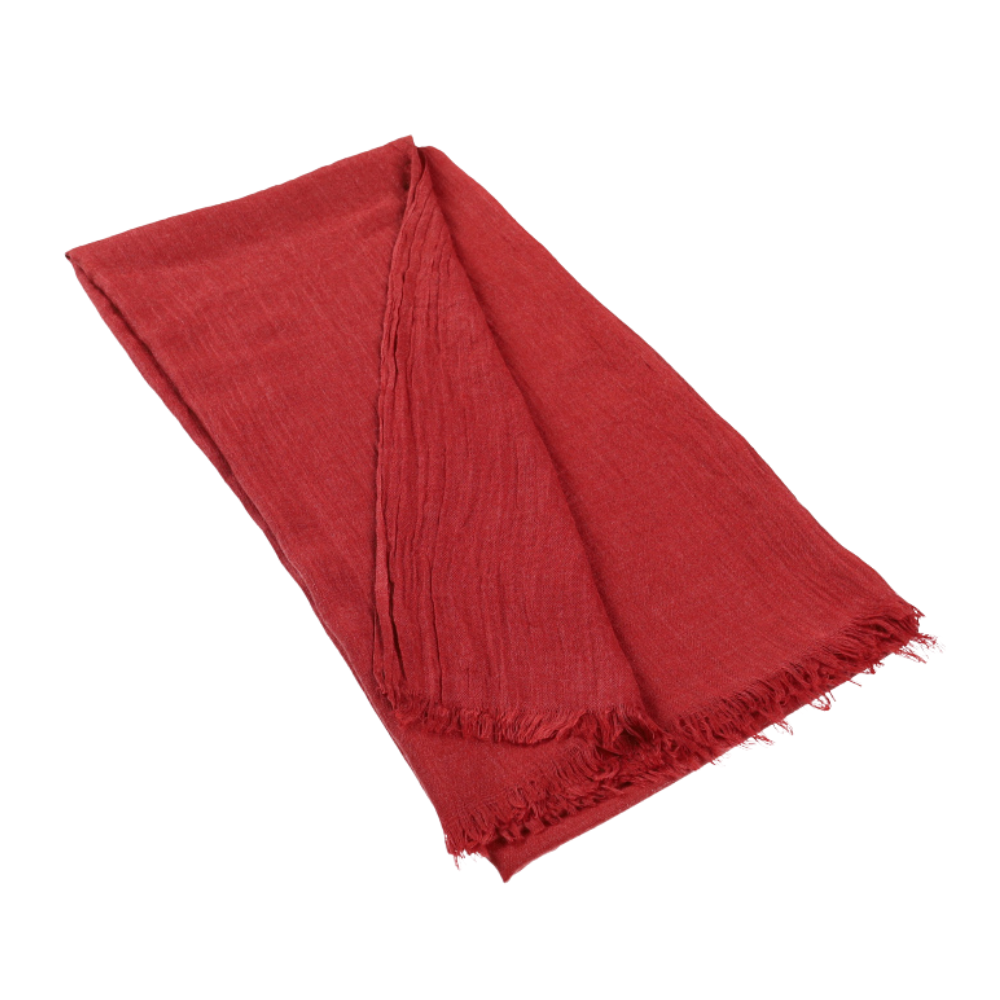
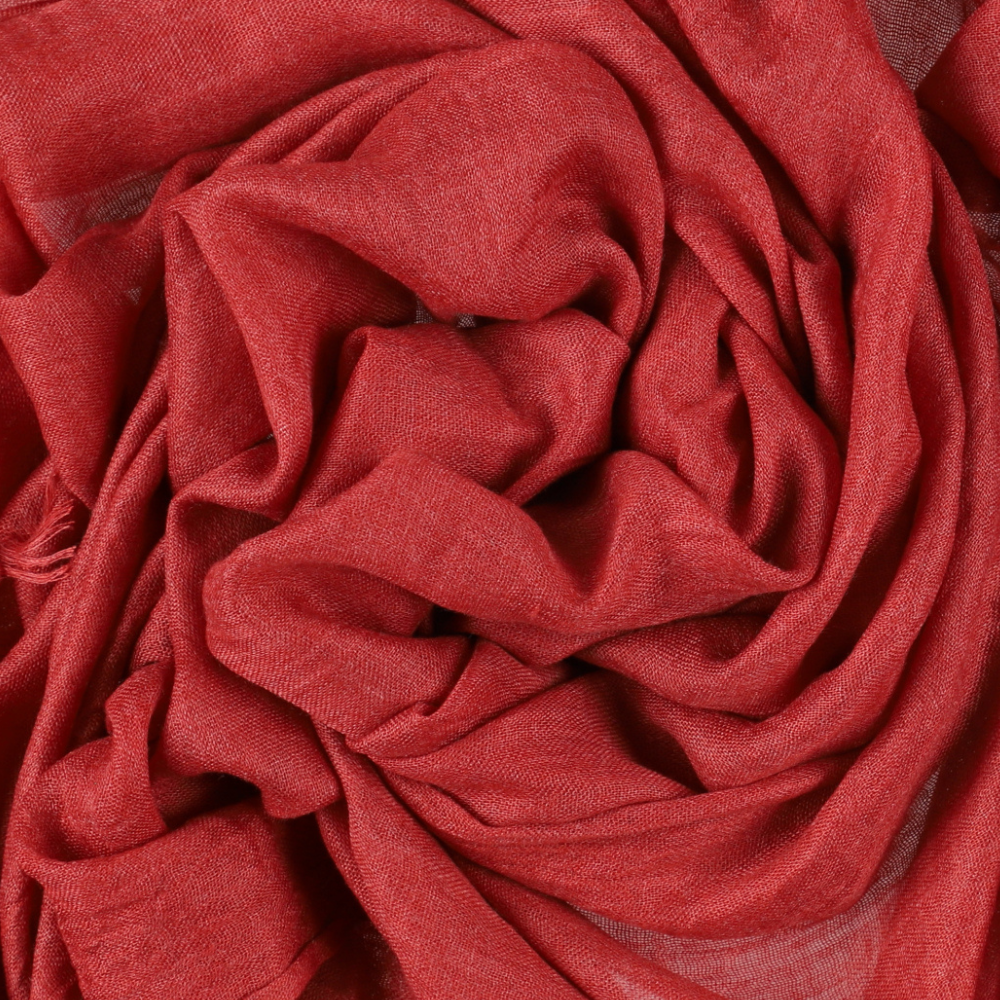
195×100 cm / 77×39 in
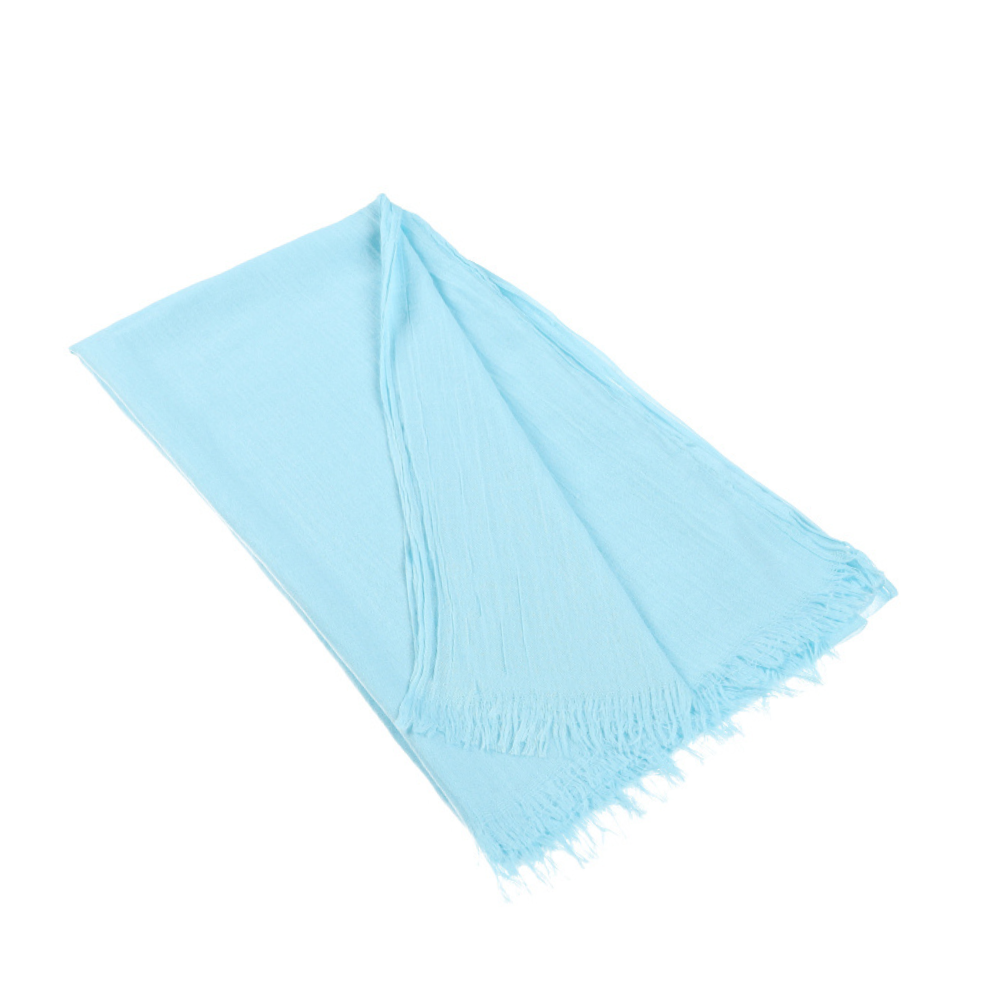
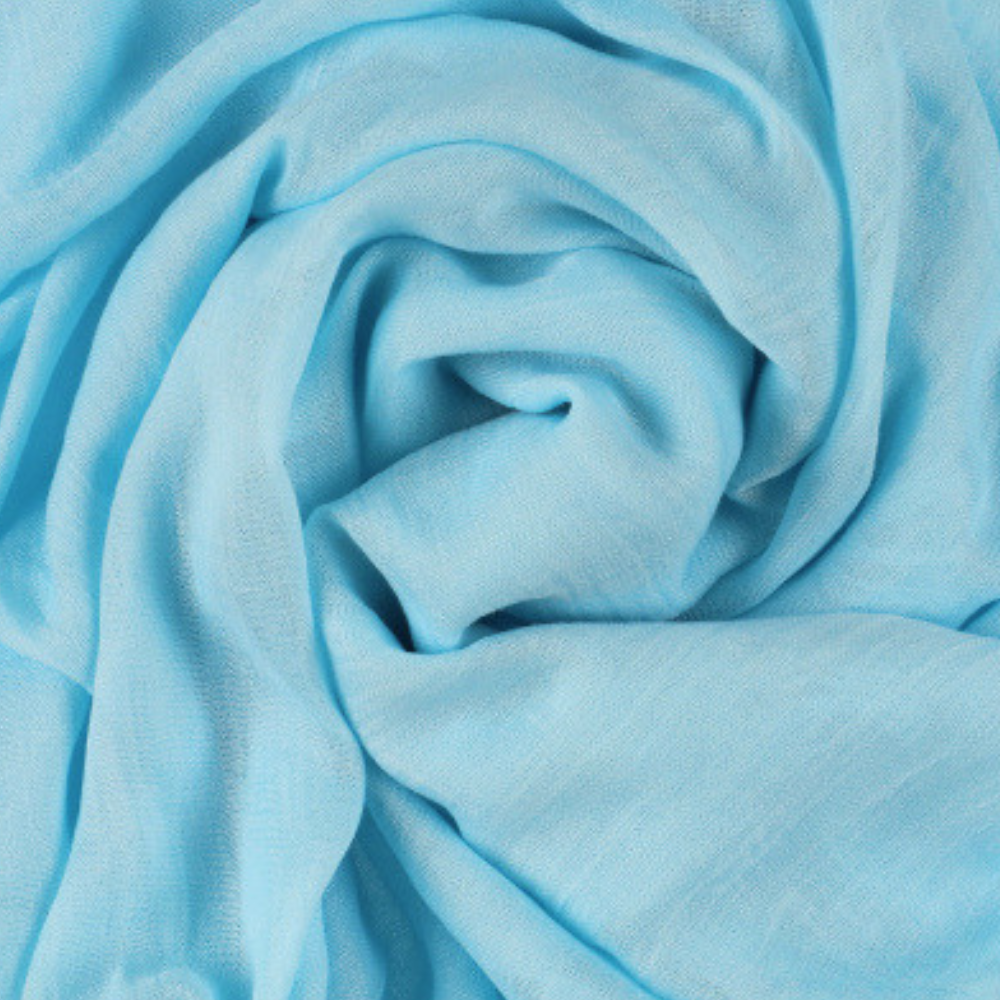
195×100 cm / 77×39 in
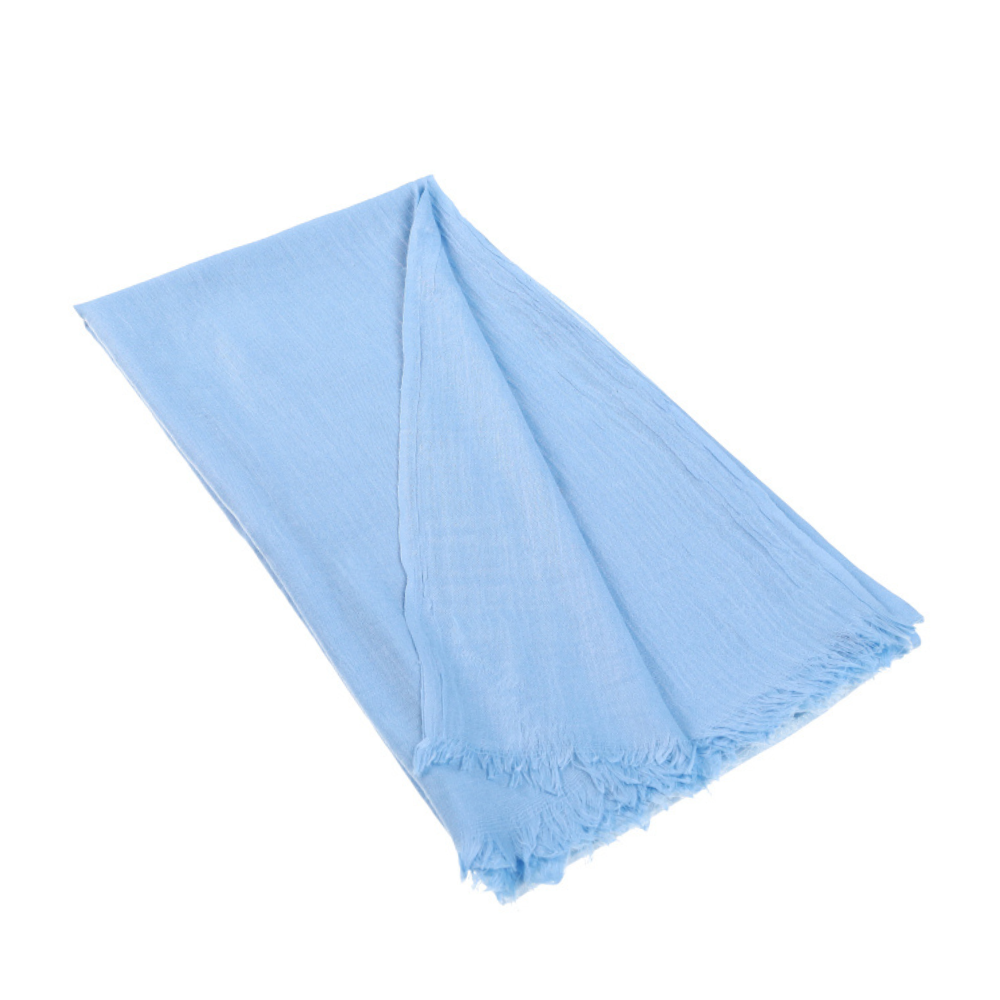
195×100 cm / 77×39 in
200×70 cm / 79×28 in
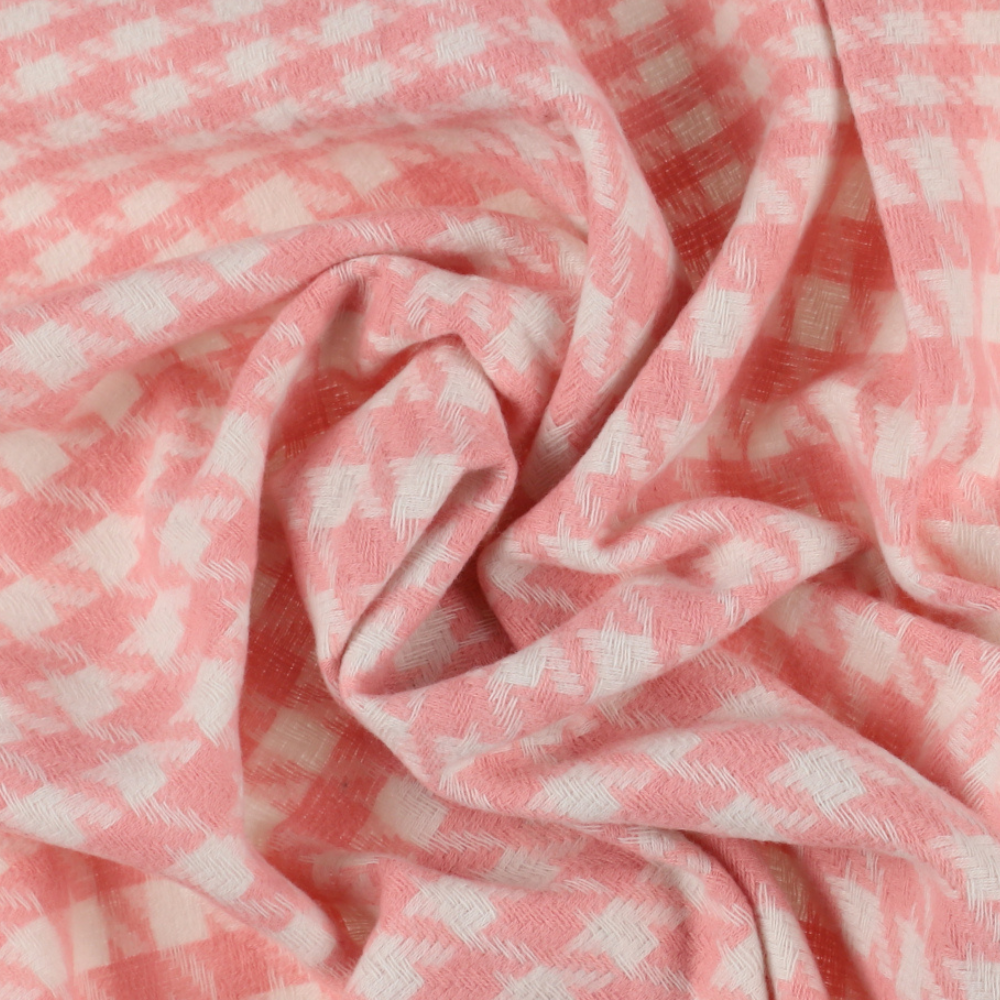
200×70 cm / 79×28 in


180×80 cm / 71×32 in


180×80 cm / 71×32 in


180×80 cm / 71×32 in


180×80 cm / 71×32 in
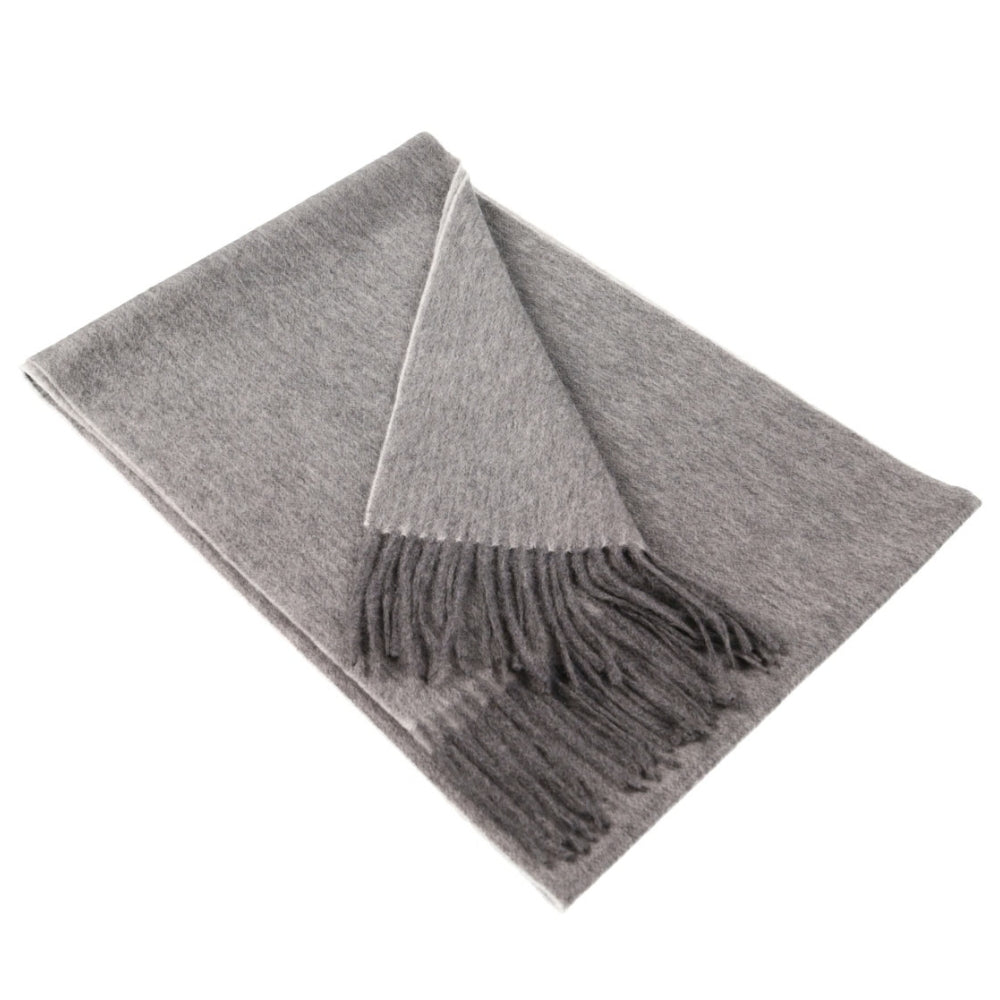
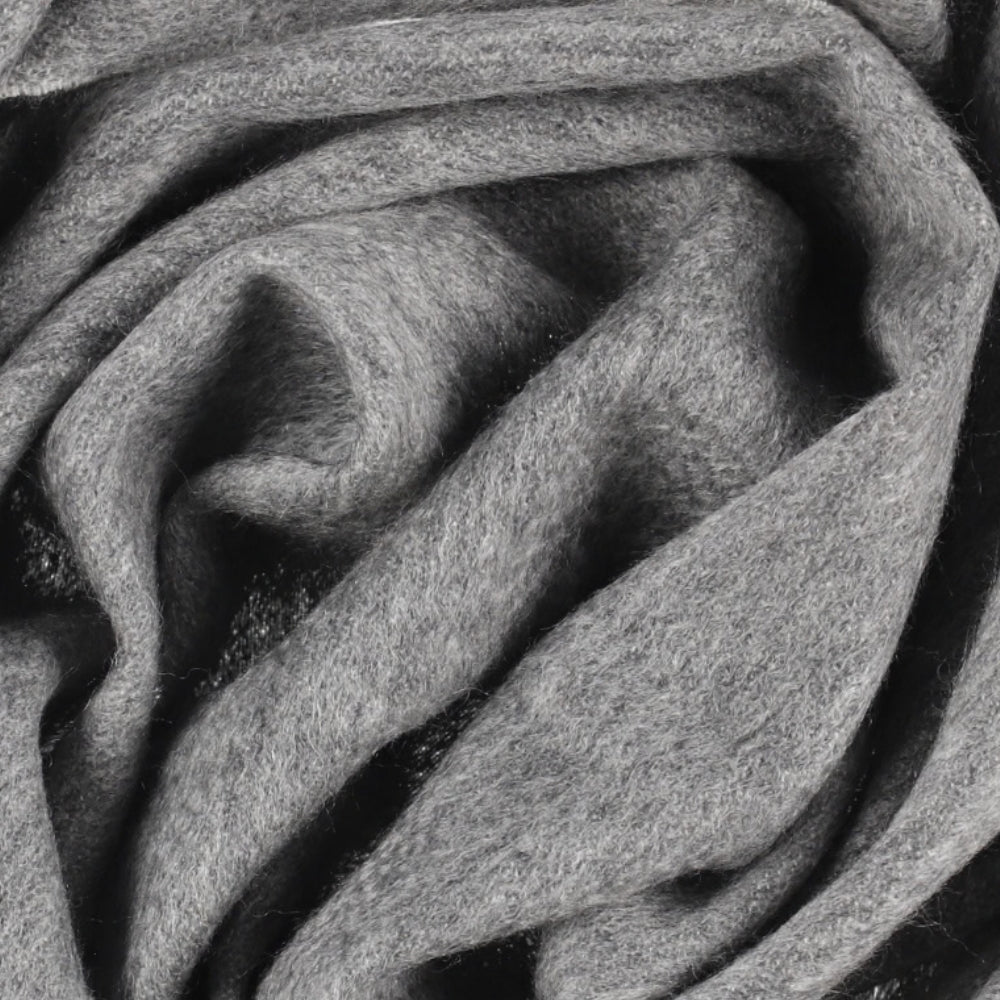
180×30 cm / 71×12 in
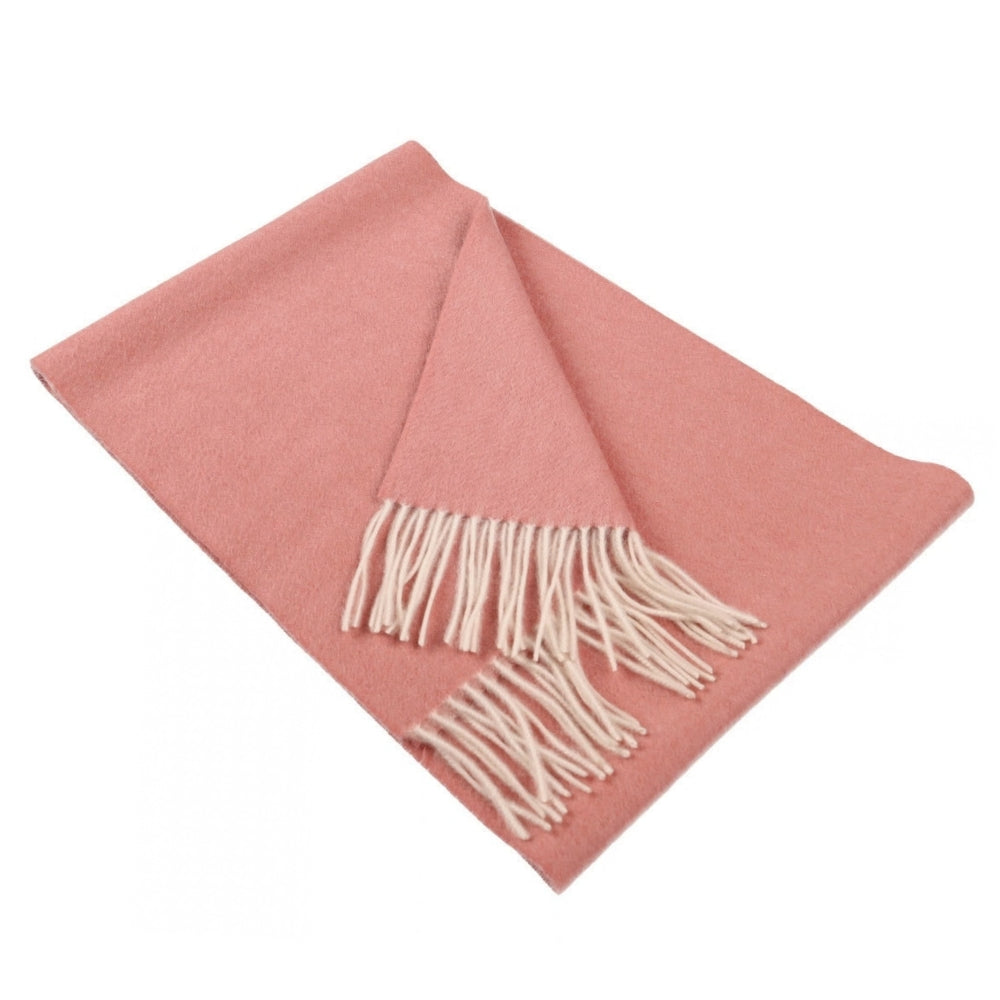
180×30 cm / 71×12 in
Lightweight scarf – how to choose and style airy scarves from UniqueYou
Lightweight scarf: quick guide
If you are looking for a thin, soft scarf that works in warmer months, heated offices, or while travelling, you are in the right place. A lightweight scarf on UniqueYou is a breathable accessory made from airy fabrics such as silk, viscose, cotton or their blends; it sits comfortably against the skin without trapping heat the way a thick winter wrap would. The range covers long rectangular scarves, square scarves and delicate shawls for shoulders.
This page will help you pick the right format, fabric and colors for your wardrobe. Whether you need a companion for a spring coat, a subtle touch at the collar of a shirt, or a shoulder layer for a summer evening, the sections below break the choice into concrete steps.
Types of lightweight scarf
UniqueYou carries several kinds of lightweight scarves that differ in shape, size and the way you wear them. Each type fits a different situation: daily commutes, office dress codes, evening events or shoulder coverage on warm days.
Long lightweight scarf
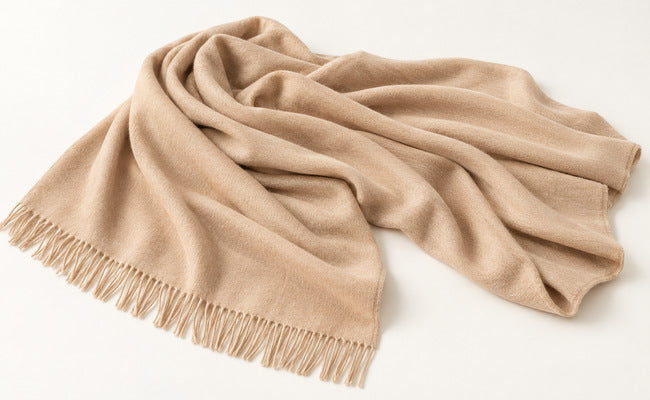
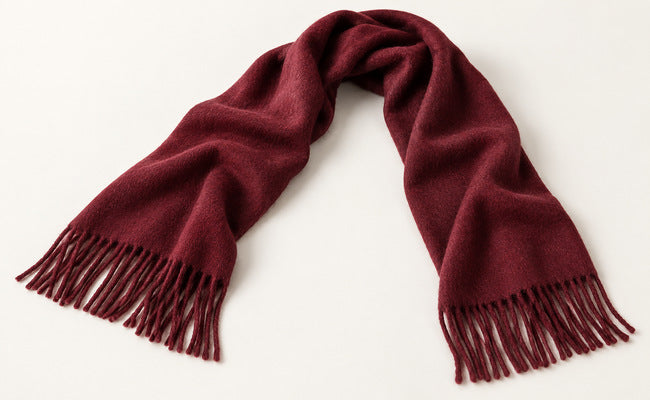
A rectangular scarf, typically around 180 × 70 cm, long enough to loop once or twice around the neck. It pairs well with coats, transitional jackets and cardigans because the loose ends can hang freely or be tied closer to the collar. Lightweight scarves should be easy to layer without added weight, and this format does exactly that; drape it over a plain top and jeans, and it changes the look without adding bulk. Common materials here include thin wool, viscose and cotton blends that stay comfortable all day.
Lightweight square scarf
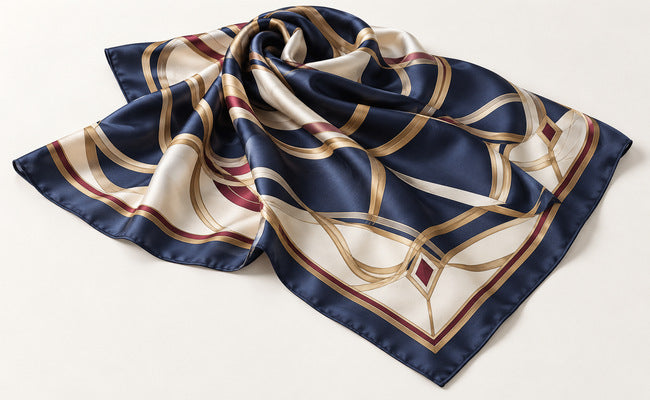
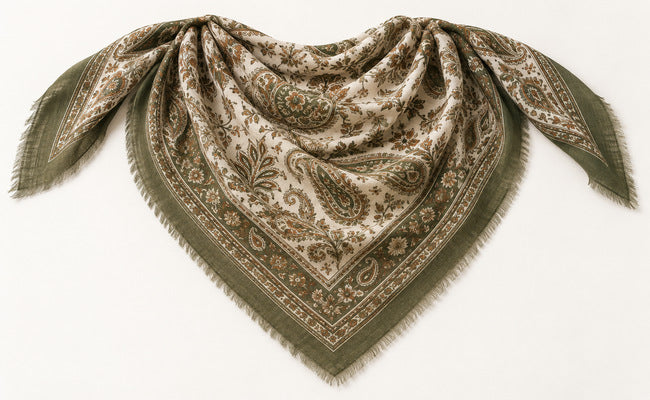
Square scarves folded on the diagonal create a triangle or a narrow band. A 90 × 90 cm square produces a wider, more visible knot at the neck, while a 50 × 50 cm neckerchief keeps the accent compact. Silk scarves evoke vintage glamour when tied at the neck, making this format a natural choice for shirts, blazers and V-neck sweaters. A scarf can also be used as an accessory for bags and hair; smaller squares work well looped around a handle or knotted into a ponytail.
Lightweight shawl for shoulders
Larger rectangles (roughly 70 × 180–200 cm or wider) serve as delicate shoulder wraps without the weight of a jacket. They suit spring and summer occasions: communions, weddings, outdoor dinners. Pair a lightweight scarf with a dress for a chic look that keeps bare arms covered when the temperature drops after sunset. Check the listed width before you buy; you want enough fabric to drape across both shoulders without excess bunching at the neck.
What to look for in a lightweight scarf
Three things determine whether a lightweight scarf works in practice: the fabric it is made from, its dimensions, and its color or print. Each one affects drape, comfort and how easily you can match the scarf to existing outfits. The details below are general guidelines; exact composition and measurements are always listed on the individual product page.
Fabric and feel
Silk and linen are ideal materials for lightweight scarves, but they behave differently against the skin and in sunlight. Silk feels cool, drapes smoothly and carries a subtle sheen. Thin wool scarves are lightweight yet warm, ideal for chilly weather; a fine wool or wool-silk blend at around 100–120 GSM offers noticeable insulation without thickness. Viscose and modal fall somewhere between silk and cotton: soft, fluid, good at wicking moisture. Cotton voile is practical for everyday wear during summer because it withstands frequent washing better than silk. Natural fabrics allow air circulation unlike synthetic materials, which can trap heat and moisture close to the skin. Breathable fabrics like linen and cotton help keep cool in summer, so if you run warm, prioritize those fibres. If your skin reacts to certain textiles, read the composition on the product card and look at close-up photos to judge the surface texture.
Size, shape and drape
Dimensions matter as much as color. A long rectangular scarf suits coats and neck-wrapping because the length allows loops and knots. A large square (90 × 90 cm) folded diagonally gives a broad triangle visible above a blazer lapel. A small neckerchief (50 × 50 cm) stays discreet under a shirt collar. A wider wrap of 70 × 200 cm doubles as a shoulder cover for sleeveless dresses. Multiple ways to wear a lightweight scarf can create different looks from a single piece; one long scarf draped loosely reads casual, the same scarf knotted tight reads polished.
If you already own a scarf you like, compare its measurements with those listed on the product page. That comparison tells you more than any style guide.
Color, print and edge details
A lightweight scarf sits close to the face, so its color interacts with your complexion and your top layer. Scarves can enhance an outfit's color or pattern without needing a full change of clothes. A solid, neutral scarf pairs with patterned dresses and printed shirts without competing for attention. A bold print or saturated hue turns a plain white tee and jeans into a stylish outfit on its own; a lightweight scarf can add color to a simple outfit faster than any other accessory.
Edge details such as fringe, contrast stitching or a rolled hem affect the visual weight of a thin fabric. Fringe adds movement and a relaxed feel. A clean rolled hem looks sharper with tailored blazers. Check the product photos for close-ups if a specific finish matters to you.
How to choose the right lightweight scarf
The criteria below help you narrow the selection quickly.
What you wear it with daily – For coats and transitional jackets, a longer scarf gives you wrapping options. For shirts, blazers and sleeveless dresses, a square scarf or a shoulder wrap fits the silhouette better. Lightweight scarves are versatile for summer or spring outfits, so consider the season you dress for most.
How much fabric you want at the neck – If bulk around the collar bothers you, pick a narrower or shorter model. If you also want shoulder coverage, choose a larger format. Lightweight scarves offer year-round versatility, but only when the size matches the way you actually wear them.
The colors already in your wardrobe – Match the scarf to one or two pieces you reach for most: a beige coat, a navy blazer, a black summer dress. A tone-on-tone pairing (beige scarf on a beige coat) keeps things quiet. An intense accent color against neutral clothing draws the eye to the scarf.
Occasion and formality – A smooth, solid-color scarf in silk or fine viscose works for the office and formal events. A textured cotton or linen piece with fringe suits weekends and casual travel. Cashmere scarves provide warmth and elegance in winter if you need one piece that crosses into colder months. Cotton scarves are versatile for summer and spring outfits when you want something you can wash without worry.
Frequently Asked Questions
Below are answers to the questions shoppers ask most about lightweight scarves.
Is a lightweight scarf warm enough for spring and autumn?
A lightweight scarf with thin wool or a wool-blend composition gives noticeable warmth on cool mornings, enough to complement a spring or autumn coat. It will not replace a heavy winter layer on freezing days. For chillier conditions, choose a larger model you can wrap snugly around the neck; the extra fabric traps more air and adds insulation. Wool scarves in fine gauges hit a practical balance between warmth and low bulk.
How do I style a lightweight scarf with a blazer or shirt?
Fold a square scarf into a narrow band and tie it loosely at the collar of a button-down shirt; the knot sits just below the top button. With a blazer, drape a long scarf between the lapels so the ends hang at equal length. A smaller neckerchief produces a compact knot, while a 90 × 90 cm square creates a broader, more decorative one. Silk scarves evoke vintage glamour and timeless style in either configuration. Product photos on each listing show proportions at the neck and décolletage.
Which fabrics work best for a summer lightweight scarf?
Linen is an excellent choice for hot days due to its breathable texture. Thin silk chiffon, cotton voile and viscose also perform well in heat. Lighter colors and semi-transparent weaves absorb less sunlight. Breathable fabrics like linen and cotton help keep cool in summer, while synthetic blends can retain warmth. Read the composition listed on the product card to confirm the material before ordering.
How should I care for a lightweight scarf so it keeps its shape?
Care depends on the specific fabric. As a general rule, lightweight scarves respond best to gentle hand washing or a delicate machine cycle at low temperature with minimal spin. Avoid high heat in the dryer; lay the scarf flat to dry instead. Store it loosely rather than folding it into tight creases, especially if the edges have fringe or decorative stitching. The product label and card always carry the binding care instructions.
Browse lightweight scarves from UniqueYou
Choosing a lightweight scarf comes down to three decisions: what you will wear it with, which format feels most comfortable, and which colors already dominate your wardrobe. Browse the collection with one specific outfit in mind (a coat, a shirt, a summer dress) and the right match becomes obvious quickly. Compare a few models by their listed dimensions, composition and print to find the scarf that fits your style without guesswork.
FINEST MATERIALS
Softness, comfort and attention to detail.
Express Delivery
Within 24 hours by courier to your home or a pickup point.
EASY RETURNS
Shop with confidence, with the option to return.
SECURE PAYMENTS
Choose your preferred payment method.