
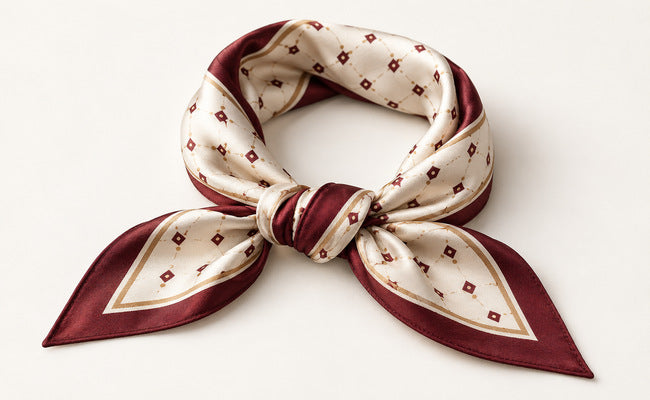

Silk scarves
Filters
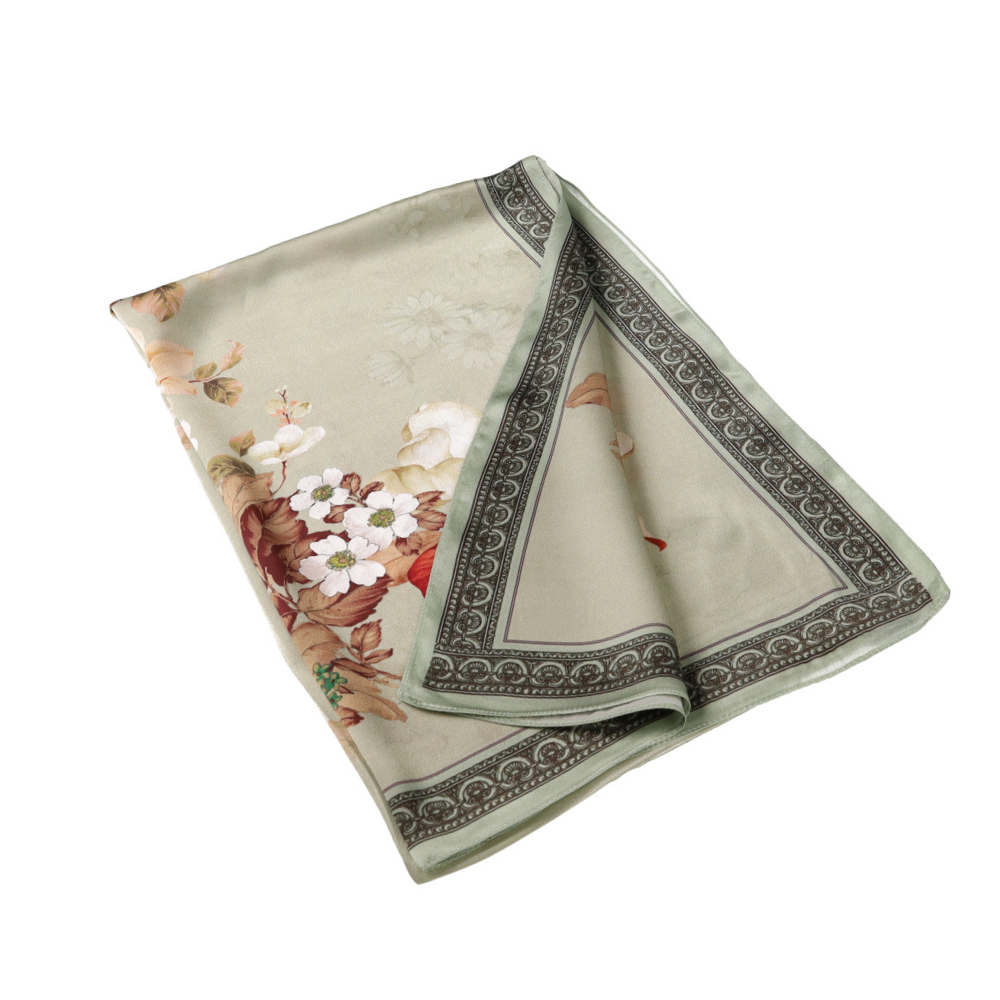
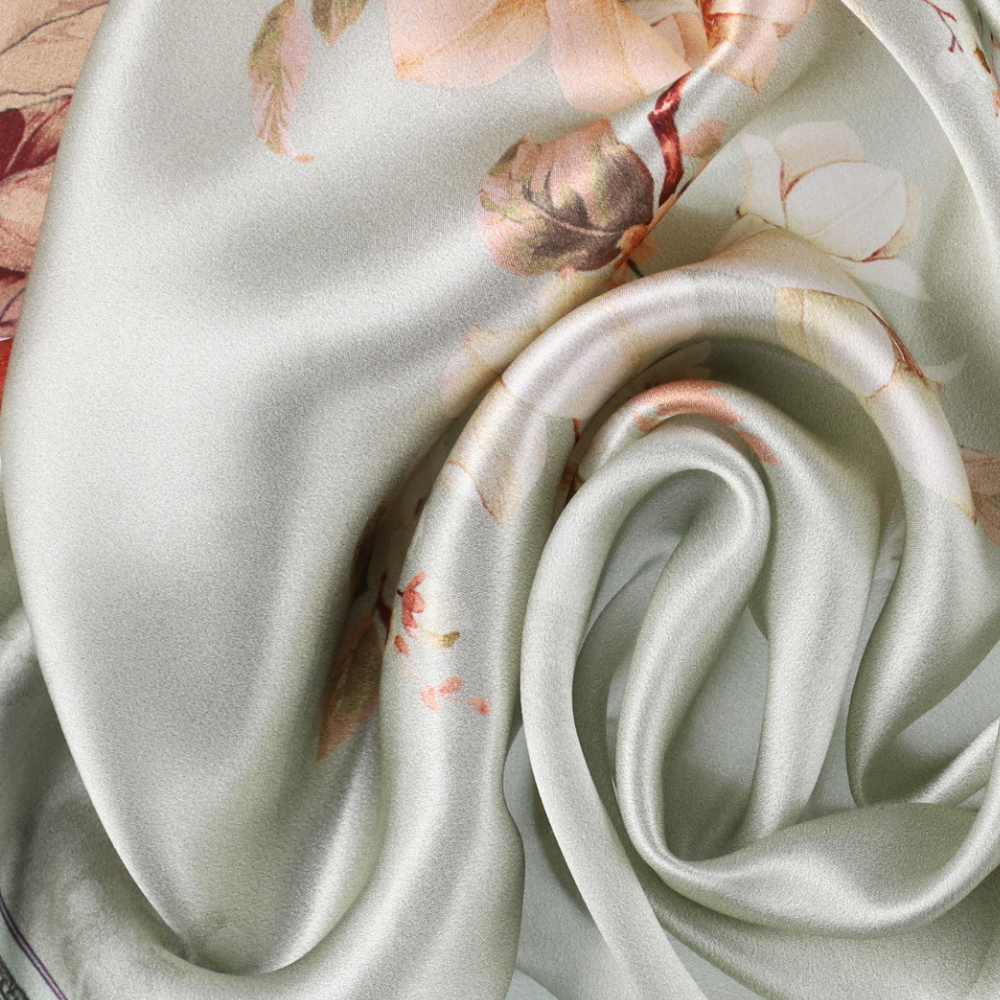
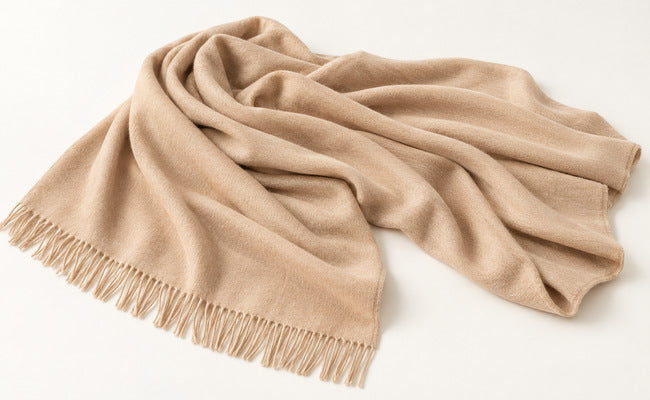
170×53 cm / 67×21 in
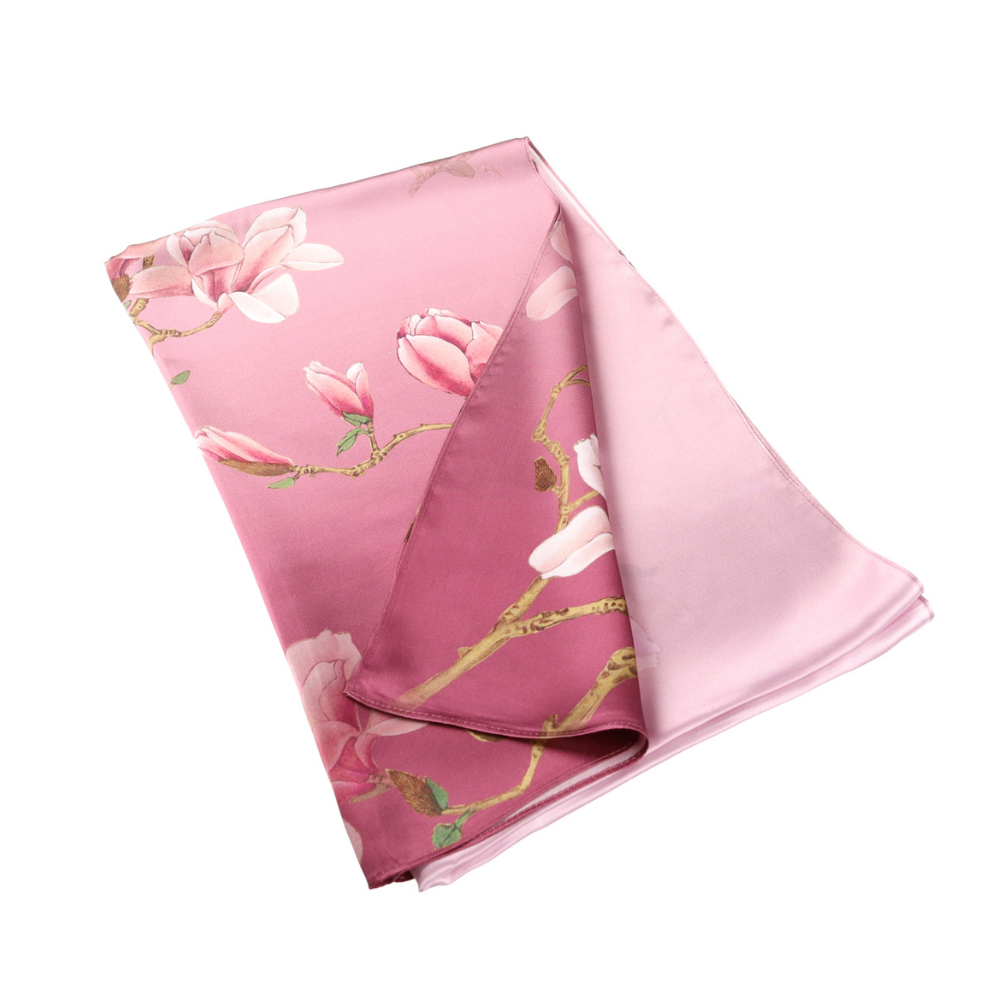
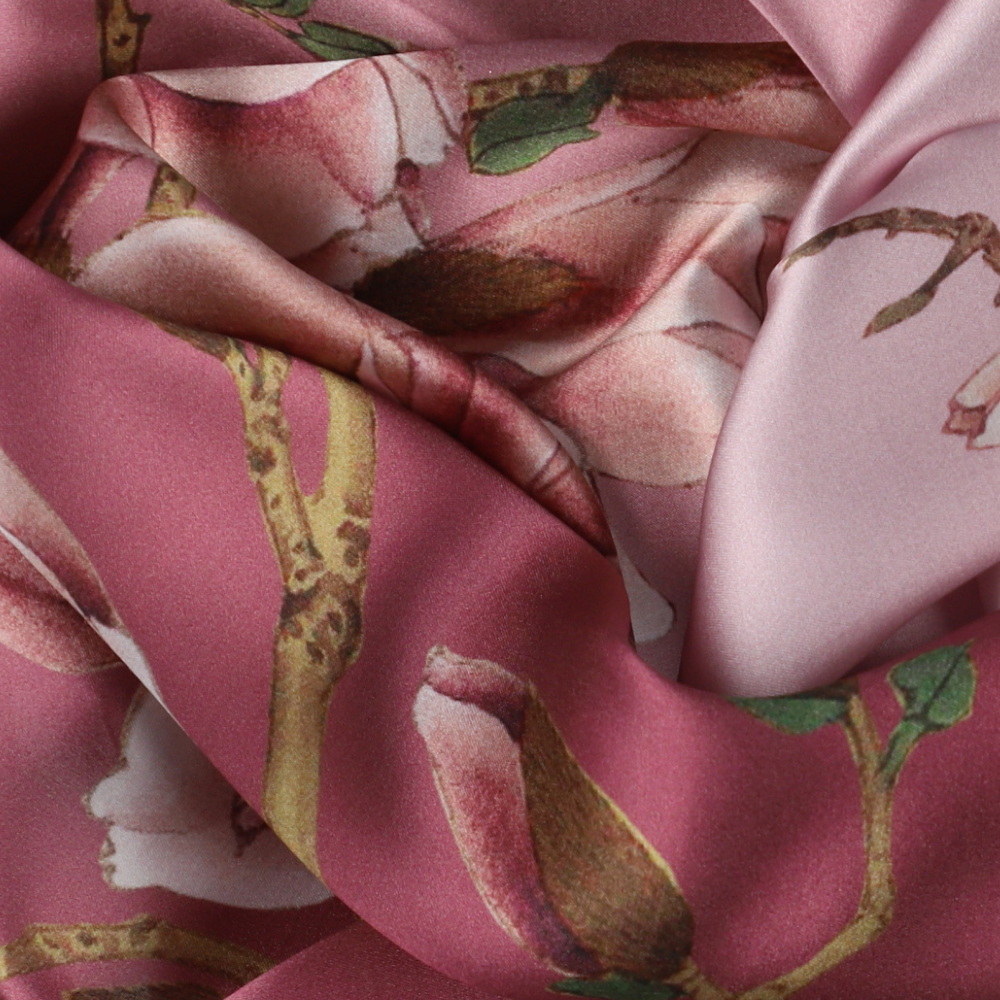
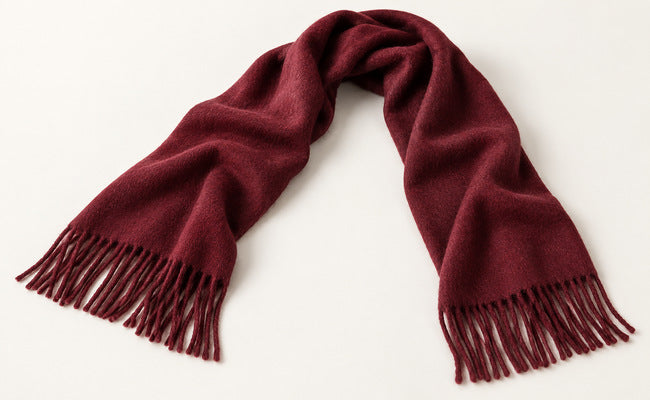
170×53 cm / 67×21 in
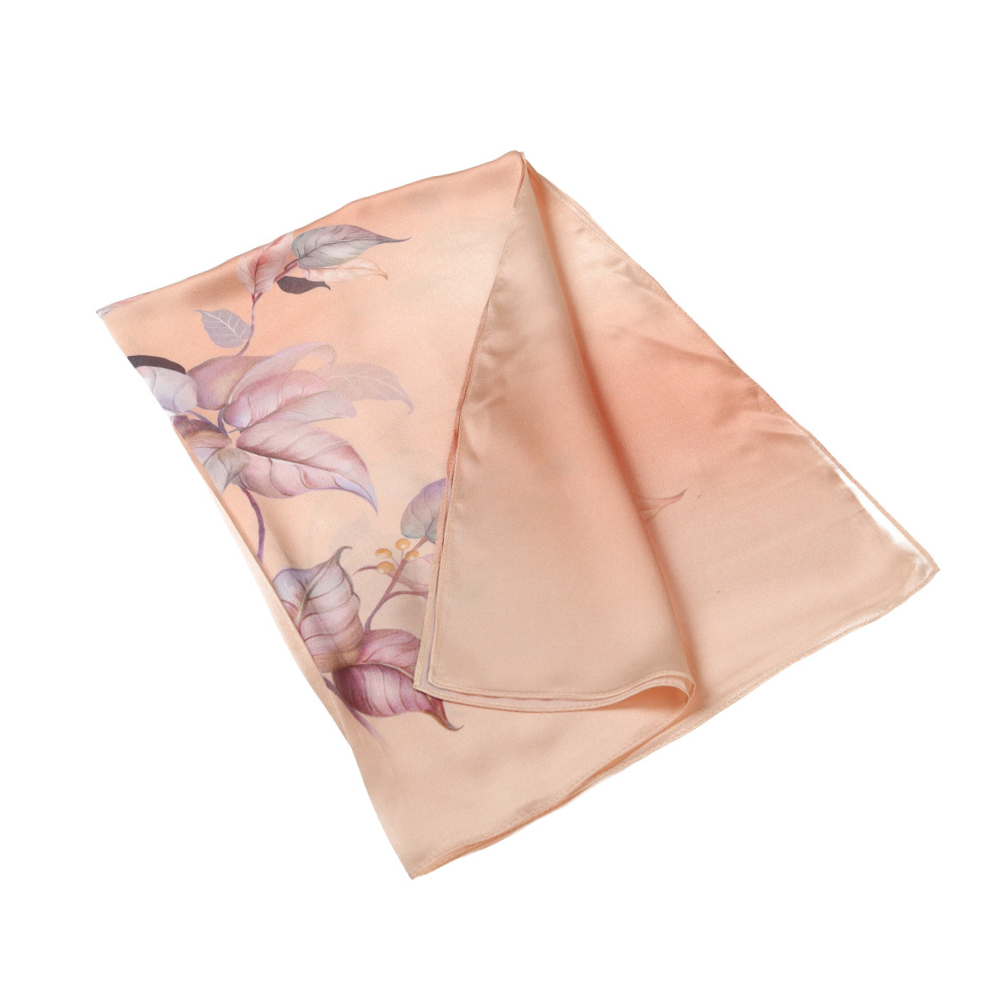
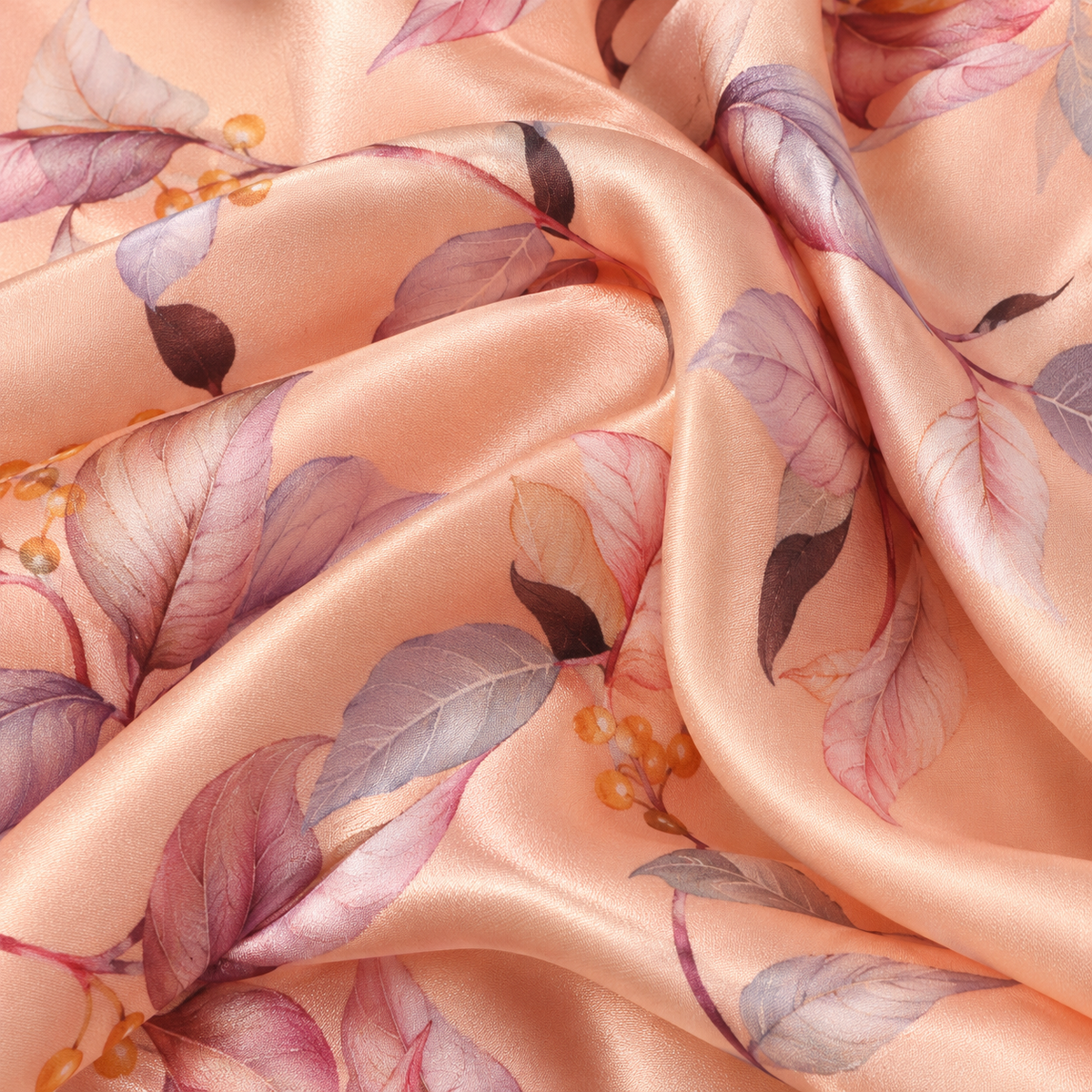
170×53 cm / 67×21 in
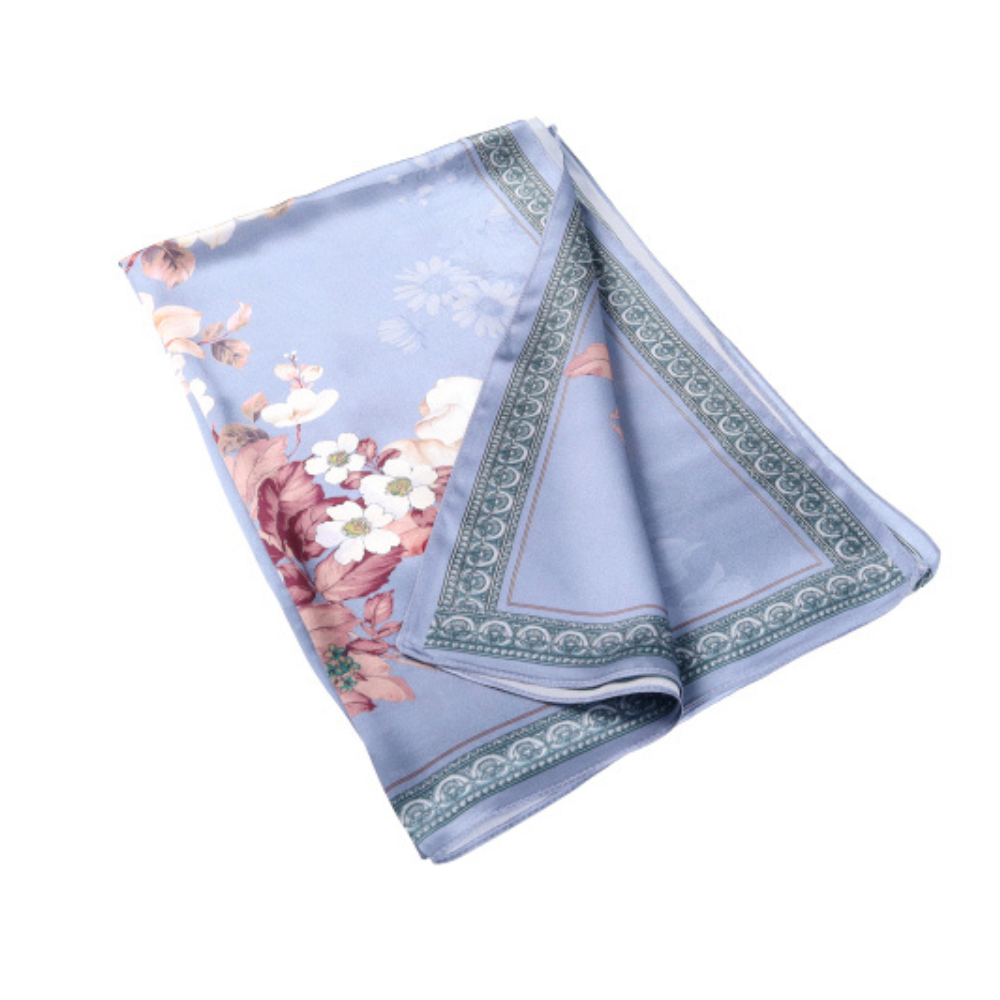
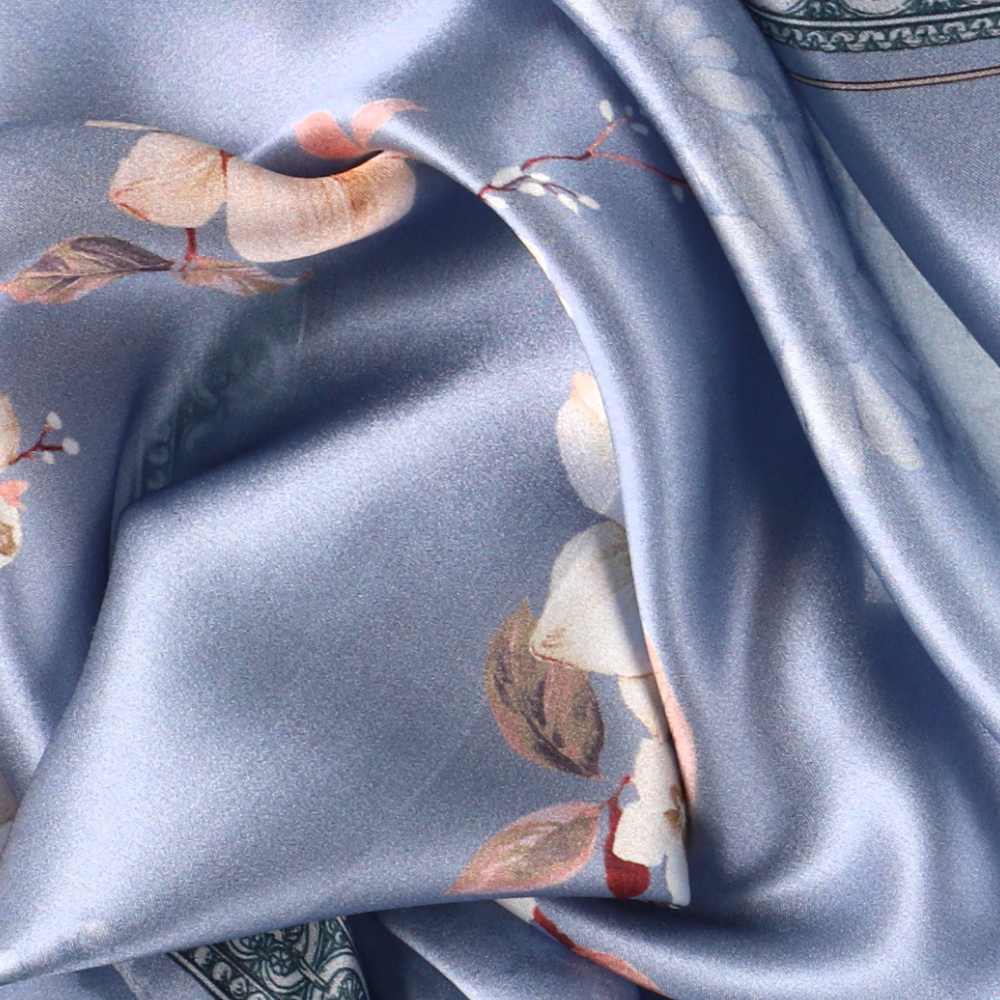
170×53 cm / 67×21 in
Silk Scarf – How to Choose and Style Silk Scarves at UniqueYou
Silk Scarves at UniqueYou: What You'll Find in This Category
This category gathers women's silk scarves and silk-blend scarves in formats designed for real, everyday styling - around the neck, on shoulders, in hair, on a handbag, or sometimes threaded through belt loops as a light accent. You'll find different shapes (square, rectangular), a range of colours from quiet neutrals to vivid hues, and prints that include floral, geometric, abstract and classic motifs. Silk scarves range from 53 cm to 110 cm squares, while long scarves typically measure around 170 × 53 cm, so there is genuine variety in proportion and purpose. The exact fabric composition is always listed on each product page, so you can sort through the collection knowing precisely what you're considering.
Types of Silk Scarf in This Collection
Silk scarves differ mainly by shape, size and the role they play in an outfit. Below are the formats you'll find here, each suited to different styles and occasions.
Square Silk Scarf for Everyday Styling
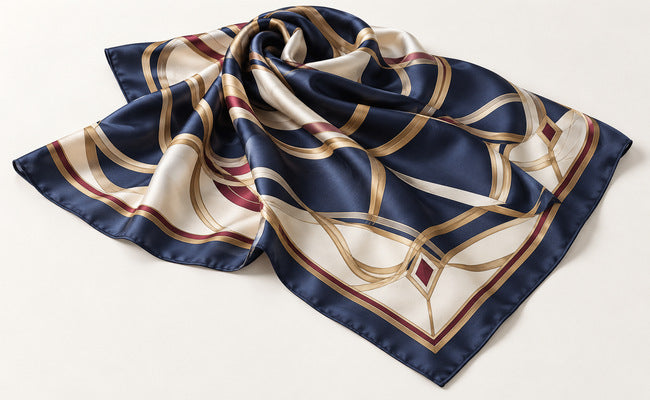
The classic square format - typically around 70–90 cm per side, with exact dimensions noted on each product page - is the most versatile starting point. A 90 cm square silk scarf is versatile for styling: it can be folded into a triangle and tied at the neck of a shirt, draped loosely over a simple T-shirt, or placed under a light coat collar for a finished look. Square silk scarves can be folded and tied in various styles around the neck, making this shape a strong choice if you want one silk scarf that works for both work and weekend. If you love prints, a medium square gives enough visible fabric for a pattern to read clearly even when knotted.
Long Rectangular Silk Scarf
Elongated models - approximately 150–180 cm in length and 40–70 cm wide - are built for wrapping once or twice around the neck with ends left to hang. They pair naturally with coats and trench coats, and the flowing ends can visually elongate the line of the body without adding bulk. A long rectangular silk scarf also works draped across the shoulders over a dress or cardigan, offering a wrap option that feels lighter than a jacket. Silk is lightweight, making it comfortable across seasons, so these longer pieces transition easily from autumn layering to summer evening cover.
Small Silk Neckerchief and Gavroche
Smaller squares - around 50 × 50 cm - serve as compact silk accents. A neckerchief tied close to the neck with a simple blouse gives a clean, slightly retro finish. The same piece works as a hair accessory (folded into a band around a ponytail or bun) or knotted on a handbag handle for a pop of color. Skinny silk scarves can be tied around the neck or used as hair accessories in a similar way. This type of silk scarf is ideal when you want only a small splash of colour or print near the face rather than a larger statement.
Large Silk Scarf for Covering Shoulders
Larger silk scarves - those with dimensions generous enough to sit comfortably across the back and upper arms - work as lightweight wraps for family celebrations, evenings out, or summer events when you want cover without the weight of a jacket. Larger square silk scarves can be used as shawls or wraps, and in some cases, larger scarves can be fashioned into tops for events. Before buying, check the listed measurements to confirm how much of the shoulders and back the scarf will actually cover - photos can be misleading on scale.
What to Look For in a Silk Scarf
Beyond the word "silk" on a label, several details change how a silk scarf behaves and looks in everyday wear. The subsections below cover the attributes worth comparing before you choose.
Fabric Composition and Feel
Some scarves in this collection are 100% silk - often made from high-quality mulberry silk, which produces a smoother, more refined fibre - while others combine silk with additional fibres. Silk is a natural protein fiber that helps regulate body temperature: it feels cooler in warmth and offers modest insulation when layered with coats. Silk naturally resists dust mites, fungus, and mold, making it hypoallergenic, though individual sensitivity to dyes or finishes can vary. The exact composition is listed for each model at UniqueYou, so compare a few and choose the one that matches how and when you plan to wear the scarf - mainly indoors at work, with heavy outerwear, or as a summer accessory.
Size and Proportions
Check dimensions in centimetres rather than relying on photos alone. Size directly influences styling: a small silk scarf produces a compact knot near the neck; a middle-sized square gives a visible triangle over the chest; a long scarf creates flowing ends beneath a coat. Think about specific clothes in your wardrobe - the width of your coat lapels, the depth of your shirt collar, the neckline of your favourite dress - and compare them mentally with the listed measurements. A scarf that's too narrow for wide lapels gets lost; one that's too long for a cropped jacket may look unbalanced.
Colour Palette
Colour decides whether the silk scarf becomes a calm complement or a strong accent. Concrete examples help: a beige or ecru scarf with a camel coat creates quiet harmony; a navy silk scarf with a white shirt reads crisp and professional; an intense red or fuchsia as a detail with jeans and a grey jumper becomes the focal point. Silk scarves can add a pop of color to neutral outfits without requiring a complete wardrobe change. Solid colors are easier to pair with patterned clothing, while a multicoloured print works best when at least one shade matches something you already own. Start by identifying the two or three colours you wear most often and look for scarves that either repeat or deliberately contrast with them.
Print and Borders
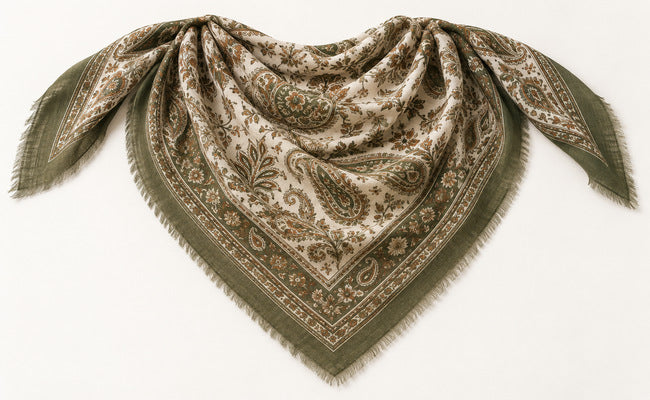
Printed designs include florals, stripes, and playful subjects - plus geometric motifs, abstract waves, and classic chain patterns. A strong printed border versus a uniform all-over print changes what is visible when the scarf is folded and tied: border prints tend to frame the knot with a defined edge, while all-over patterns give more flexibility in how you fold. For patterned clothes, a calmer print or smaller motif may be more comfortable; a bold pattern works well with simple shirts, plain dresses and solid-colour coats.
Finishing Details
Edges can be rolled, stitched flat, or finished in another way, and this affects how the silk scarf lies at the neck or on the shoulders. A rolled hem tends to create a softer, rounder edge that curves gently when draped; a flat-stitched edge sits closer to the fabric surface. Zoom in on product photos to see the finish, especially if you want a scarf to lie very flat under a jacket lapel. Avoid assuming "hand-rolled" unless it is explicitly stated in the product description.
How to Choose the Right Silk Scarf for You
A good choice starts from how and where you plan to wear the silk scarf most often. Quality silk can last for years with proper care and isn't tied to trends, so it's worth thinking through a few criteria before you add one to your wardrobe.
Where you'll wear your silk scarf most often - Work outfits with shirts and blazers favour medium squares or small neckerchiefs that sit neatly at the collar. Outerwear - coats, trench coats - often works best with longer scarves or larger squares that have the length to wrap and drape.
How visible you want the scarf to be - A narrow band of silk close to the neck is discreet; a wide triangle or flowing ends become the main accent. Silk scarves can enhance the visual interest of outfits even at a small scale, so decide how much of the look you want the scarf to carry.
Preferred colours and prints - Neutral, easy-to-pair shades (beige, navy, black, grey) work across most wardrobes. More expressive colours or patterns create a focal point. Silk scarves can introduce color and pattern without a complete wardrobe change, making them a low-risk way to experiment.
Season and layers - In colder months, silk scarves provide warmth and protection against wind when layered under coats. Silk can be layered easily with other clothing in different weather conditions. In warmer seasons, a silk scarf can replace jewellery at the neckline or be tied in hair.
Planned styling uses beyond the neck - If you want to tie the silk scarf on a handbag handle or as a belt, look for dimensions that make knotting comfortable - not too short, not too bulky. Silk scarves are versatile accessories for various occasions, and the right proportions expand those options.
How to Wear and Style a Silk Scarf
A silk scarf can work on any day - commuting, at the office, at dinner - and even small changes in tying or placement shift its effect. Silk has a natural luster that enhances the appearance of outfits, so the fabric does some of the work for you. Below are concrete ways to wear one.
With a Coat or Jacket
Drape a long silk scarf along a classic wool coat: fold it once around the neck with ends hanging down in front, or place it loosely on the shoulders under the lapel. Check that the width of the scarf suits the width of the lapels - a scarf wider than the lapel may bunch. Two styling moods to try: tone-on-tone (grey silk scarf with a grey coat, letting texture do the talking) and contrast (a patterned silk scarf on a plain black coat, where the print becomes the outfit's main detail). Silk scarves add a layer of style without adding bulk, which matters under structured outerwear.
With Shirts, Blouses and Blazers
A medium square silk scarf folded into a band and tied at the front or side works with a white shirt and elevates a simple look quickly. A small silk neckerchief placed at the base of the neck - where you'd leave the top button open - adds color without competing with the collar. Between blazer lapels, a silk scarf can replace a necklace entirely: tuck it neatly so only a sliver of fabric and print shows. This is practical, easy to adjust mid-day, and pairs with most women's workwear.
With Dresses, Sweaters and Jeans
Three ideas to start from: a larger silk scarf on the shoulders over a sleeveless dress for a summer event; a small printed silk scarf with a simple crew-neck jumper, adding interest at the neckline; a bold silk scarf with jeans and a basic T-shirt, where the scarf becomes the look. The size of the neckline - V-neck, round, boat - influences whether you tie the scarf tighter or leave it looser. Match one colour from the scarf print to the dress or knitwear for a coherent outfit, or choose a deliberate contrast to add energy.
In Hair and on Accessories
Silk's smooth texture is gentle on hair, preventing tangling and frizz, so using a silk scarf as a hair accessory has a practical benefit beyond style. Tie a small square around a ponytail or bun, or fold it into a band and wear it like a headband. Silk minimizes friction, preventing hair breakage and skin irritation - a real advantage over rougher fabric ties. Silk scarves can be styled as bag accents to enhance everyday bags: knot a scarf on a handbag handle with a single knot and loose ends, or wrap the full handle for a bolder effect. Some longer, narrow scarves can be threaded through belt loops of jeans, provided the size fits comfortably.
Caring for a Silk Scarf
Proper care helps a silk scarf keep its colour and shape for years. Silk scarves should be cared for according to their care label to maintain quality - that label is always the first thing to read.
Reading Care Labels
Each silk scarf at UniqueYou comes with care symbols indicating whether hand washing, delicate machine washing, or professional cleaning is recommended. Check the label before the first wash and follow those instructions rather than assuming all silk is treated the same way. High-grade mulberry silk is strong and long-lasting with proper care, but dyes, blends and edge finishes can change what's safe.
Everyday Care and Storage
Air the scarf after wearing, especially if it has been in contact with perfume or perspiration. Avoid sharp jewellery, rough zippers or anything that could snag the fabric. Use cool water and pH-neutral detergent for washing when the label permits it. Avoid wringing silk scarves; press water out with a towel instead, and dry silk scarves flat away from direct sunlight, which can fade colour. Iron when slightly damp on a low setting, on the reverse side or with a press cloth. Store scarves loosely folded or rolled to prevent damage - avoid sharp creases that could become permanent. Professional cleaning is recommended for dry clean only scarves, and when in doubt about a stain, it's safer to consult a specialist than to experiment at home. Silk's natural properties help maintain skin moisture without absorption, so the fabric stays pleasant against the skin even with regular wear.
Frequently Asked Questions About Silk Scarves
Below are answers to the questions shoppers most often ask when choosing silk scarves from this collection.
Which silk scarf size is the most versatile for everyday wear?
Medium square formats - around 70–90 cm per side - usually offer the most options. They work tied at the neck with shirts, casual with T-shirts, and layered under coats. A 90 cm square silk scarf is a versatile gift option for the same reason. Always check the exact centimetre dimensions on the product card, since even a 10 cm difference changes how the knot sits.
How do I choose a silk scarf that suits my wardrobe colours?
Identify two or three colours you wear most often - black, navy, beige, for example - and look for silk scarves that repeat one of these shades or complement them. A multicoloured print where at least one colour matches a favourite coat, handbag or pair of trousers will integrate easily. Silk scarves can add color to simple outfits, so even a bold palette works if it connects to at least one piece you already love.
Can I wear a silk scarf all year round?
Yes. Silk scarves are versatile accessories for various occasions and seasons. In cooler weather, they layer under coats and jackets, providing warmth and protection against wind. In warmer months, they serve as light neck accessories, hair scarves or handbag accents. A well-chosen silk scarf can remain a wardrobe staple across seasons - comfort depends on personal preference and how many layers you're wearing.
Are all silk scarves in this category 100% silk?
The category includes scarves made from silk and sometimes silk-blend compositions. The exact material is always listed on each UniqueYou product page. If you are specifically looking for a 100% silk model, check the description before purchasing. Silk scarves are often made from high-quality mulberry silk, but blends can offer different textures and price points.
Is a silk scarf a good gift idea and how to choose one?
A silk scarf is a practical gift because it doesn't require knowing the recipient's clothing size. Safe choices include neutral colours, classic prints, and mid-sized squares that can be worn in many ways. Consider how the recipient usually dresses - more formal shirts and blazers suggest a refined print and restrained colour, while casual cardigans and jeans open the door to bolder patterns. Silk scarves have versatile styling options for different occasions, which makes them appreciated across personal styles.
Browse Silk Scarves at UniqueYou
Choosing a silk scarf starts with thinking about how you want to wear it most often and which colours feel closest to your style. Browse the silk scarf collection at UniqueYou, compare sizes, prints and compositions on each product page, and pick a model to pair with a specific coat, dress or your favourite jeans. The right scarf is the one that fits naturally into your day - not an abstract luxury, but a working part of your wardrobe.
FINEST MATERIALS
Softness, comfort and attention to detail.

Express Delivery
Within 24 hours by courier to your home or a pickup point.
EASY RETURNS
Shop with confidence, with the option to return.
SECURE PAYMENTS
Choose your preferred payment method.