
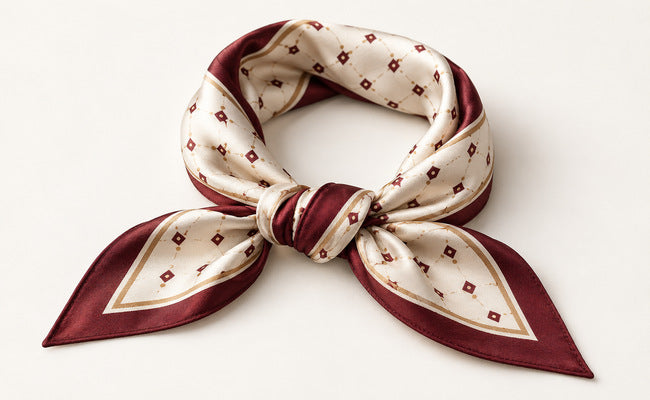

Shawls
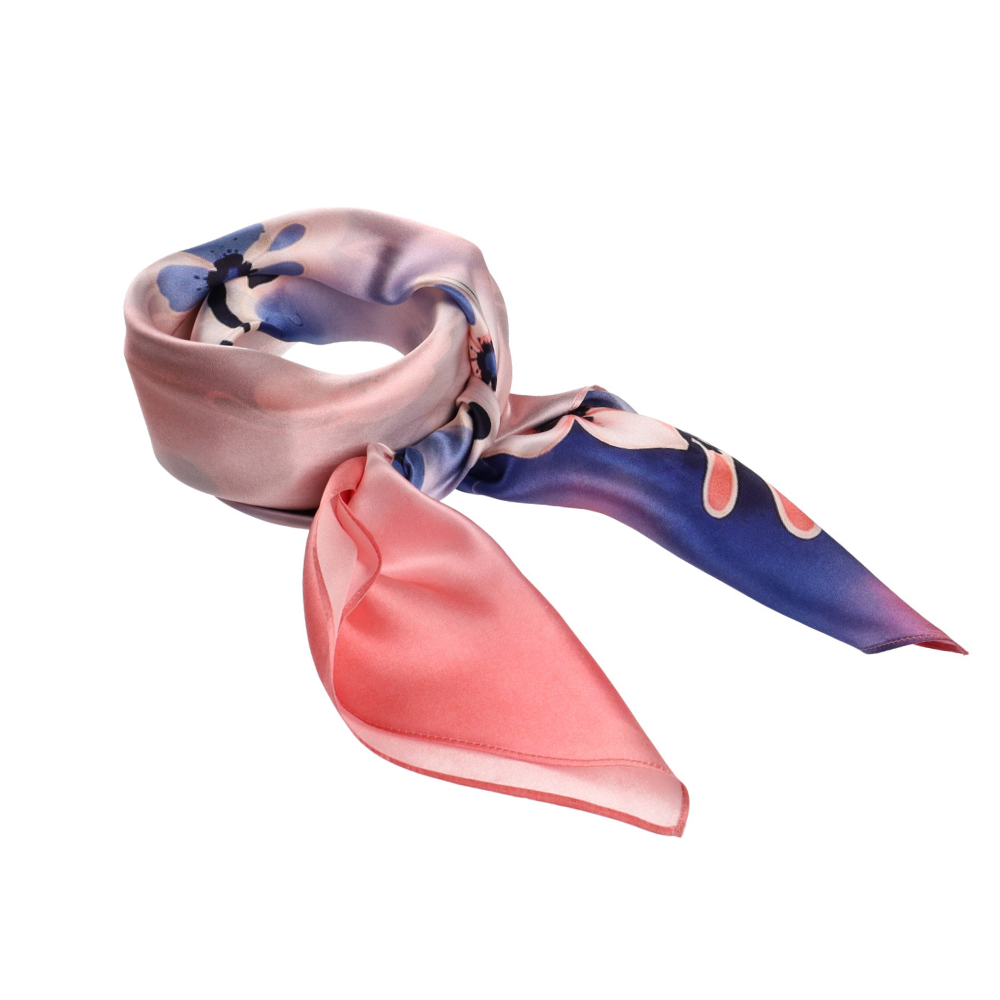
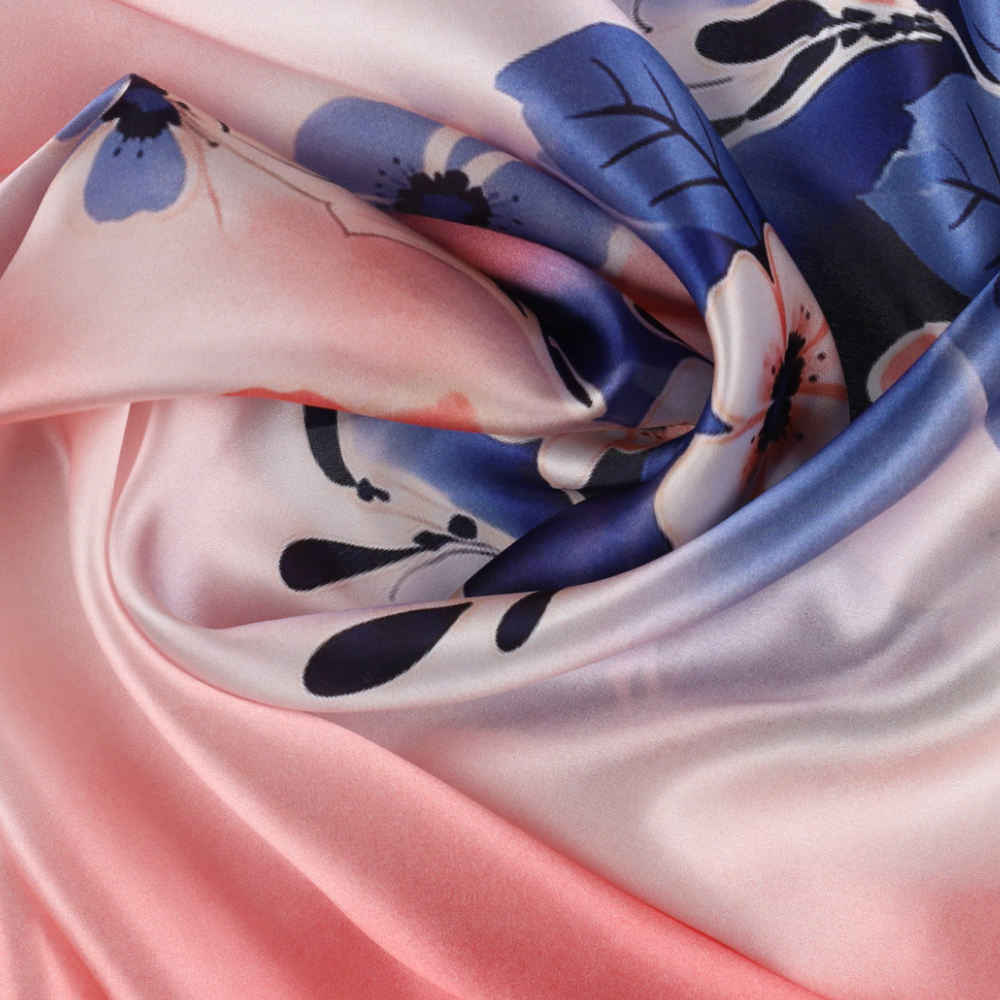
90×90 cm / 35×35 in
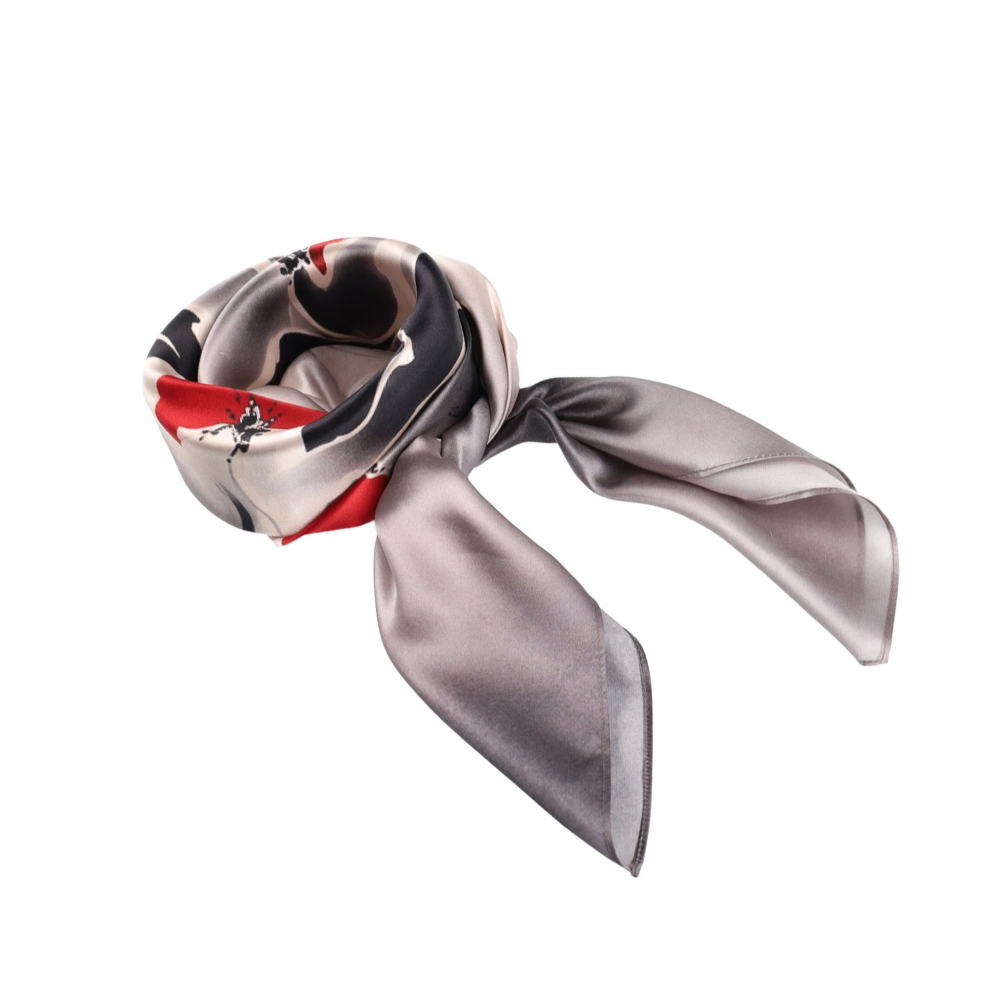
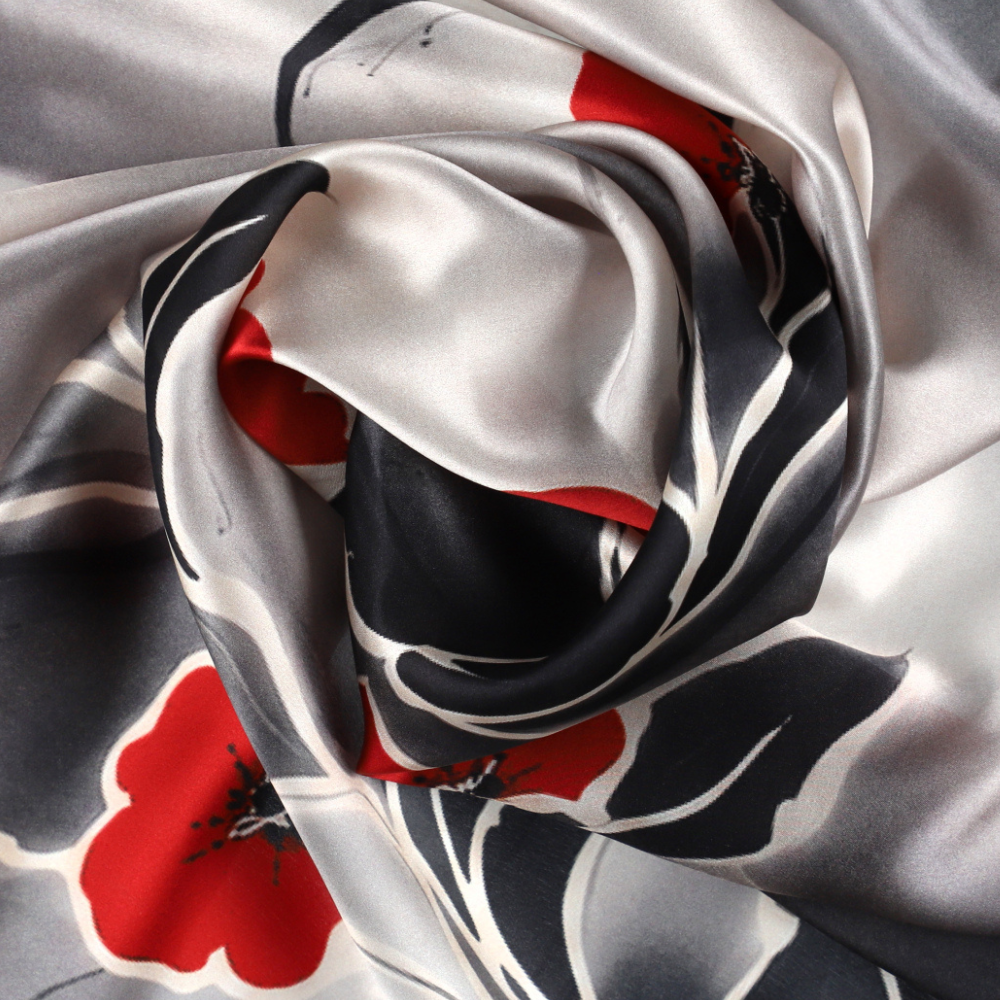
90×90 cm / 35×35 in
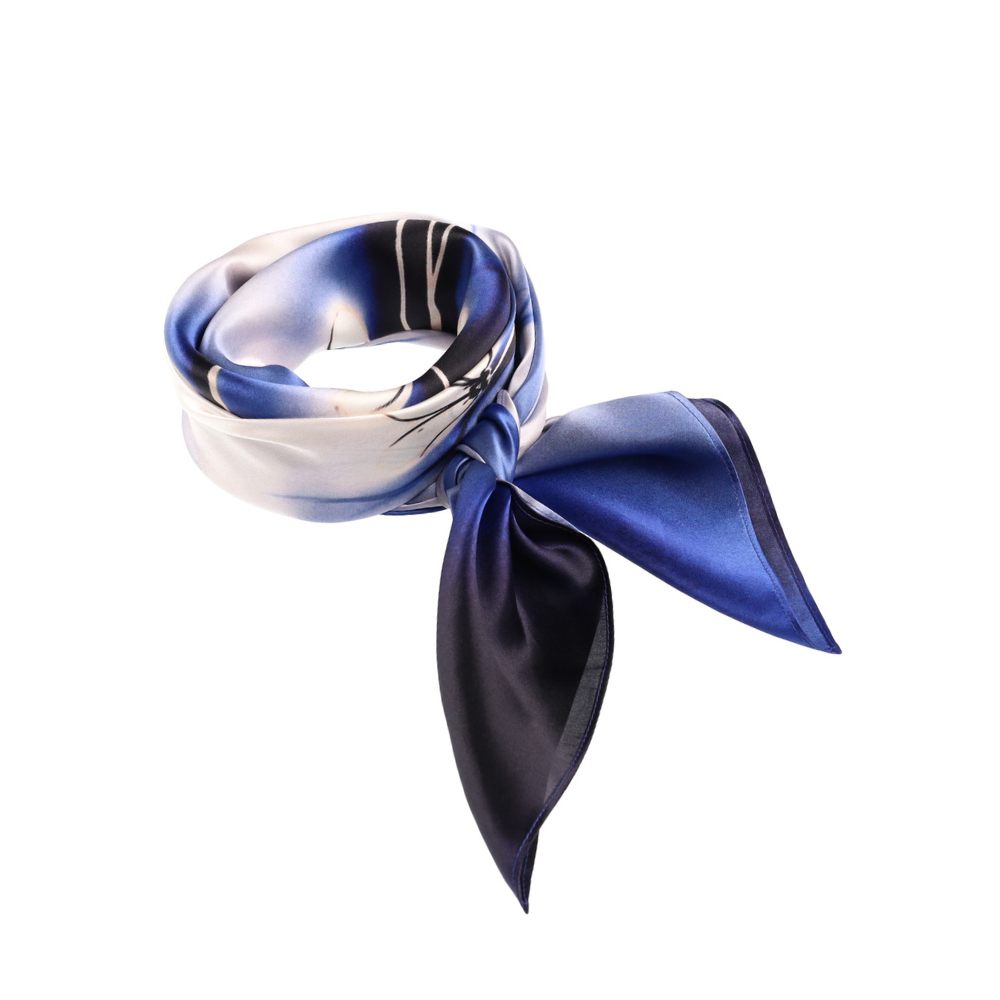
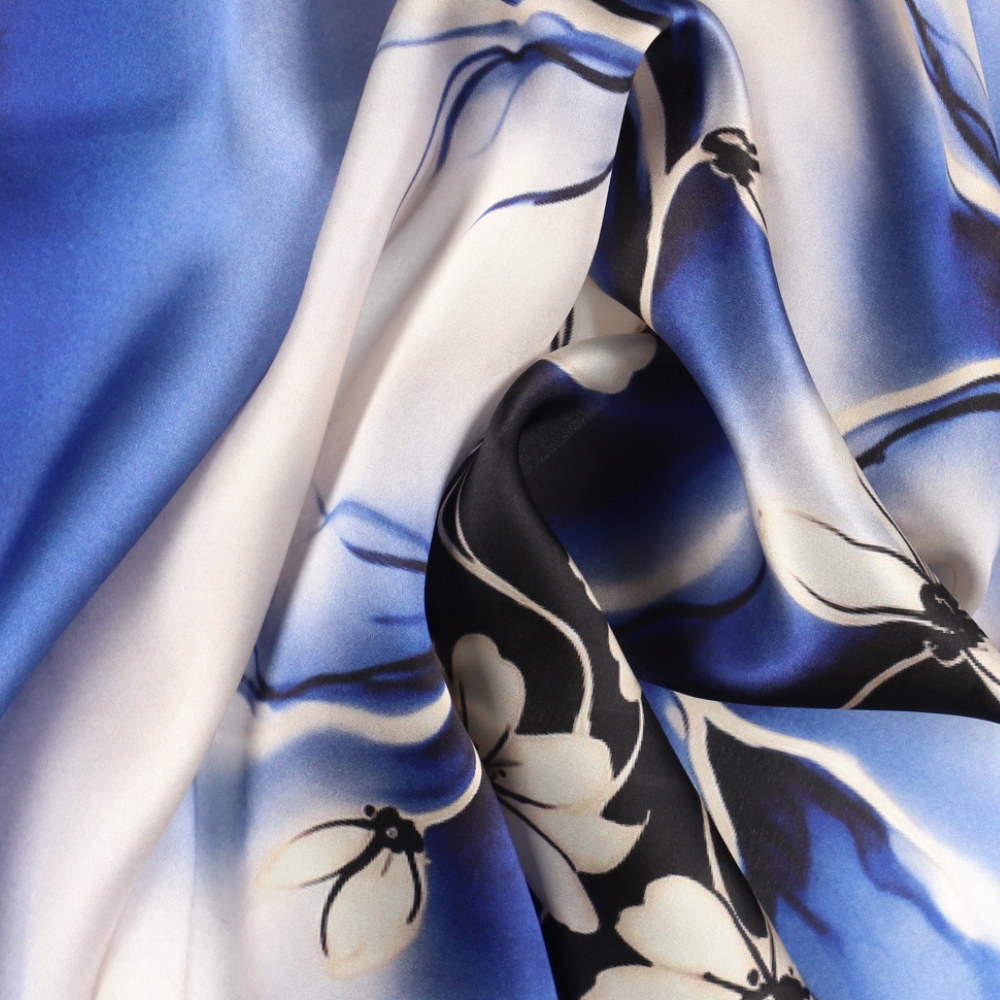
90×90 cm / 35×35 in
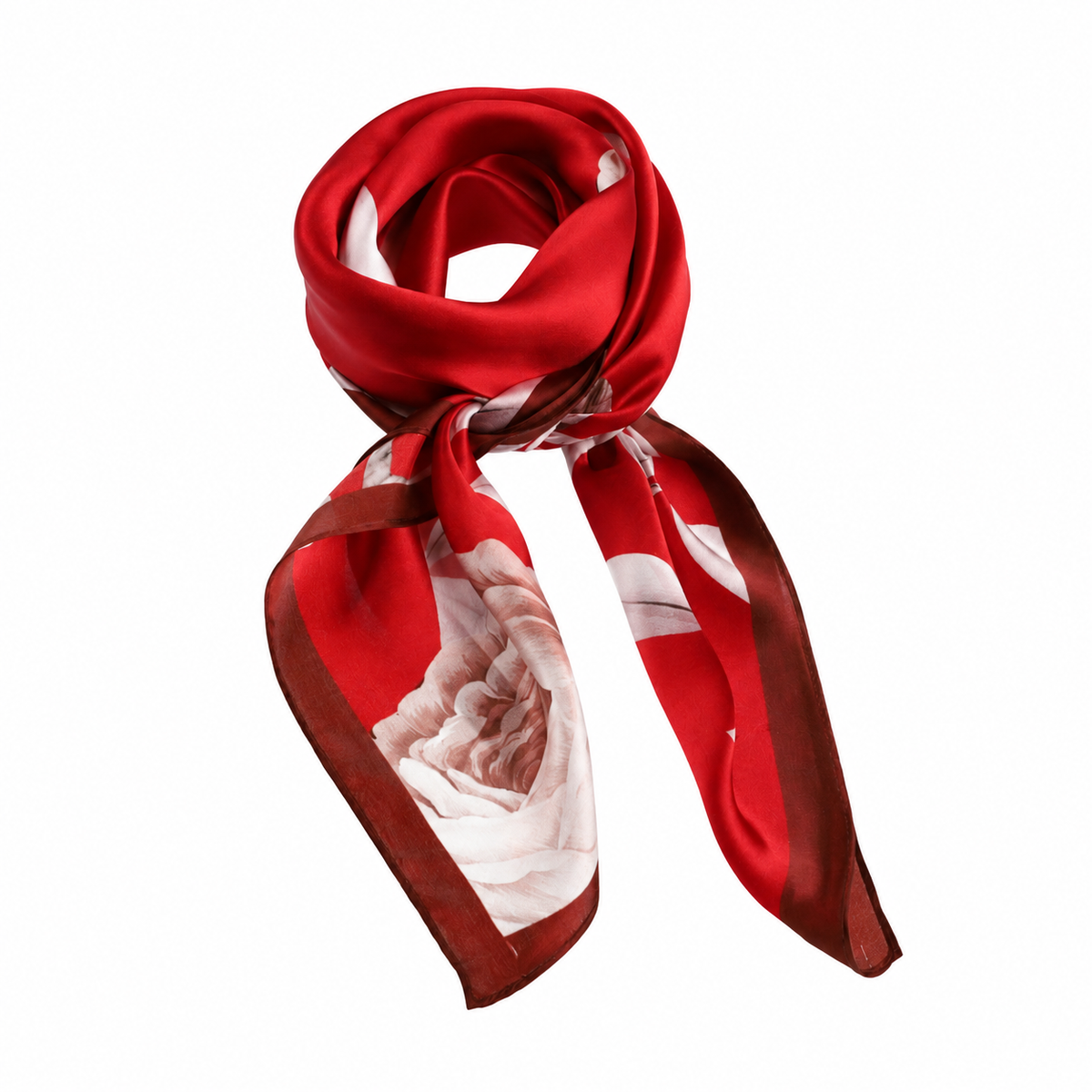
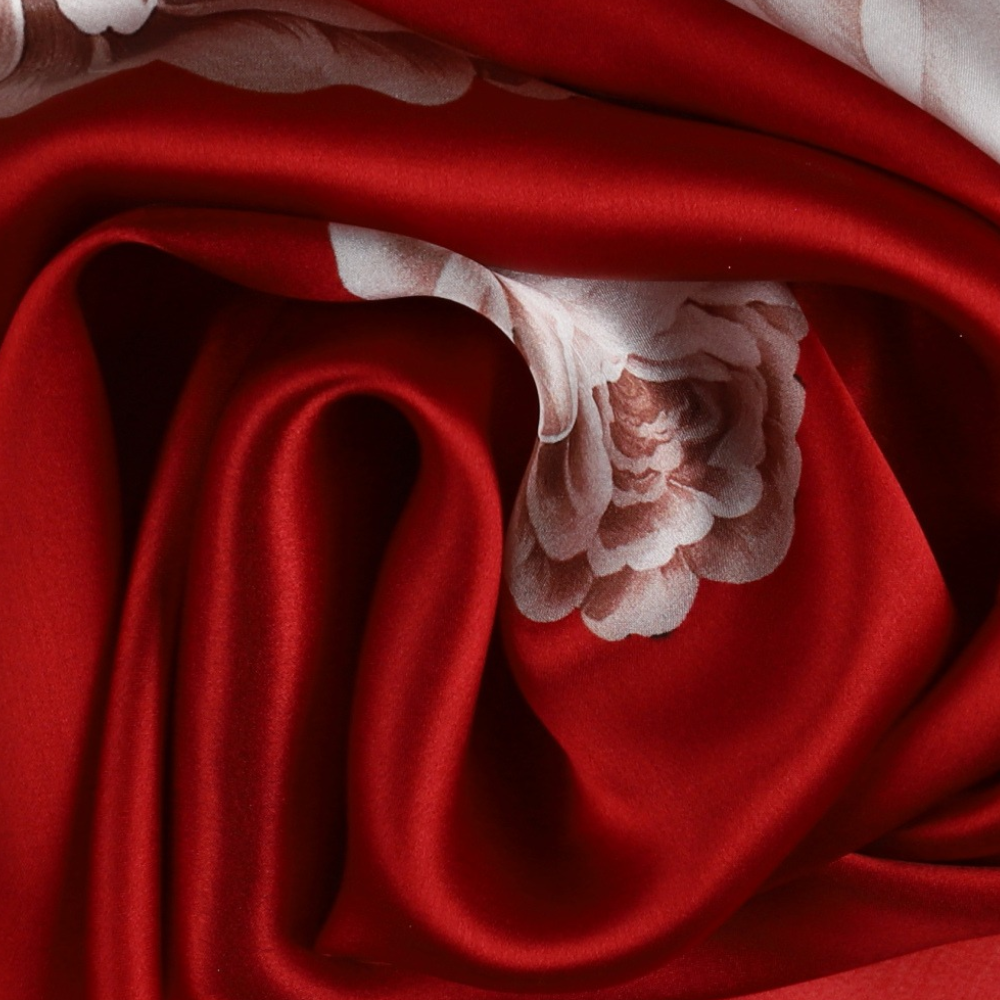
90×90 cm / 35×35 in
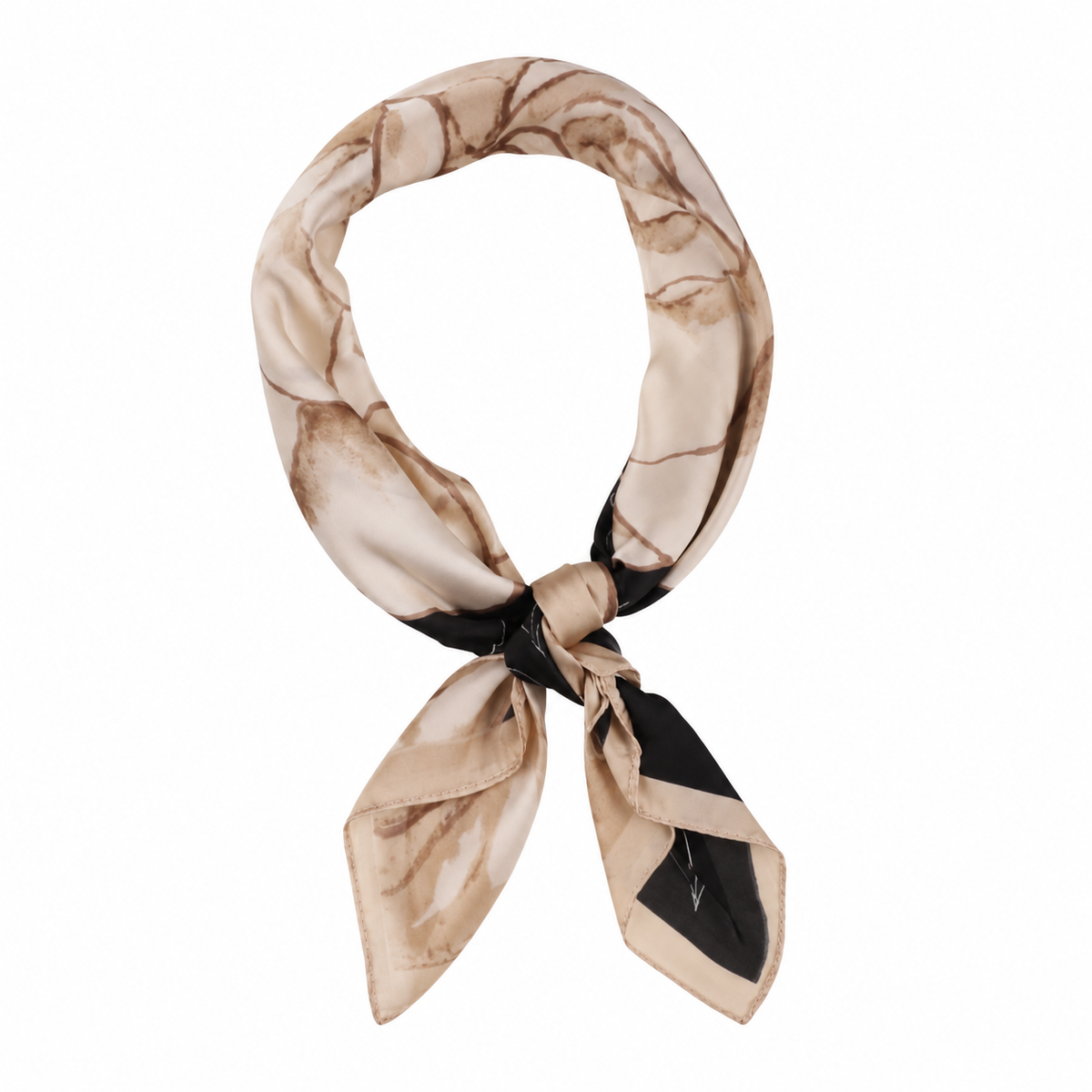
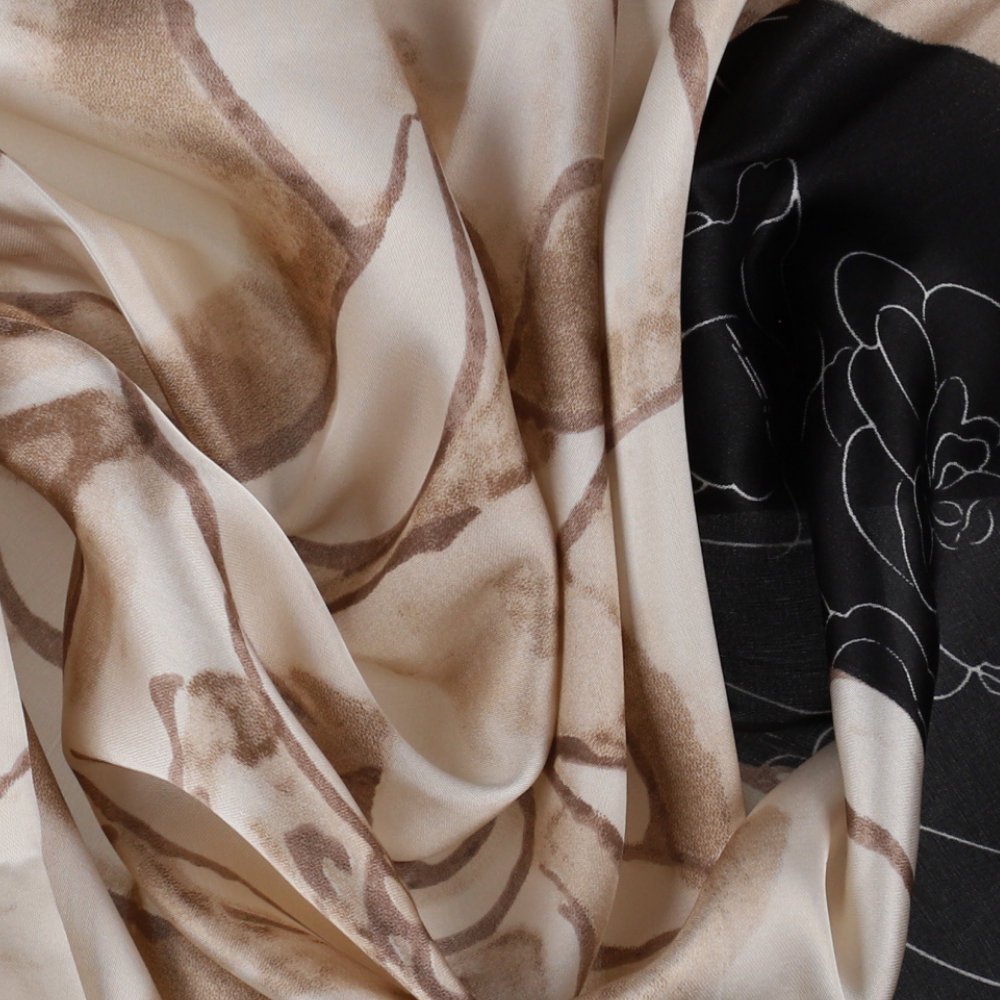
70×70 cm / 28×28 in
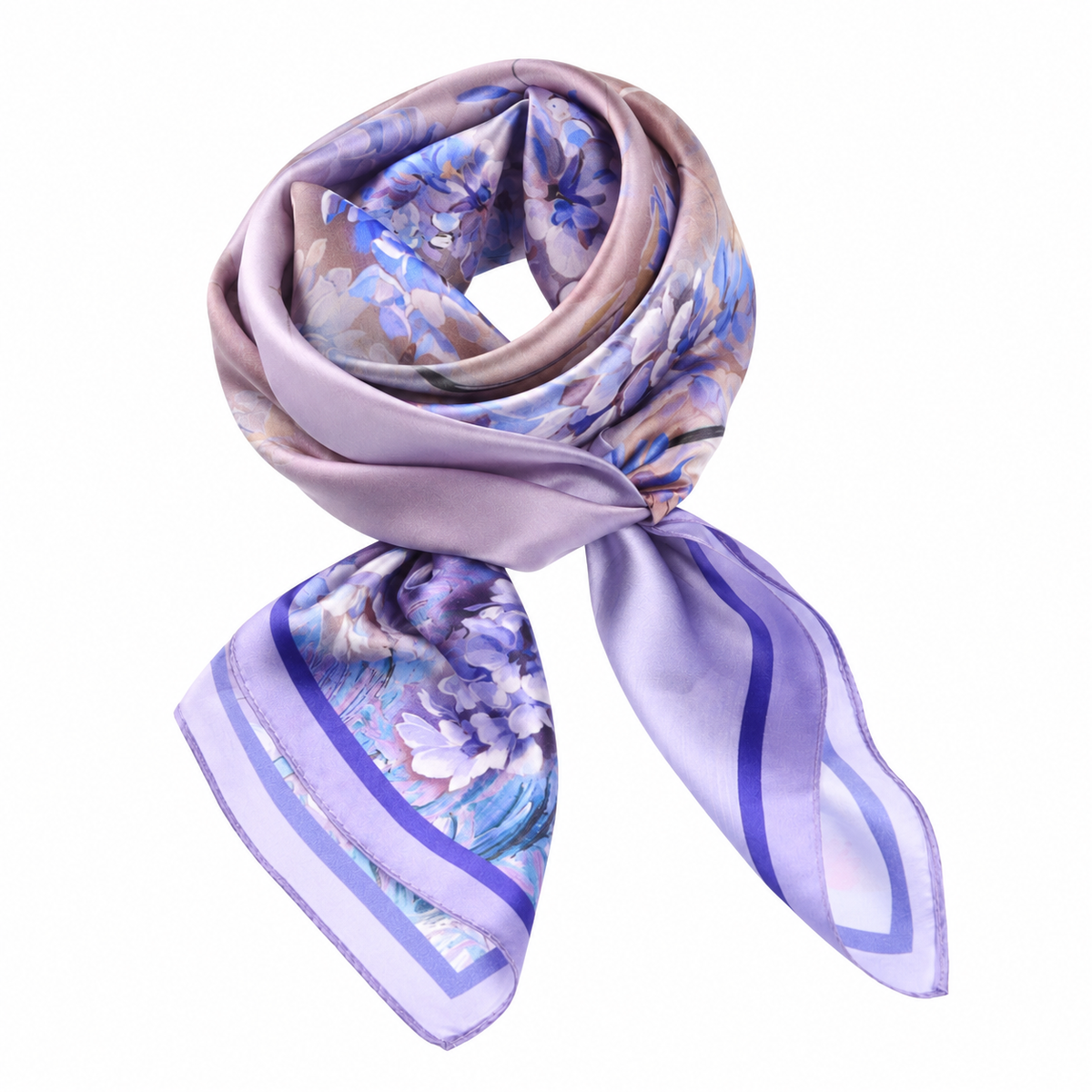
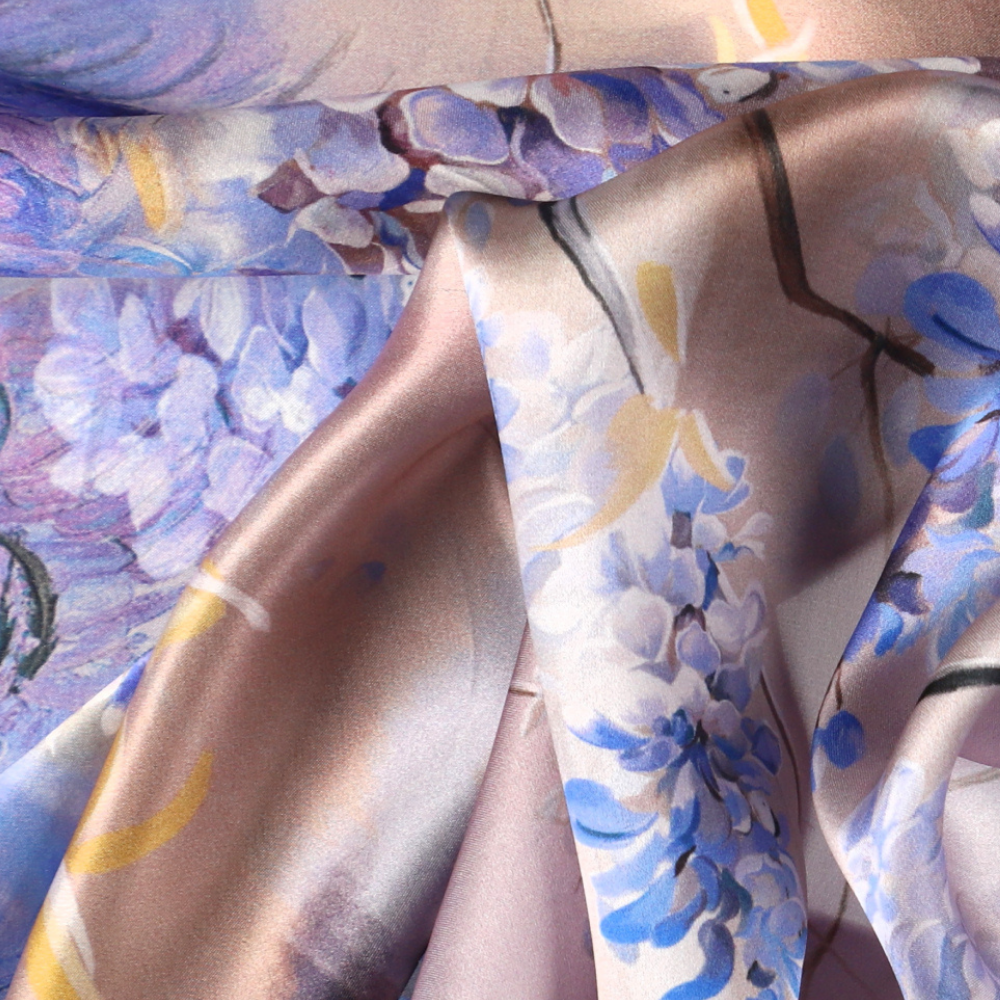
90×90 cm / 35×35 in
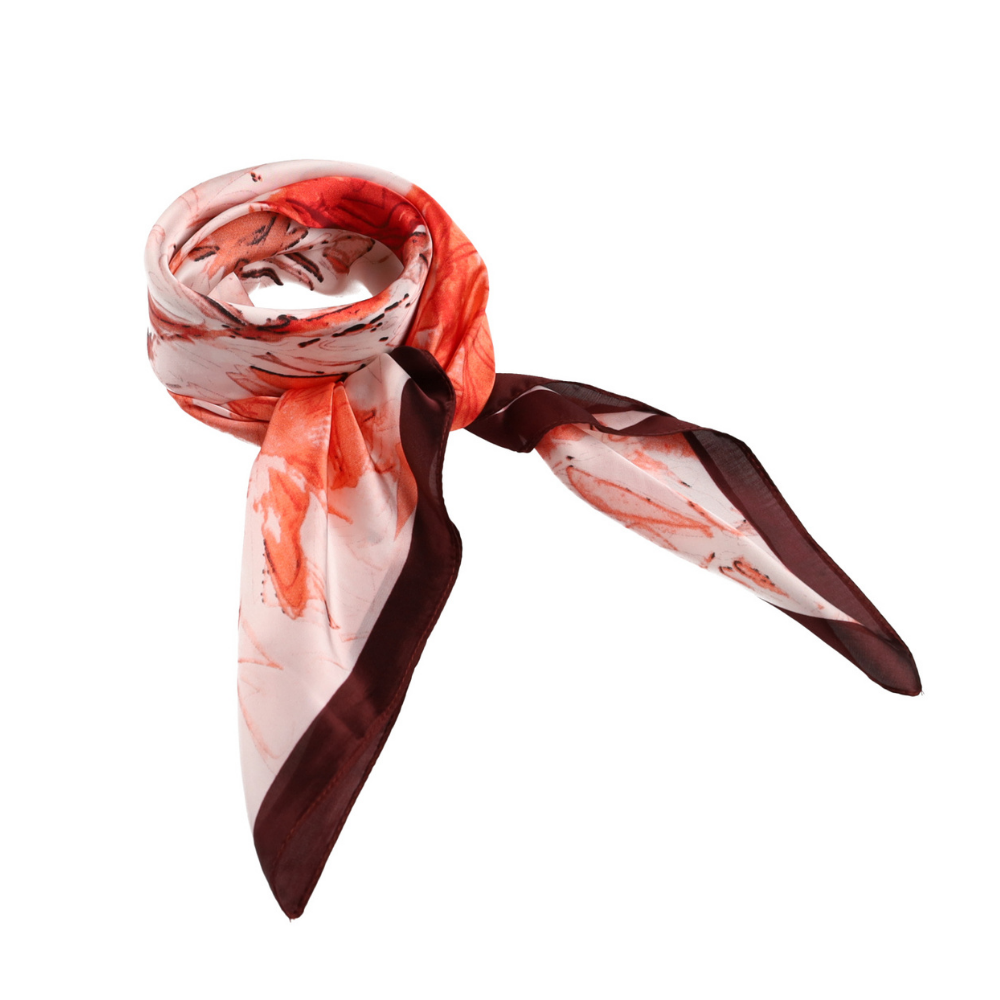
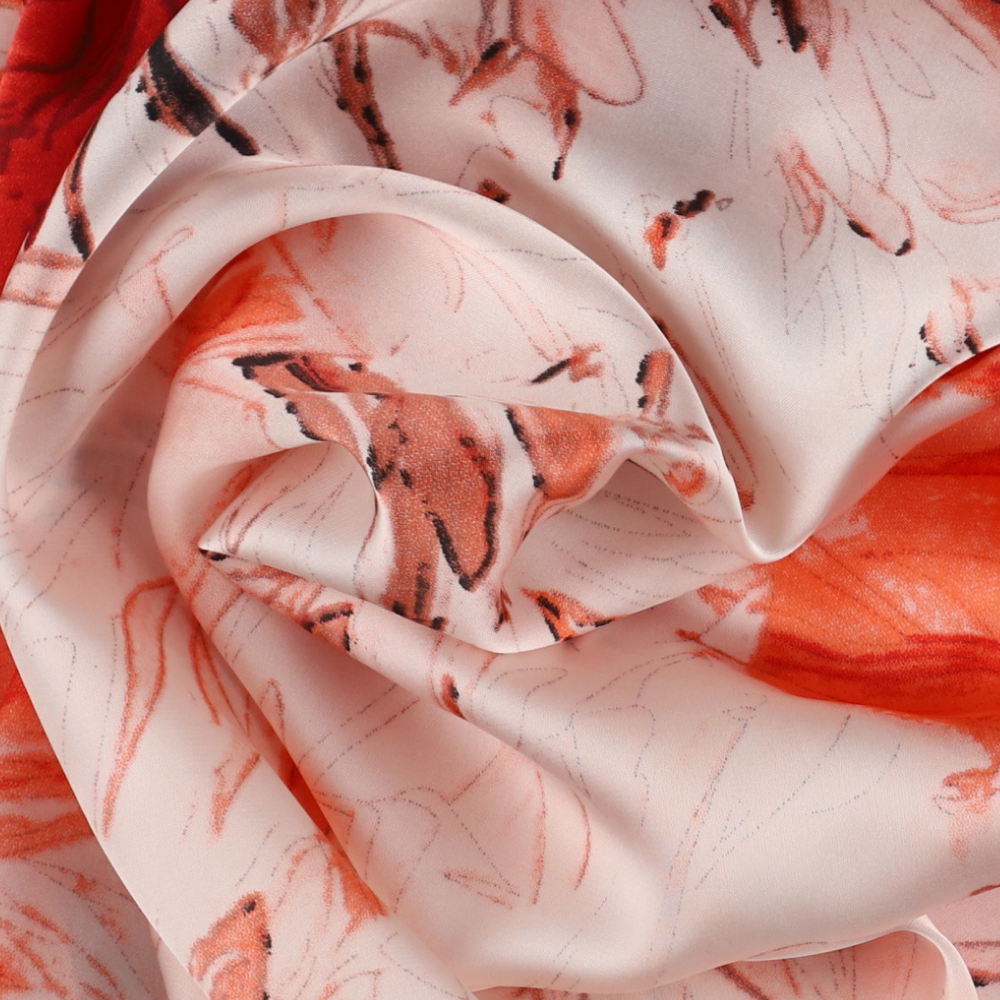
90×90 cm / 35×35 in
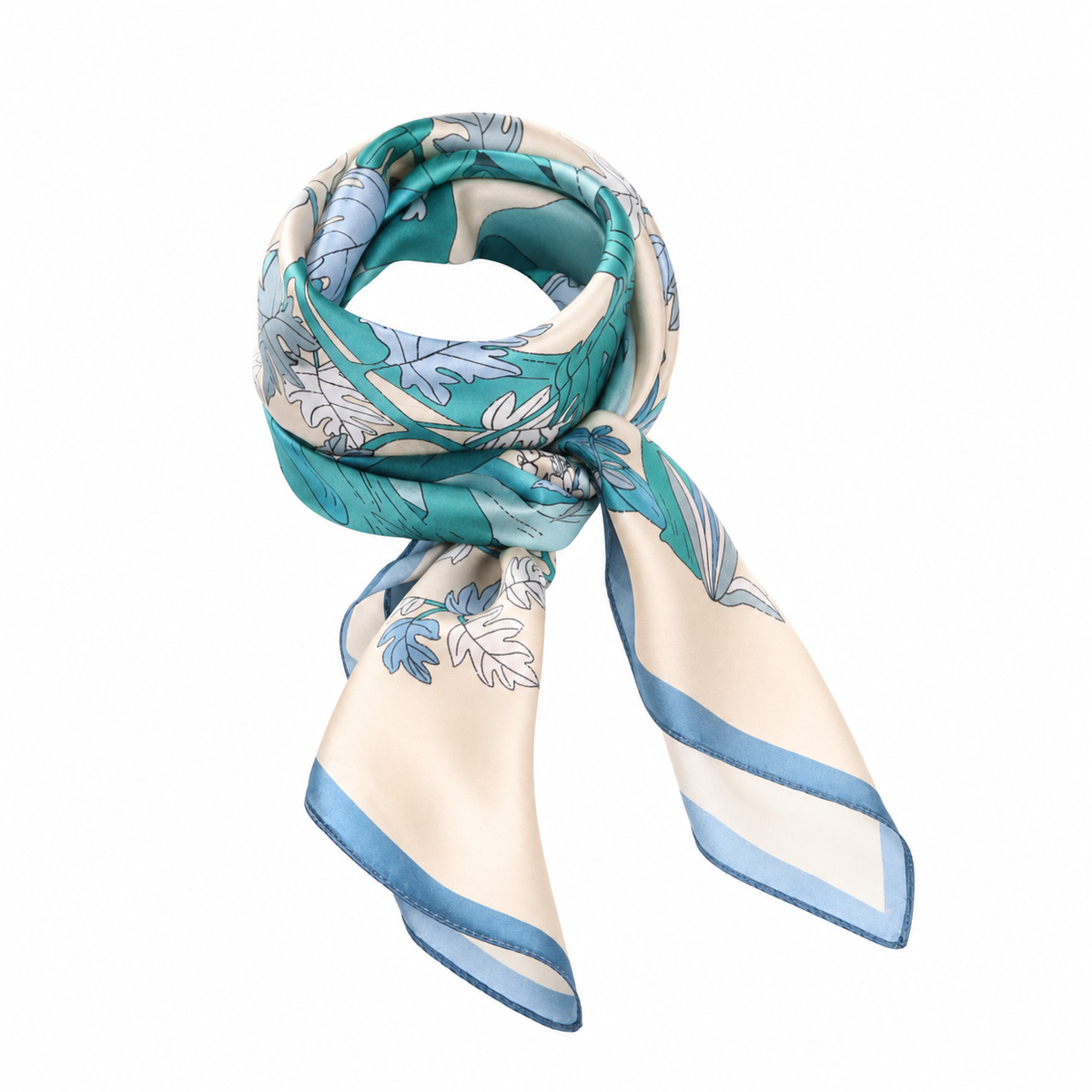
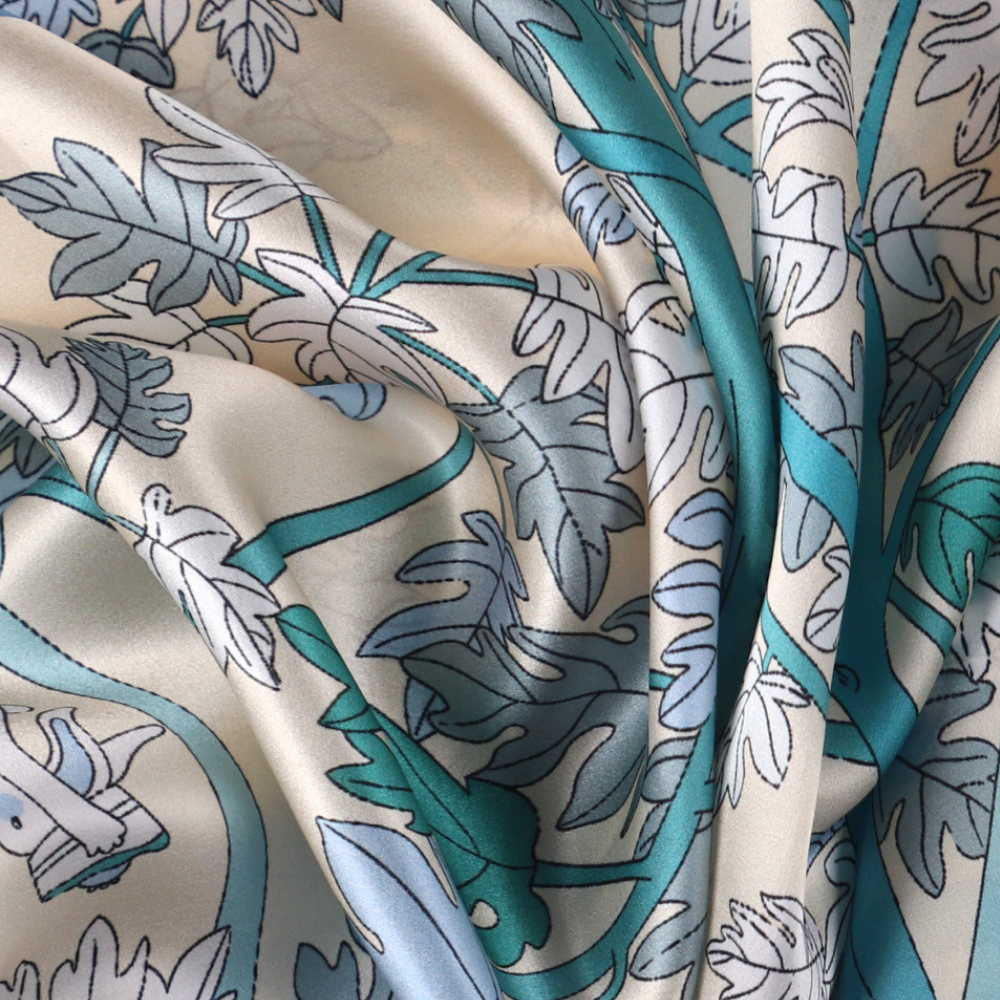
90×90 cm / 35×35 in
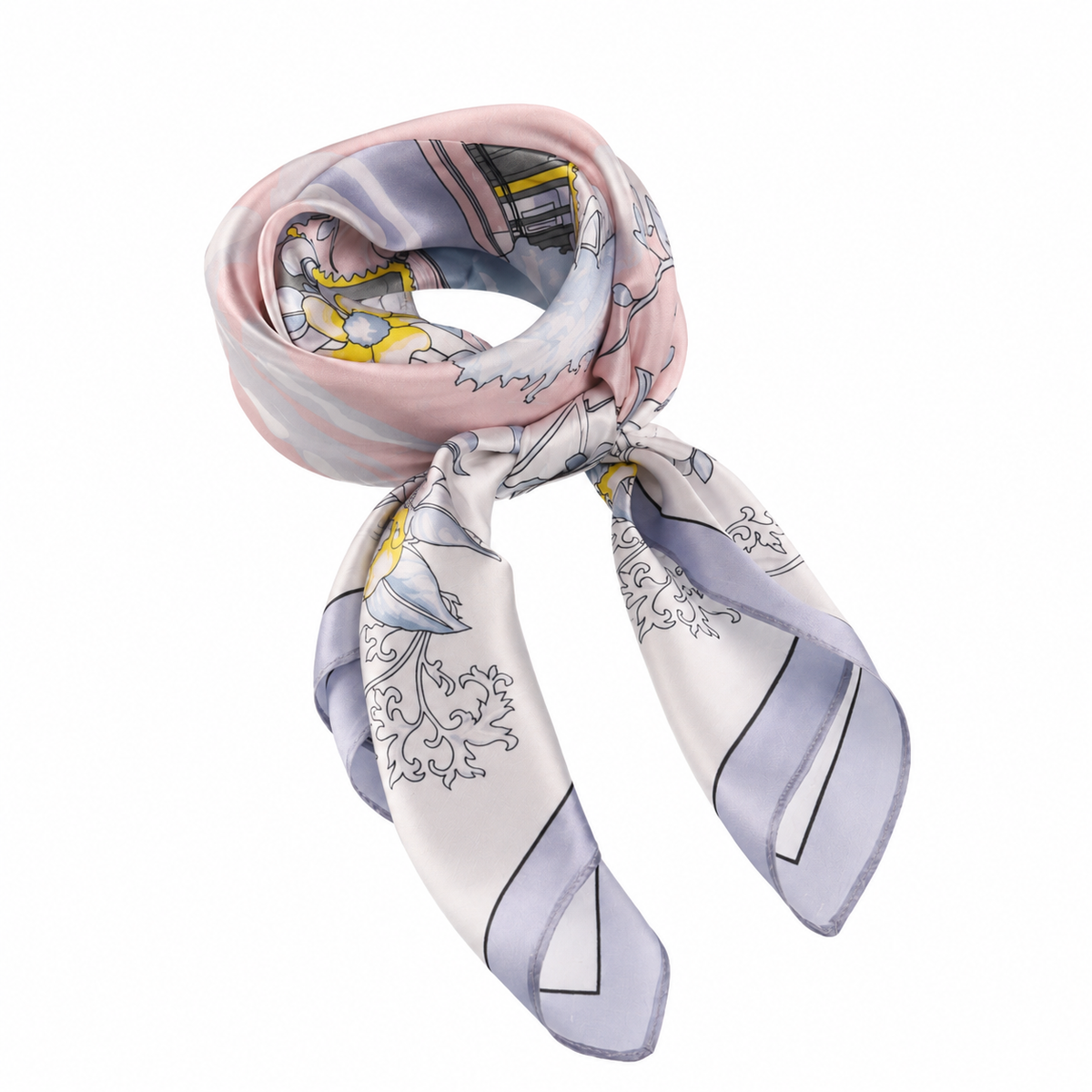
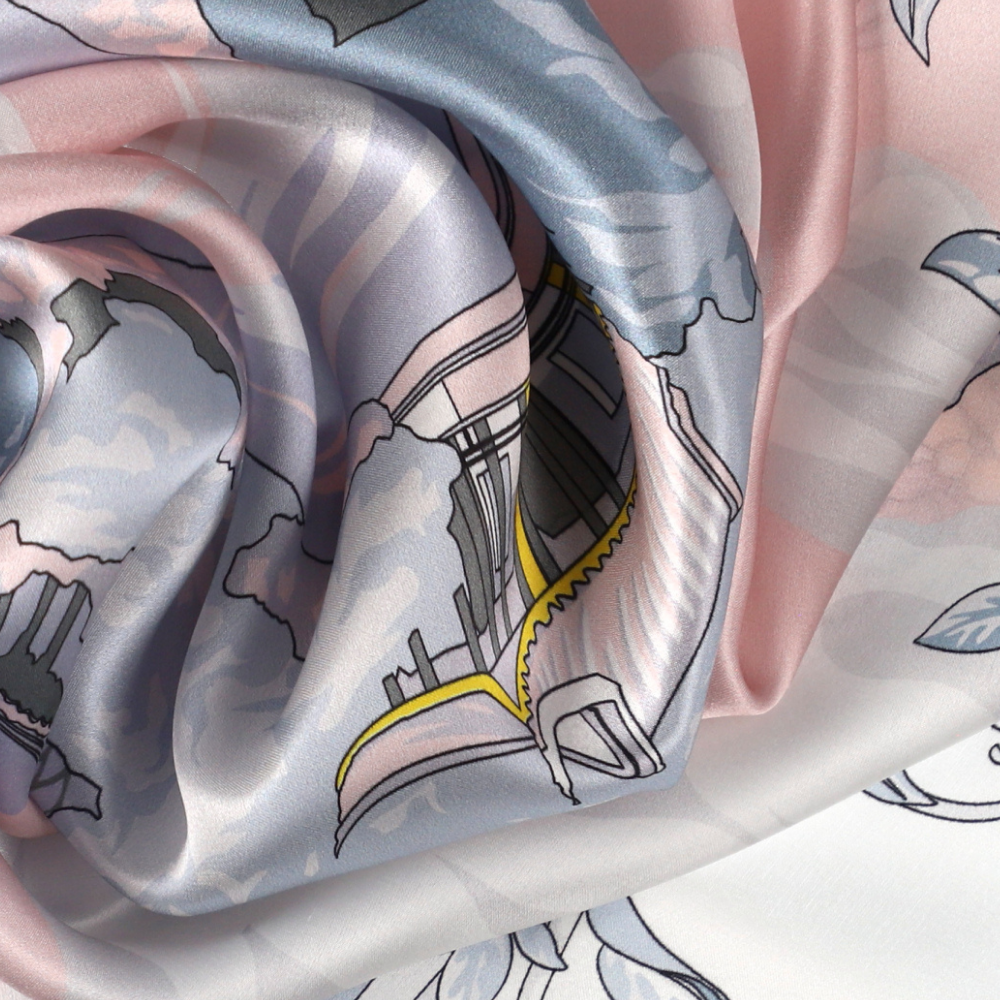
90×90 cm / 35×35 in
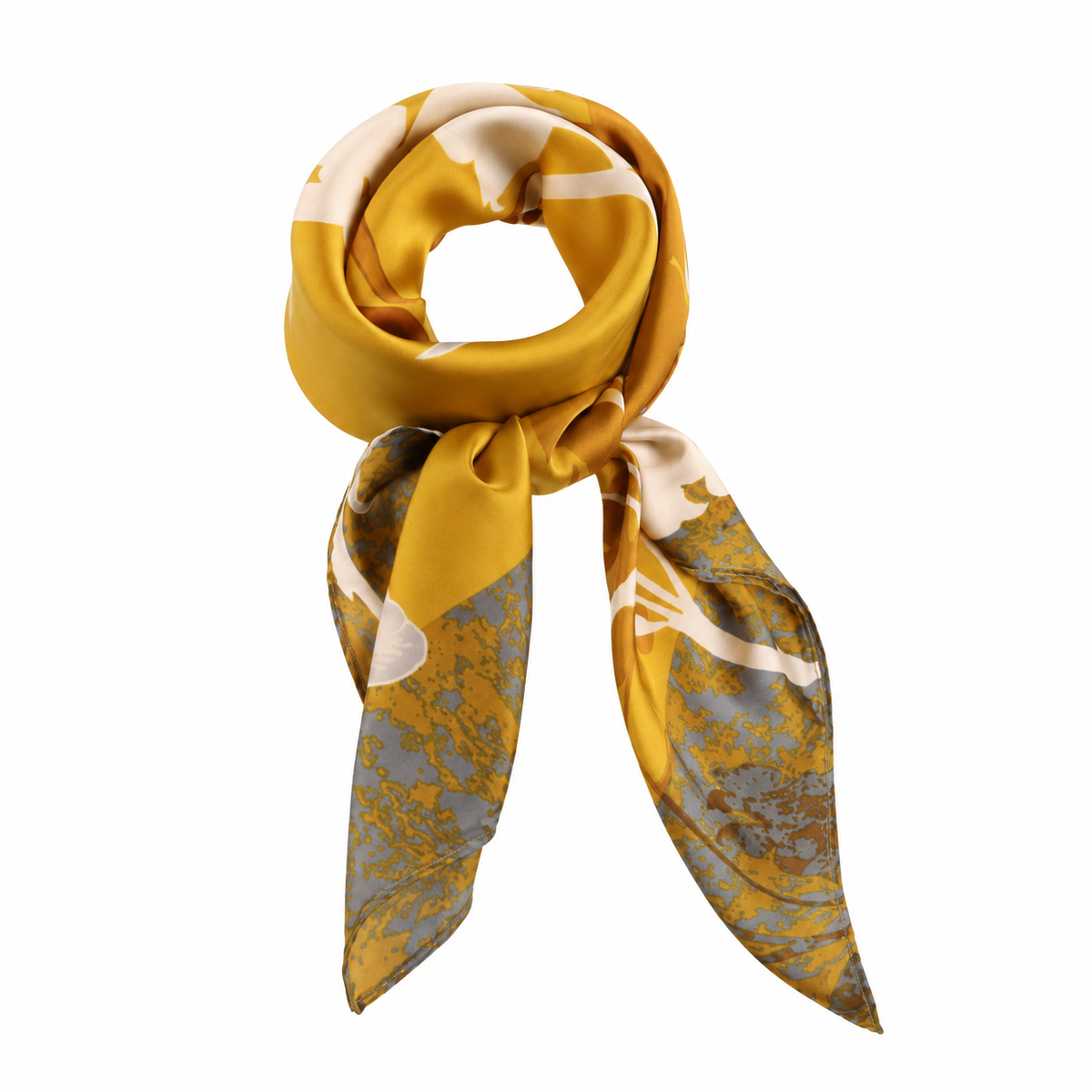
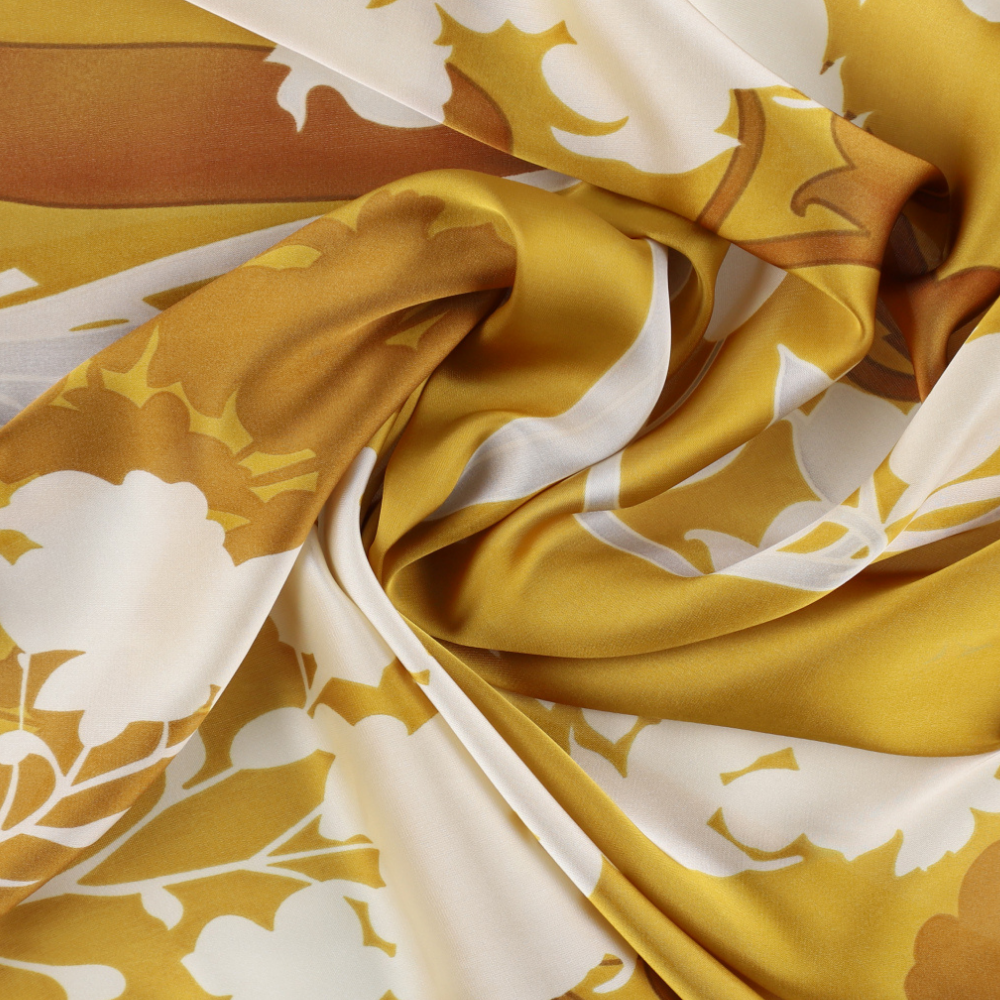
90×90 cm / 35×35 in
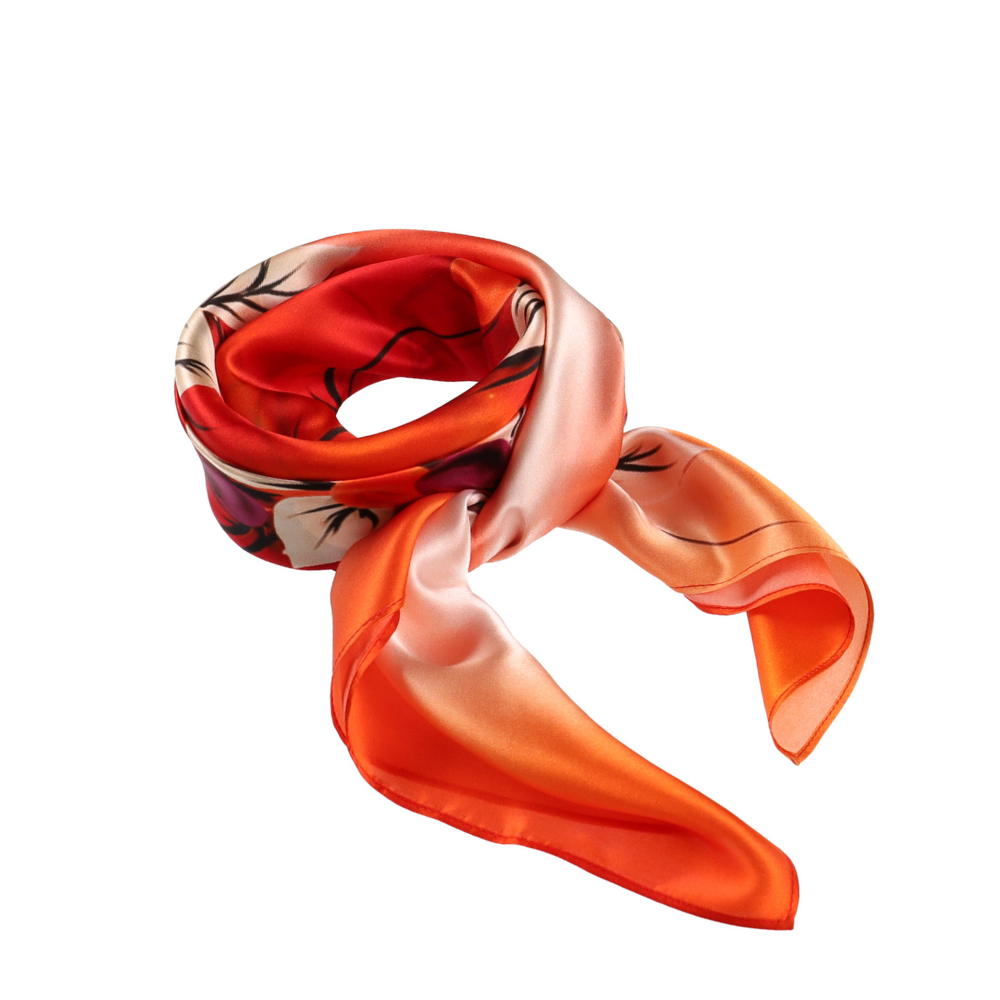
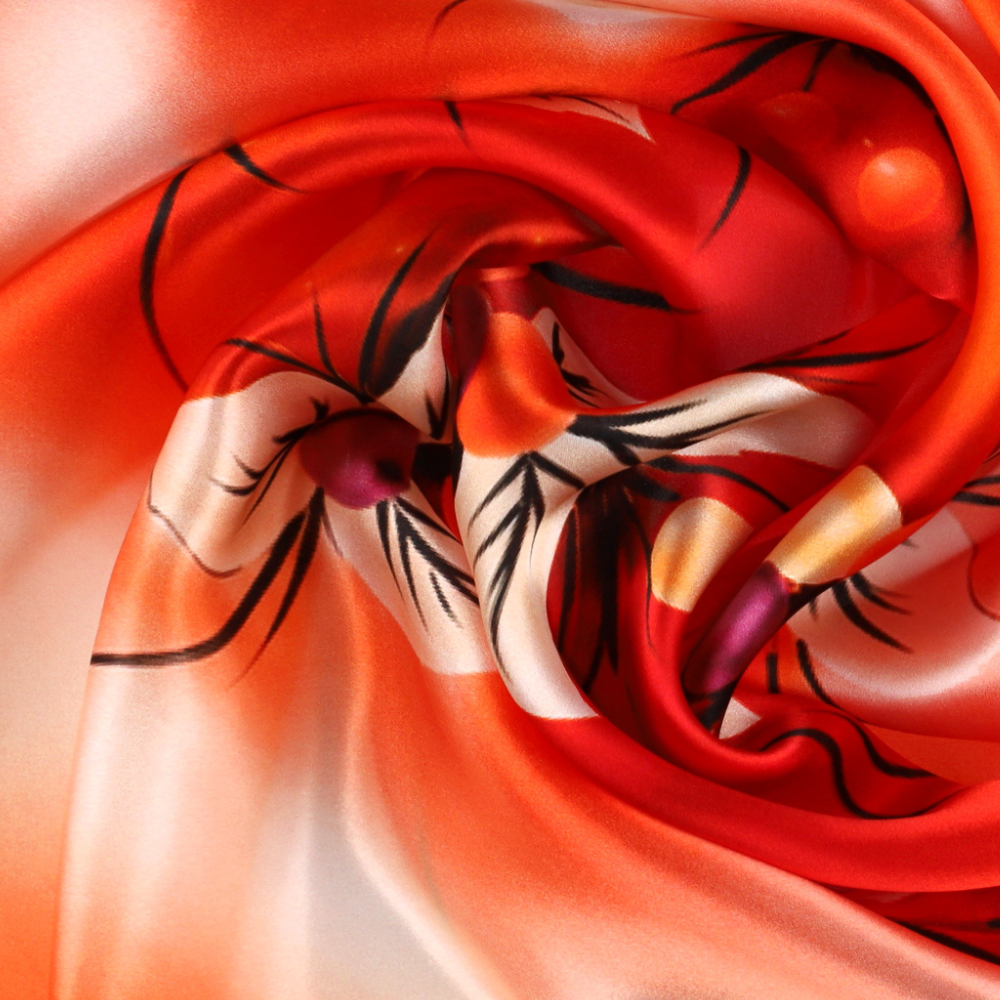
90×90 cm / 35×35 in
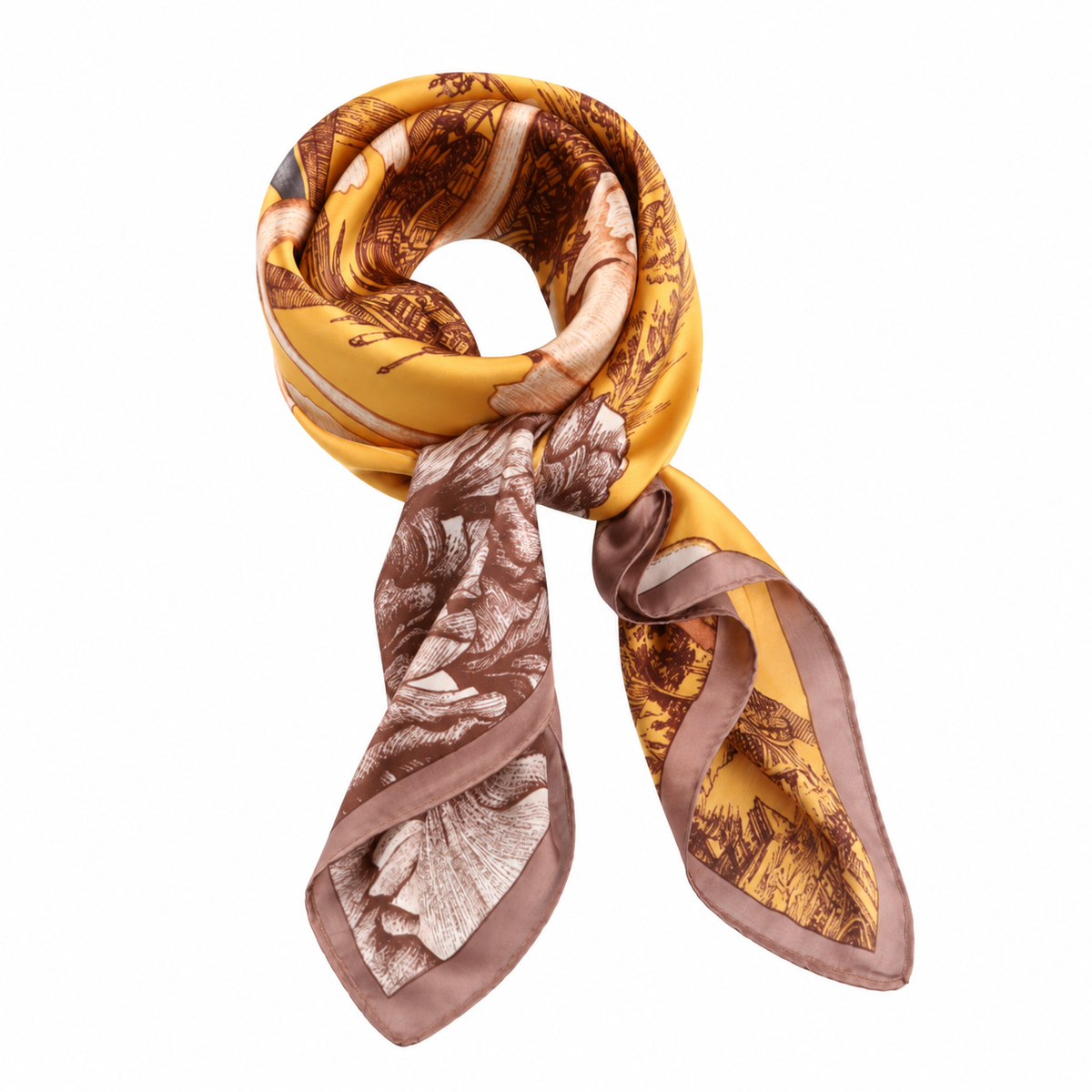
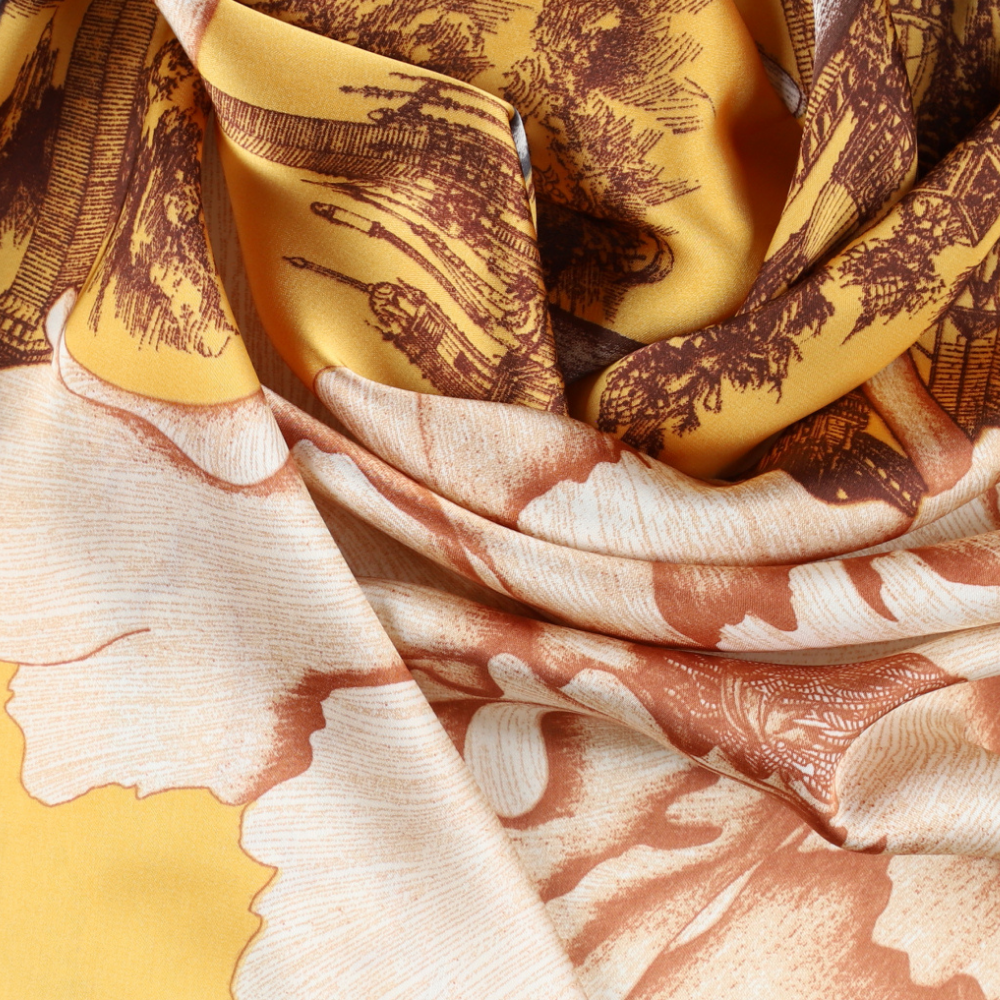
90×90 cm / 35×35 in
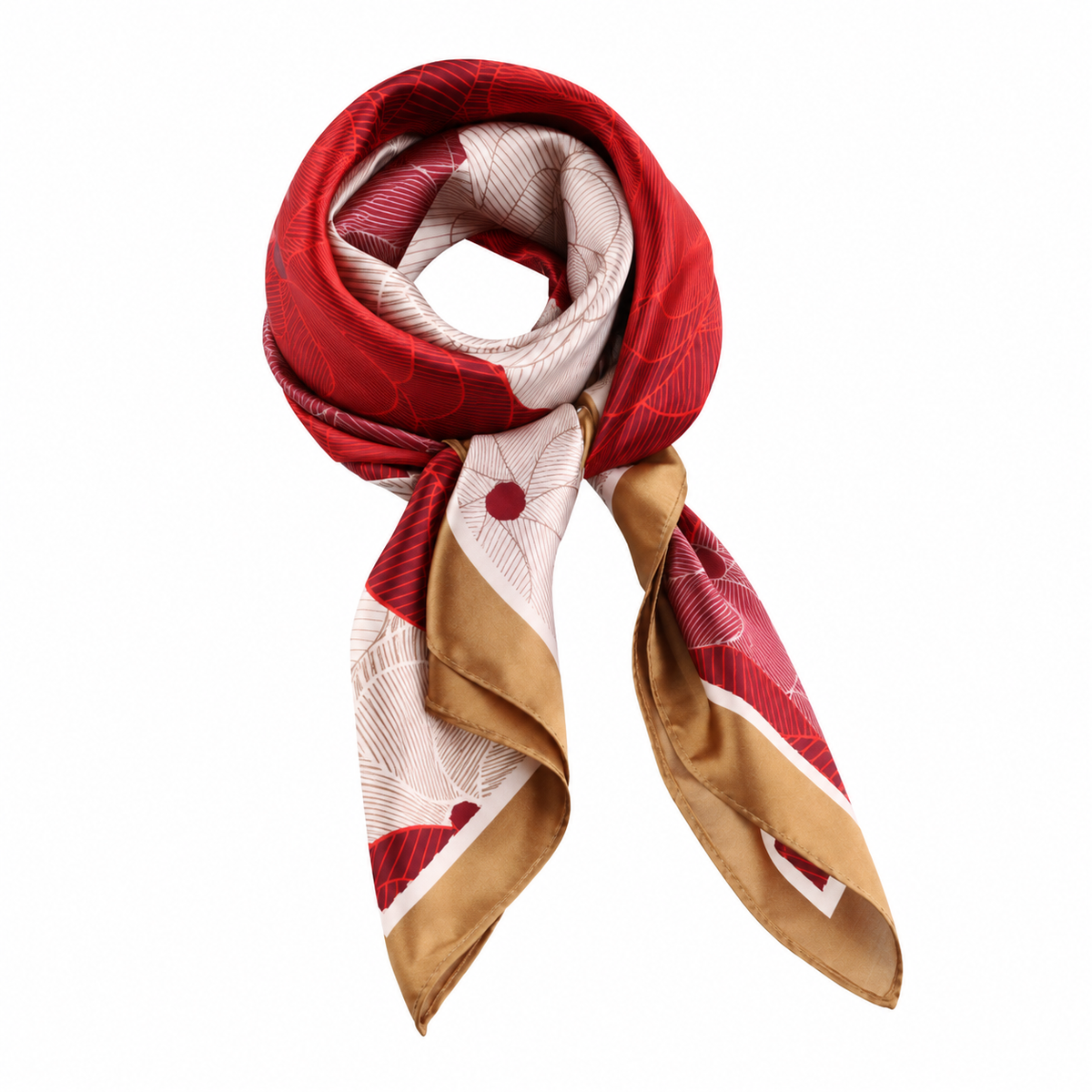
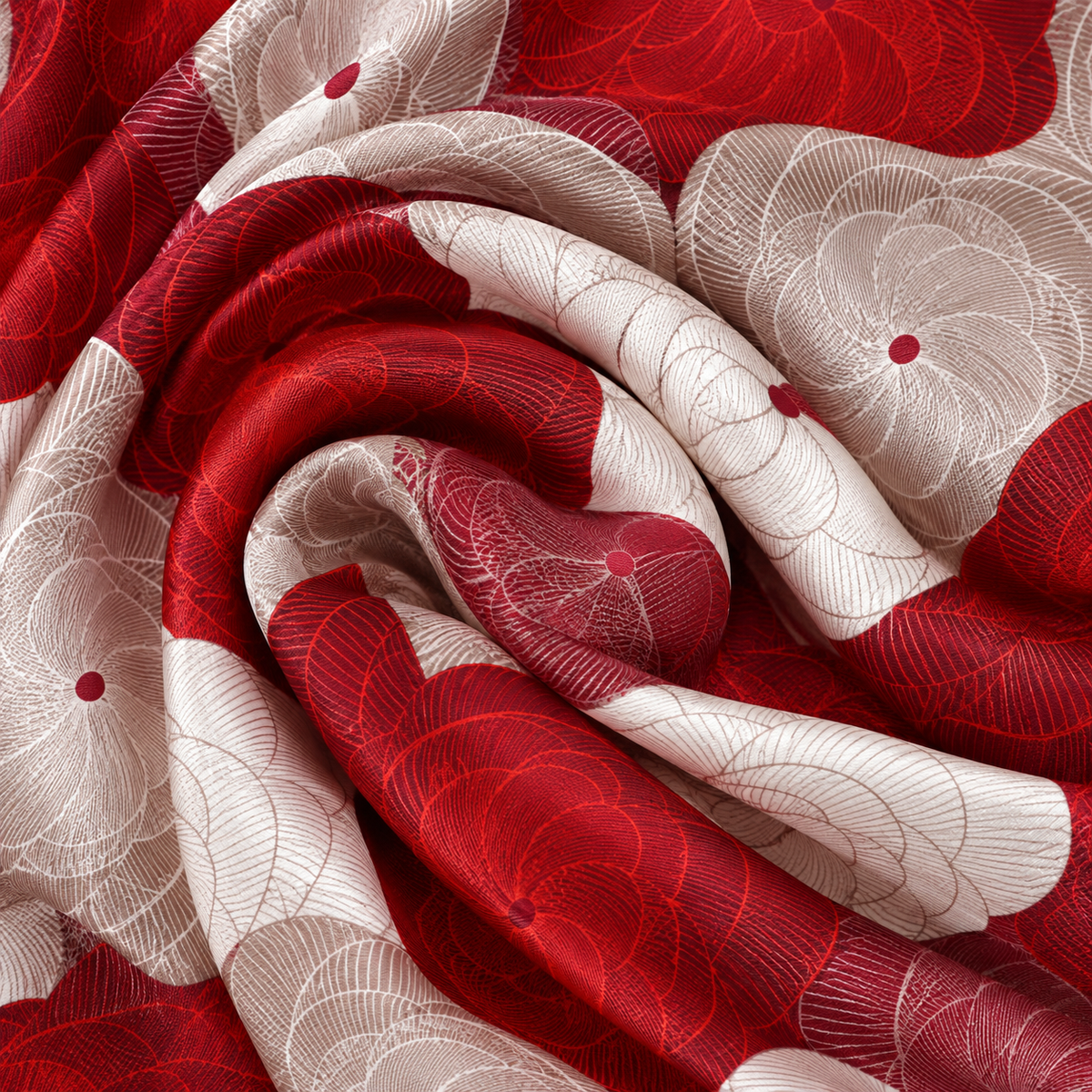
90×90 cm / 35×35 in
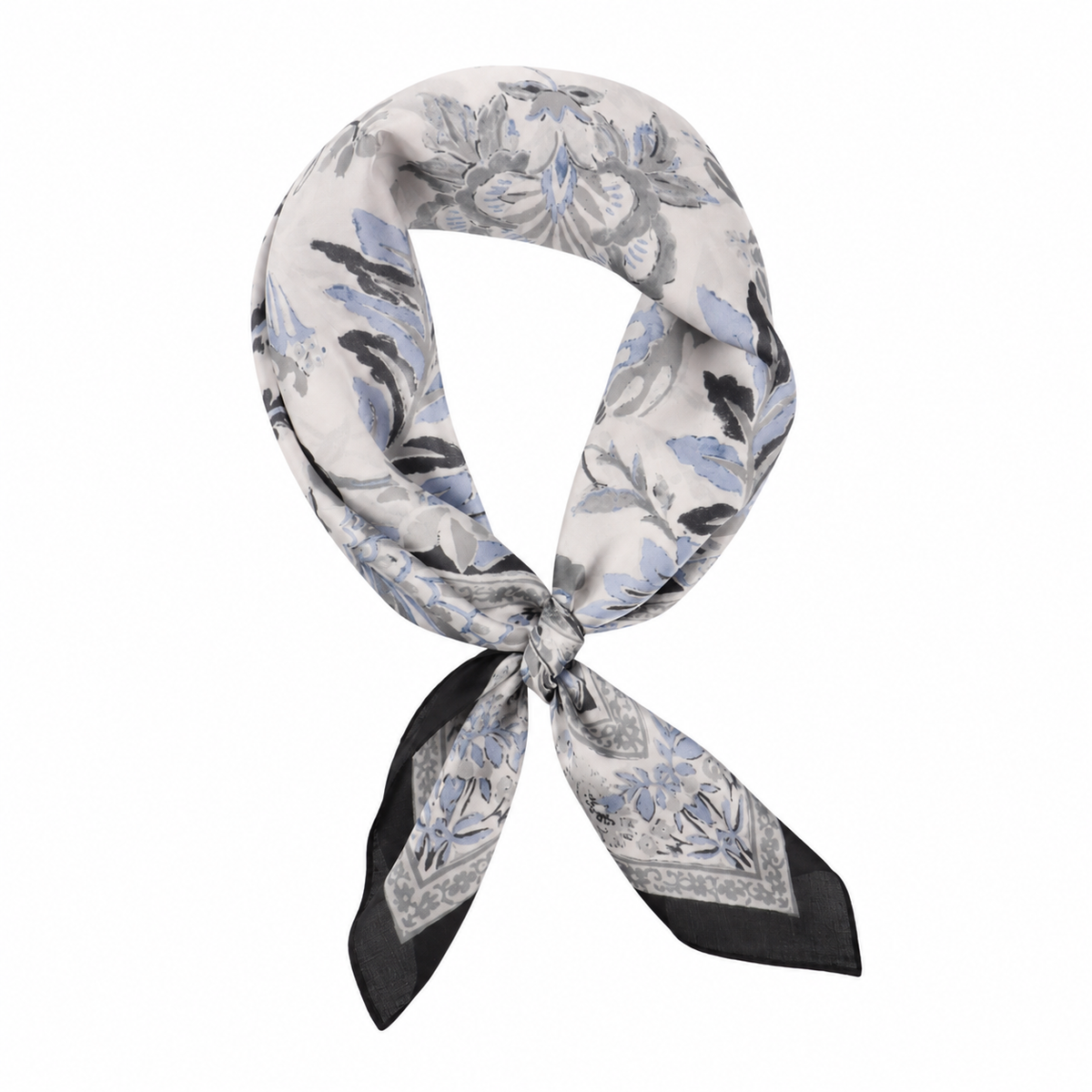
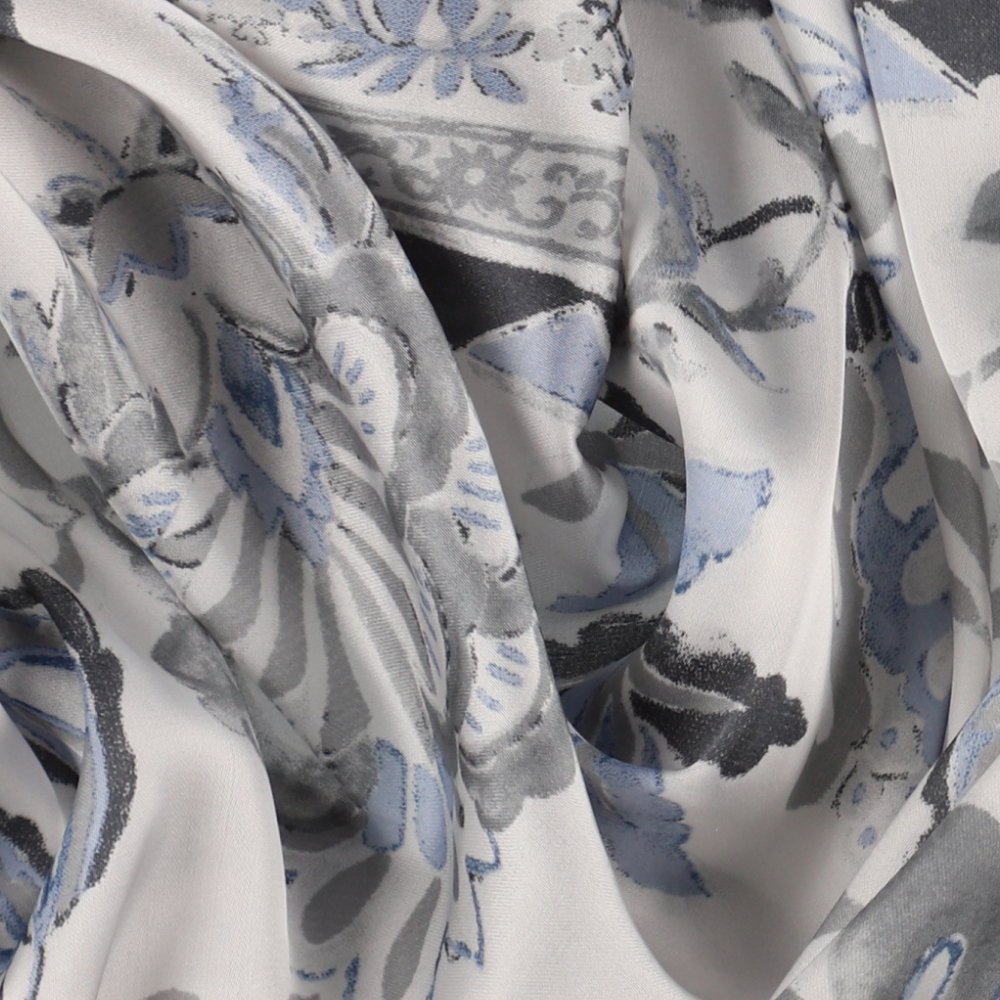
70×70 cm / 28×28 in
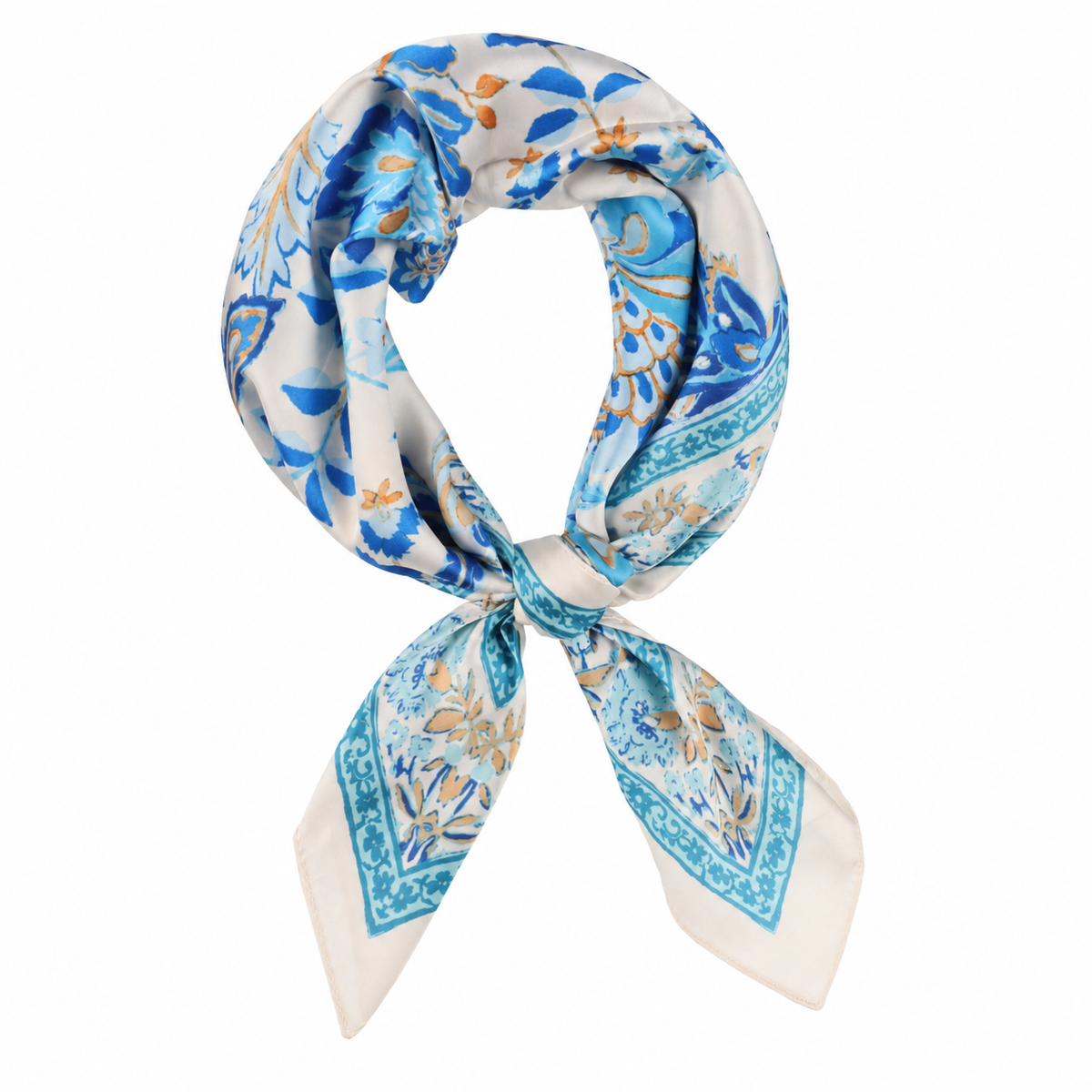
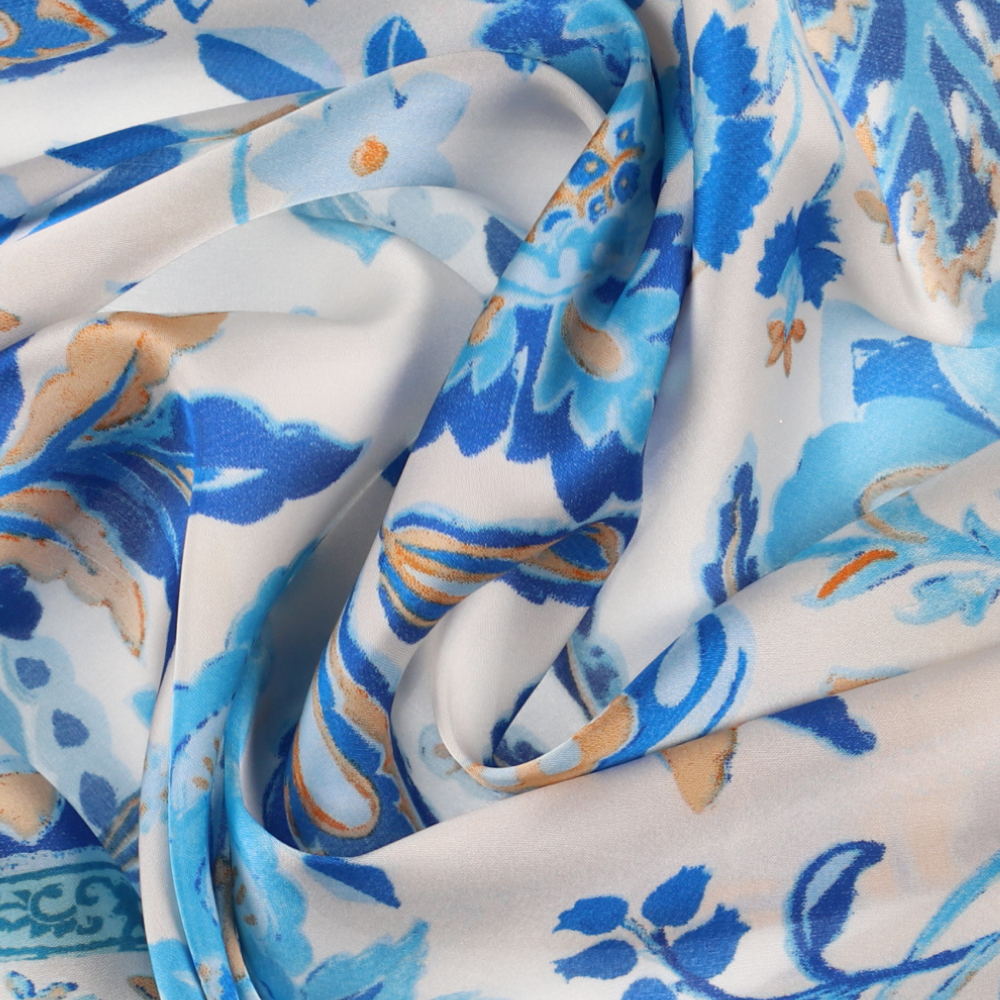
70×70 cm / 28×28 in
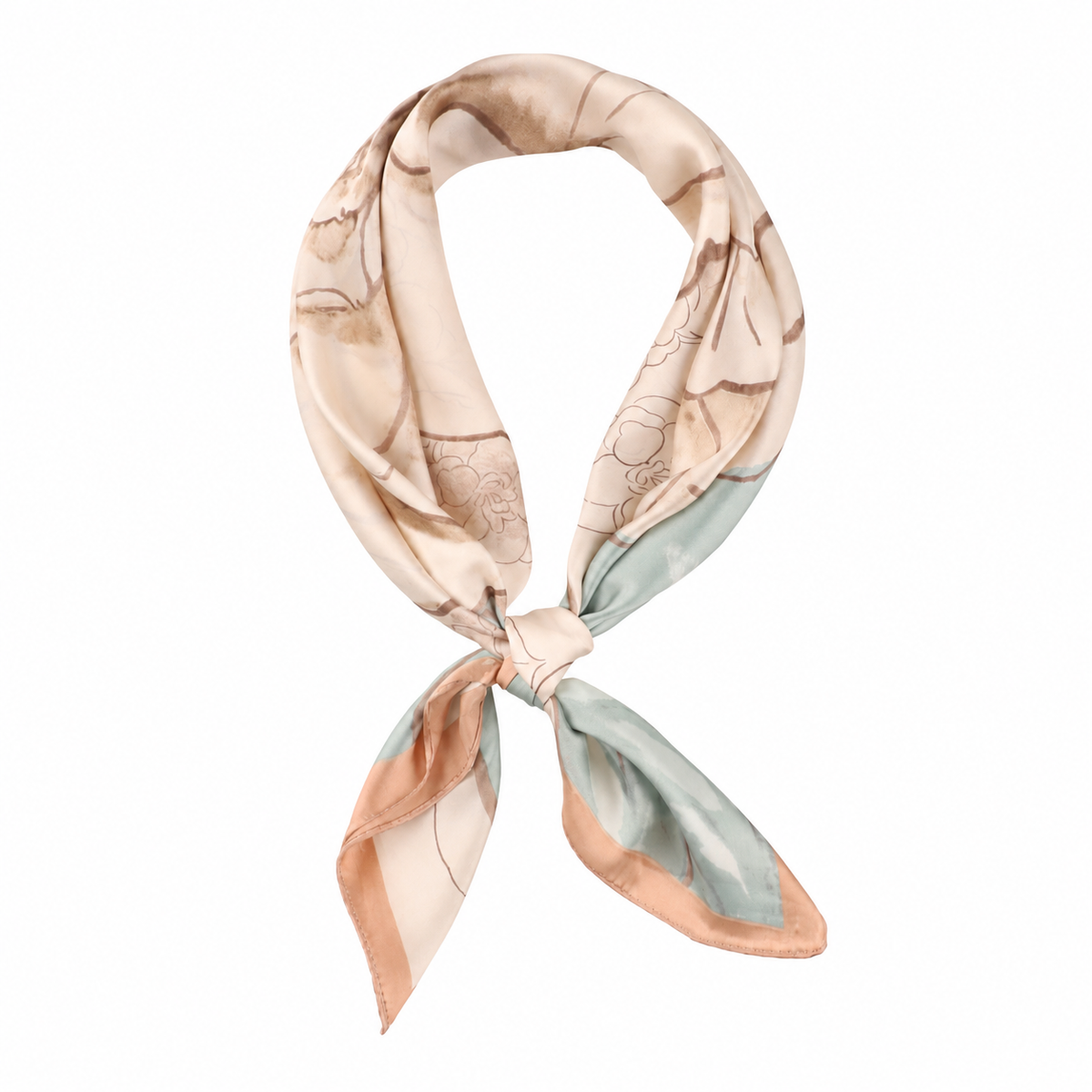
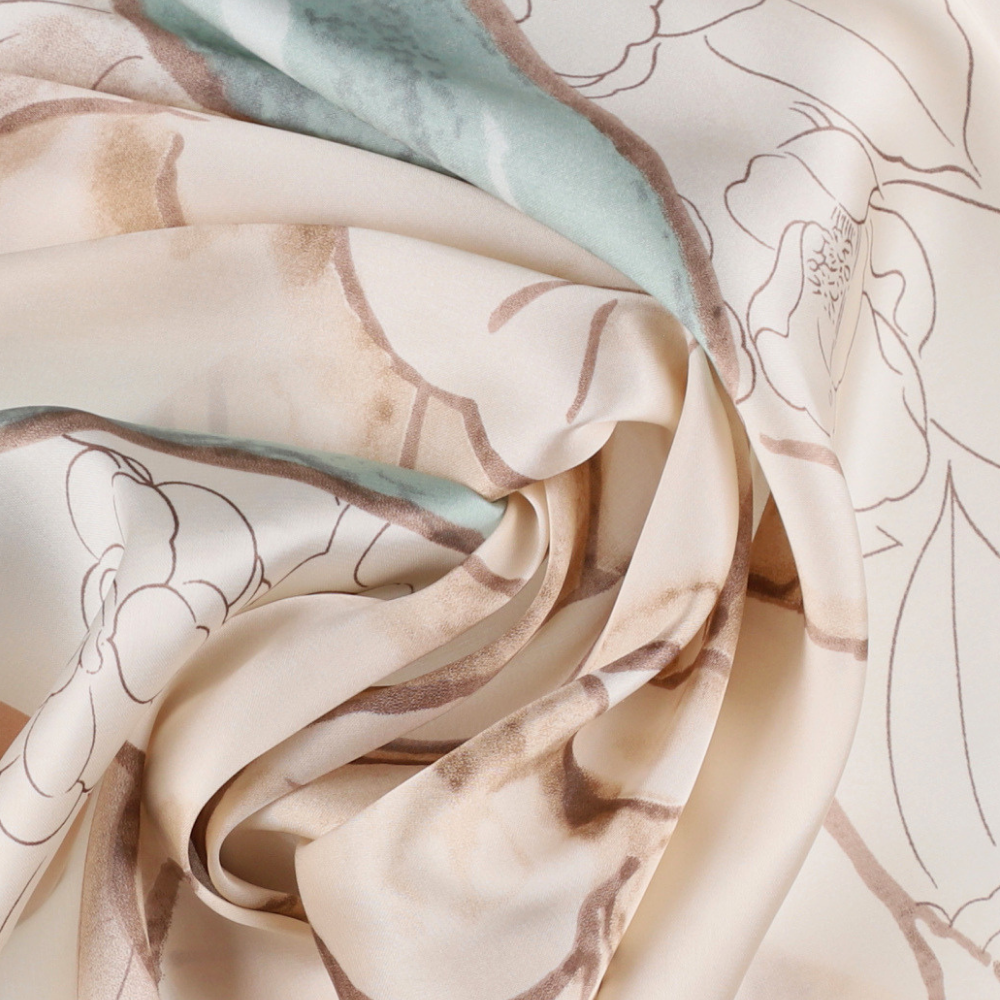
70×70 cm / 28×28 in
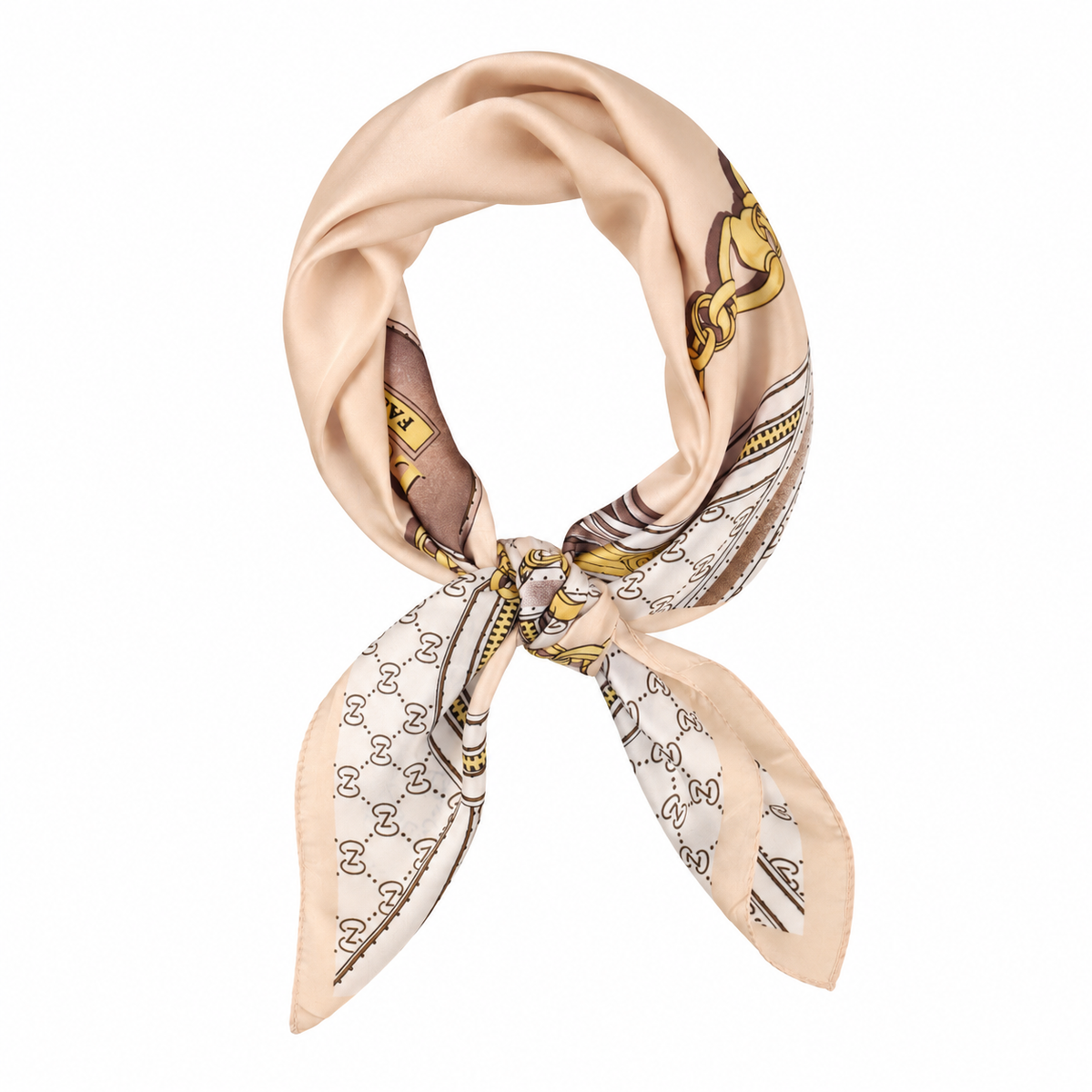
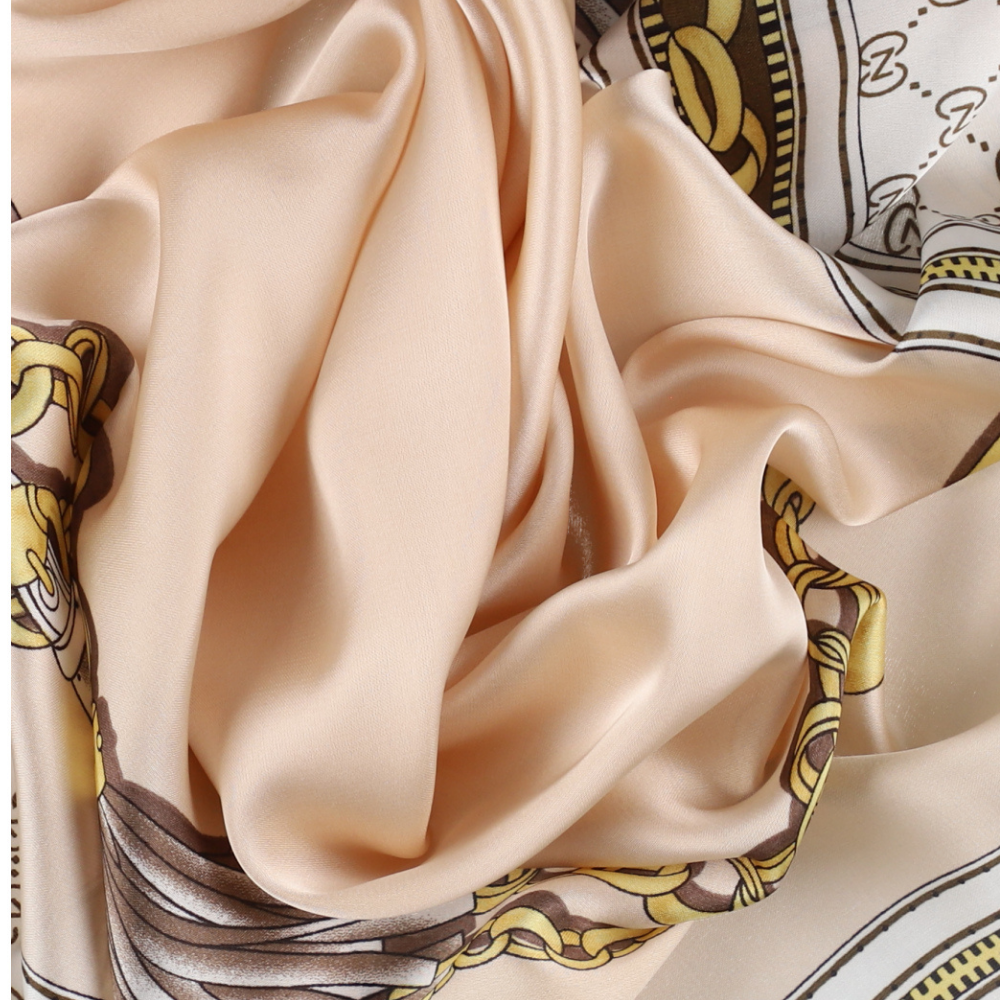
70×70 cm / 28×28 in
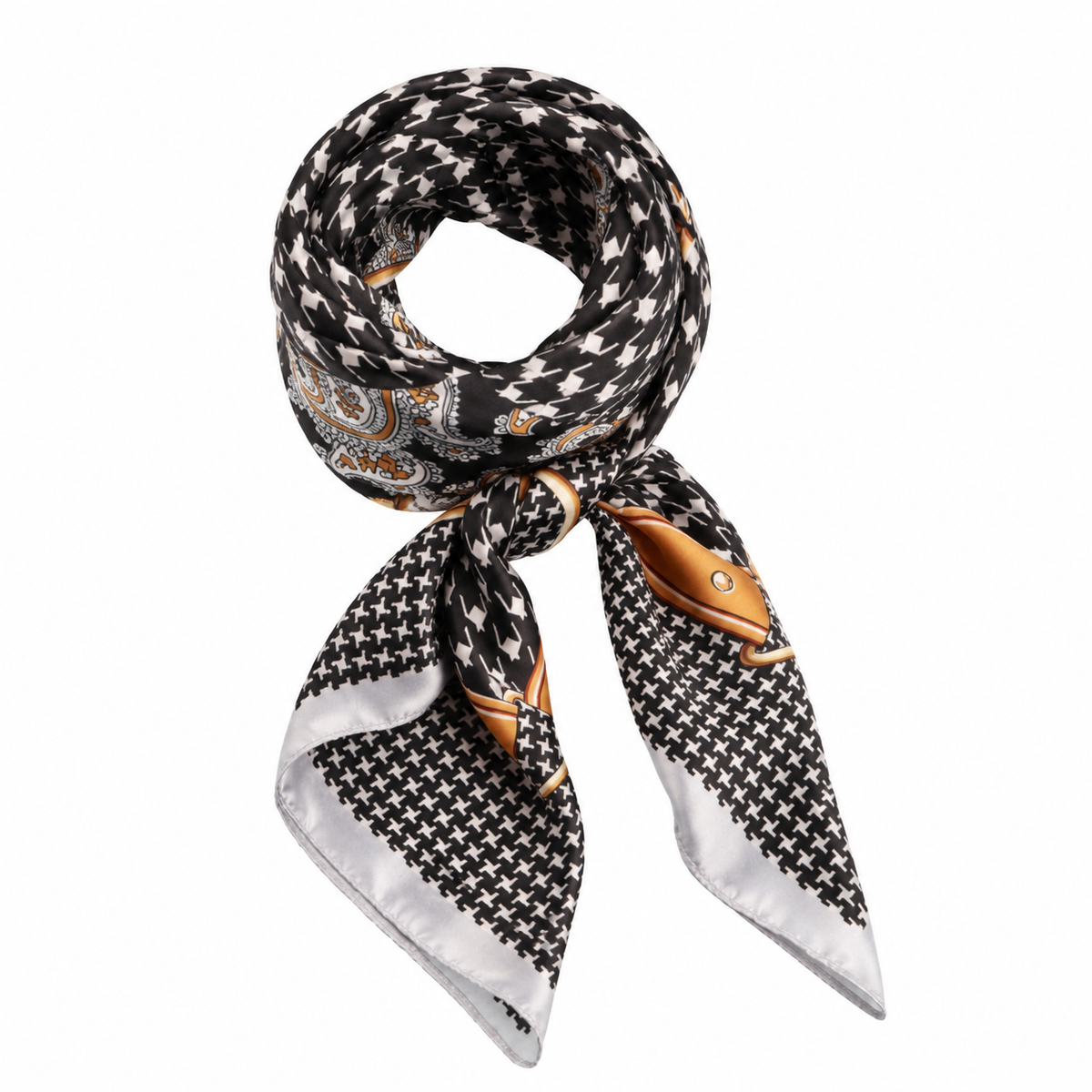
90×90 cm / 35×35 in
90×90 cm / 35×35 in
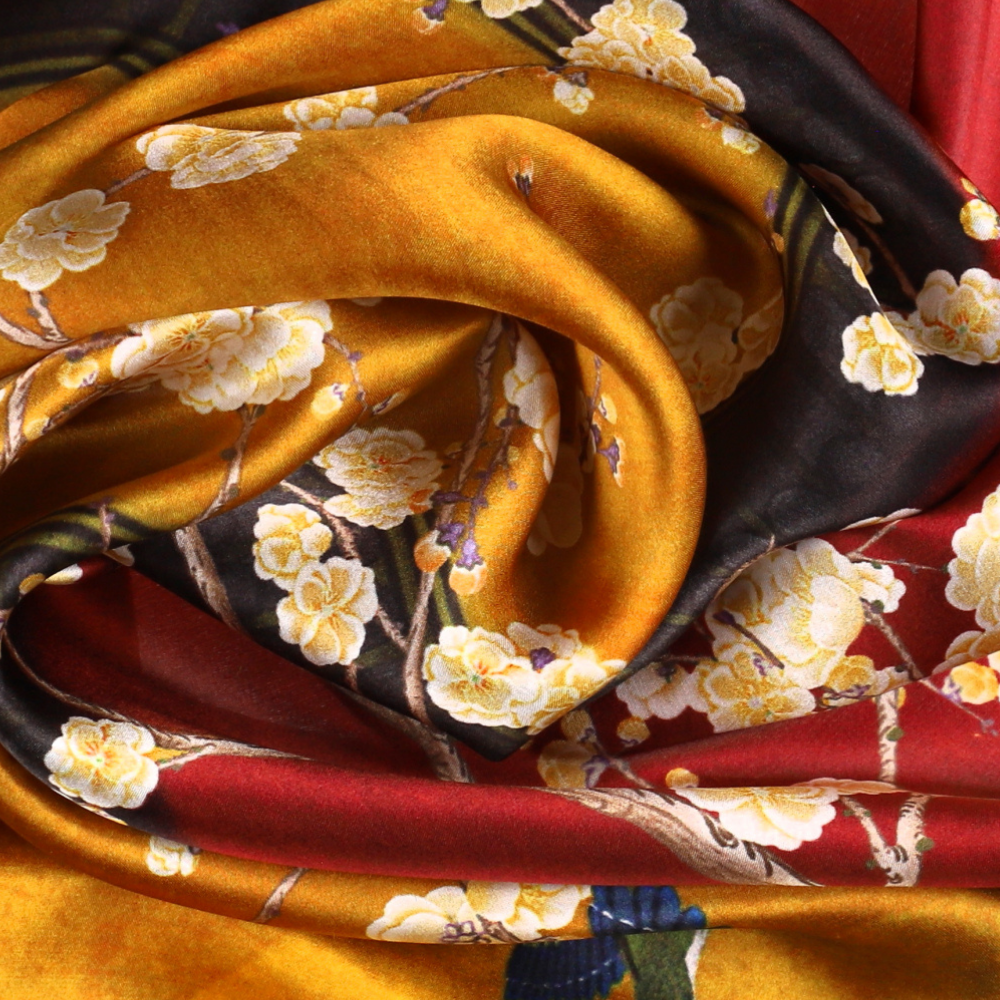
90×90 cm / 35×35 in
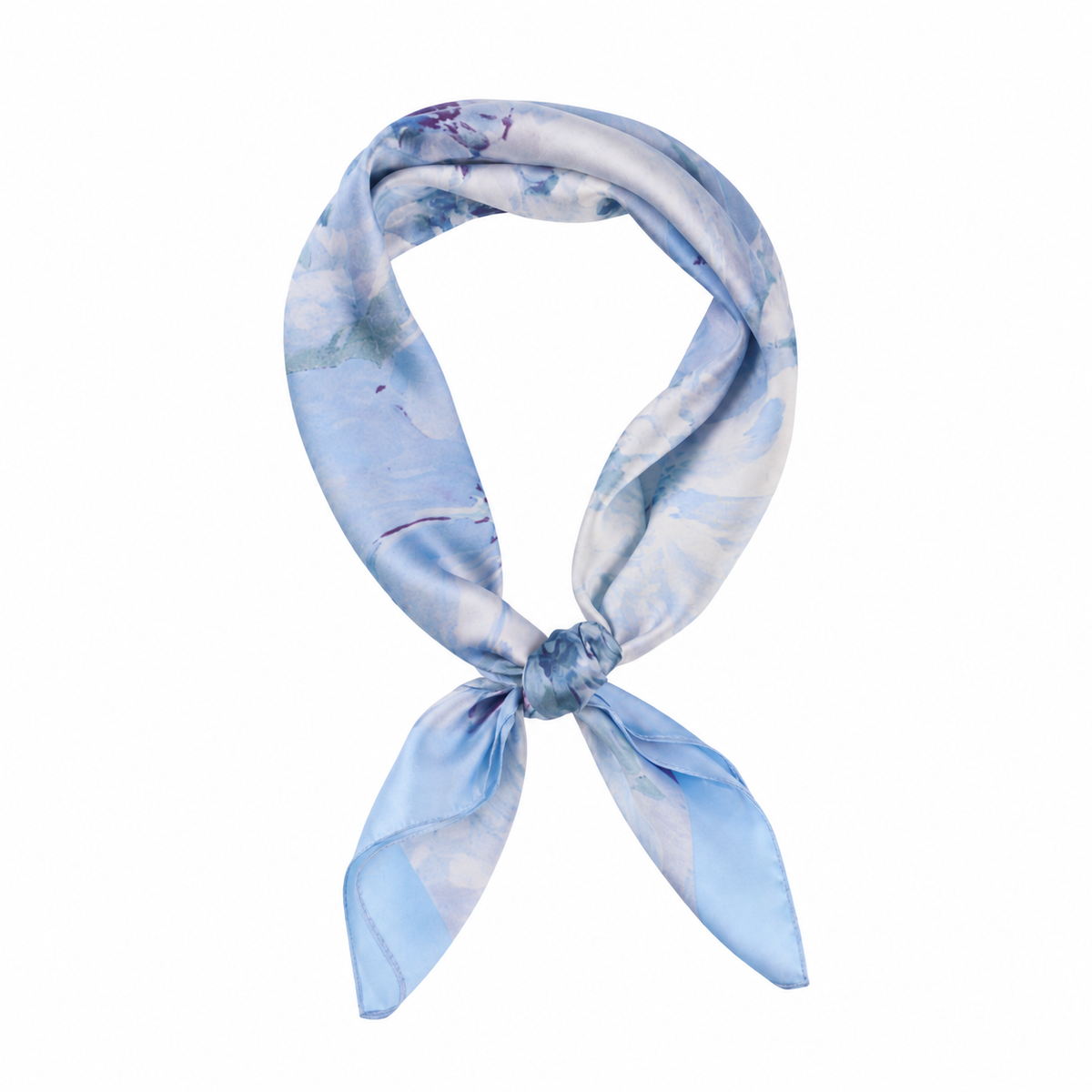
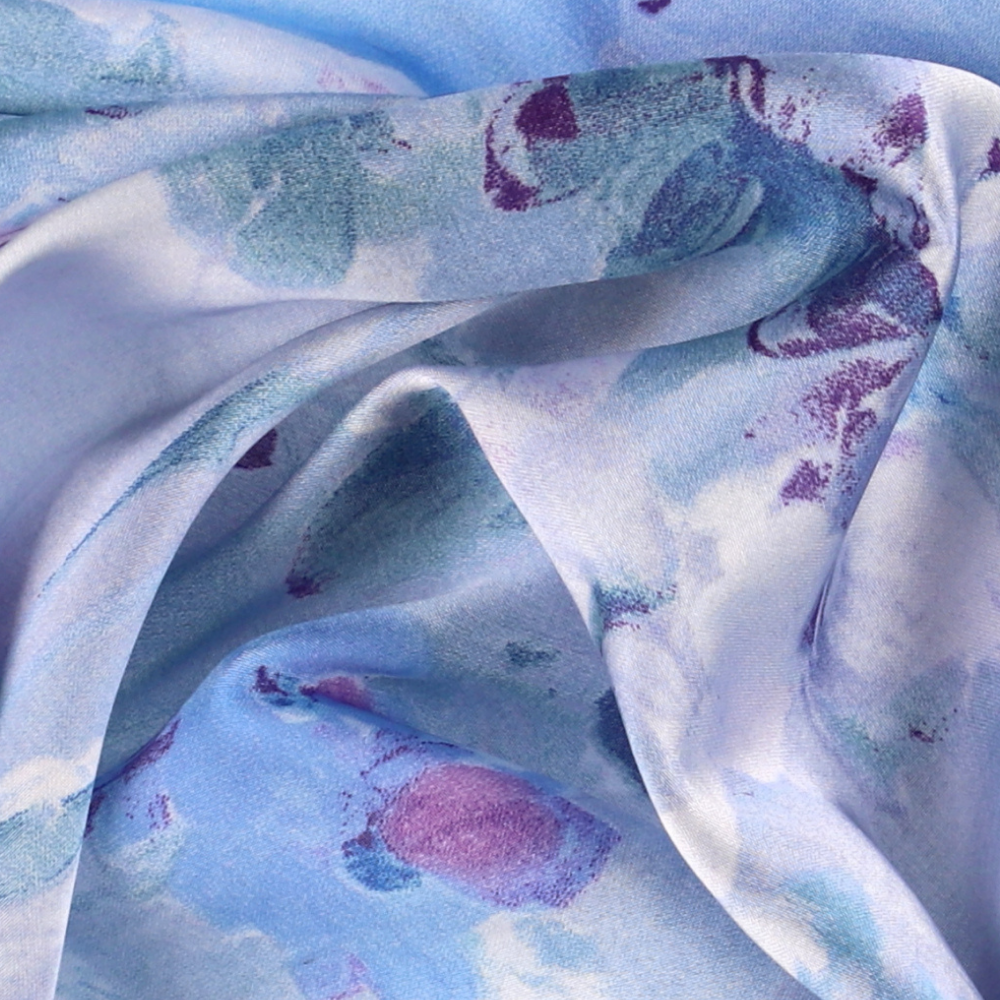
70×70 cm / 28×28 in
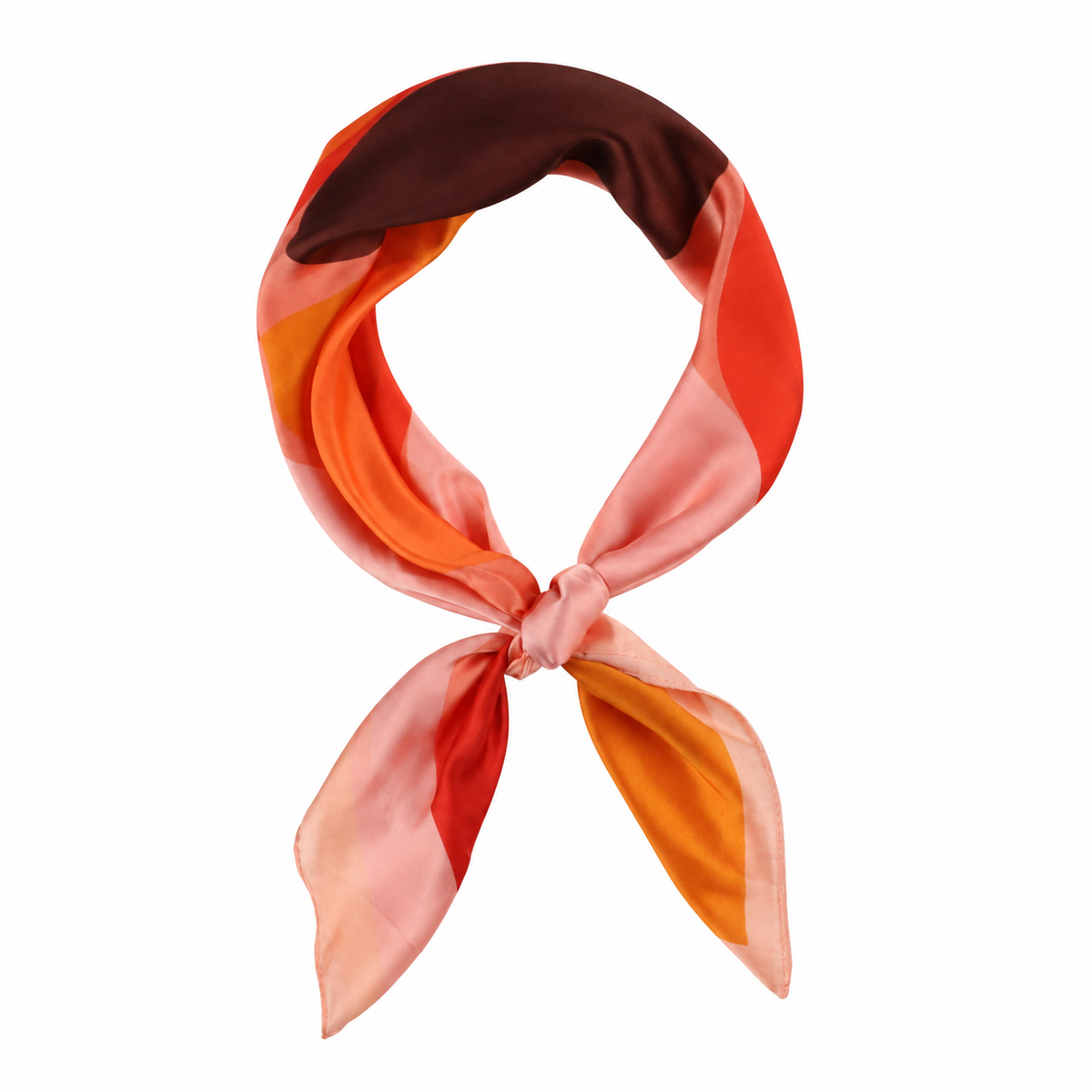
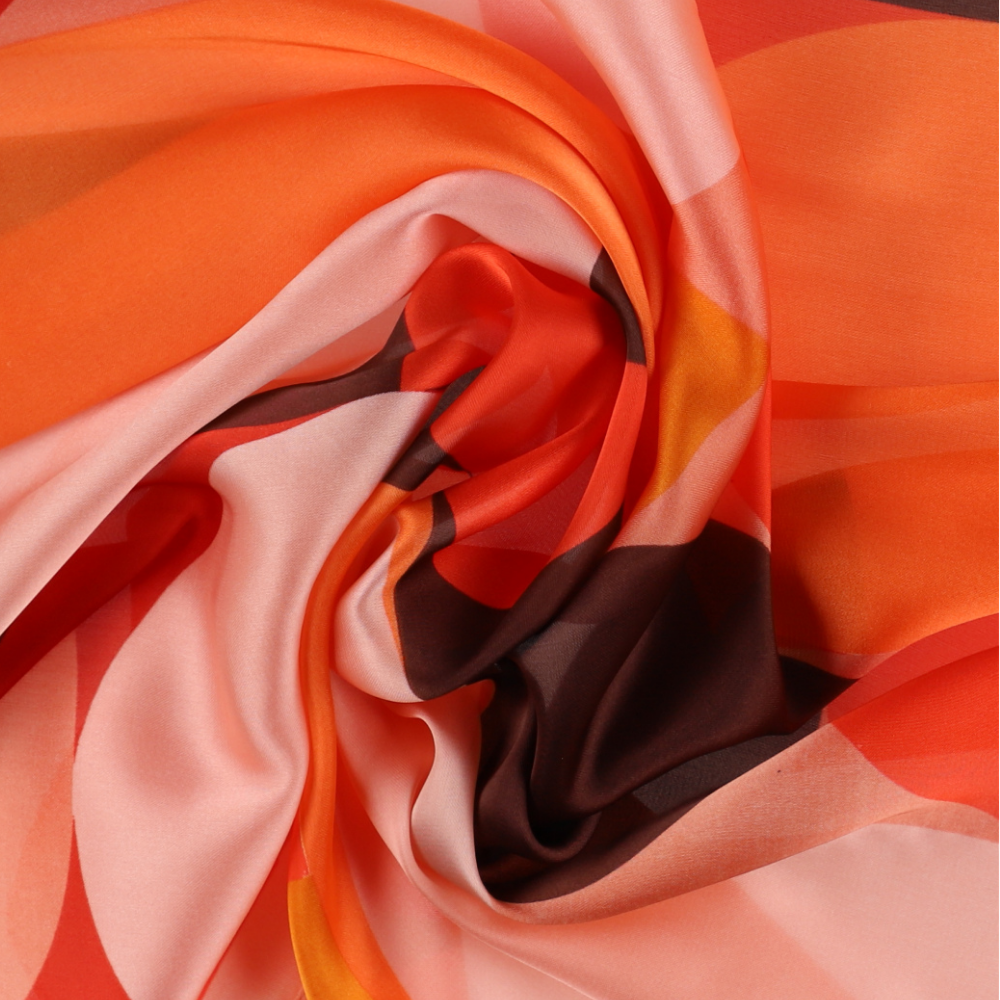
70×70 cm / 28×28 in
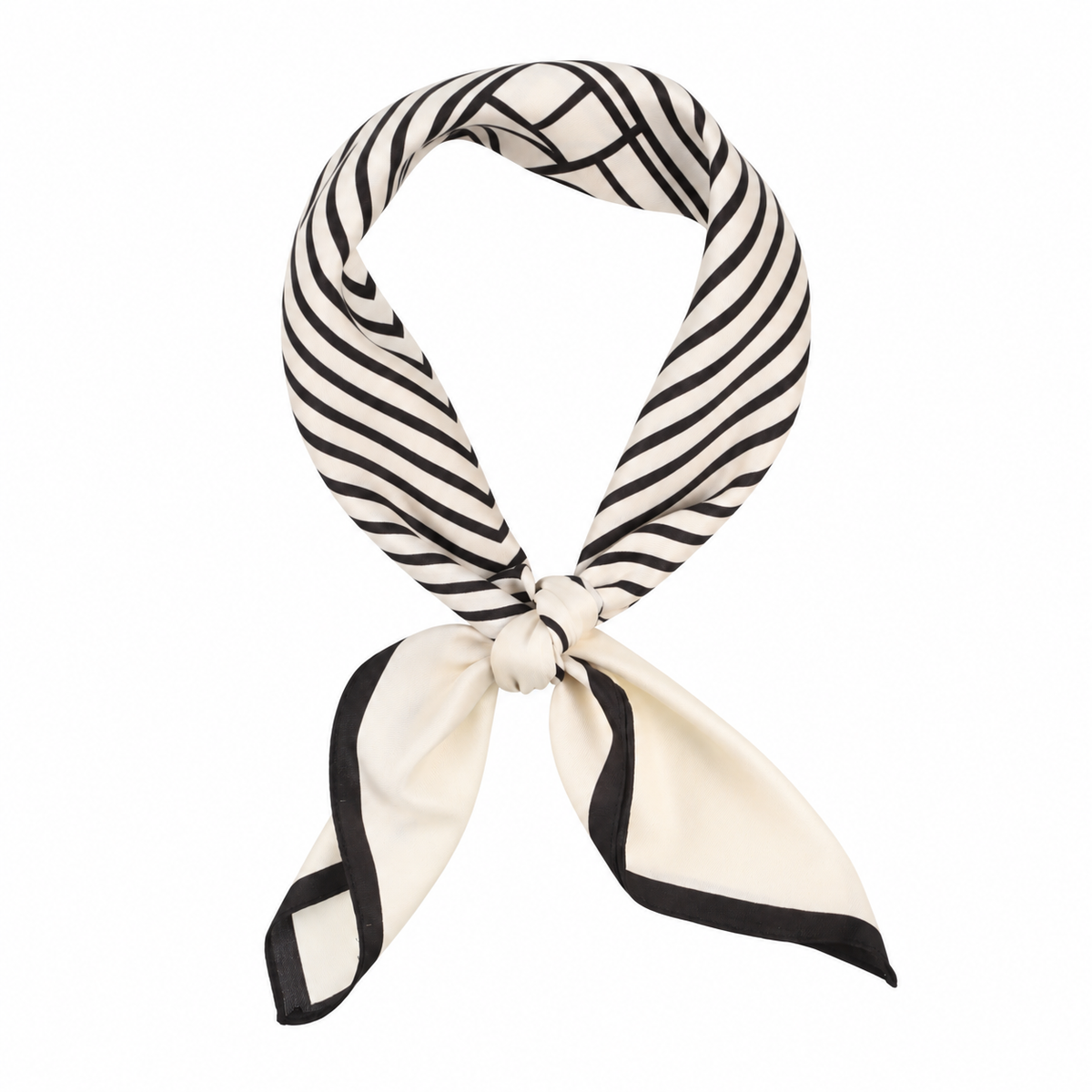
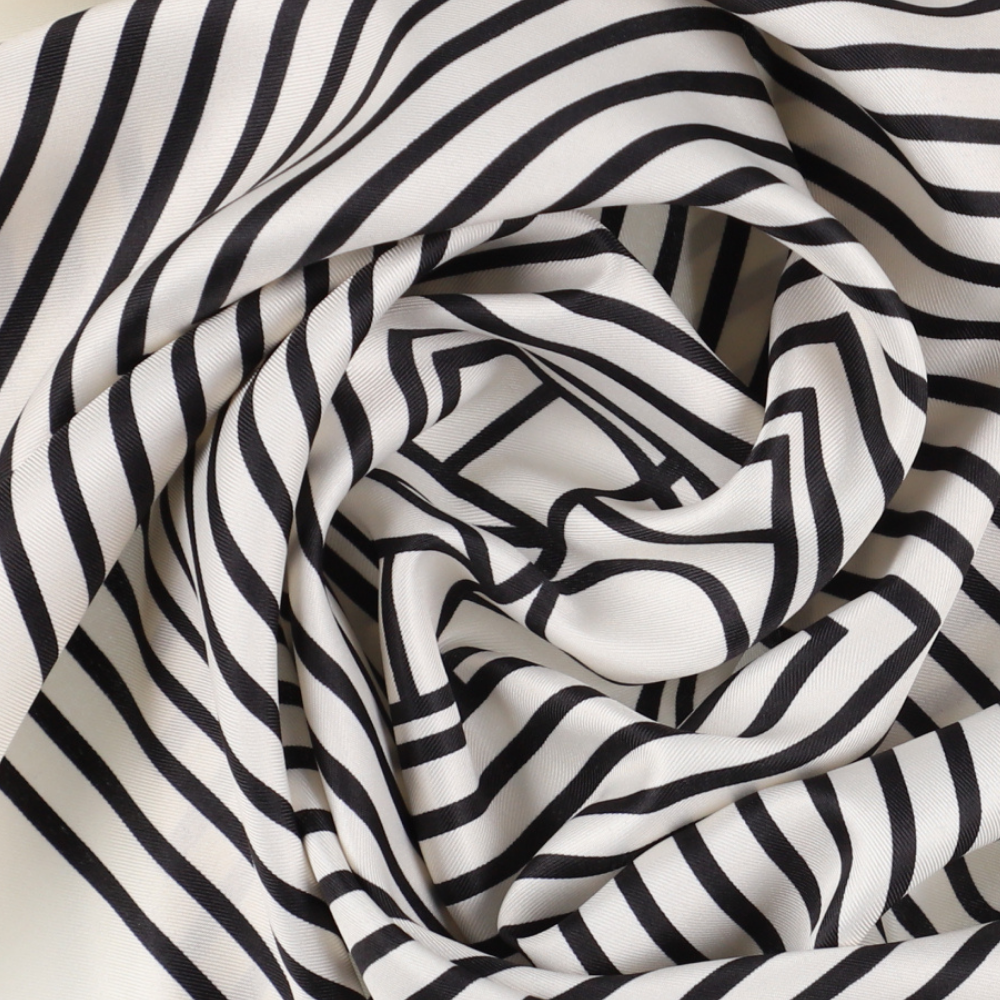
70×70 cm / 28×28 in
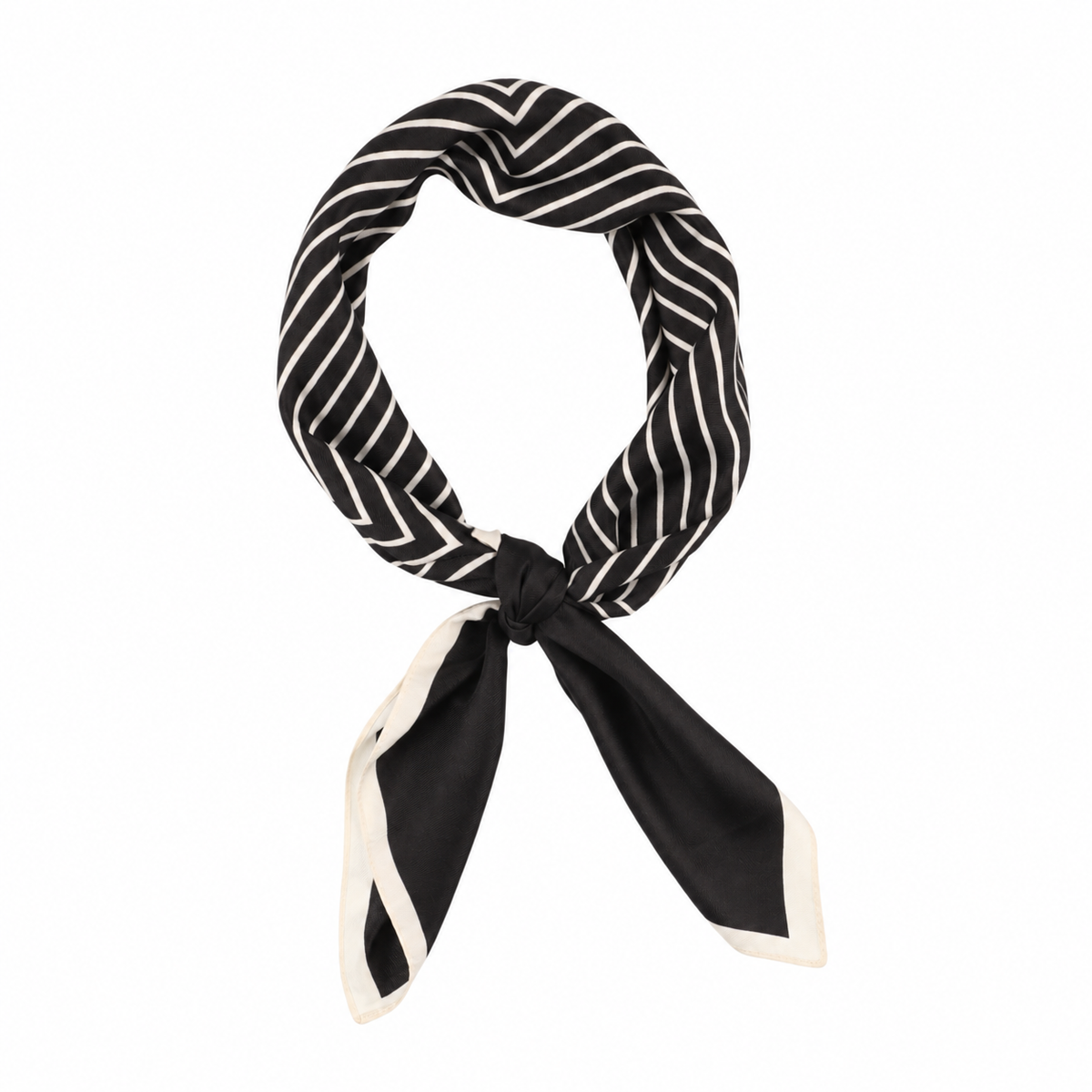
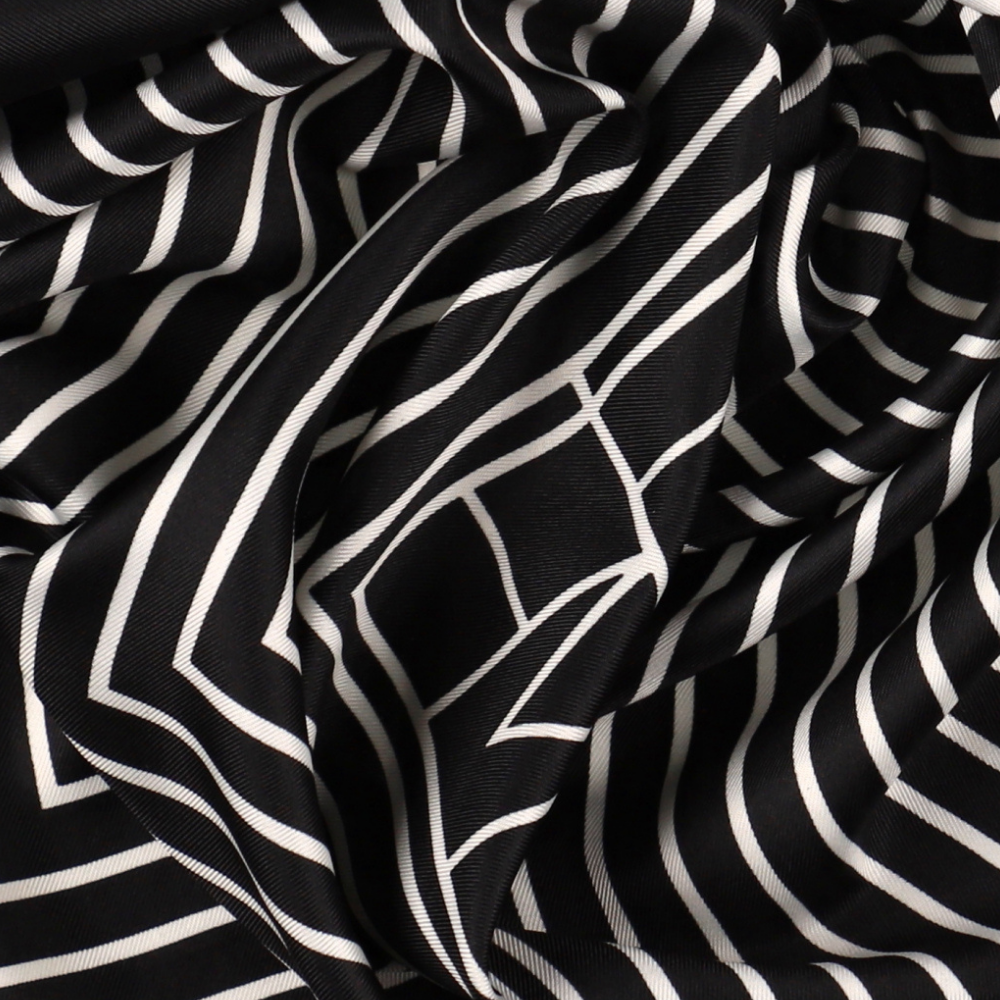
70×70 cm / 28×28 in
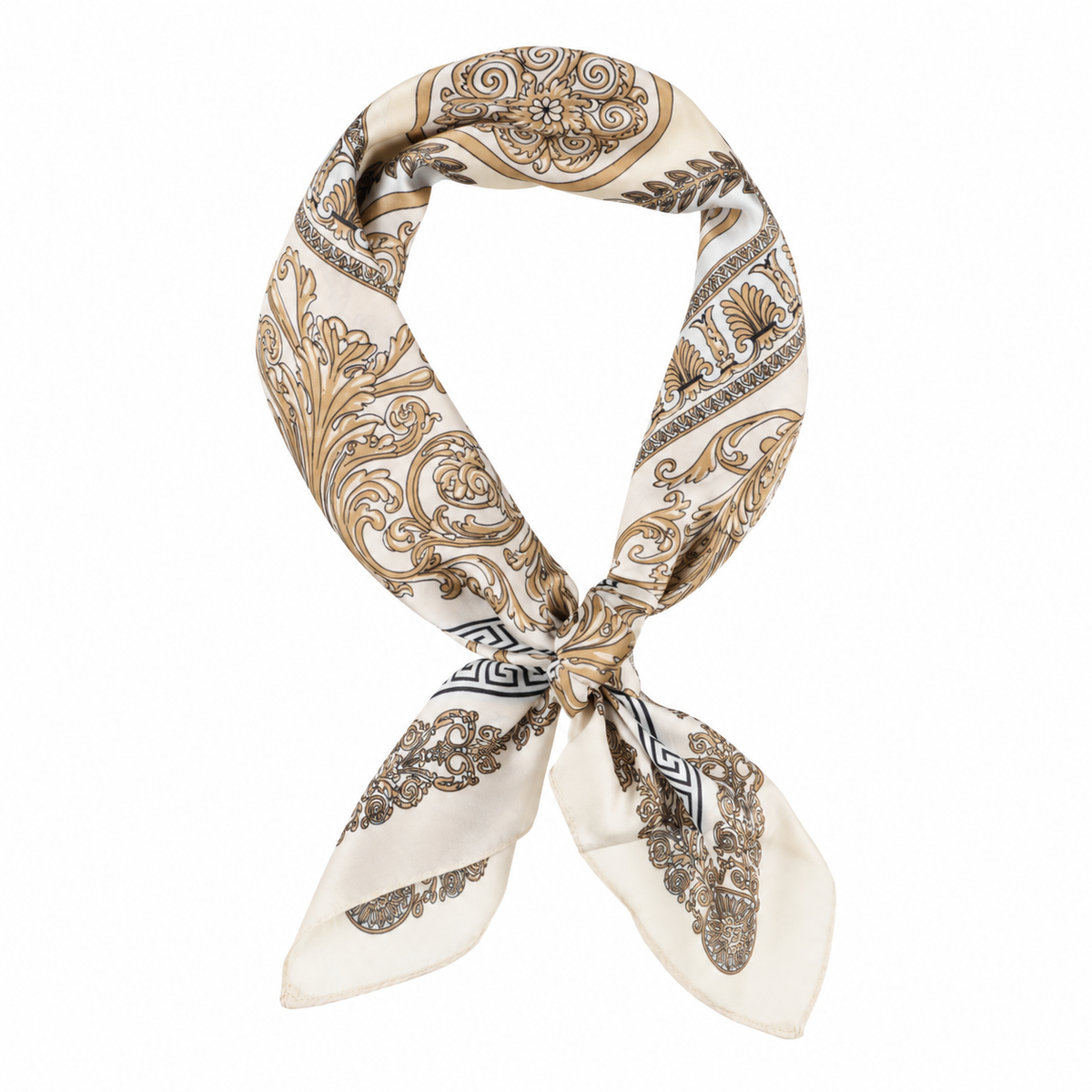
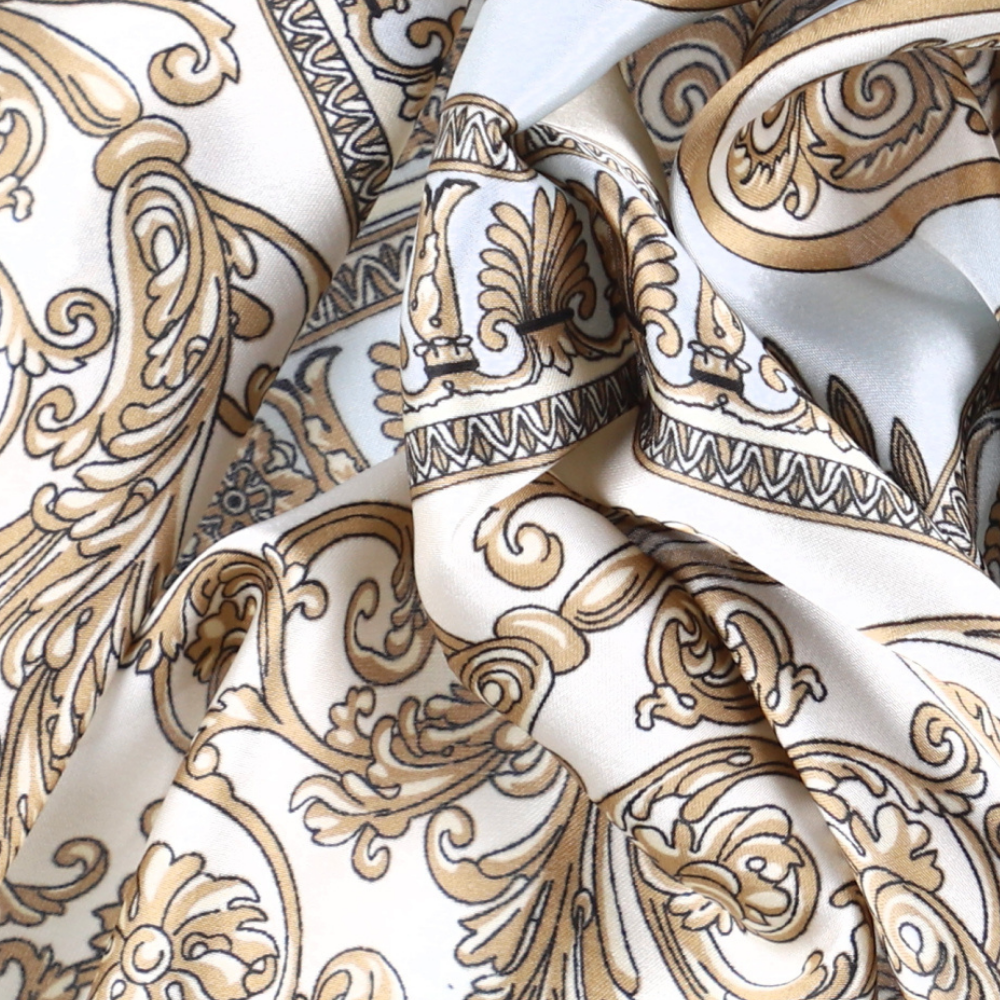
70×70 cm / 28×28 in
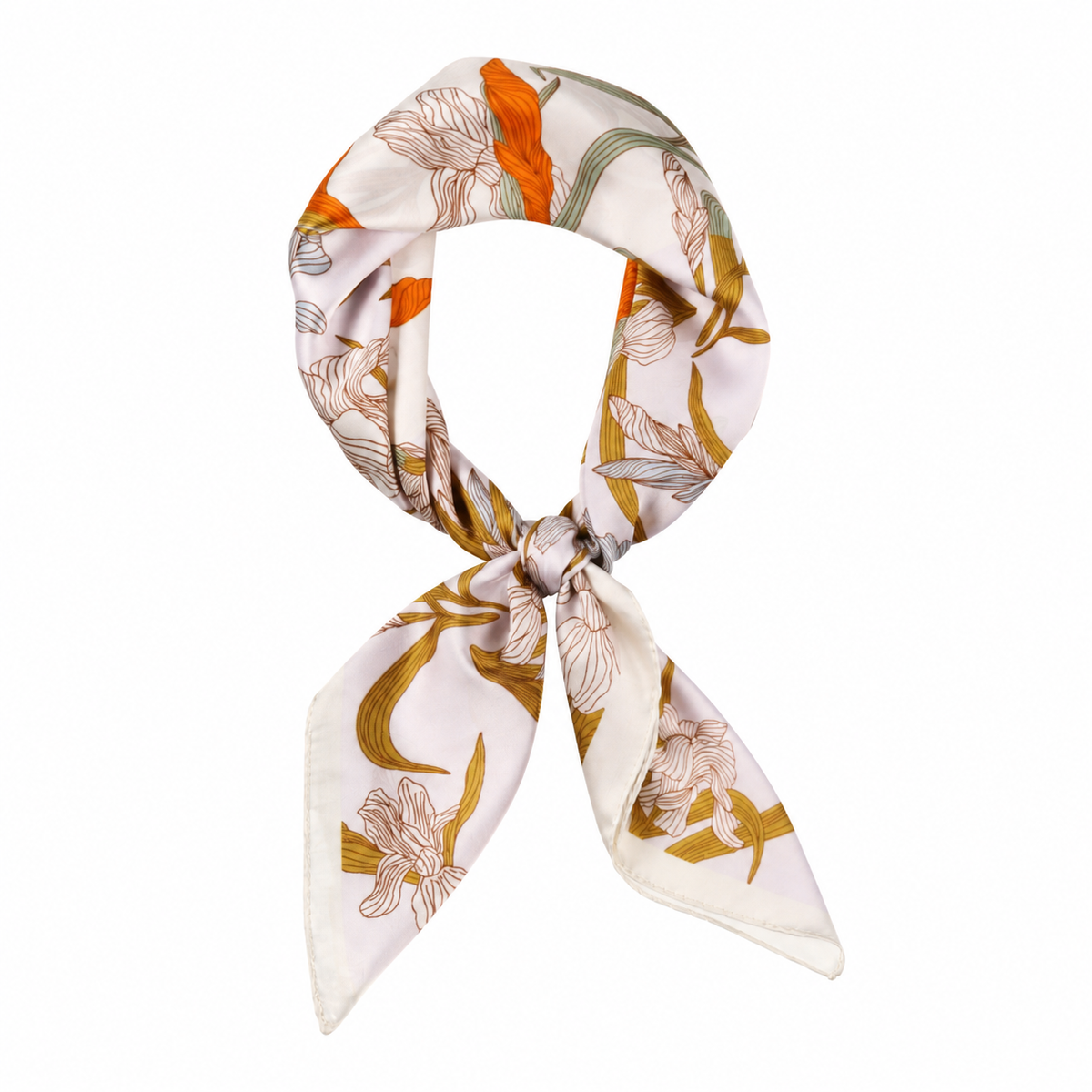
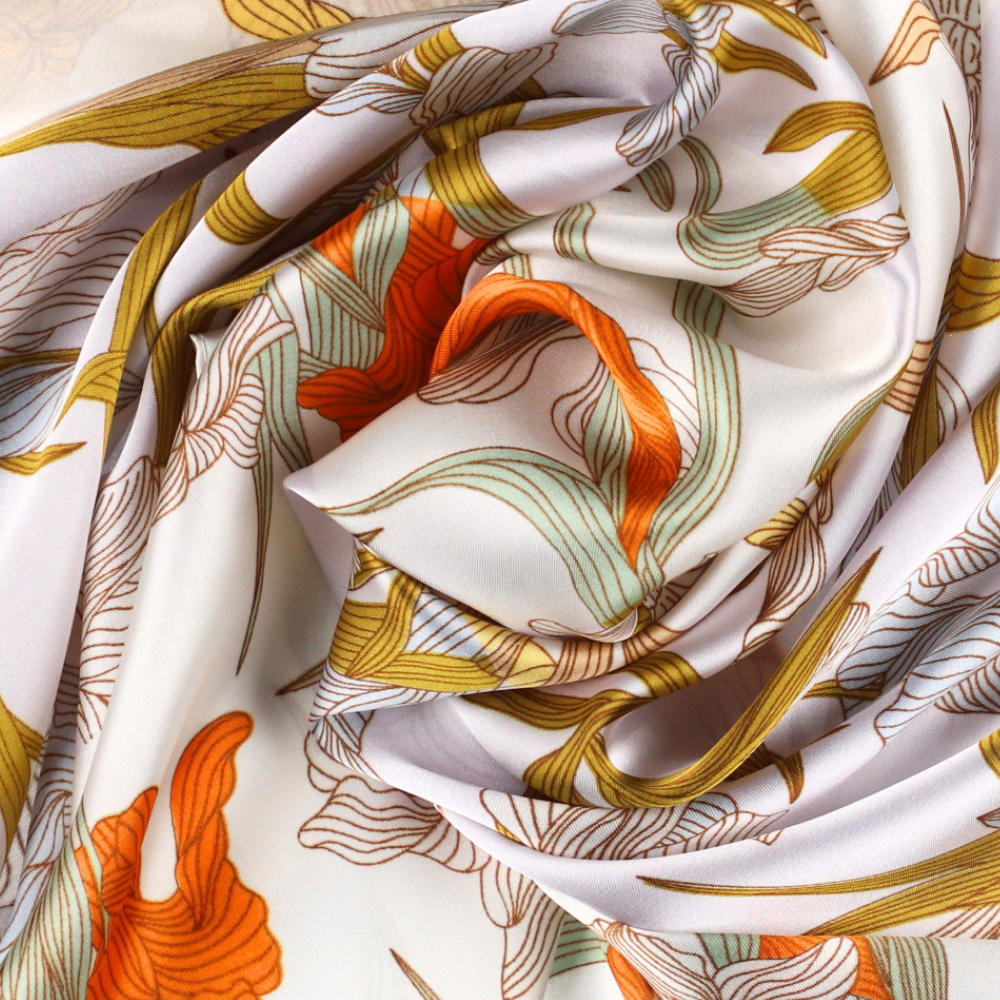
70×70 cm / 28×28 in
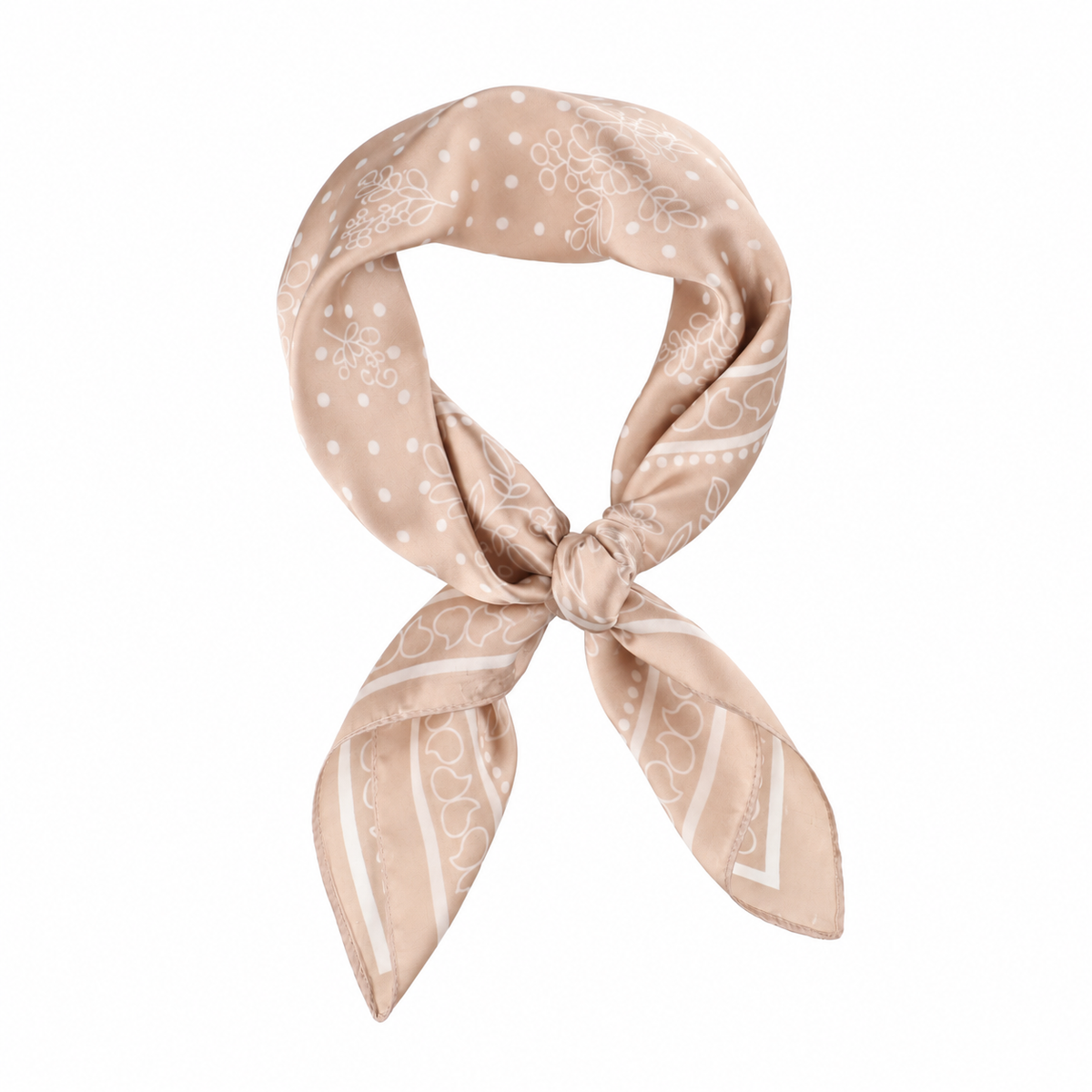
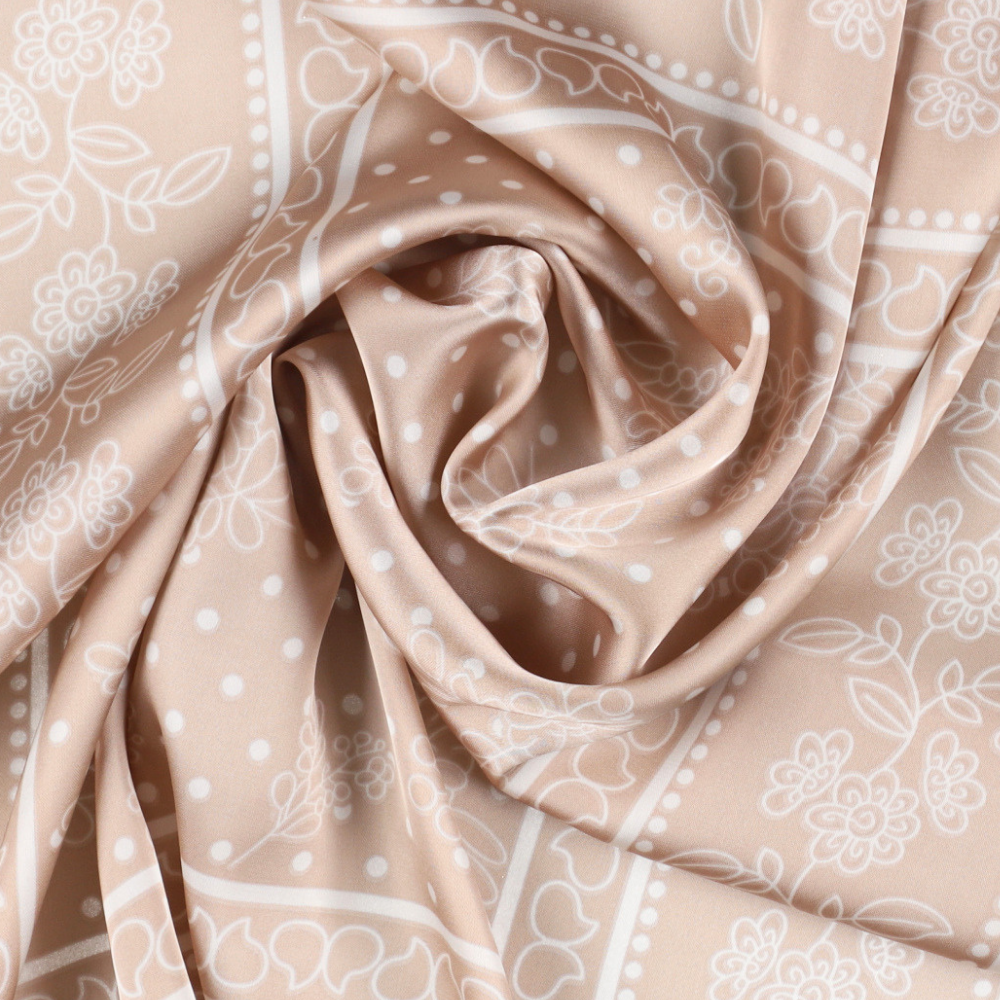
70×70 cm / 28×28 in
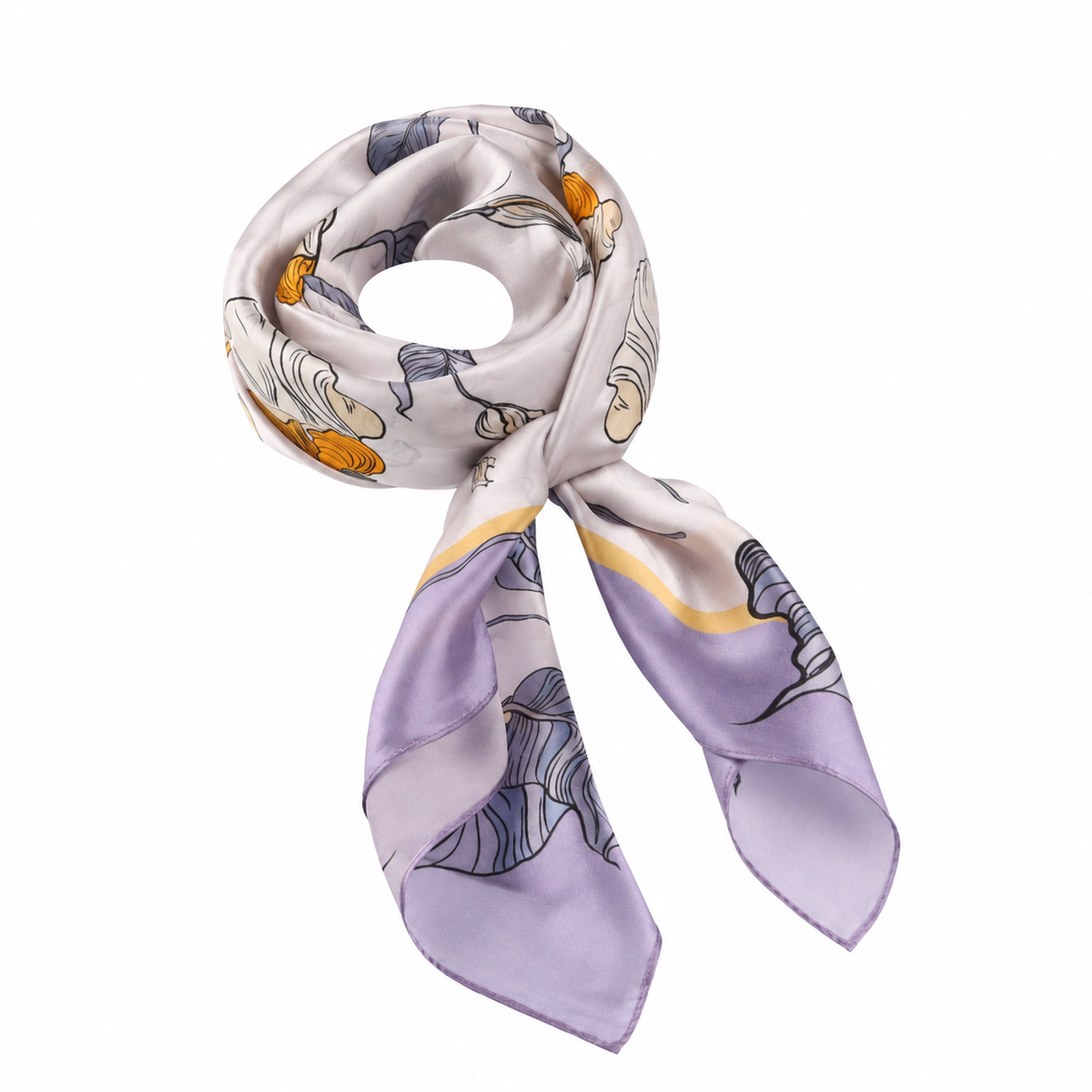
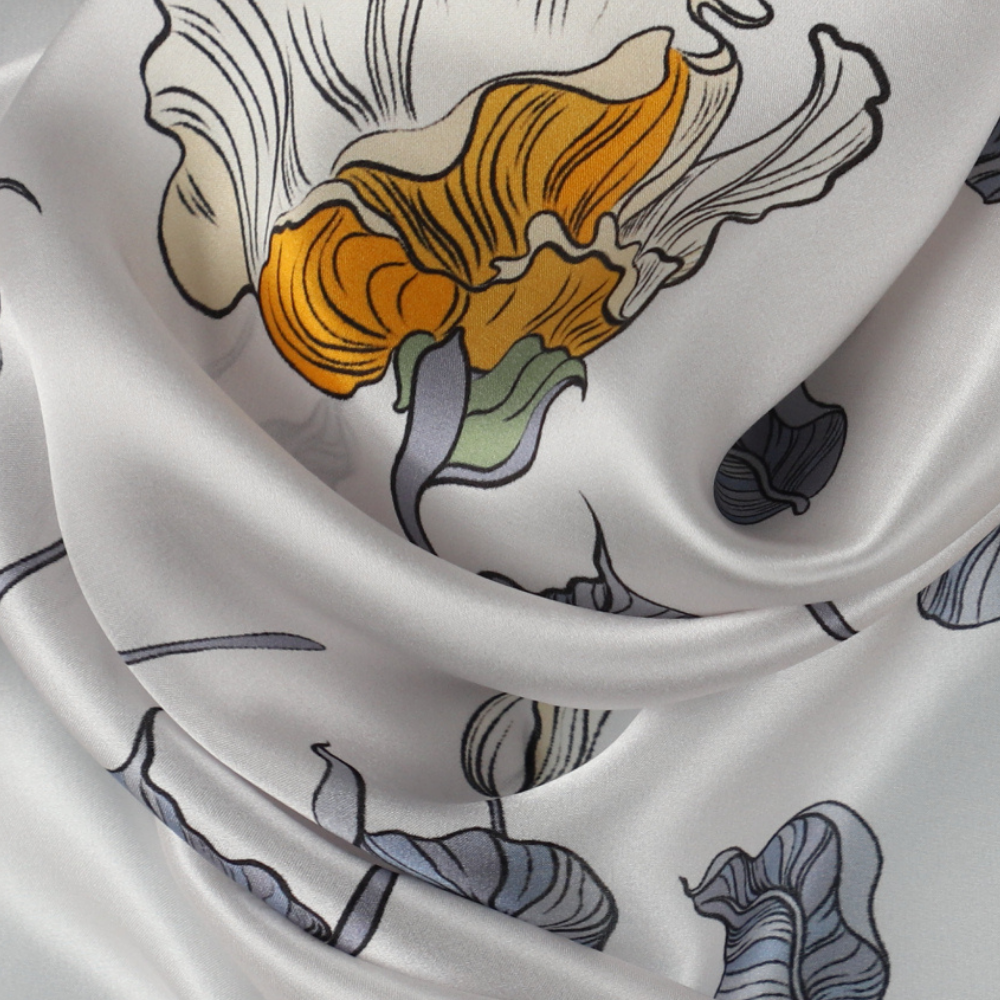
90×90 cm / 35×35 in
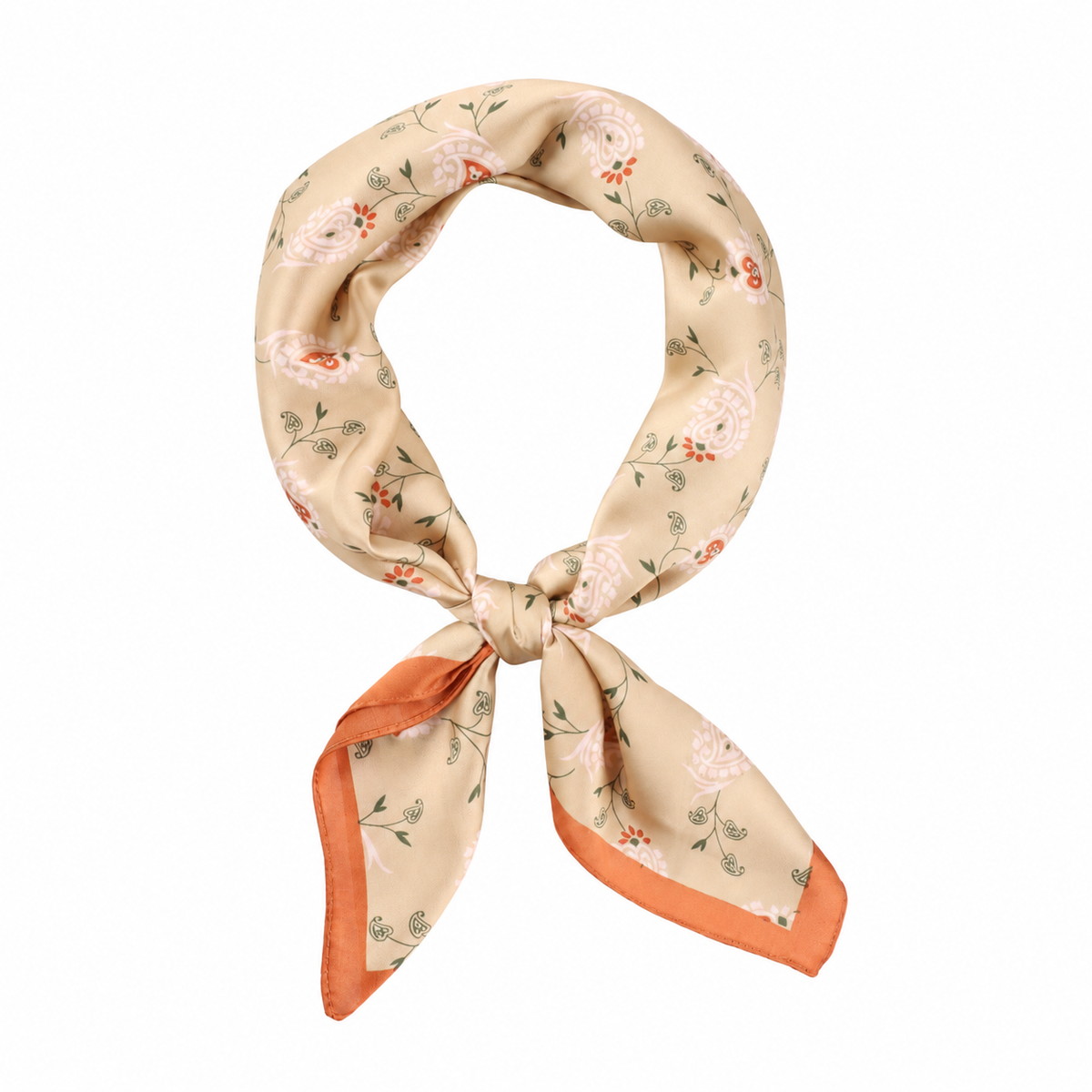
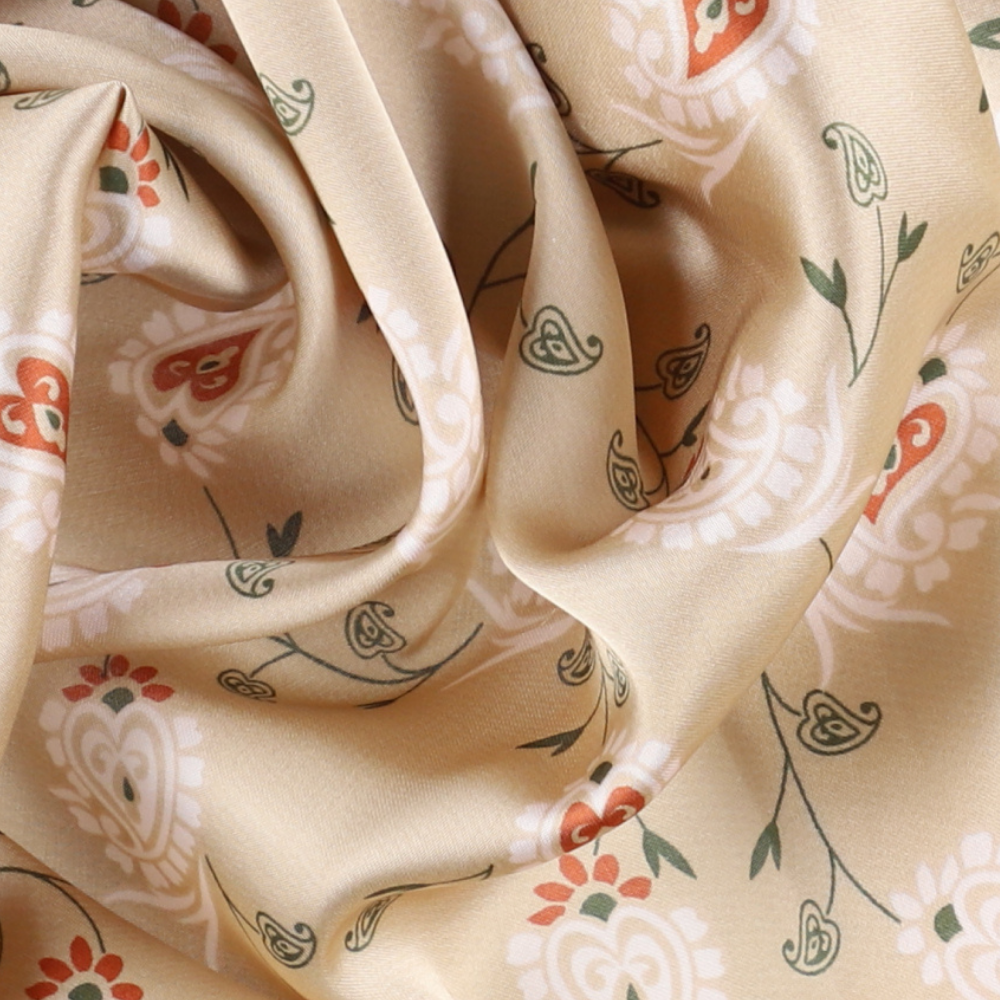
70×70 cm / 28×28 in
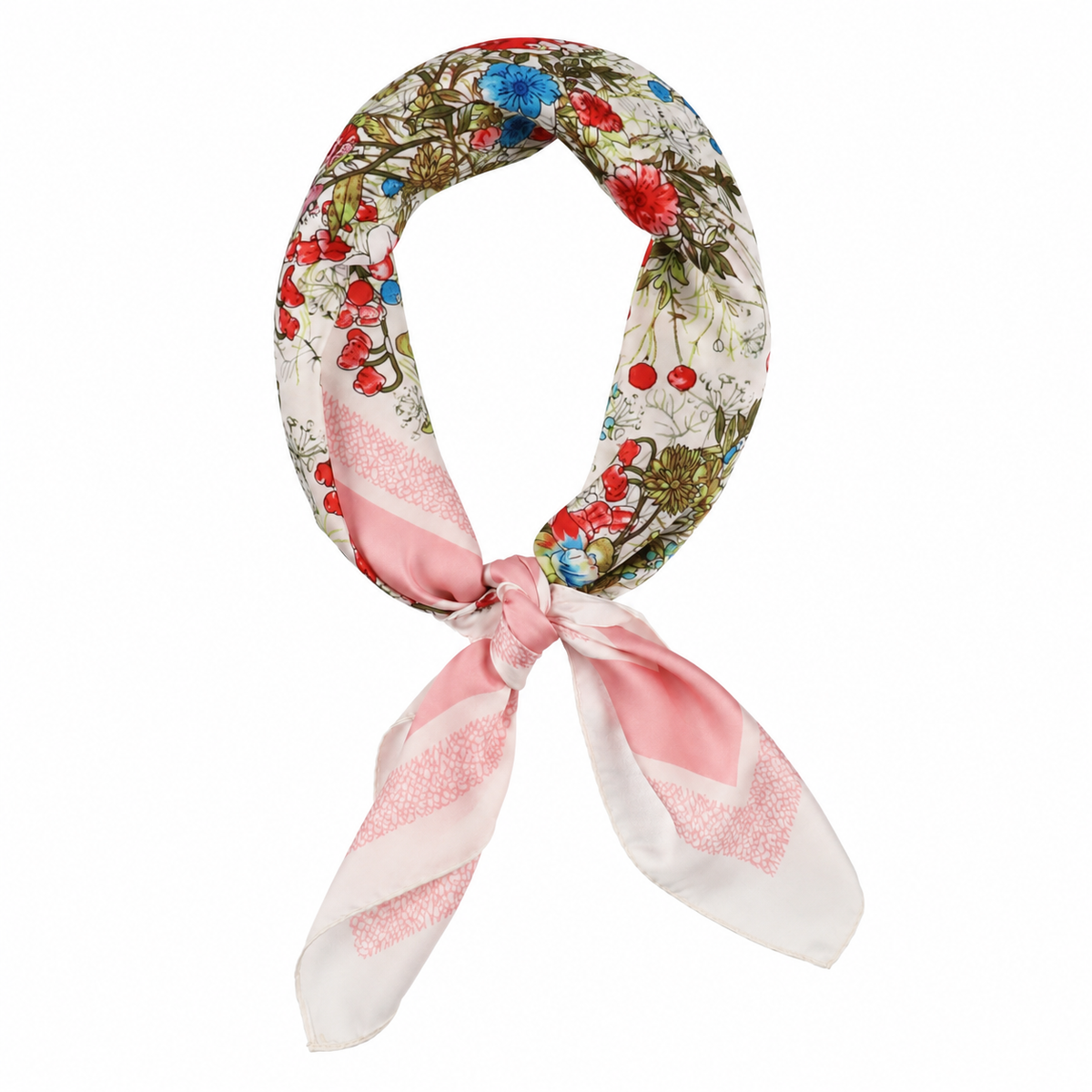
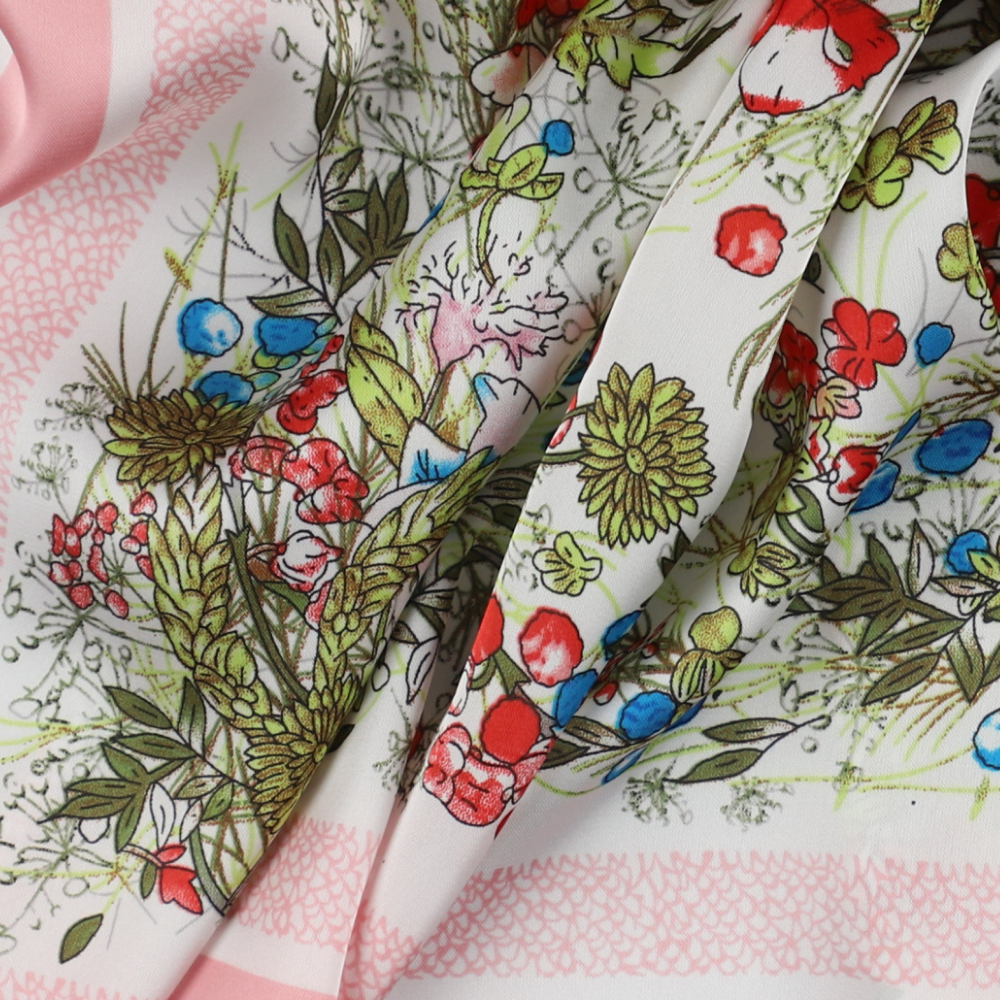
70×70 cm / 28×28 in
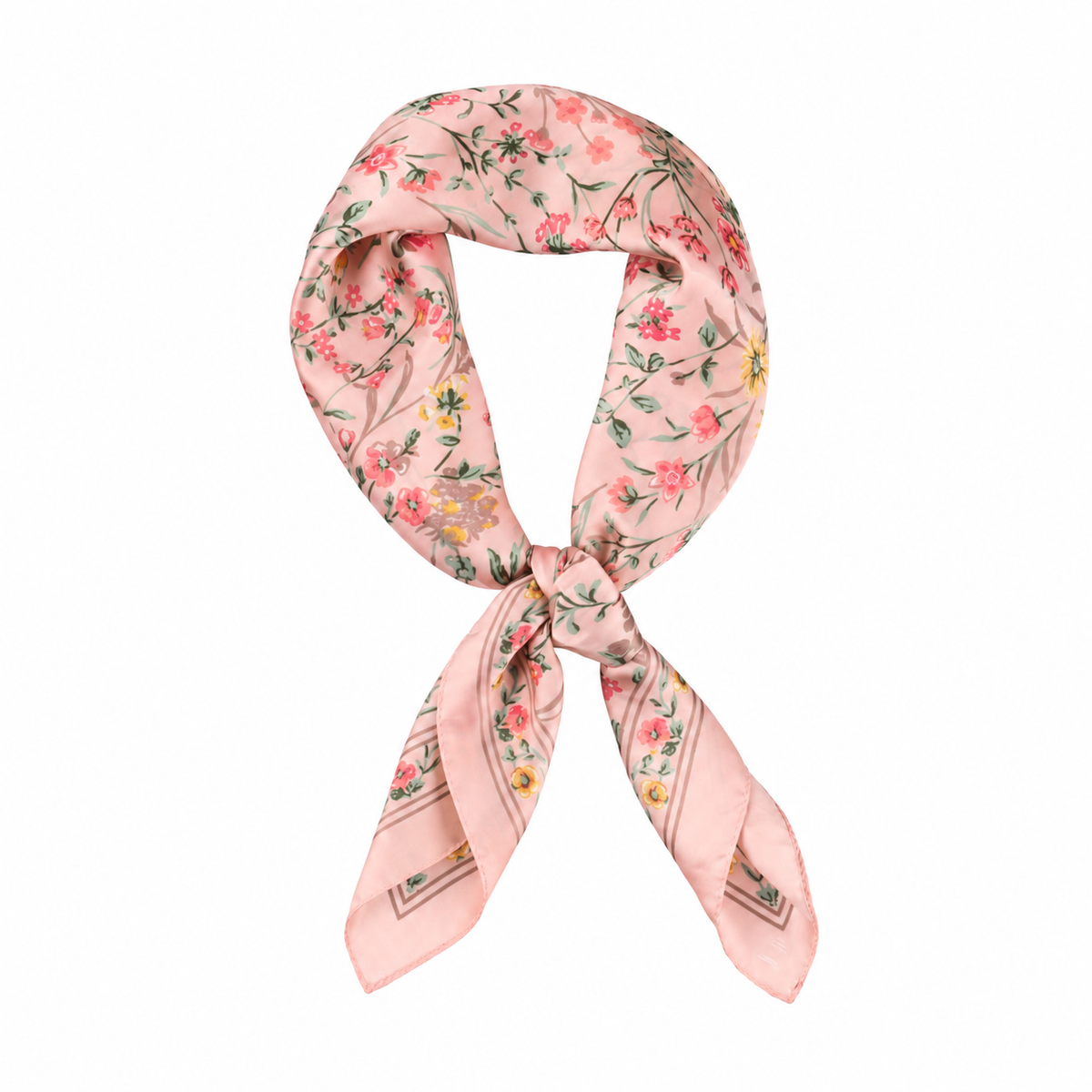
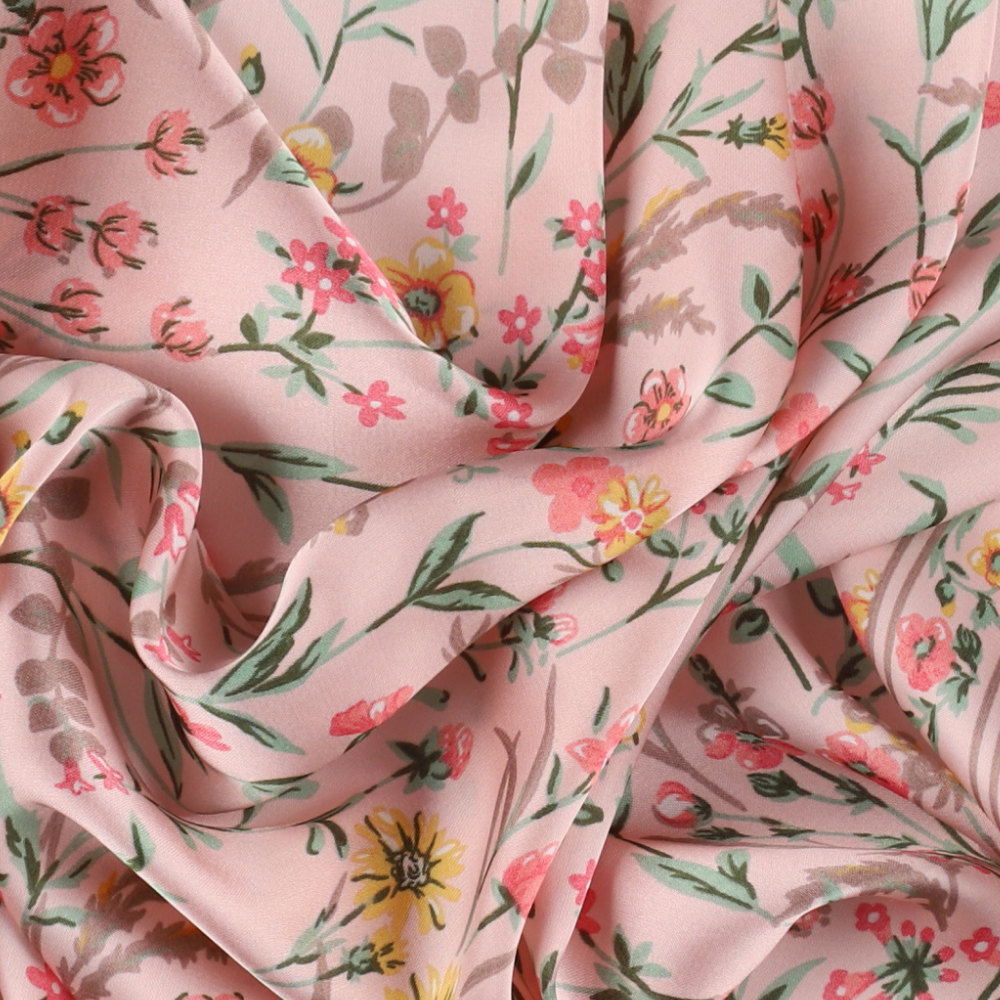
70×70 cm / 28×28 in
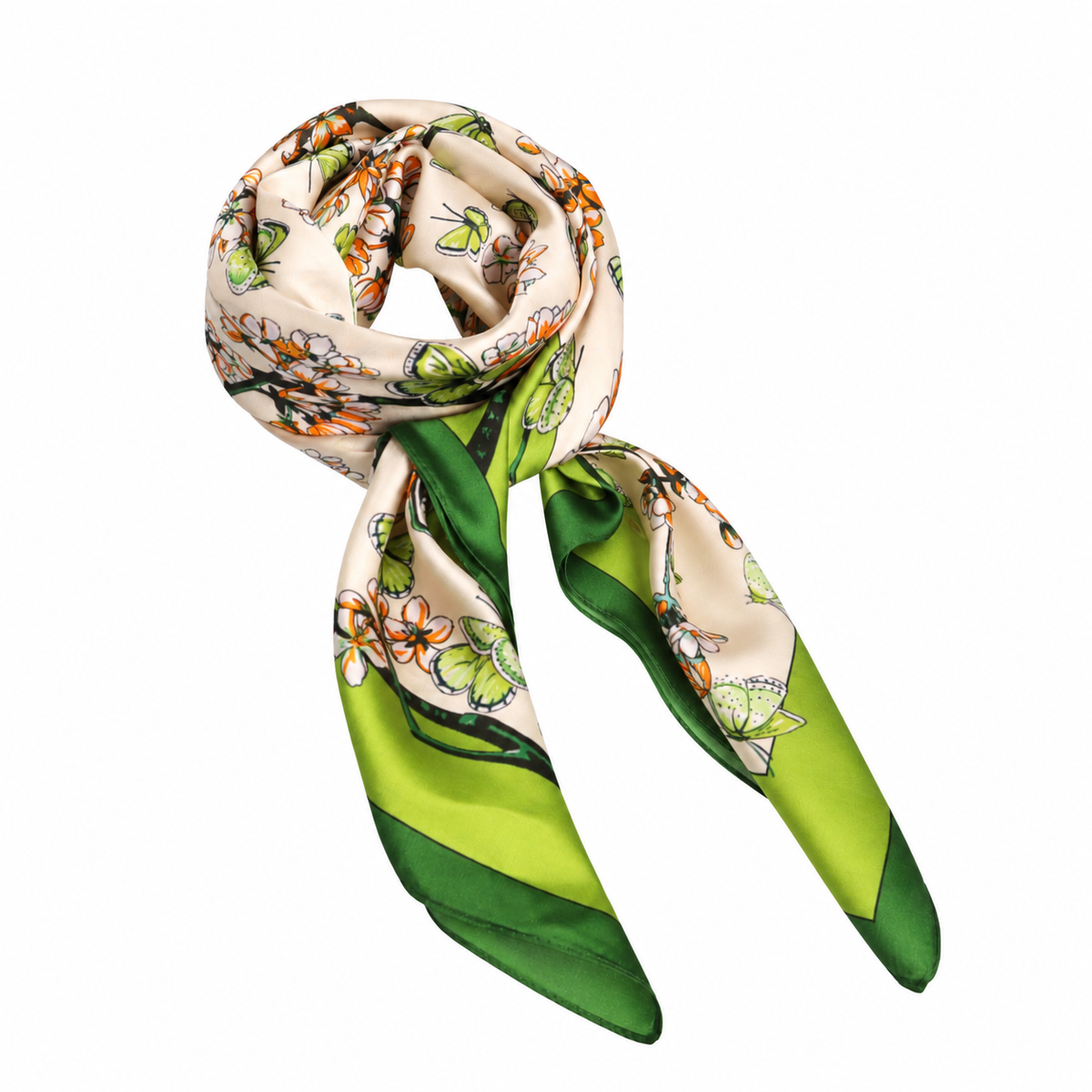
90×90 cm / 35×35 in
90×90 cm / 35×35 in
90×90 cm / 35×35 in
90×90 cm / 35×35 in
70×70 cm / 28×28 in
70×70 cm / 28×28 in
90×90 cm / 35×35 in
90×90 cm / 35×35 in
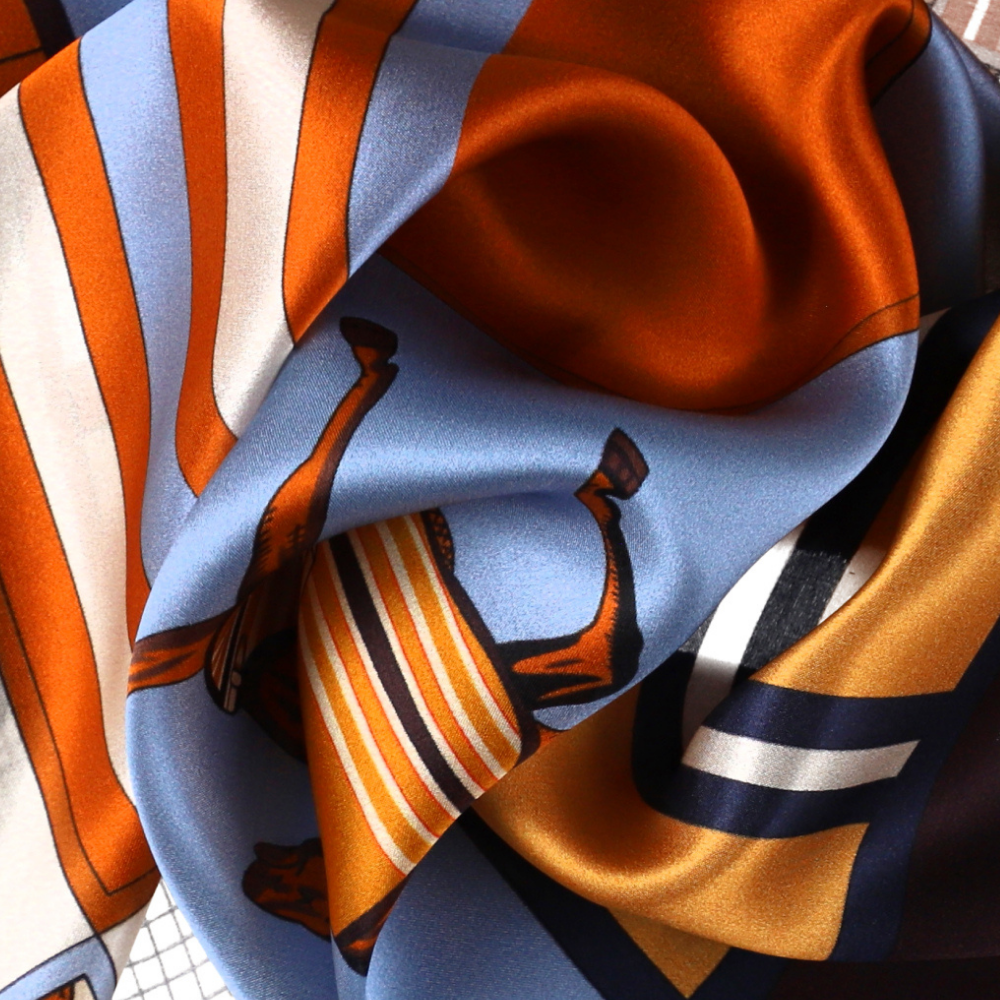
90×90 cm / 35×35 in
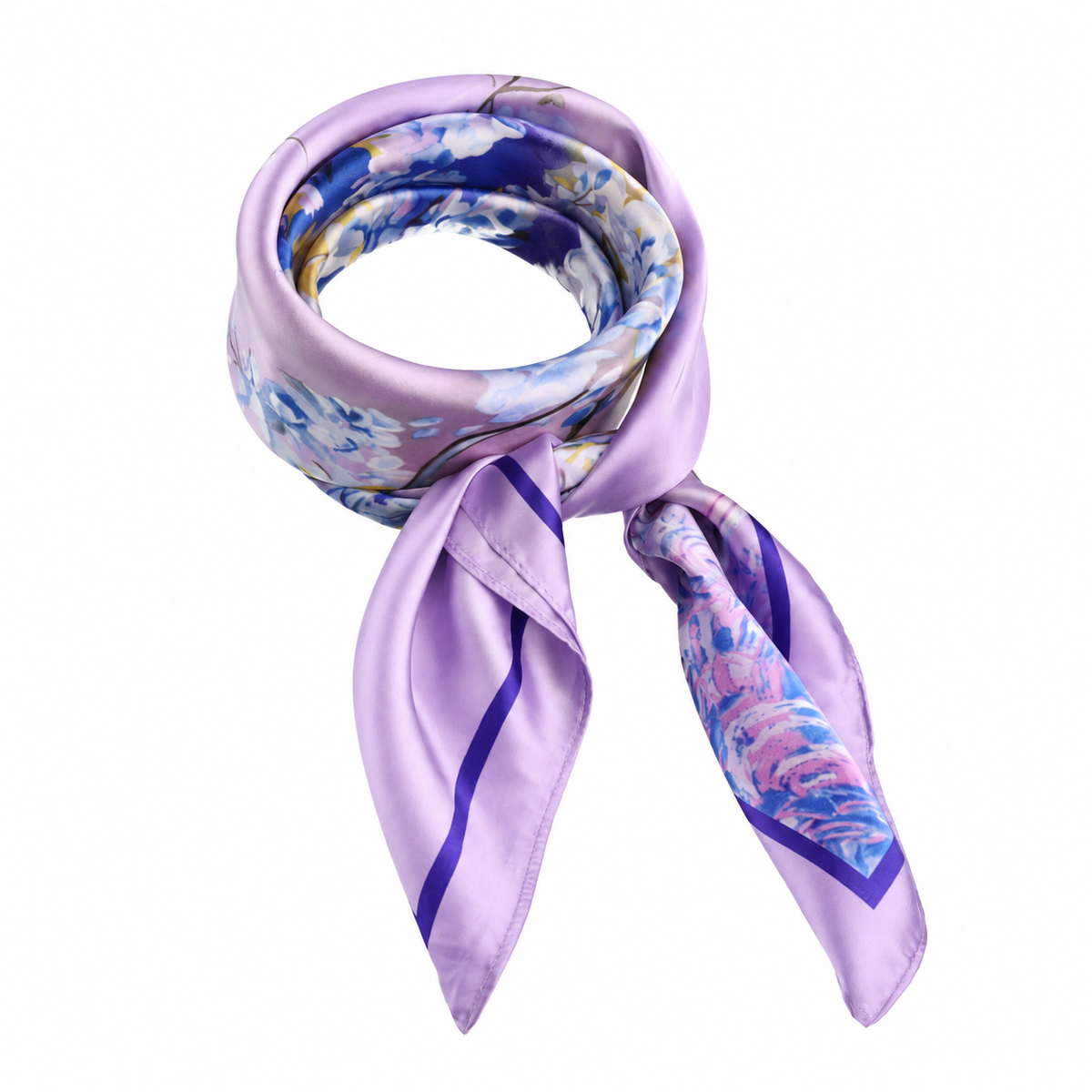
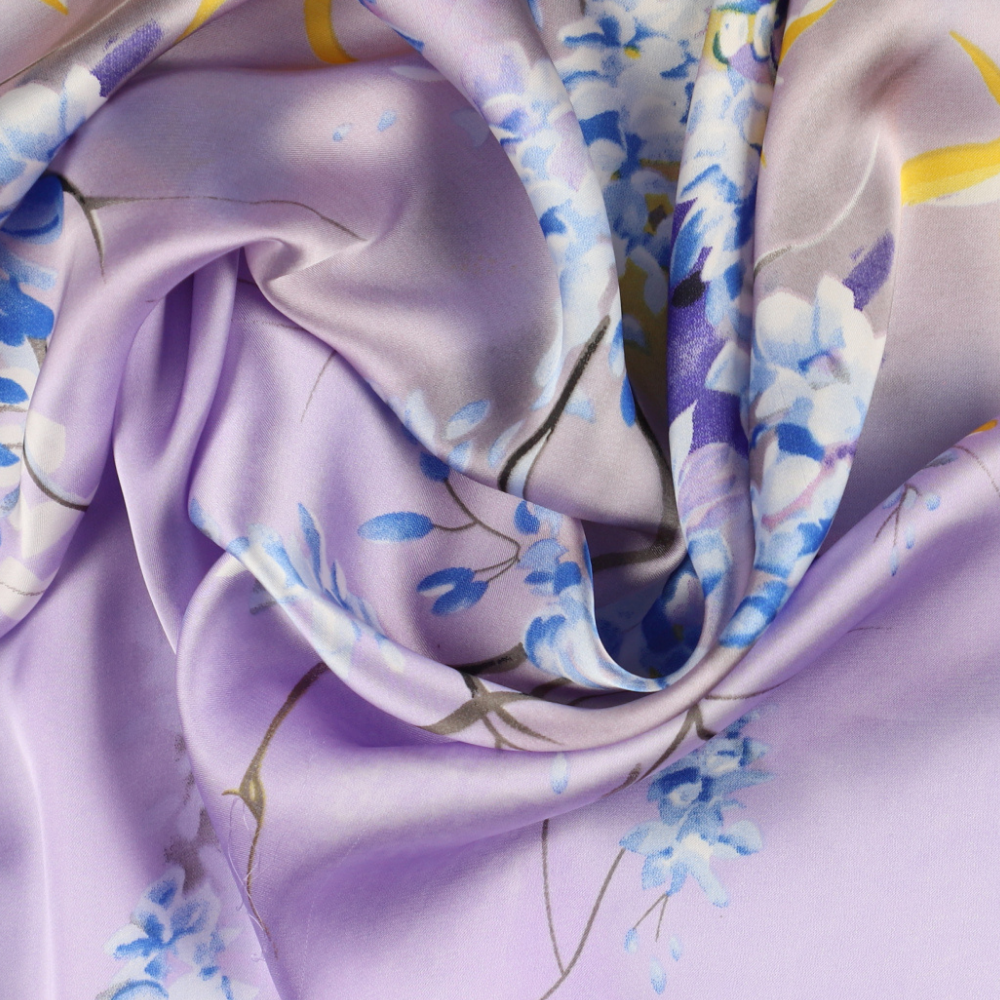
90×90 cm / 35×35 in
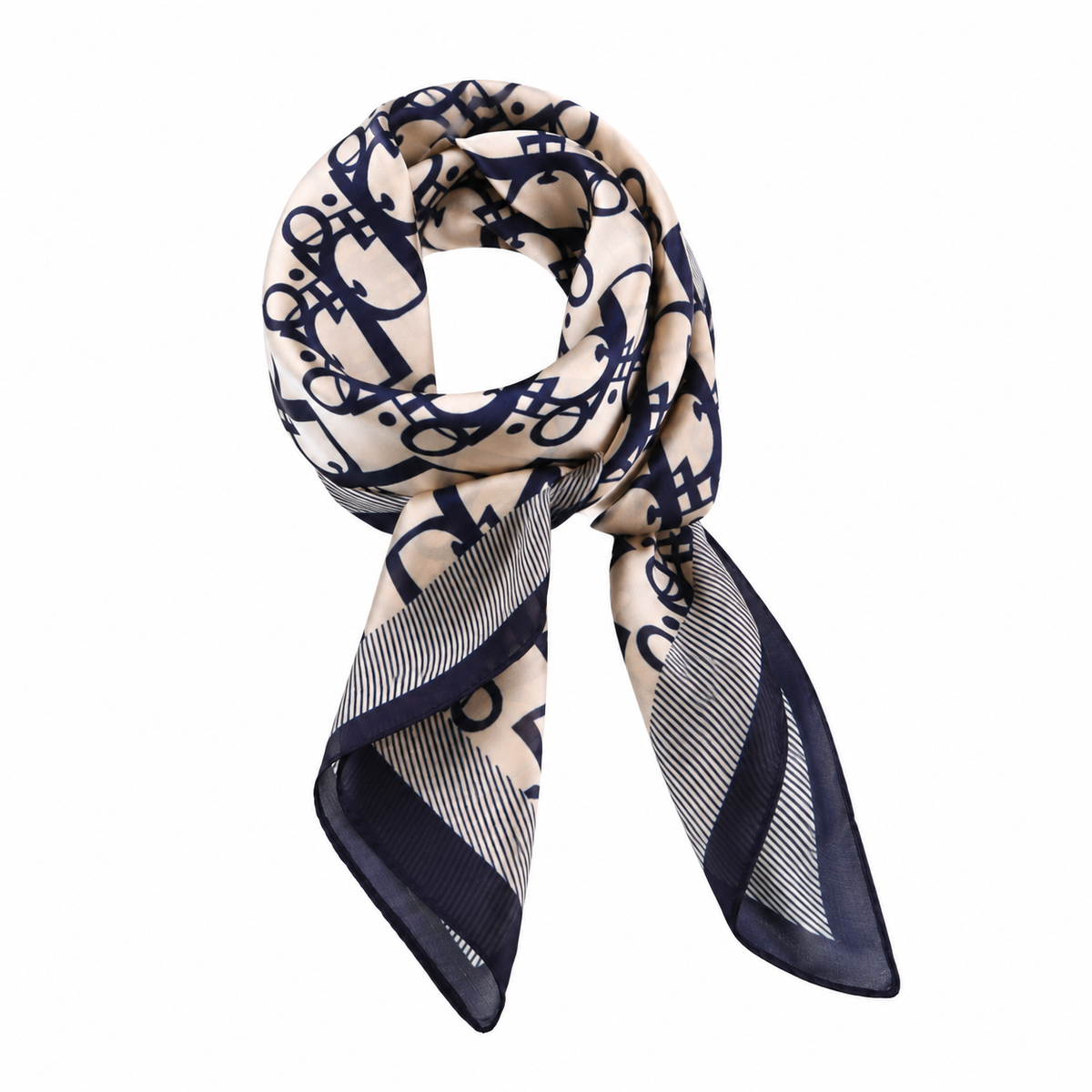
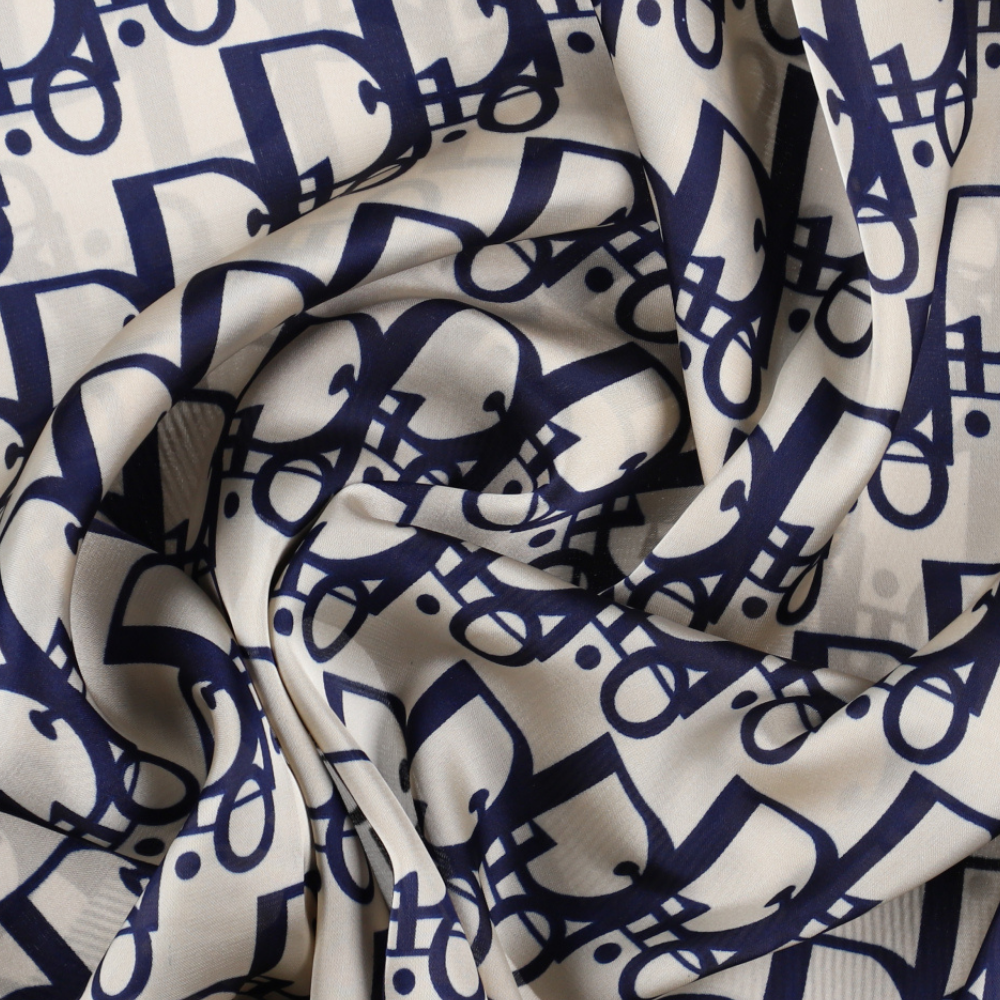
90×90 cm / 35×35 in
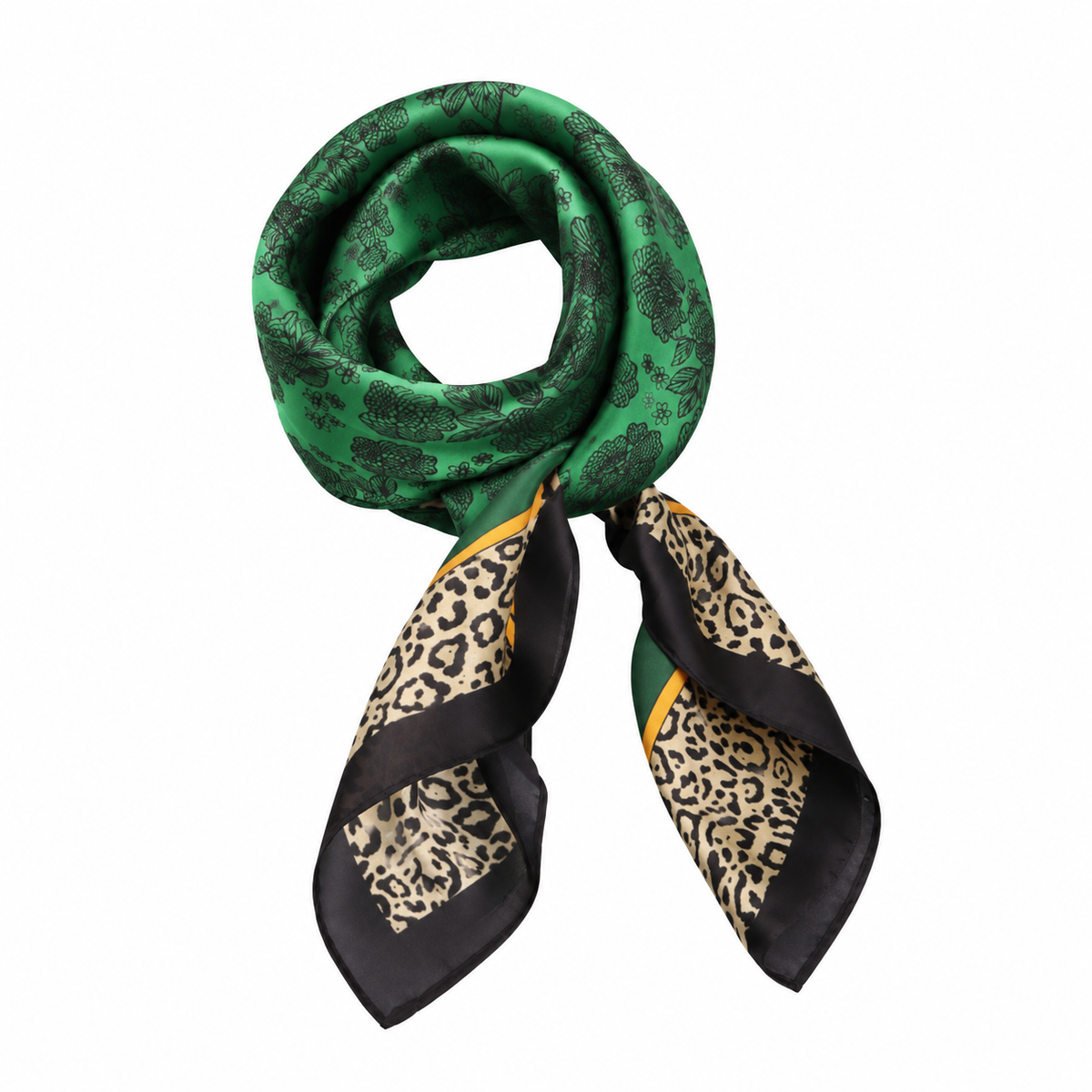
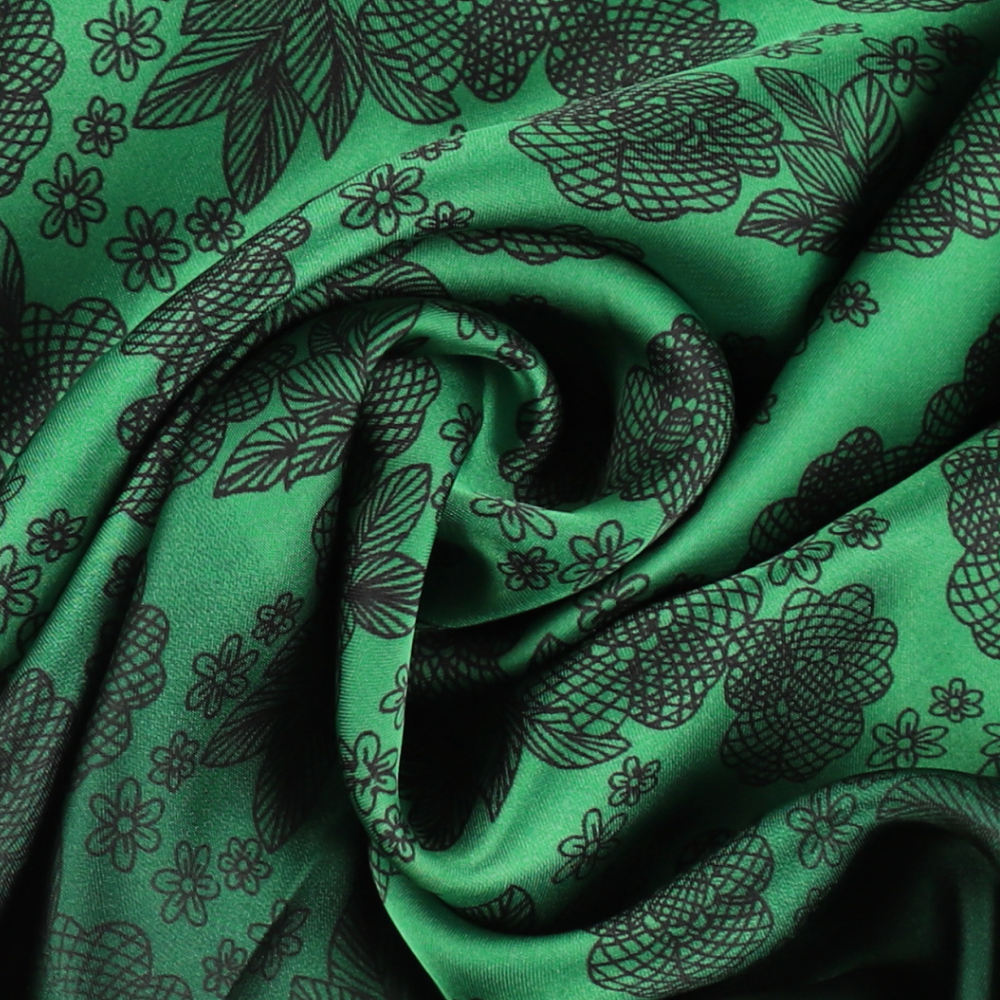
90×90 cm / 35×35 in
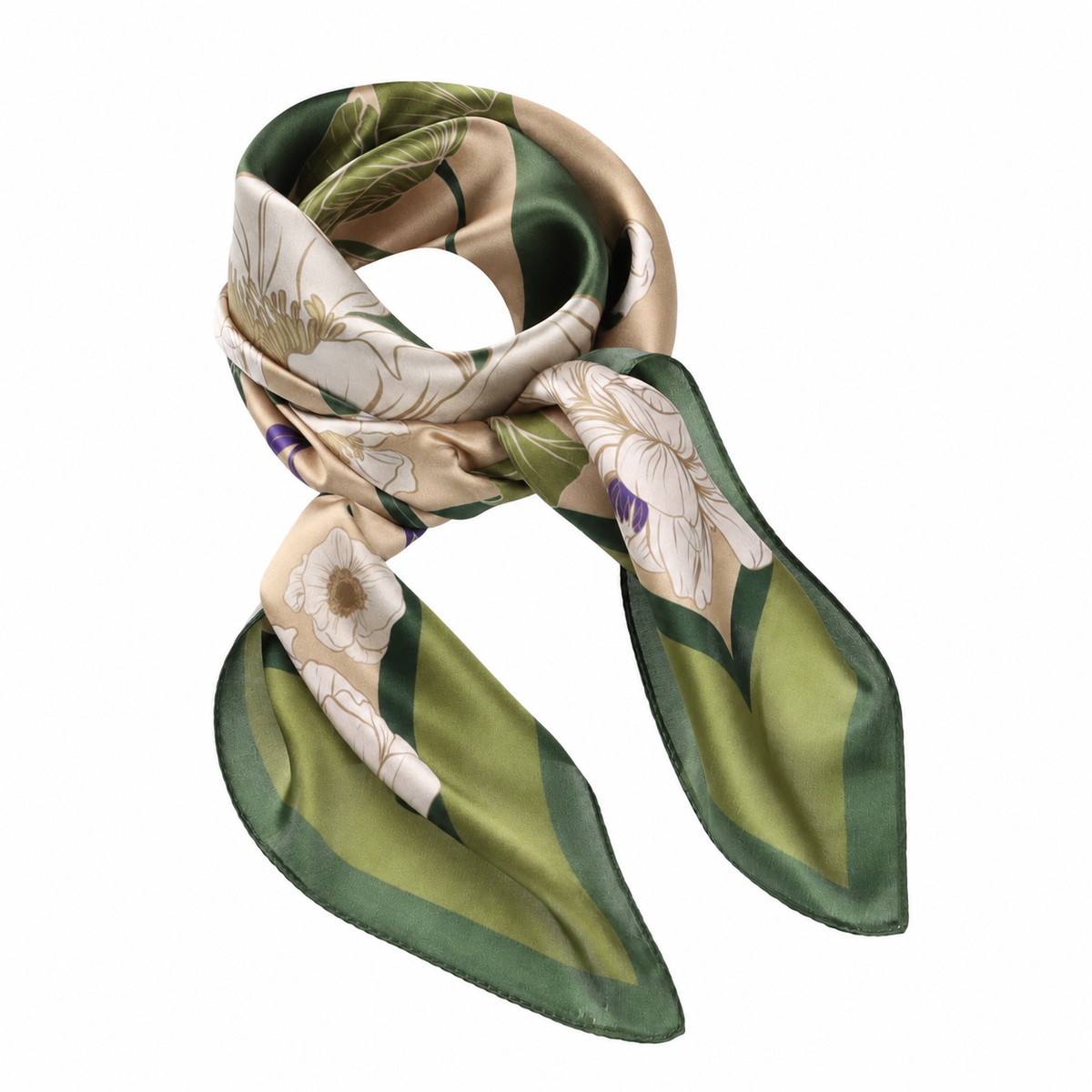
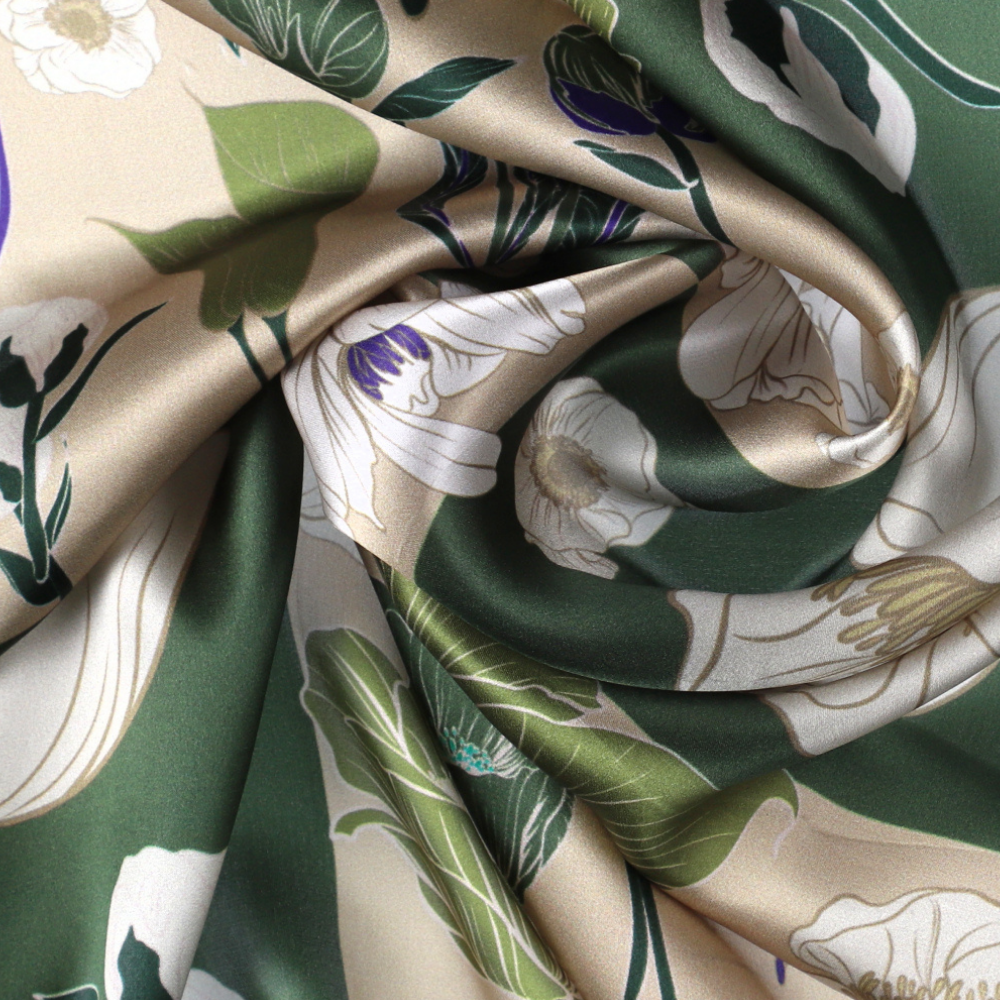
90×90 cm / 35×35 in
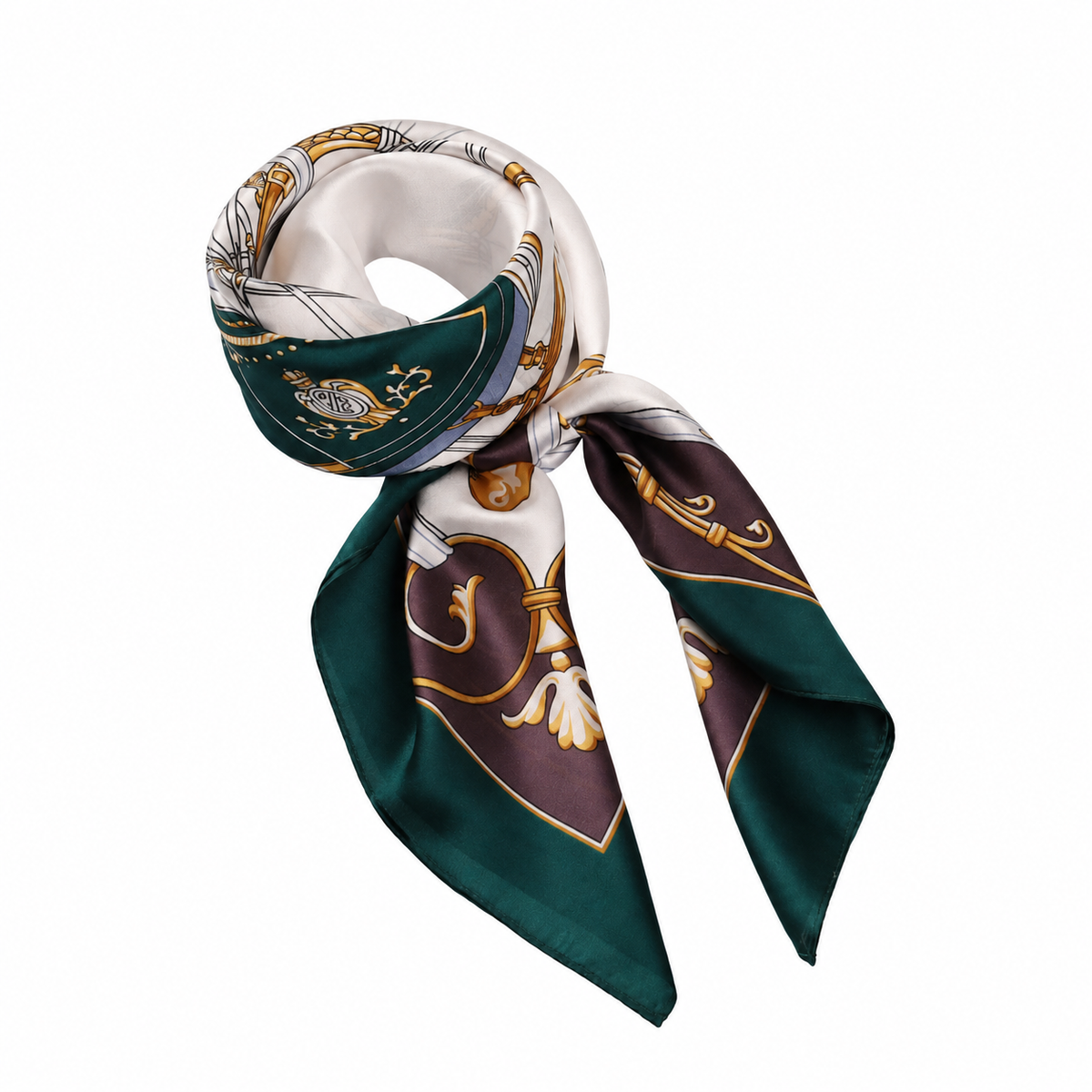
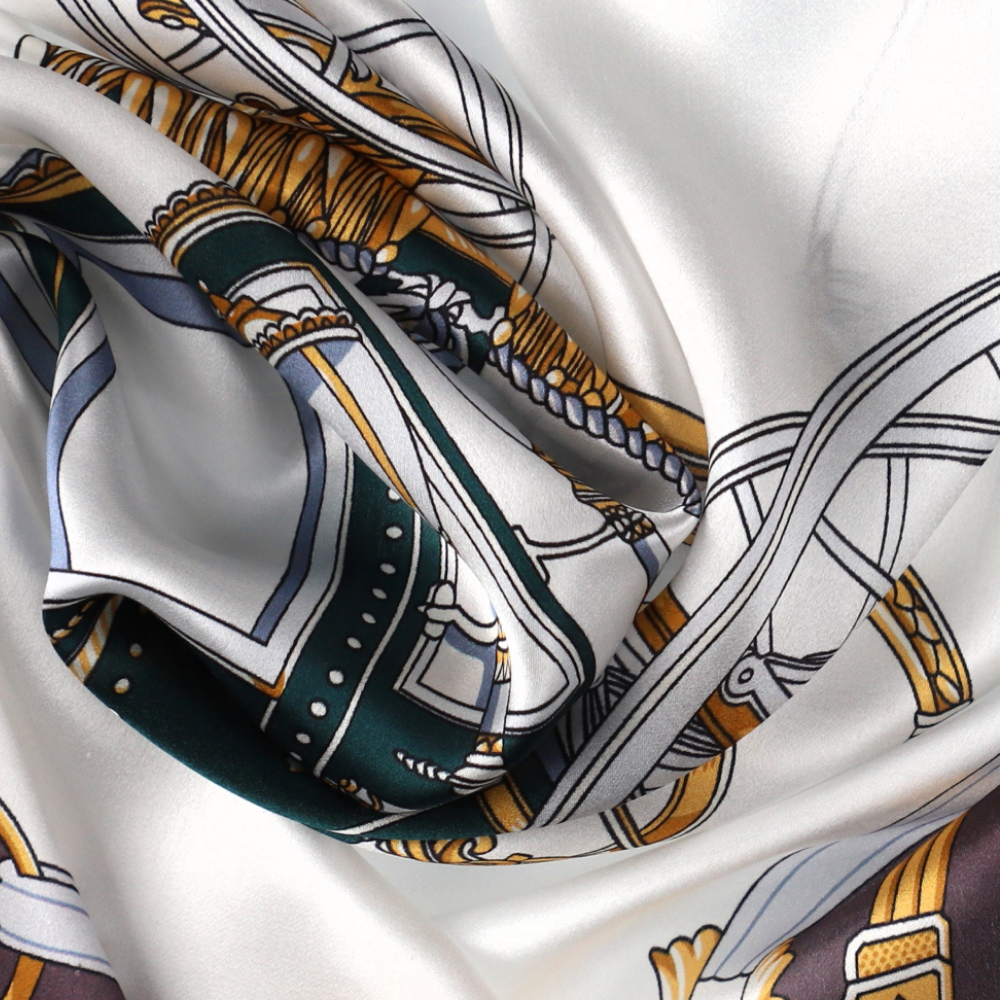
90×90 cm / 35×35 in
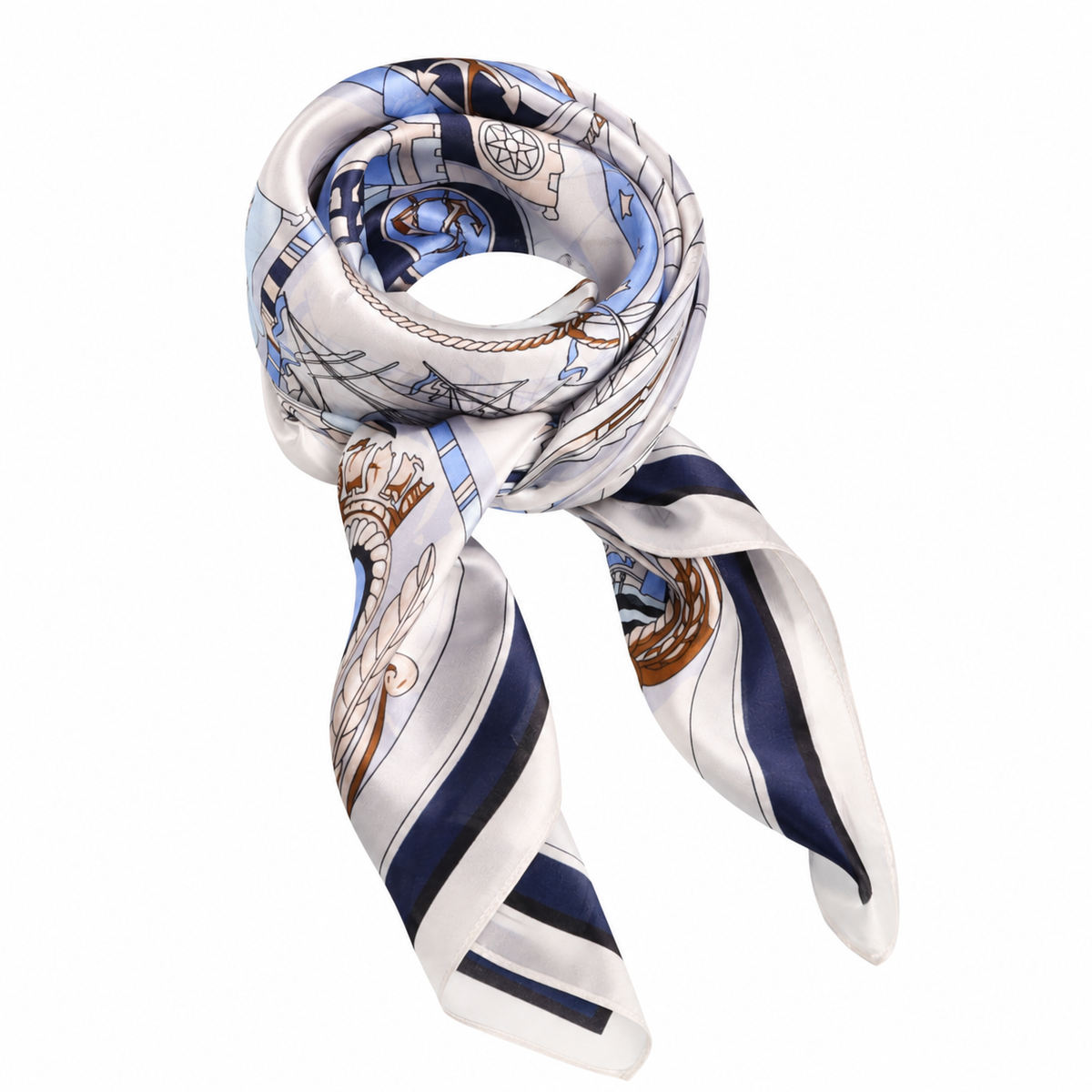
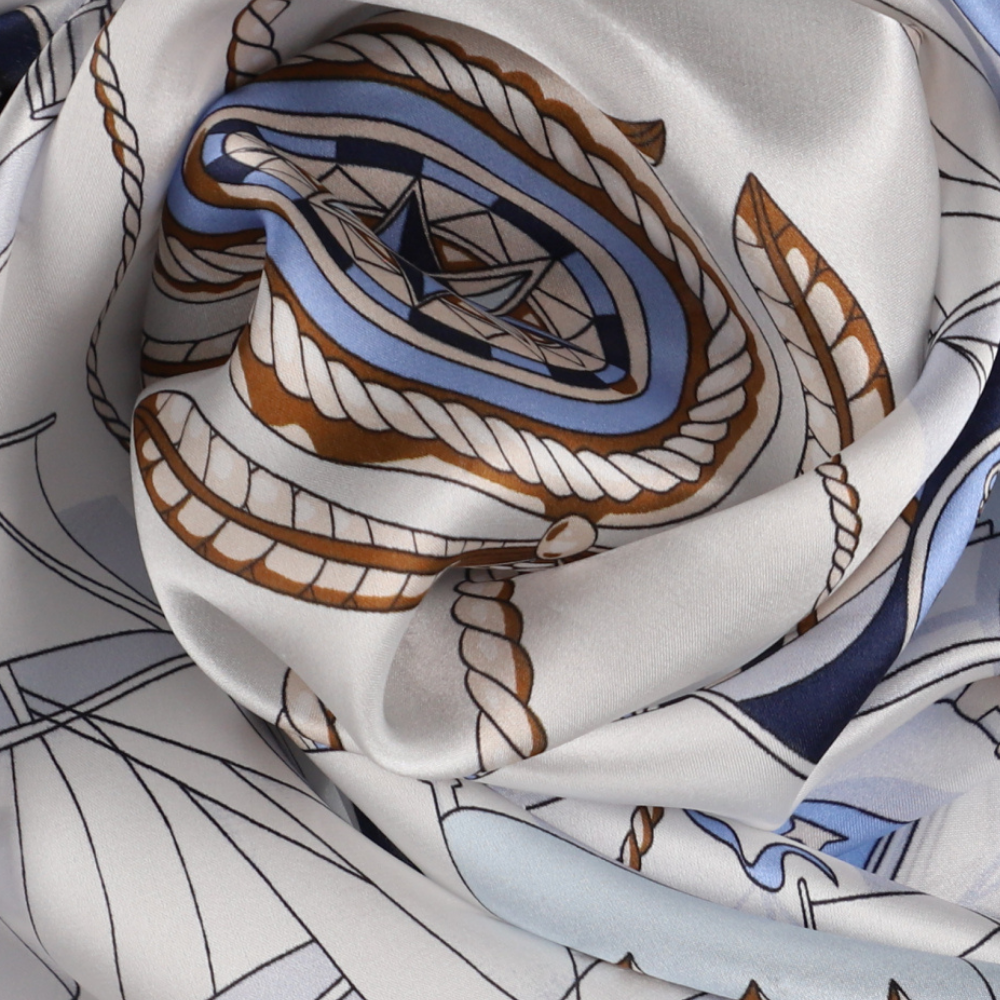
90×90 cm / 35×35 in
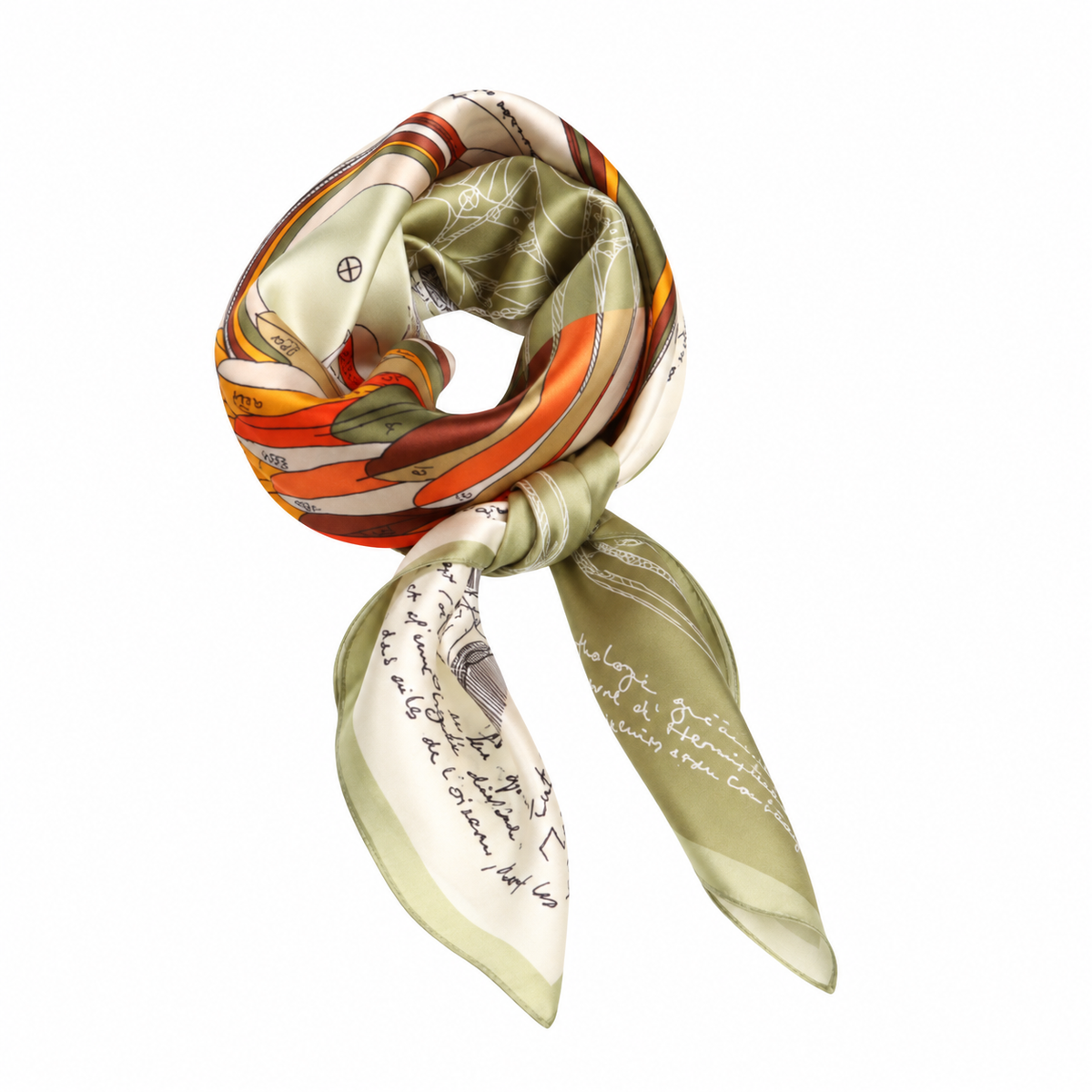
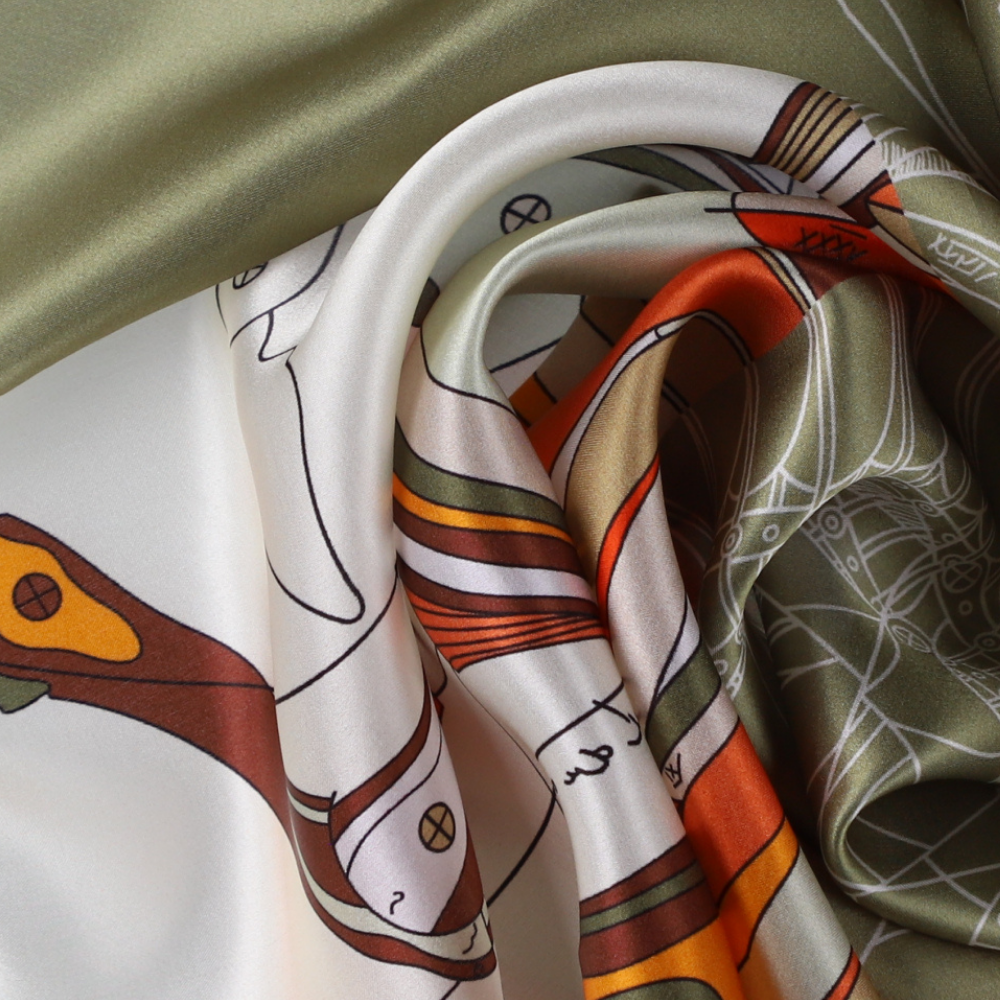
90×90 cm / 35×35 in
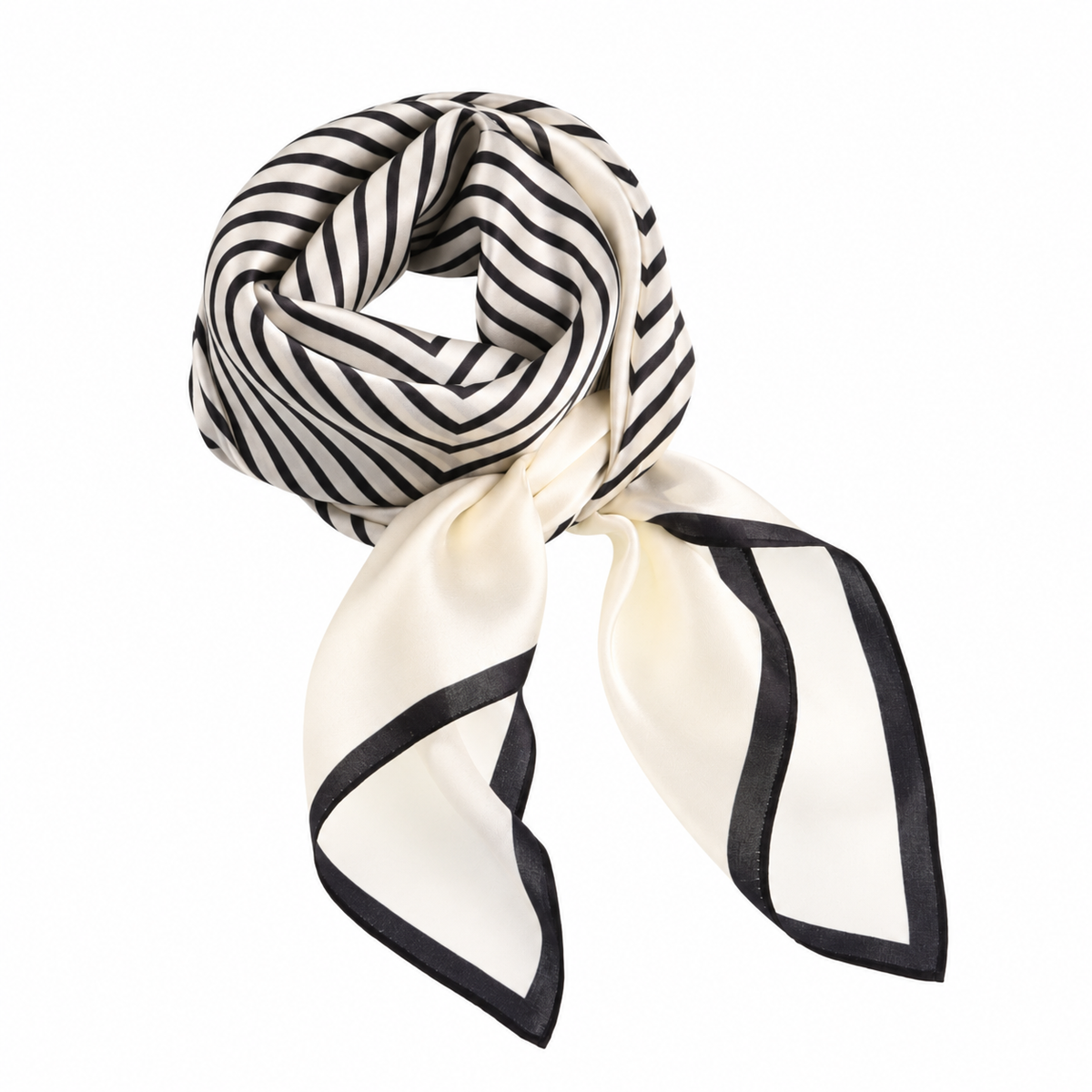
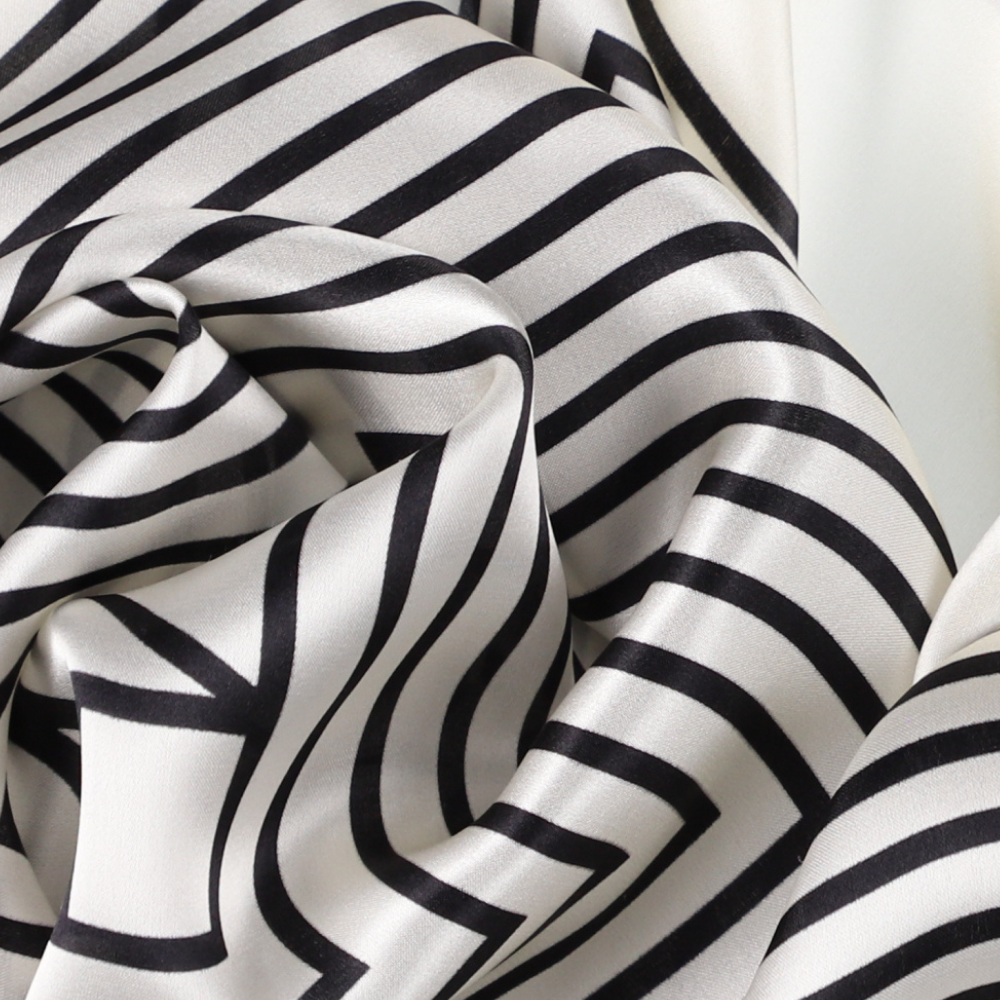
90×90 cm / 35×35 in
Shawl: how to choose and style the perfect wrap
Shawl collection at UniqueYou
A shawl is a simple, loose piece of clothing worn over the shoulders or around the neck; UniqueYou's selection includes women's wraps in different weights, sizes, and finishes for daily layering, office wear, and formal events. This guide covers materials, proportions, and styling so you can match a shawl to your coat, evening dress, or favourite jeans-and-blouse combination. Exact dimensions, fibre content, and care instructions are listed on each product page, because details like weight and weave may vary between models.
Types of shawls
Shawls are versatile accessories that can transition from casual to elegant attire. The collection breaks into four practical groups, plus a note on pattern vs. solid colour choices.
Lightweight everyday shawls
Thin, soft wraps in finer yarns suit the months between March and October, when you need a light layer over a T-shirt, blouse, or thin jacket. These shawls tend to be rectangular, around 180 × 70 cm, in muted tones or small-scale prints. The easiest way to wear one: drape it loosely over the neck or let it hang across both shoulders without tying a knot. Lightweight chiffon shawls, for example, are ideal for summer parties and casual outings where warmth is secondary to style.
Warm winter shawls
Thicker wool or wool-blend shawls work as genuine insulation. A piece roughly 180 × 70 cm in a heavier yarn (around 350 to 500 g depending on area) wraps two or three times around the neck or sits flat over a coat's shoulders. Selecting a shawl for winter involves considering its weight; a bulkier weave holds heat better but adds volume under a high collar or hood. If your coat already has a large lapel, choose a softer, less rigid fabric that tucks inside the collar line rather than bunching above it.
Evening and occasion shawls
Silk shawls have a smooth, lustrous finish, ideal for formal events, cocktail dresses, and weddings. These pieces sit lightly on bare shoulders or drape across the upper back; their role is decorative more than thermal. A stole roughly 55 to 65 cm wide and 180 to 200 cm long covers enough skin without overwhelming a fitted dress. Pashmina shawls are associated with luxury and are often used for formal wear; even a plain pashmina in a neutral colour reads as elegant when folded over the arms.
Large wrap shawls / stoles
Bigger models, sometimes reaching 100 × 200 cm or more, double as office wraps, travel blankets, or shoulder covers for sleeveless dresses. A large shawl can cover the shoulders, upper arms, and part of the back. Fold the same piece lengthwise into a narrower strip and it works like a standard scarf at the neck. Different types of shawls include rectangular wraps, triangle shawls, and ruanas; in the large-wrap category, rectangular formats offer the widest range of draping and tying options.
Patterned vs. solid colour shawls
This is a styling distinction, not a separate product type. A solid-colour shawl pairs cleanly with a patterned dress or a busy print coat; a paisley or geometric shawl adds visual interest to a plain outfit. When the shawl carries multiple colours, picking one of those colours and echoing it in a bag, shoe, or dress ties the outfit together. Shawls can serve as a colour accent in an outfit, so a bright wrap over a neutral coat creates a clear focal point without competing elements.
What to look for in a shawl
The choice of shawl depends on the occasion, material, and personal style. Three attributes shape how a shawl feels, drapes, and fits into your wardrobe: fibre and weave, dimensions, and finishing. Product pages list specifics for each model; the points below explain how to read those details.
Material and weave
Shawls can be made from silk, cashmere, and wool; UniqueYou offers shawls in synthetic and blended materials as well. Wool gives warmth but may feel coarser against bare skin. Silk provides drape and a subtle sheen suited to dresses. Blends (wool-viscose, cashmere-silk) combine properties: softness from one fibre, structure from the other. A tightly woven twill feels firmer; a looser plain weave or knit moves and folds more freely. For a wrap meant to lie against bare shoulders over a cocktail dress, look for a thinner, softer fabric rather than a stiff, heavy one.
Size, shape and proportions
Shawls vary in size, typically around 180 × 70 cm for a standard rectangular piece. Width determines shoulder coverage: 70 cm comfortably covers both shoulders without slipping; narrower formats (around 50 cm) work better wrapped at the neck. Length controls how many loops you can make or how far the ends hang when draped. Before ordering, measure a scarf or shawl you already own with a tailor's tape and compare those numbers to the dimensions listed on the product page. Shawls can be worn around the neck or shoulders; the proportions you choose decide which option feels natural.
Colour and pattern
A shawl in a shade close to your coat creates a calm, tone-on-tone look. A contrasting colour (rust against navy, ivory against black) turns the wrap into the outfit's focal point. With a multicolour pattern, match at least one shade to something else you are wearing: a dress, a bag, a belt. Rather than following a universal rule about which colour suits everyone, hold the shawl near your face in front of a mirror and check whether it brightens or flattens your complexion.
Finishing details
Fringes, decorative borders, and clean hems shift a shawl's character. Long, loose fringes draw attention to the ends; they stand out against simple, unadorned clothing but can look busy paired with an already detailed outfit. A discreet rolled hem or a narrow woven border reads as more polished, suited to office layering or evening use. Traditional embroidered shawls are often used in cultural contexts and celebrations, where ornate edge work is part of the garment's identity. Close-up product photos show these details for each model.
How to choose the right shawl
Two or three decisions narrow the options to a handful of pieces. Different tying methods can change the shawl's appearance, so think about how you plan to wear it as much as where.
Occasion and outfit character - Shawls can be styled with evening gowns, casual outfits, or office wear. A solid, neutral wrap transitions across all three. A richly patterned or fringed piece suits a specific context better. For daily comfort, lean toward simpler finishes; for a wedding or gala, look for sheen or embellishment.
Coat or outer layer - A bulky parka with a high collar needs a soft, thinner shawl that tucks without adding bulk. A streamlined trench or tailored blazer leaves room for a wider, more structured wrap. Check how the shawl sits with the coat both buttoned and open.
Warmth and season - Heavy yarn weights (350 g and above) belong to winter. For spring and summer layering, look for lighter wraps under 150 g that add style without trapping heat. Shawls can be draped, wrapped, or tied for various styling options; lighter fabrics hold a loose drape better in warm weather.
Preferred wearing style - If you loop a scarf around your neck several times, choose a longer piece (200 cm or more). If you prefer the shawl draped flat across your shoulders, prioritise width (70 cm and up) and soft hand feel over extra length.
Colour range in your wardrobe - Think about which coats, sweaters, and dresses you wear most often. A shawl that works with three or four of those pieces will get worn far more than one that matches only a single outfit.
Frequently Asked Questions
Practical answers to the questions shoppers ask most when browsing shawl wraps.
What size shawl is best to wear over a dress?
For evening dresses, a width of at least 55 to 70 cm covers both shoulders and the upper back. A length of 180 to 200 cm allows a soft knot or twist at the front. Compare these numbers to the dimensions listed on the product page before you add the item to your cart. A large shawl can cover the shoulders while still hanging with enough drape to look relaxed over a fitted silhouette.
How do I choose a shawl to match my coat?
Start with contrast or harmony: a plain coat pairs well with a patterned shawl; a patterned coat stays calmer with a solid wrap in a matching tone. If your coat has a structured or oversized collar, pick a shawl in a fabric soft enough to sit inside or just above the lapel without forcing extra bulk. Try the shawl with the coat buttoned and unbuttoned to see whether the length of the hanging ends works for you in both configurations.
Can one shawl work for both everyday and evening outfits?
Yes. A mid-weight shawl in navy, beige, or black without loud prints suits jeans-and-shirt combinations and simple dresses equally. The difference comes from how you wear it: loosely draped and slightly rumpled for casual outings, neatly folded across both shoulders for a more polished occasion. Shawls can complement both casual and formal outfits when the colour stays restrained and the fabric has a quiet texture.
How should I care for my shawl so it keeps its shape?
Always check the care label and the product description first, because fibre content determines washing method. As a general rule: hand-wash delicate fabrics in cool water with a gentle detergent, avoid wringing, and dry the shawl flat rather than on a hot radiator. For storage, fold the shawl flat or roll it loosely; leaving it balled up or hanging from a narrow hook stretches the fabric over time. Shawls are categorized by material, weave, and regional craftsmanship, and each combination calls for slightly different handling.
Explore shawls at UniqueYou
Choosing the right shawl starts with one question: what will you wear it with? Browse the collection by colour, size, or season, compare the dimensions on the product page to a wrap you already love, and pick the piece that fits the most outfits in your wardrobe. Shawls trace their roots back centuries and have evolved into cultural garments worn worldwide; finding the one that works for your daily life is the perfect reason to start looking.
FINEST MATERIALS
Softness, comfort and attention to detail.
Express Delivery
Within 24 hours by courier to your home or a pickup point.
EASY RETURNS
Shop with confidence, with the option to return.
SECURE PAYMENTS
Choose your preferred payment method.