
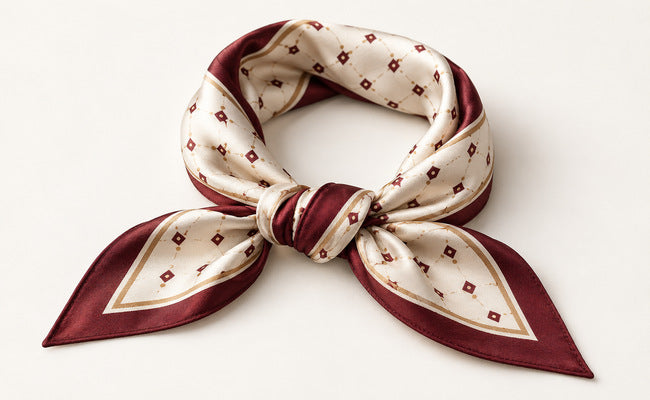

Neckerchiefs
Filters
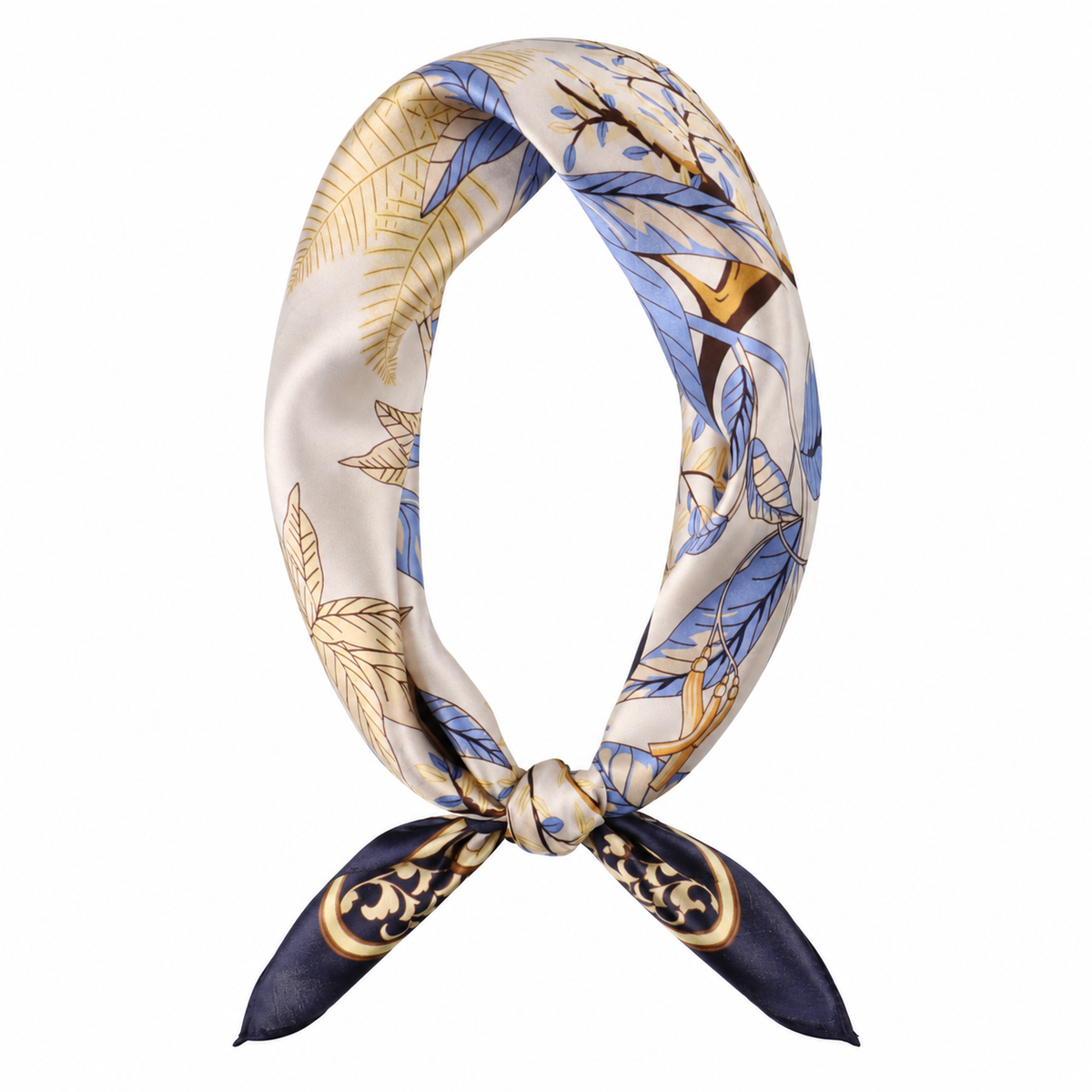
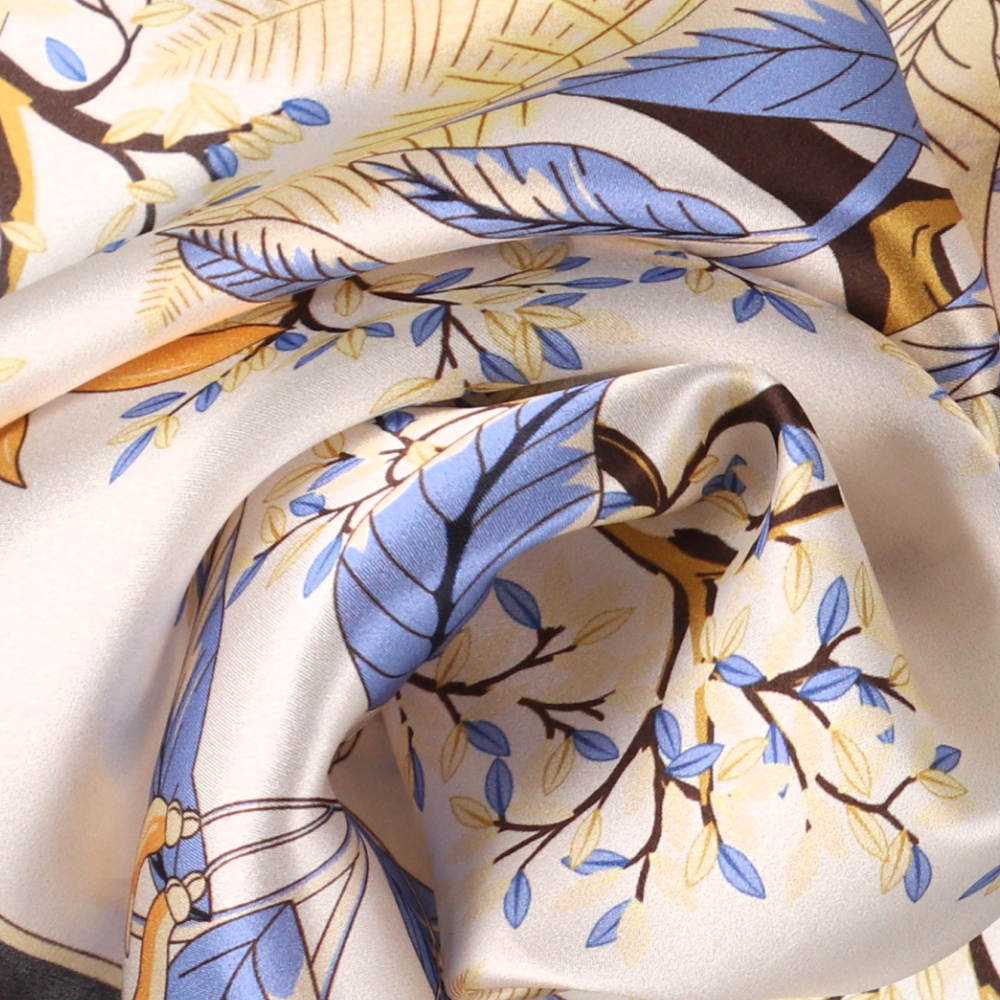
53×53 cm / 21×21 in
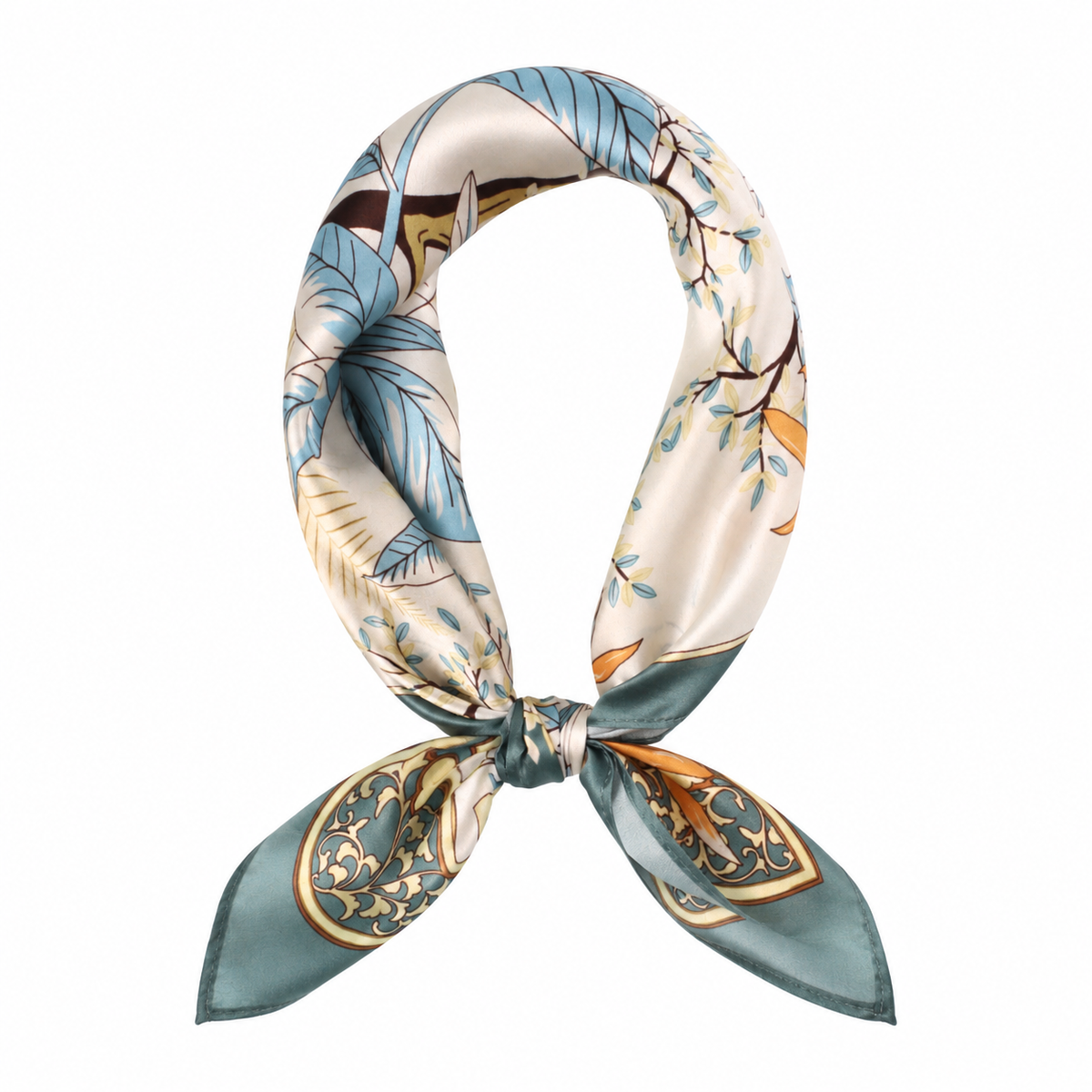
53×53 cm / 21×21 in
53×53 cm / 21×21 in
53×53 cm / 21×21 in
53×53 cm / 21×21 in
53×53 cm / 21×21 in
53×53 cm / 21×21 in
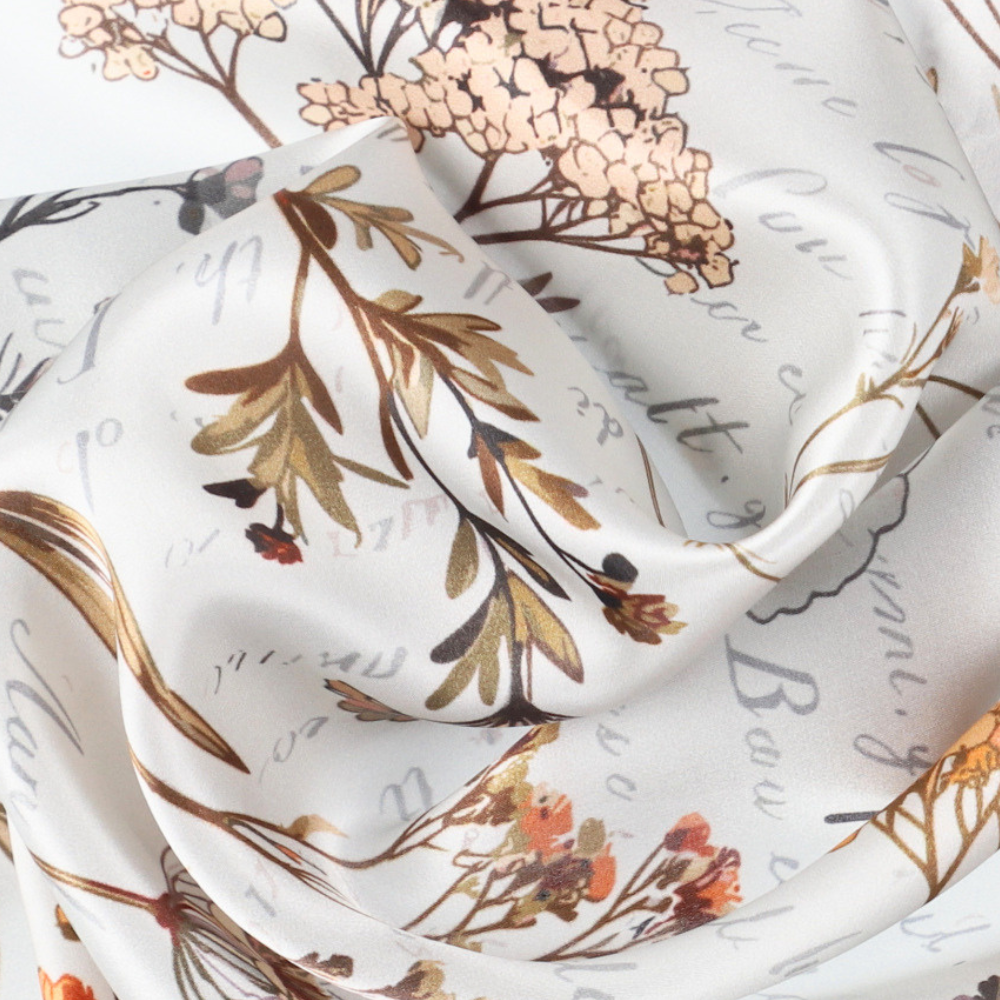
53×53 cm / 21×21 in
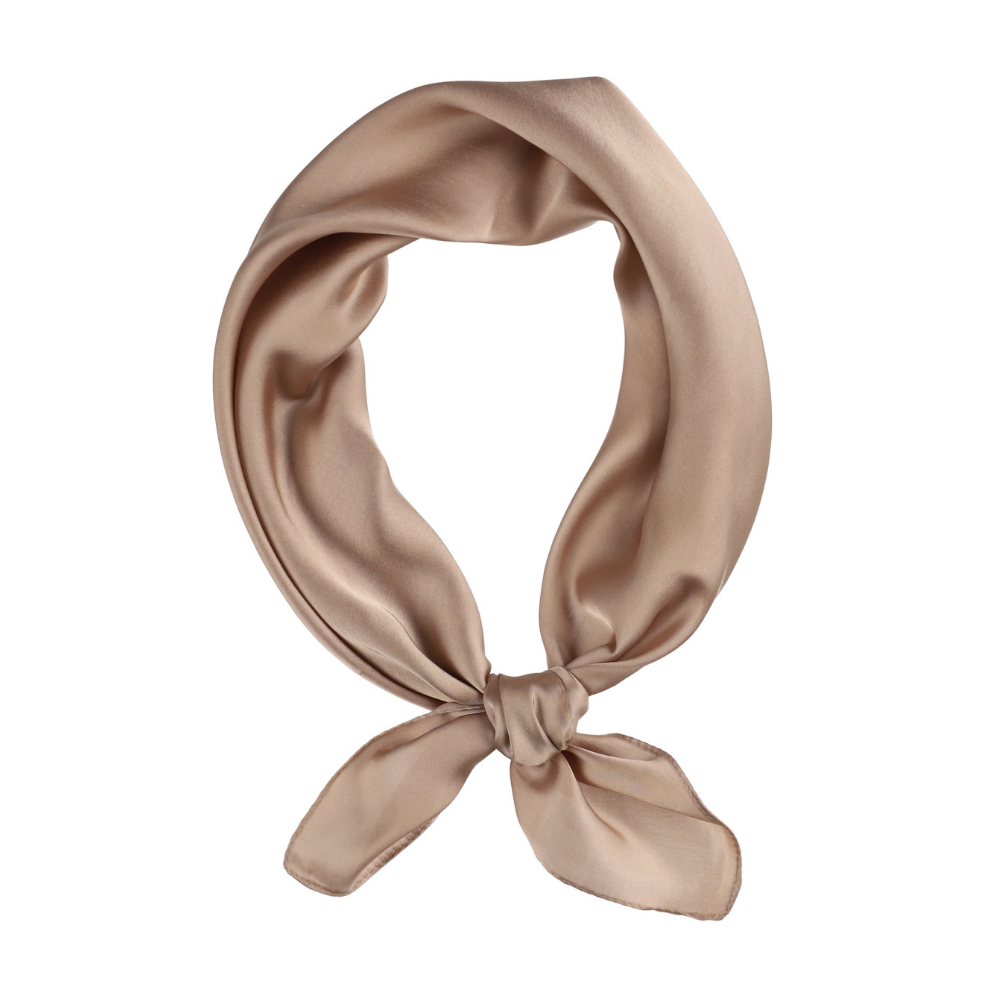
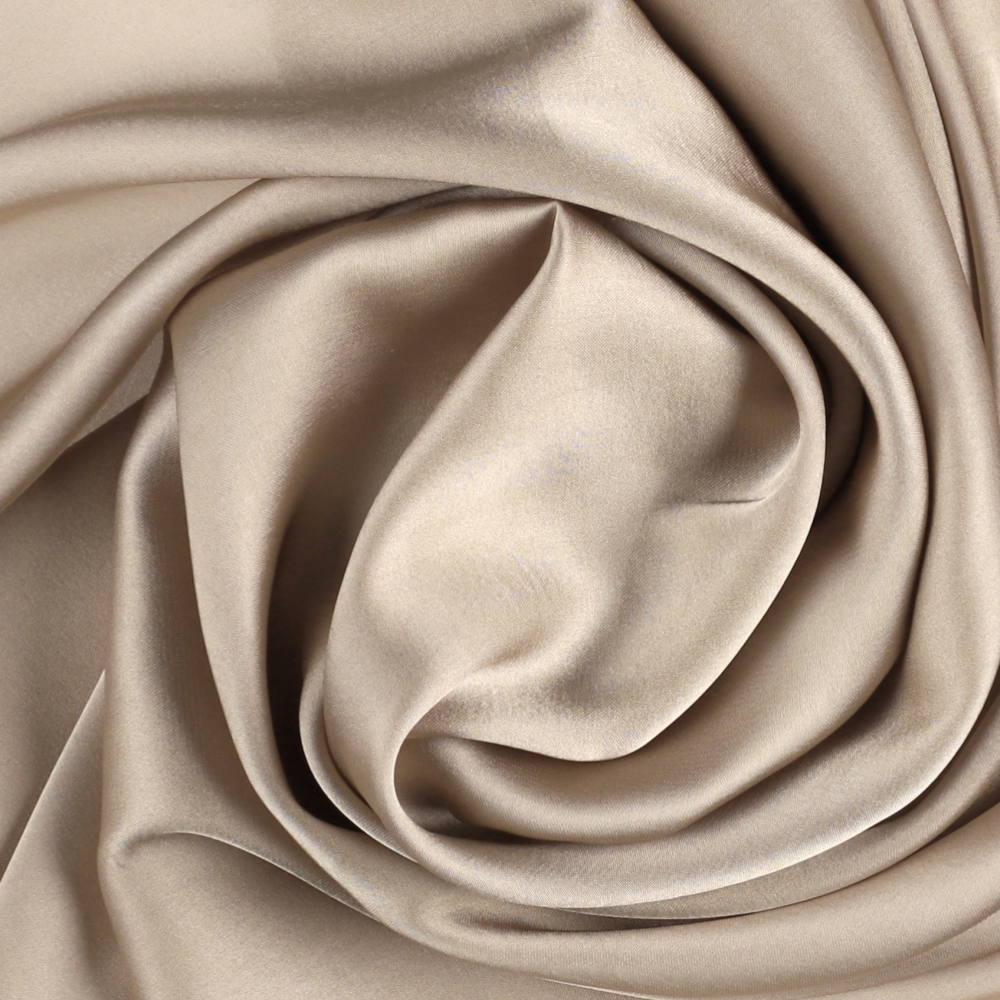
70×70 cm / 28×28 in
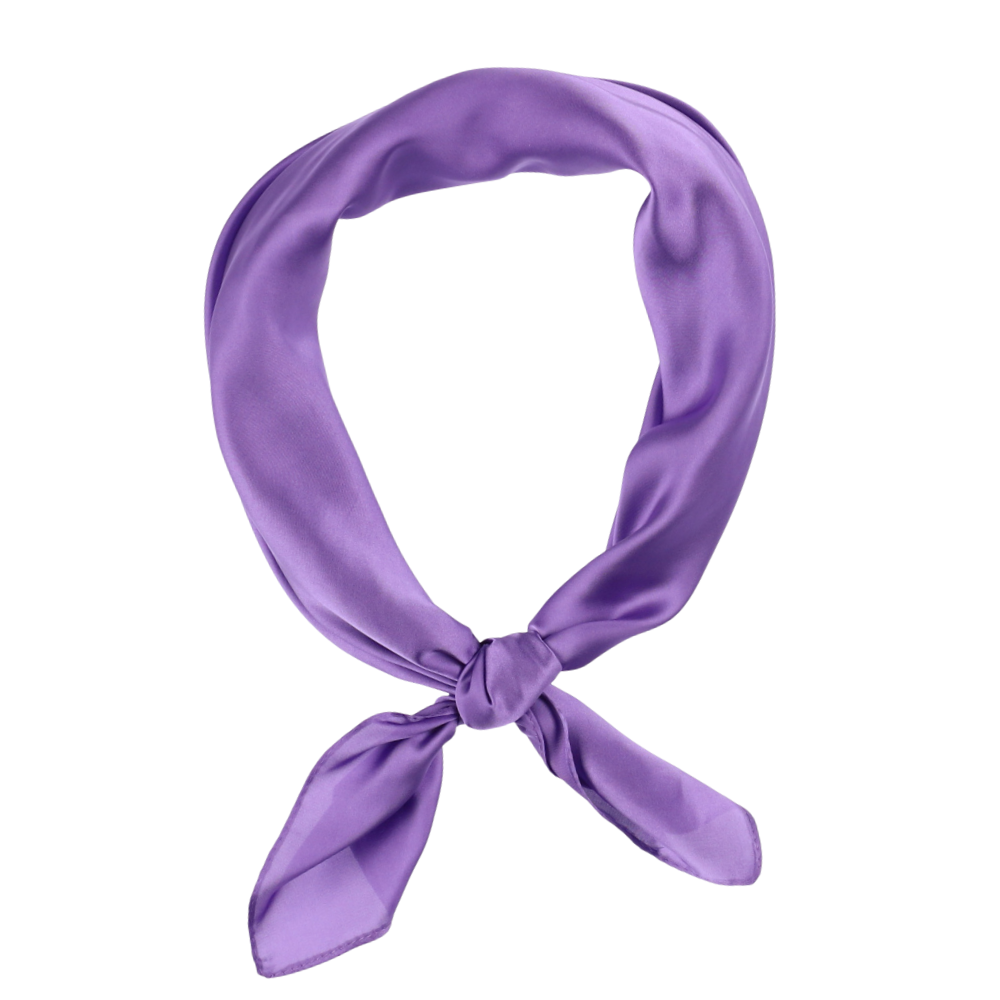
70×70 cm / 28×28 in
53×53 cm / 21×21 in
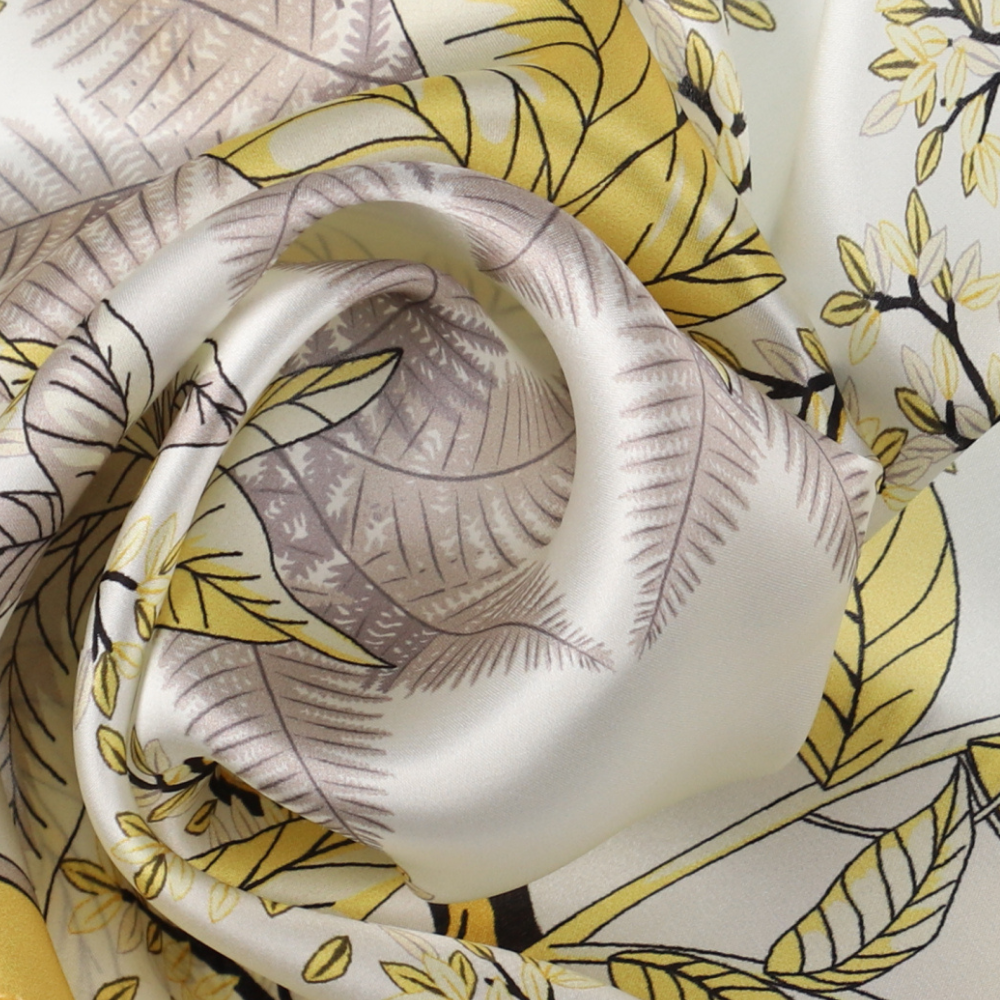
53×53 cm / 21×21 in
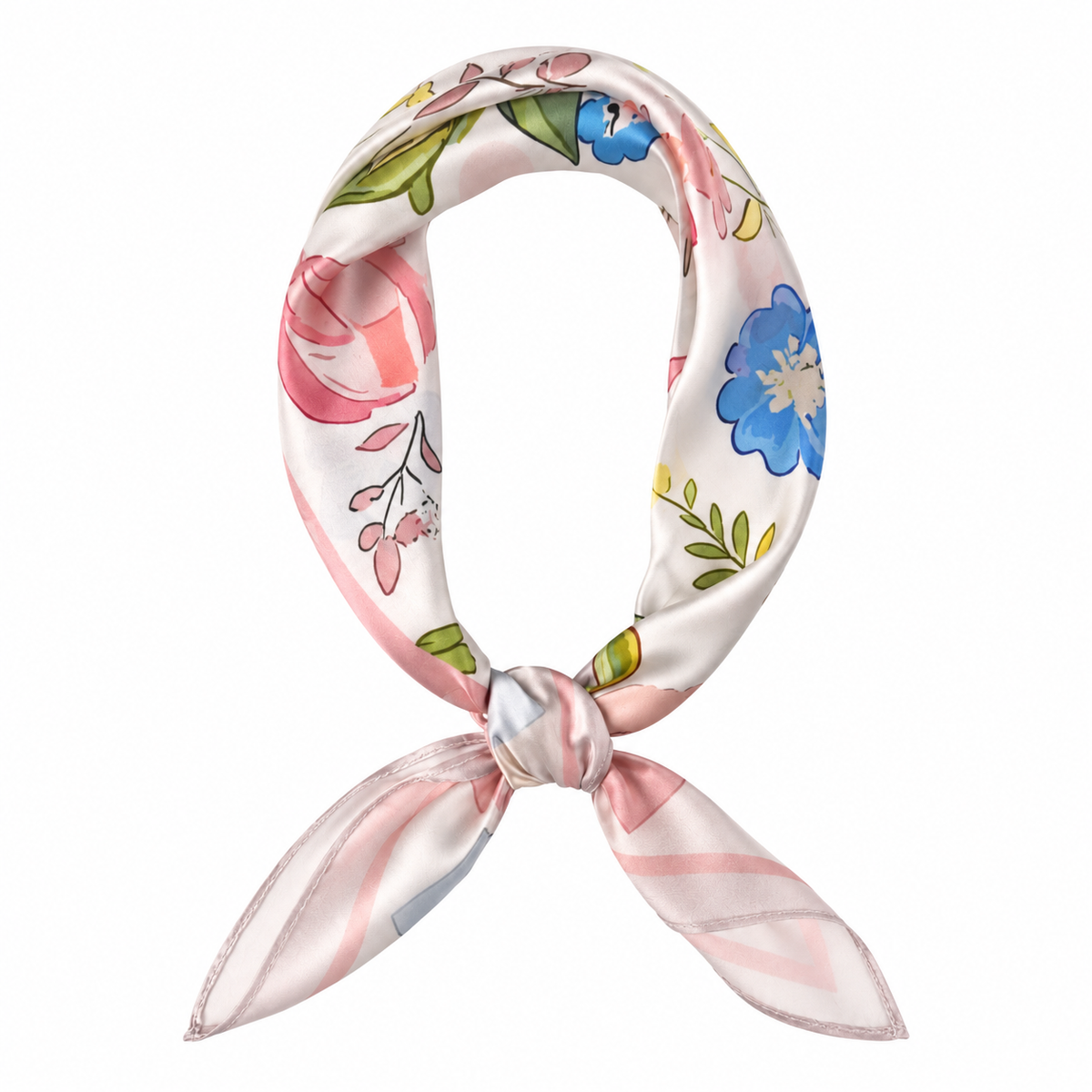
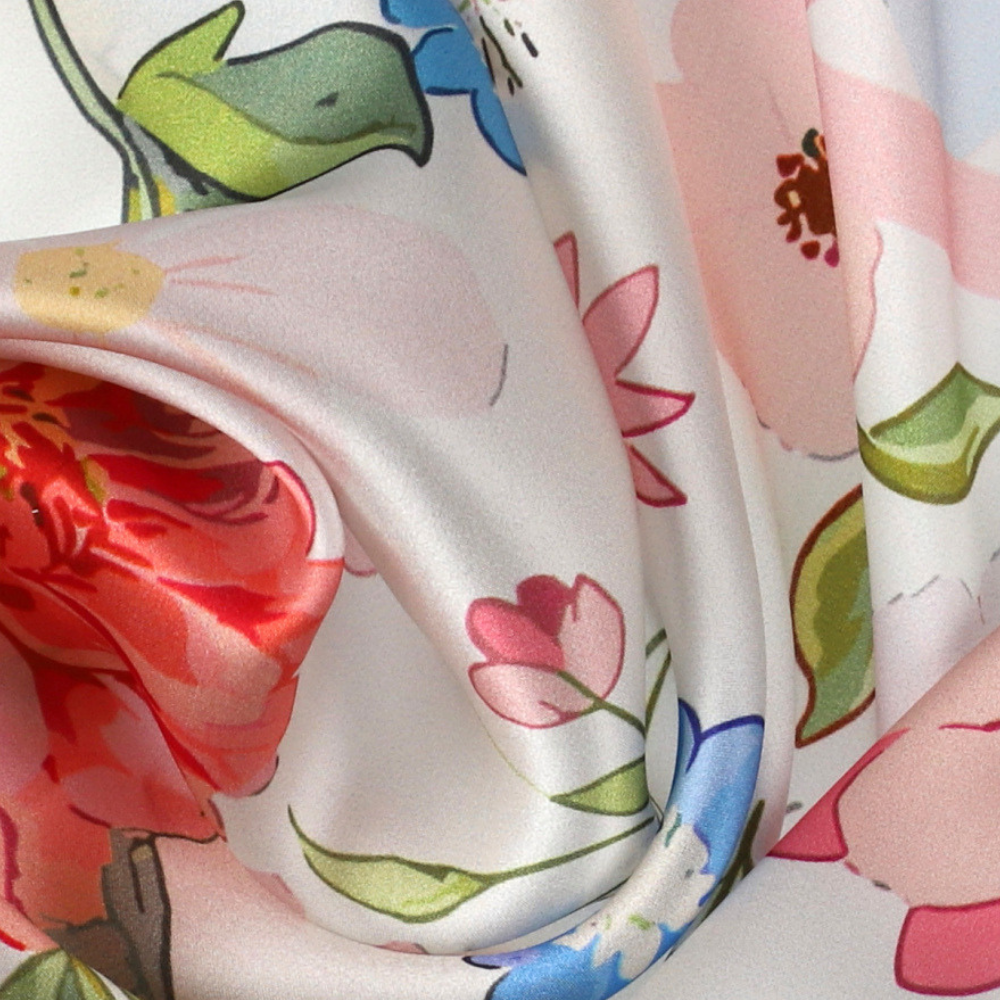
53×53 cm / 21×21 in
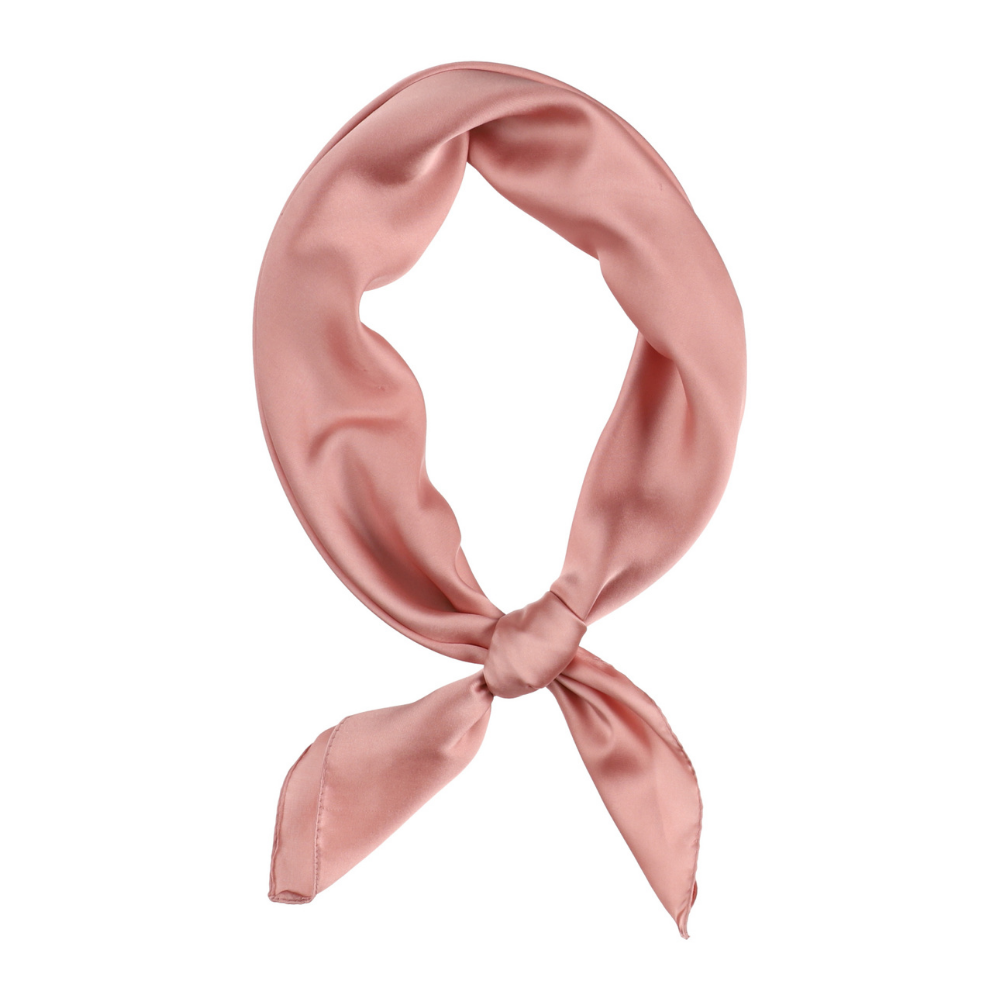
70×70 cm / 28×28 in
70×70 cm / 28×28 in
70×70 cm / 28×28 in
70×70 cm / 28×28 in
70×70 cm / 28×28 in
70×70 cm / 28×28 in
53×53 cm / 21×21 in
70×70 cm / 28×28 in
70×70 cm / 28×28 in
70×70 cm / 28×28 in
70×70 cm / 28×28 in
70×70 cm / 28×28 in
70×70 cm / 28×28 in
70×70 cm / 28×28 in
70×70 cm / 28×28 in
70×70 cm / 28×28 in
Neckerchief – How to Choose and Style a Small Scarf Around Your Neck
What is a neckerchief and when to reach for it
A neckerchief is a small scarf worn close to the neck - usually square or narrow - designed as a subtle accent rather than a full covering. Historical records suggest the use of neck coverings dates back to 3rd century BCE, when soldiers of China's Terracotta Army wore cloths around their necks, and the accessory has evolved through centuries of military, labour and fashion use ever since. Today, a neckerchief works when you want to add colour, pattern or a distinct visual element without covering the whole neckline or shoulders. In the UniqueYou range you will find it mainly as small silk or fabric scarves and neckerchiefs you can tie at the neck with shirts, dresses, light coats and jackets. Because a neckerchief is lightweight and easy to swap between outfits, it suits women who search for a low-effort way to change the character of everyday and more polished looks alike.
Types of neckerchief
The category includes several formats of neck scarves that differ in size, fabric and effect in an outfit. Below we break them down so you can quickly see which form best matches your wardrobe: classic square, mini neckerchief, elongated bandana-style and more decorative variants.
Classic square silk neckerchief
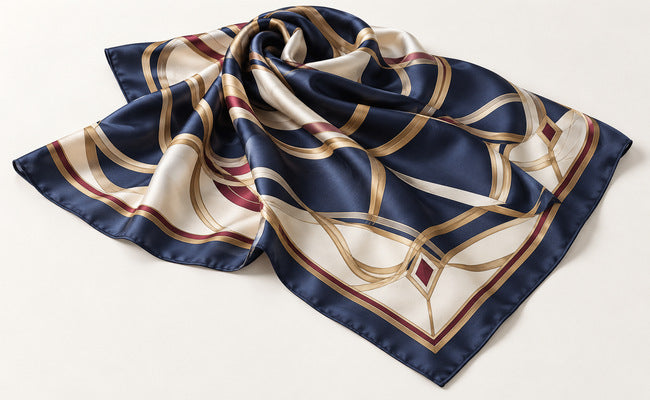
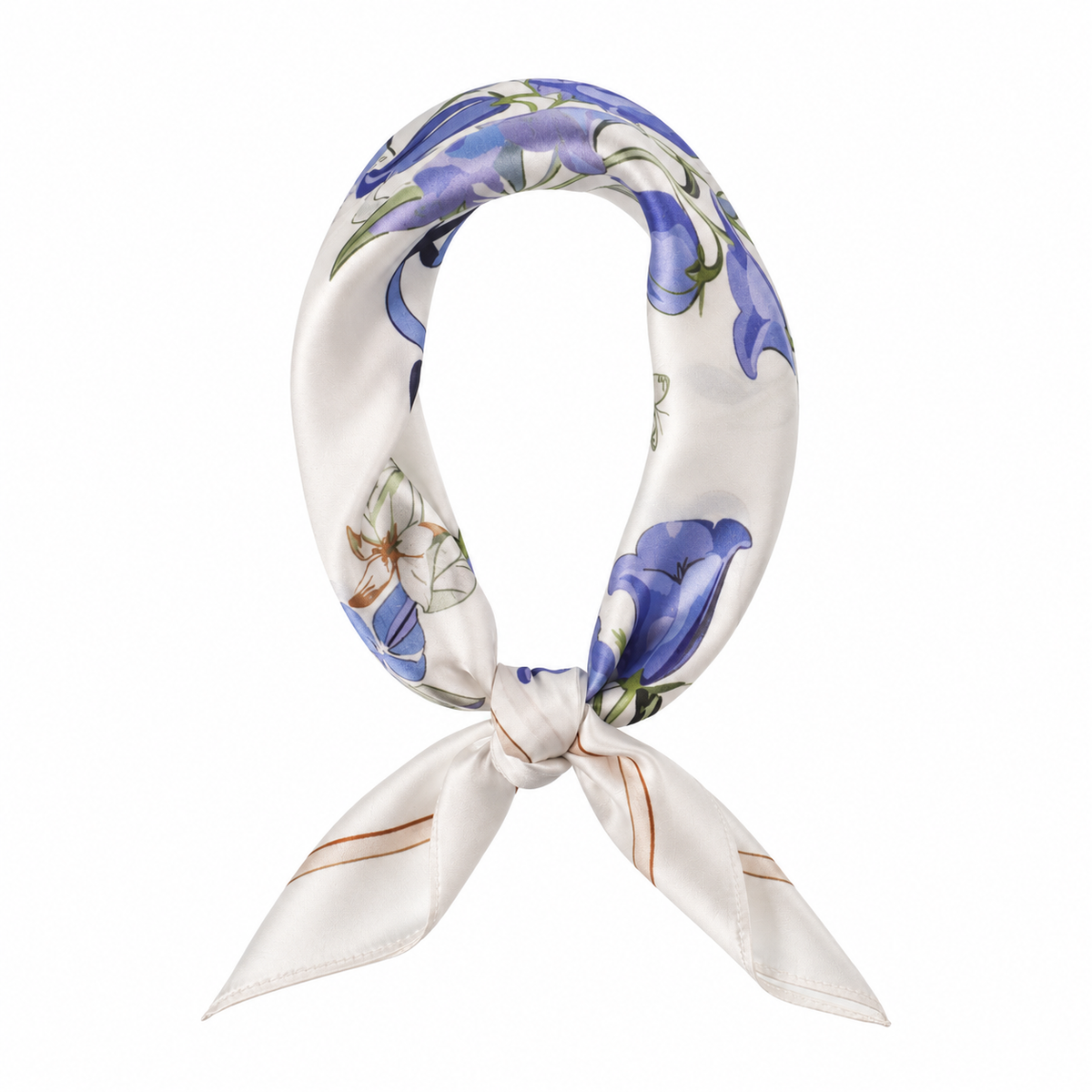
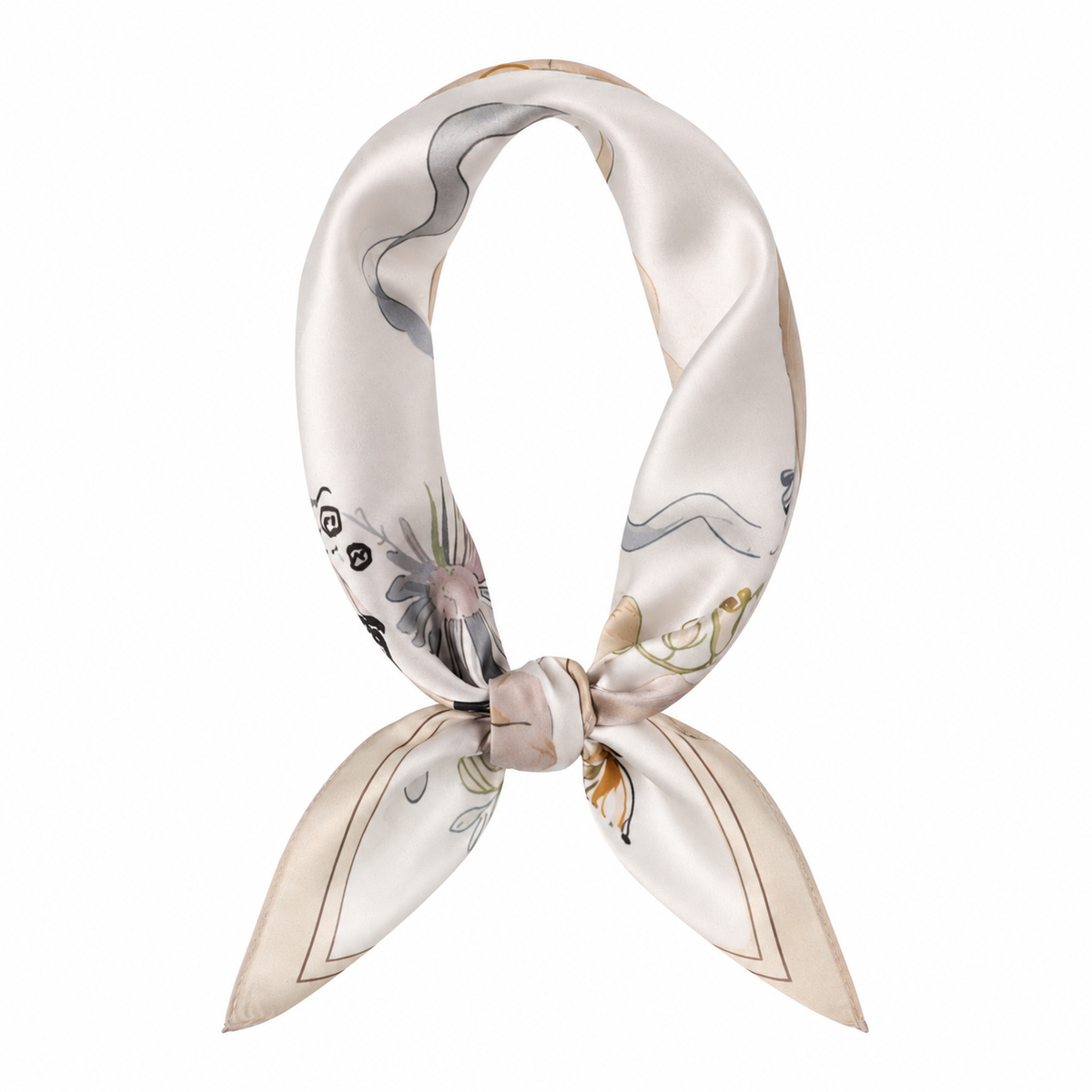
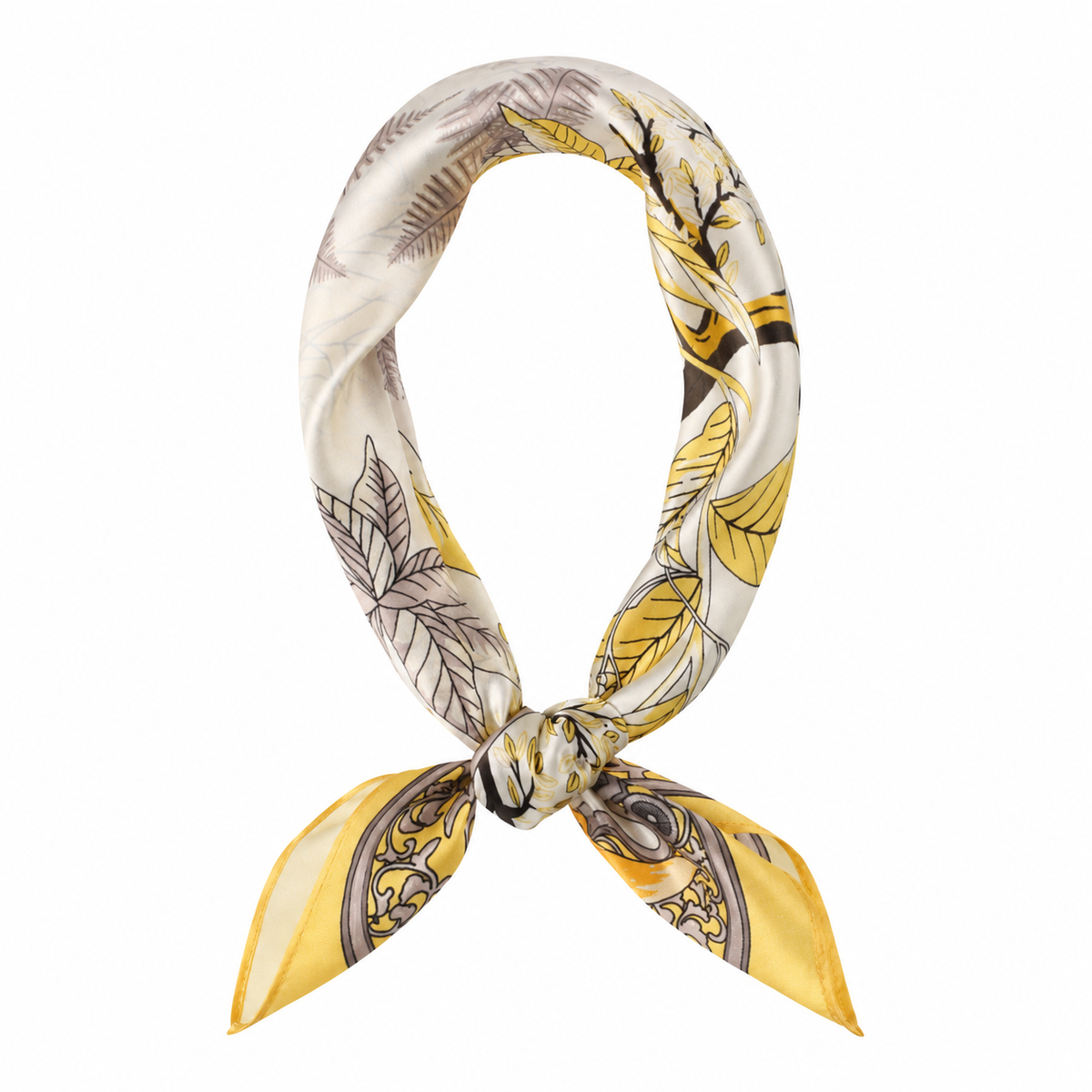
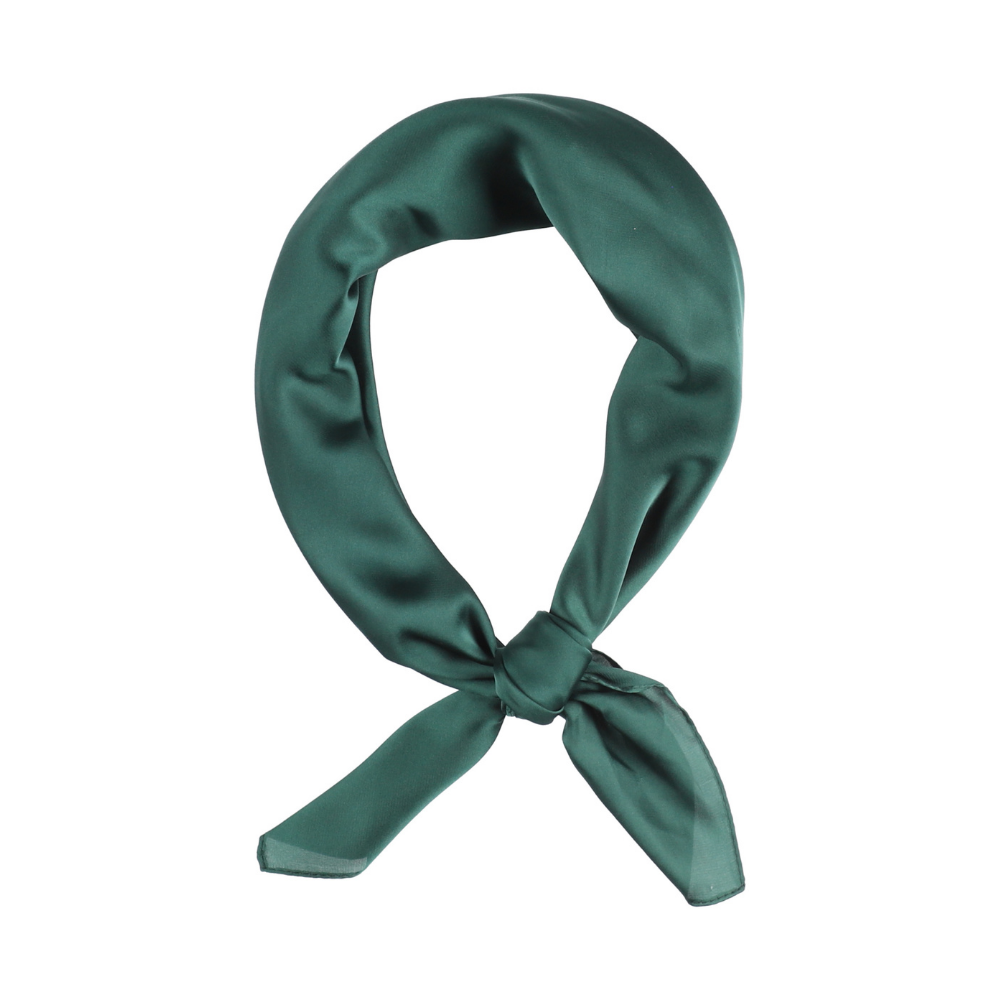
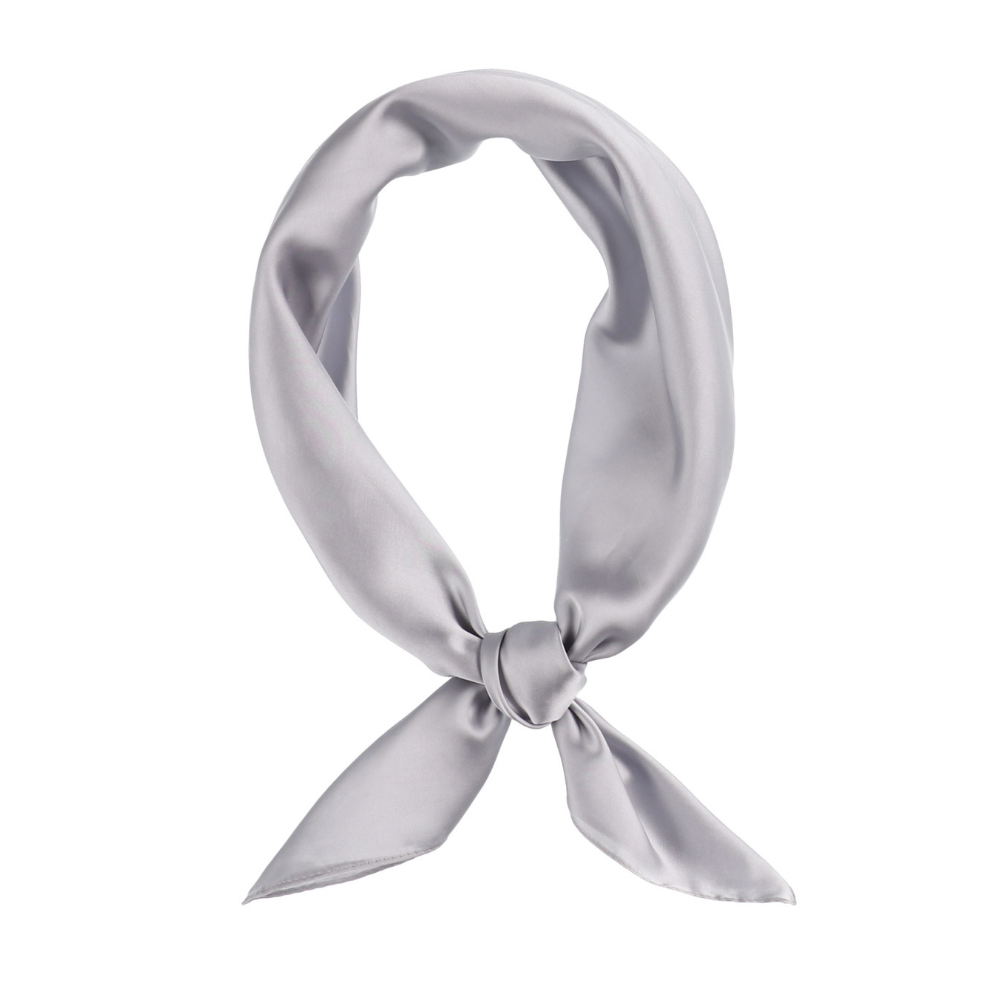
This is a square scarf in sizes around 50×50 cm to 70×70 cm - a neckerchief typically measures about 21×21 inches - often made from smooth silk or a similarly lightweight fabric. Folded along the diagonal and tied in front, at the side of the neck or slightly to the back, it gives a moderate knot with visible ends that drape neatly. Contemporary fashion includes silk neckerchiefs as luxury accessories, and the classic square format bridges casual and dressier contexts with ease: wear it with a white shirt to work, layer it under a blazer, or use it as a colour accent on a simple dress. If you are buying your first neckerchief, this is usually the most versatile option to select.
Mini neckerchief
A smaller square - approximately 40×40 to 50×50 cm - that produces a compact knot sitting close to the neck. It suits tops with a small neckline, buttoned shirts and lightweight sweaters where you want just a small accent, not a large piece of fabric. Mini formats are also practical when you plan to use the same piece sometimes on the wrist or attached to a handbag handle, since the neckerchief is commonly used in various styling roles such as hair ties or bag accessories.
Elongated neckerchief / narrow scarf
Long and narrow - roughly 8–15 cm wide and 100–130 cm long - this type reads more like a slim tie or ribbon than a square. You can wrap it twice around the neck with a small knot, tie it as a loose bow, or thread it under the collar like a soft alternative to a necktie. Narrow neck scarves work particularly well with blazers, V-neck sweaters and simple T-shirts, adding a vertical line of colour that elongates the silhouette. Because they concentrate fabric in length rather than bulk, they also appeal to men looking for a relaxed alternative to traditional neckwear.
Patterned statement neckerchief
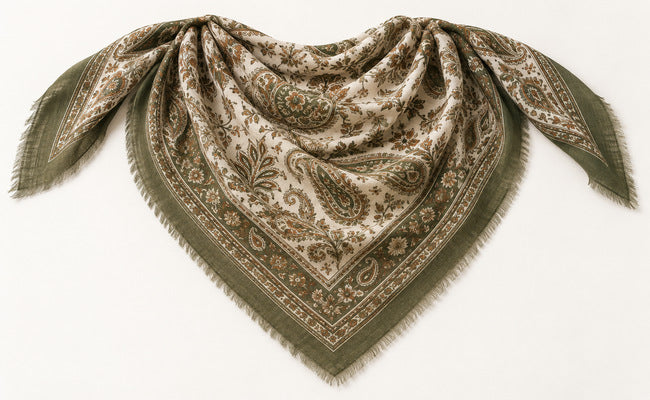
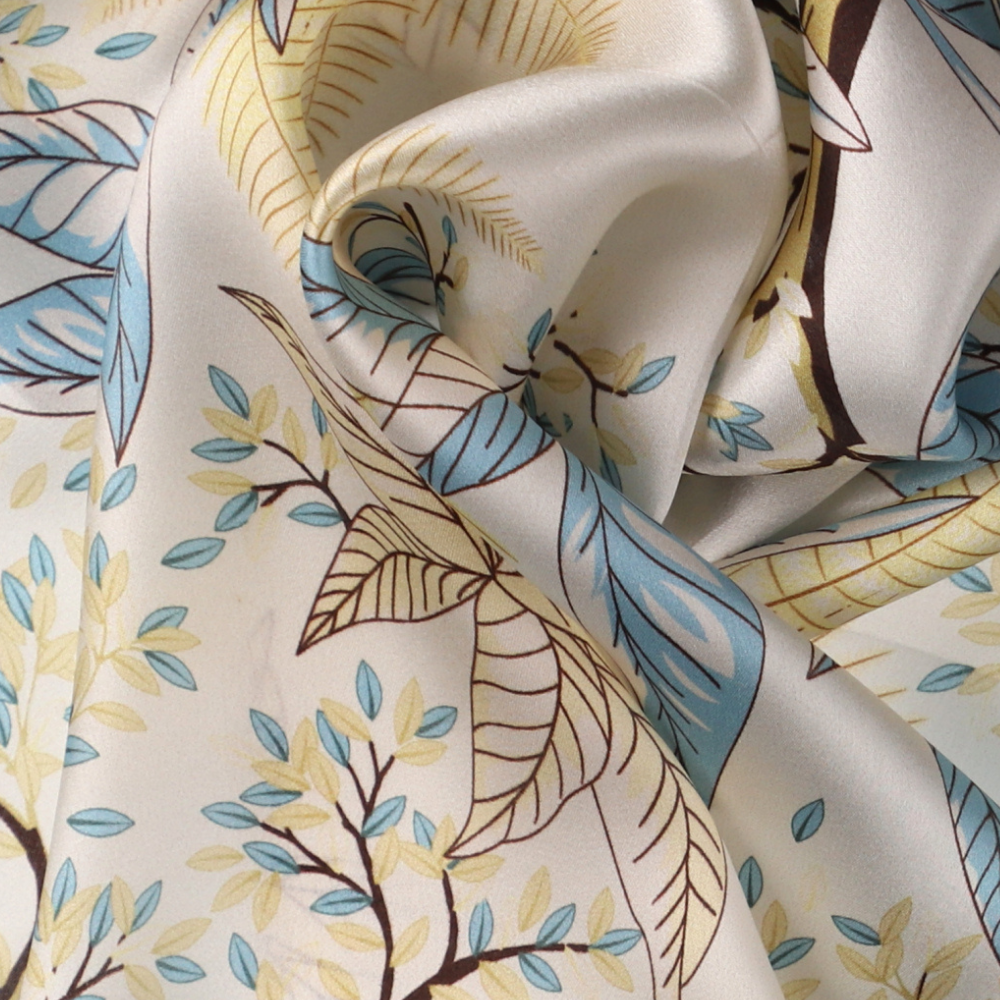
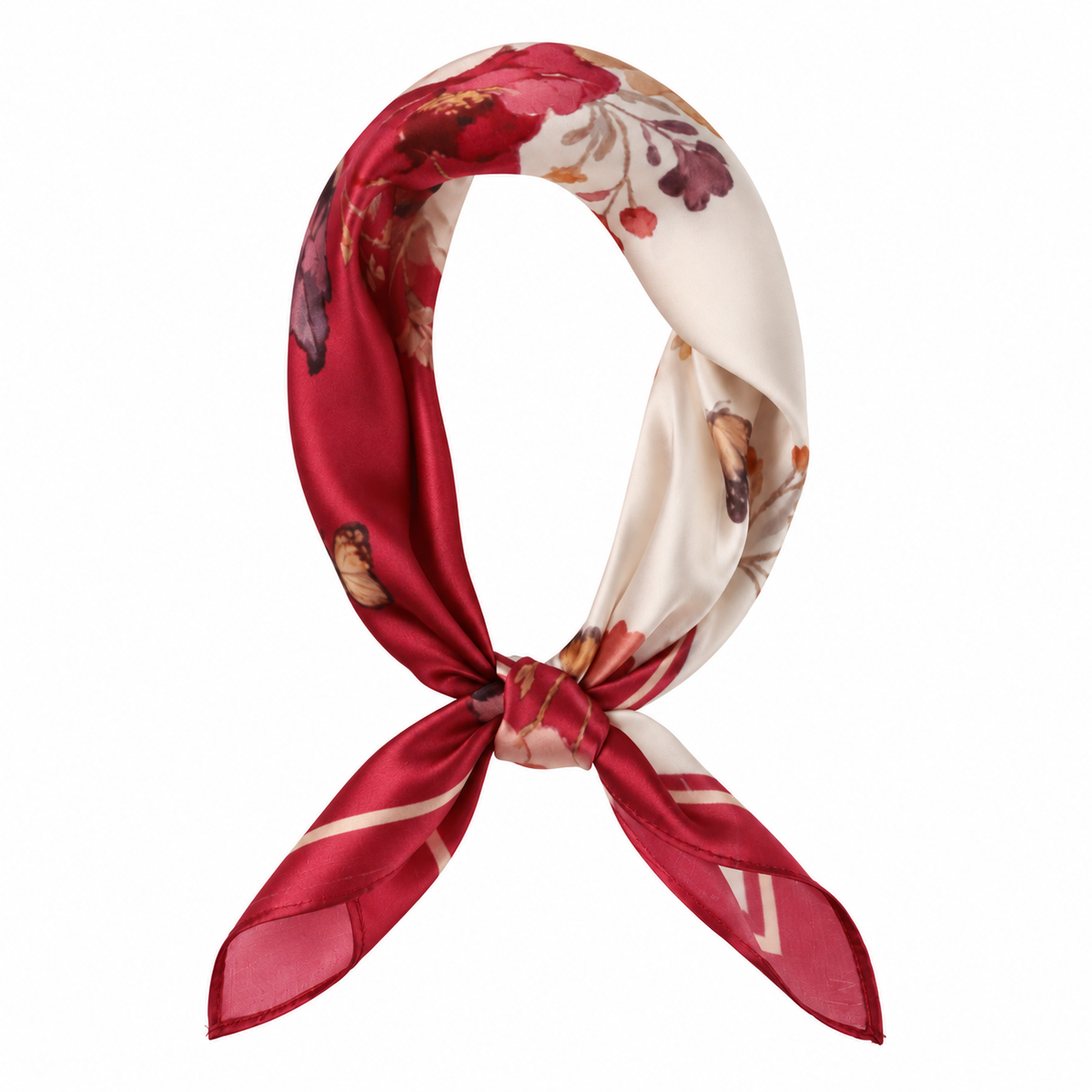
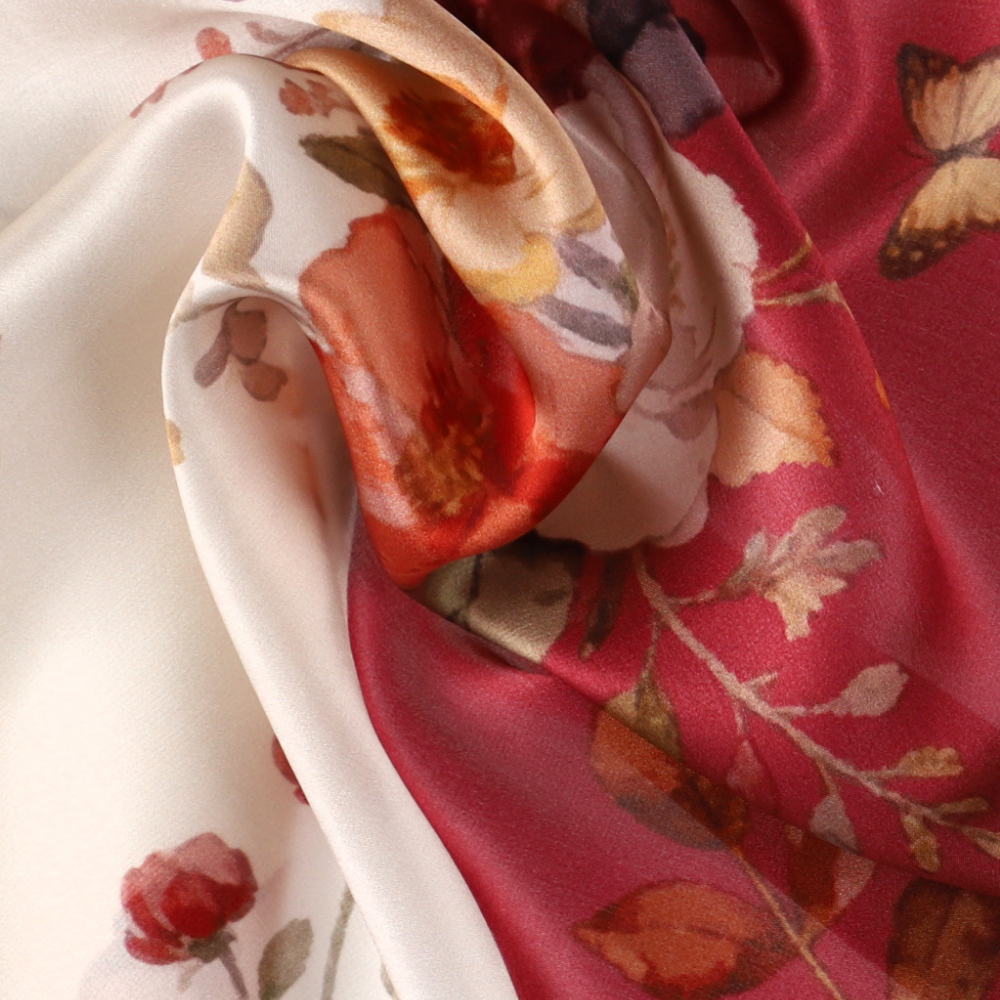
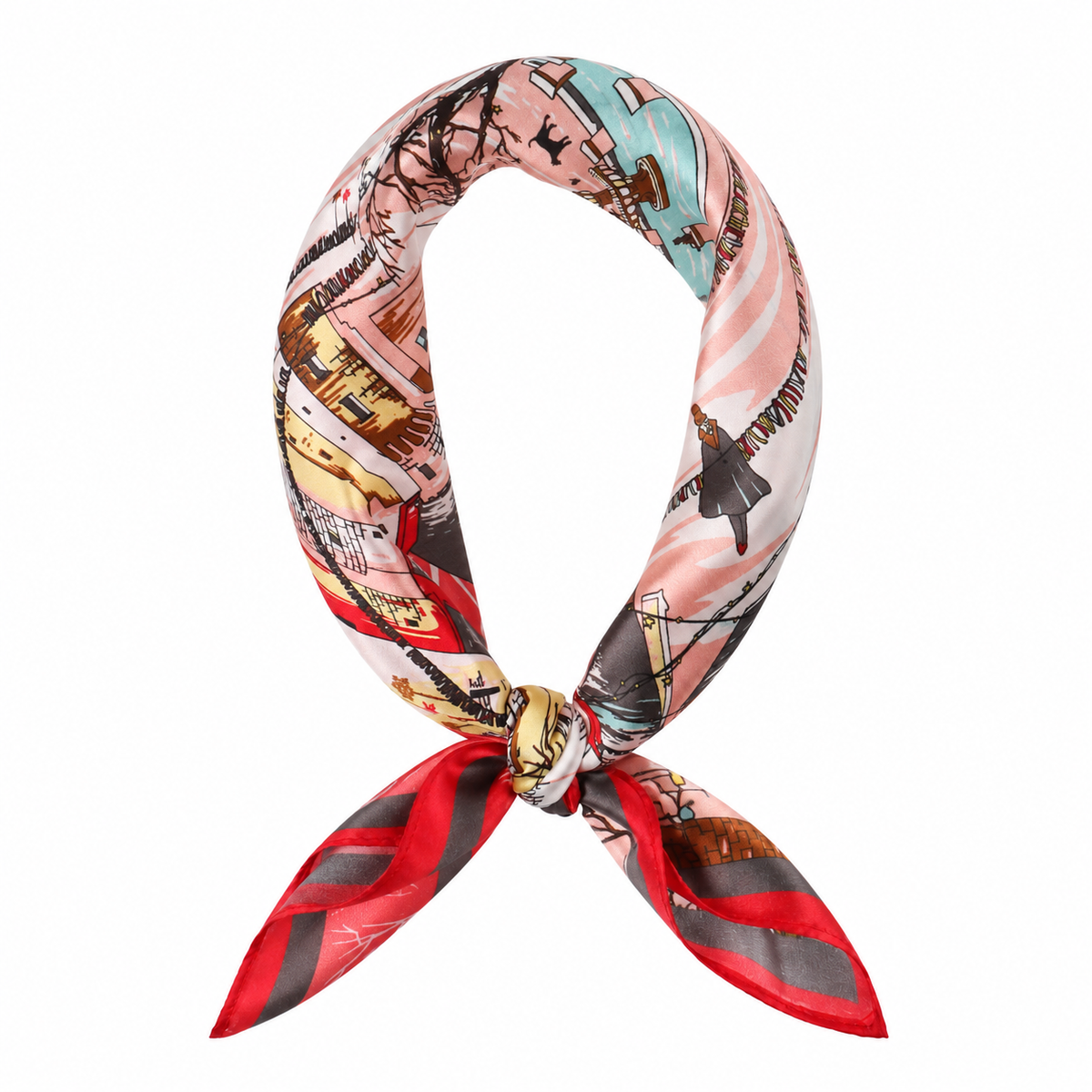
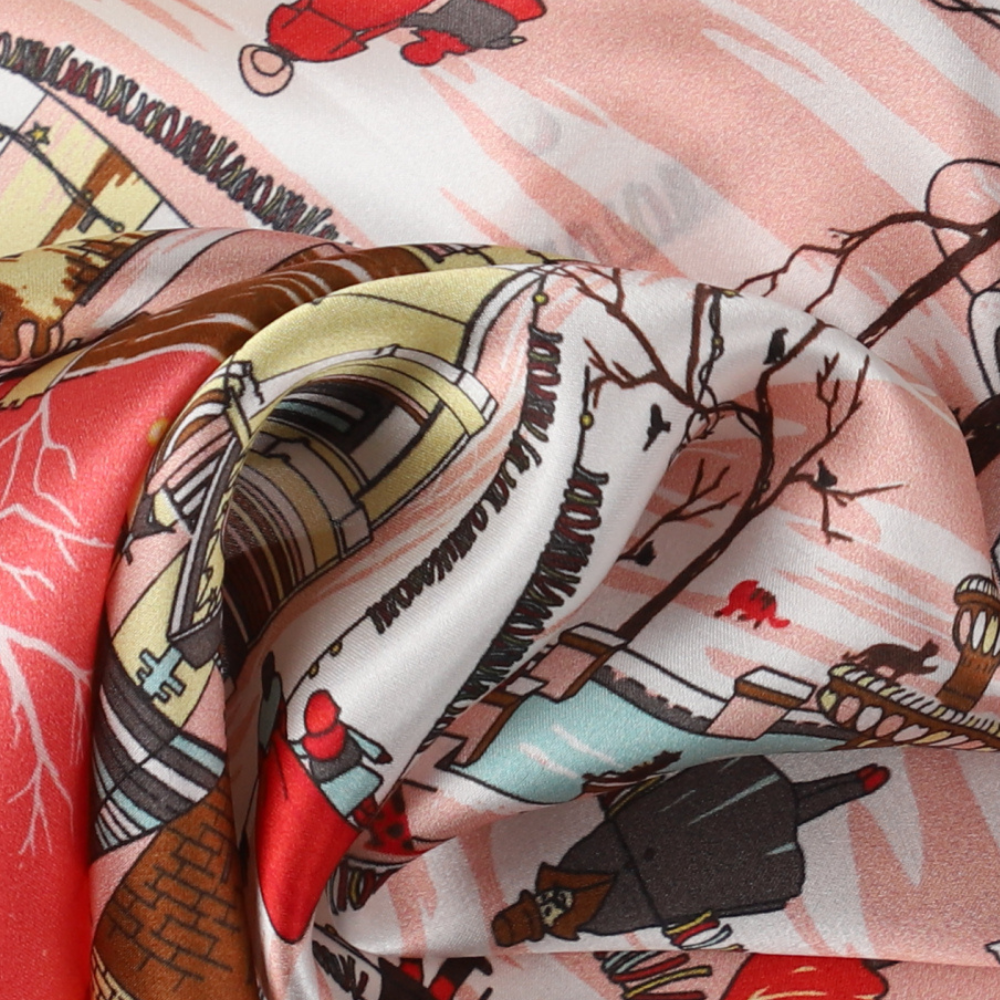
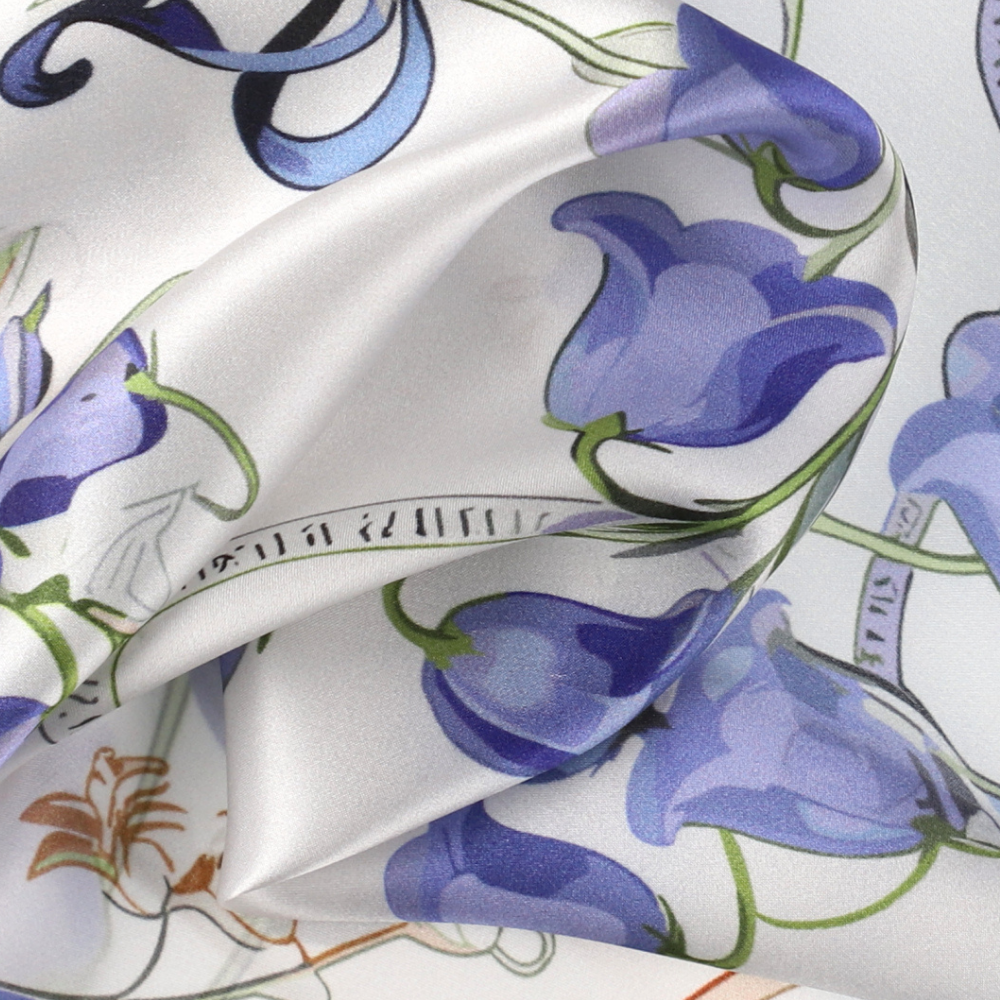
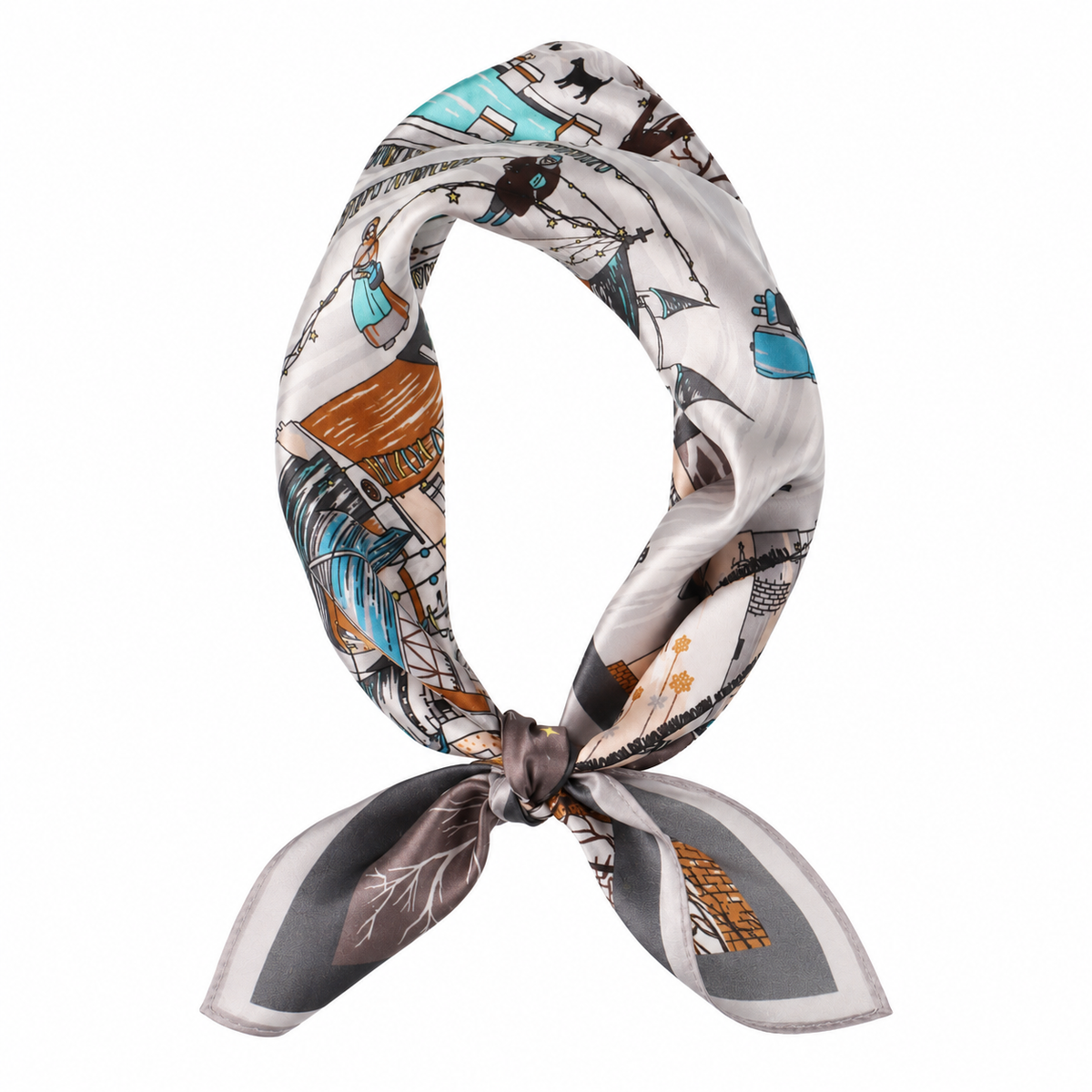
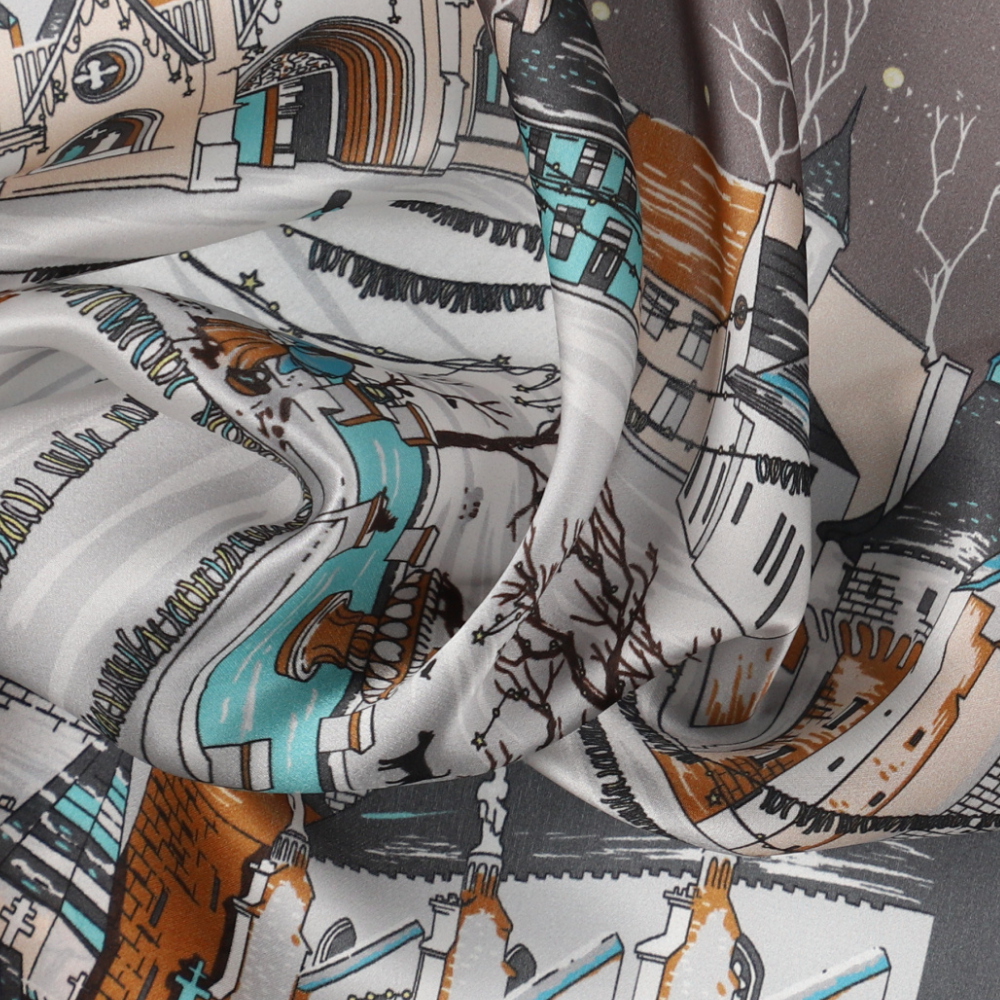
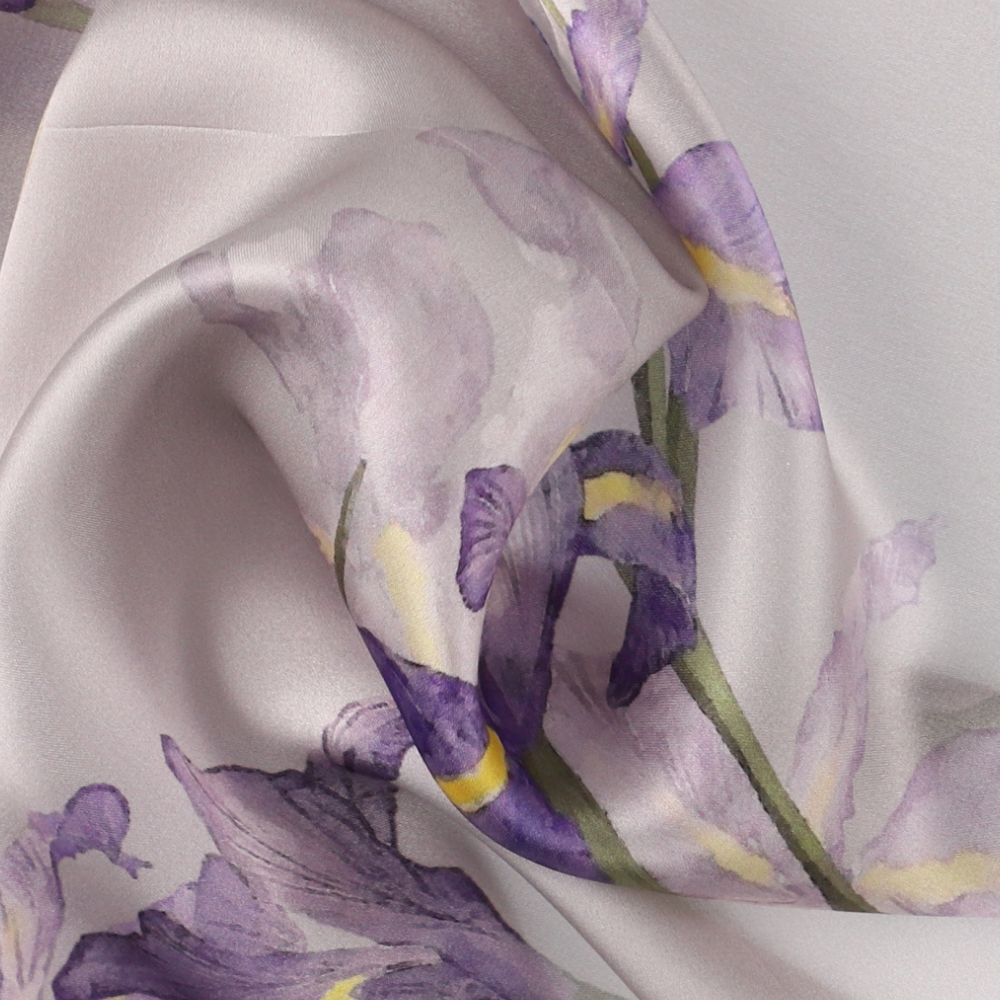
Here the design takes centre stage: florals, geometric patterns, city-inspired motifs or strong colour contrasts. A patterned statement piece is chosen primarily as the focal point of the outfit and pairs best with plain shirts, dresses and coats. The same size can look more or less bold depending on the pattern scale and border design - so it is worth looking at product photos to see how much of the motif shows once the scarf is folded. Neckerchiefs can transform an outfit by adding a distinct visual element, and a well-chosen print does exactly that.
What to look for in a neckerchief
Before you choose, it is worth considering fabric, dimensions, colours and how the piece will work with clothes you already own. Below we break down the main features so you can filter the products on this page with confidence.
Fabric and finish
Check the material composition on each product card rather than assuming all scarves are one fabric. Neckerchiefs can be made from 100% mulberry silk, but you will also find viscose, wool blends and synthetics. Lighter, smoother fabrics drape easily and form smaller knots, while slightly thicker weaves - silk twill or denser satin - hold shape better and can add a touch of warmth. Edge finishing matters too: rolled hems let silk curl inward for a neat, fluid line, while flat-stitched edges stay flatter but may be more visible. Because neckerchiefs evolved to symbolize utility, rebellion, and high fashion across different eras, you will find finishes ranging from utilitarian to refined - the right one depends on the style you want to achieve.
Size and proportions
Approximate dimensions translate directly into knot size, end length and how much fabric covers the neckline. Squares of 50×50 to 70×70 cm give a larger knot and visible ends; narrow scarves of 100+ cm length allow wraps, bows or knotting under shirt collars with minimal bulk. If you prefer close-fitting, discreet knots, smaller squares and narrow formats are a good place to start. If you want a looser drape or plan to wear the piece also over your shoulders, a larger size offers more options. Compare the dimensions on the product card with the width of your shirt collars, depth of necklines and coat lapels you wear most often.
Colour and pattern
Start from your wardrobe's dominant palette. Repeating a shade you already own creates cohesion; a contrasting accent injects freshness - a navy neck scarf with a beige trench coat, or a red detail with jeans and a white T-shirt. Calm, tone-on-tone patterns work well for everyday or office settings, while stronger prints take over the outfit and become its leading element. Different colors, fabrics, and knots of neckerchiefs have denoted rank and identity throughout history, and even today your colour and pattern choices communicate personal expression. Look at borders and corners in product photos, because folding a neckerchief can emphasise the frame or the central motif differently depending on how much fabric you expose.
Season and comfort at the neck
Neckerchiefs are mostly lightweight accessories, but the feel at the neck will differ depending on fabric density and weave. Smoother, lighter materials - silk chiffon, fine viscose - sit comfortably on bare skin under a blazer in spring and summer. Slightly denser fabrics - silk twill, wool blends - complement autumn shirts and light coats, offering modest warmth without the bulk of a full scarf. Think about how much coverage you actually want at the neck rather than treating all neckerchiefs as purely decorative; comfort near the skin matters, especially for sensitive skin or when layering under collars.
How to choose the right neckerchief for you
Now that you know the features, here is how to turn them into a practical decision so the neckerchief you select really works with your wardrobe.
What you wear it with most often - If your daily rotation includes buttoned shirts, blazers and structured outerwear, smaller squares or narrow scarves offer versatility without interfering with collars. If you prefer dresses, trench coats or open necklines, slightly larger squares give more dramatic folds and ends.
Preferred effect: subtle accent or main focus - Soft colours and fine prints let the neckerchief blend into the outfit; stronger colours, vivid patterns or high-contrast design make it the star against simple clothes. Neckerchiefs can function as accents in both casual and formal outfits, so the intensity is yours to calibrate.
Sensitivity to fabrics and comfort around the neck - If your skin is sensitive or you dislike thick layers, lean toward smoother, lighter materials and minimal knots. For cooler days, a slightly denser weave can still tie comfortably while offering a bit more warmth.
Versatility vs. specific occasion - For one universal piece, consider classic colours (navy, beige, black-and-white) and medium size. If you are shopping for a specific dress, event or even a gift, matching the exact colour accent or motif visible in that outfit is more important than everyday wearability. A neckerchief also makes a thoughtful gift because neckerchiefs can be styled in multiple ways for versatility, and the recipient can wear it at the neck, as a headscarf, on a handbag or as a hair tie.
Frequently Asked Questions about neckerchiefs
Below are the questions women most often ask when choosing and wearing a neckerchief.
How big should a neckerchief be to tie it comfortably around the neck?
For one simple knot at the front or side, squares around 50×50 to 70×70 cm usually work well. Narrower scarves (100–130 cm long) allow more wrapping but produce less volume. Very small neckerchiefs give a compact knot right at the neck - ideal with shirts - while larger sizes allow looser draping or tying under a coat collar. Check specific dimensions on each product card and imagine how many times the fabric can go around your neck before you decide.
What is the easiest way to tie a neckerchief for everyday wear?
To tie a neckerchief, fold it diagonally into a triangle, then roll from the long edge toward the point to form a band. Place the band around your neck, cross the ends at the back, bring them forward and tie a small knot. Adjust the knot to sit at the front or slightly to the side - whichever suits your neckline. Narrow neckerchiefs can be tied similarly or in a loose bow, while very small ones look good with the knot tucked under the shirt collar. Experiment in front of a mirror with different knot positions to see which works best with your jewellery and neckline depth.
Can I wear a neckerchief with a blazer or suit to work?
Yes. A small silk neckerchief can gently replace a necklace and add colour to a neutral blazer or suit. For more formal dress codes, select calmer patterns and muted colours; in creative or relaxed offices you have the freedom to use bolder motifs. The adaptability of the neckerchief allows it to bridge various fashion styles and social contexts, so it fits office settings as naturally as weekend outfits. Check your blazer's neckline: with deeper lapels a slightly larger or longer neckerchief fills the space nicely, while slim lapels pair better with a narrow band or compact knot.
How do I care for a neckerchief so it keeps its shape and colours?
Always read the care instructions on the product label or card first, because methods differ by fabric. In general, many delicate neckerchiefs prefer gentle hand washing in cool water with mild soap or a delicate machine cycle in a protective bag - avoid strong wringing, high temperatures and bleach. Dry the piece flat in shade and iron on low heat, ideally on the reverse side. Store loosely folded or rolled rather than tightly knotted; this reduces permanent creasing along the fold and helps the fabric keep its drape season after season.
Browse neckerchiefs at UniqueYou
A neckerchief is a simple way to change the character of familiar clothes - through colour, pattern and the way you tie it. They can serve as a chic accessory for minimal outfits or as the bold centrepiece of a more expressive look. Browse the UniqueYou neckerchief collection, compare sizes and colours with your favourite shirts, dresses and outerwear, and choose the variant you will most often reach for in everyday outfits.
FINEST MATERIALS
Softness, comfort and attention to detail.
Express Delivery
Within 24 hours by courier to your home or a pickup point.
EASY RETURNS
Shop with confidence, with the option to return.
SECURE PAYMENTS
Choose your preferred payment method.