
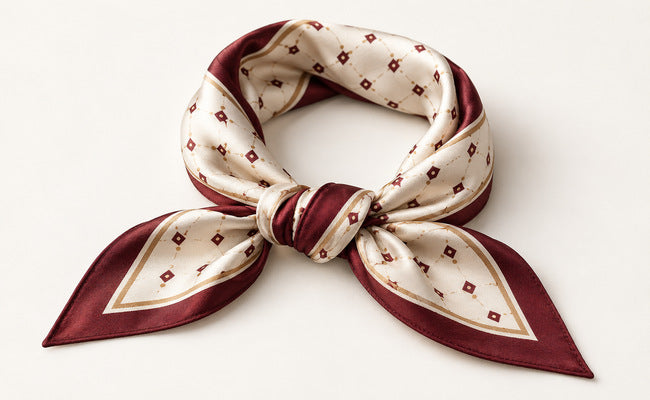

Winter scarves
Filters
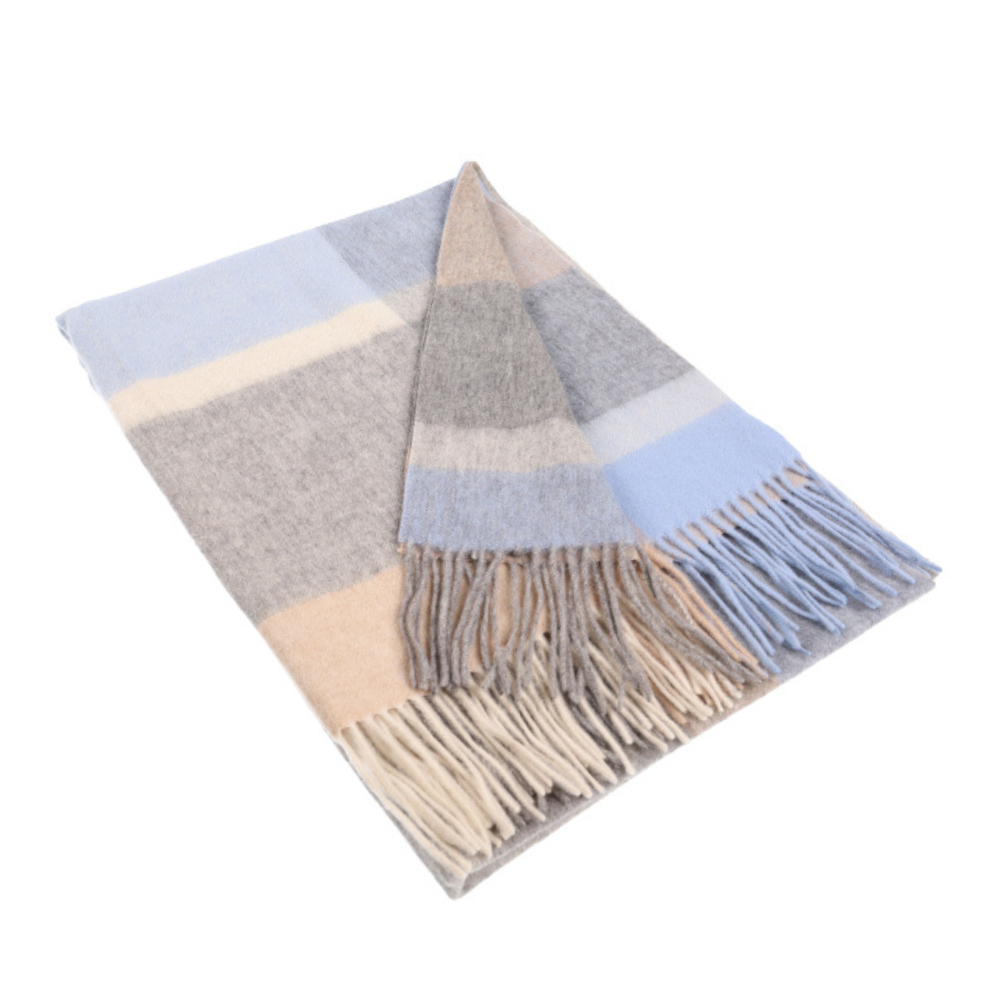
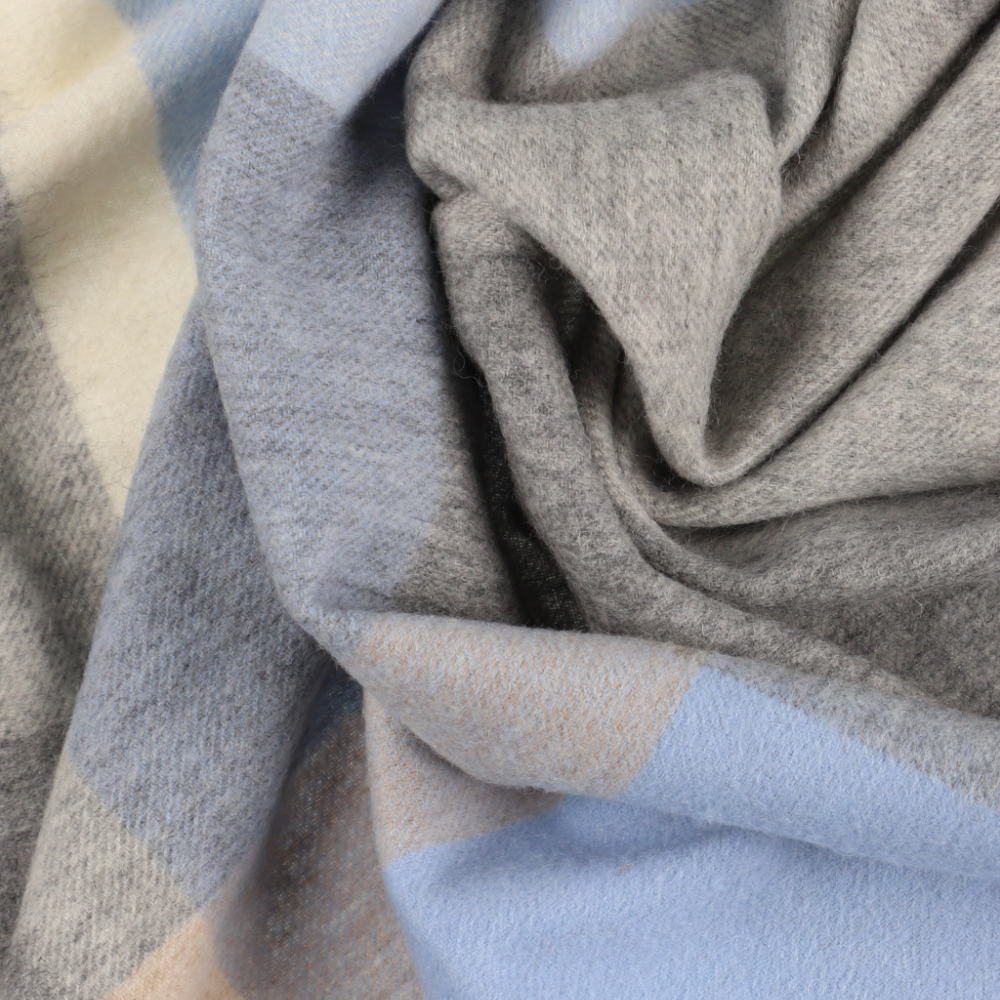
200×70 cm / 79×28 in
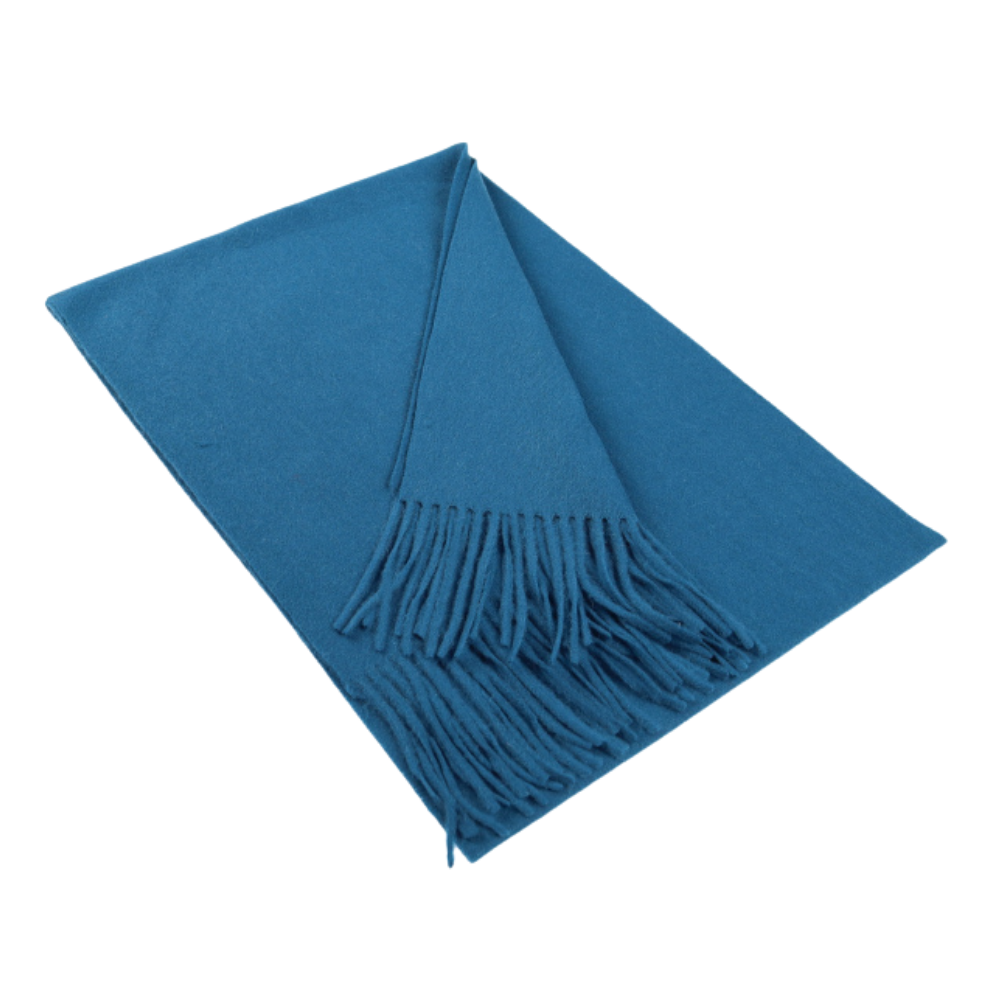
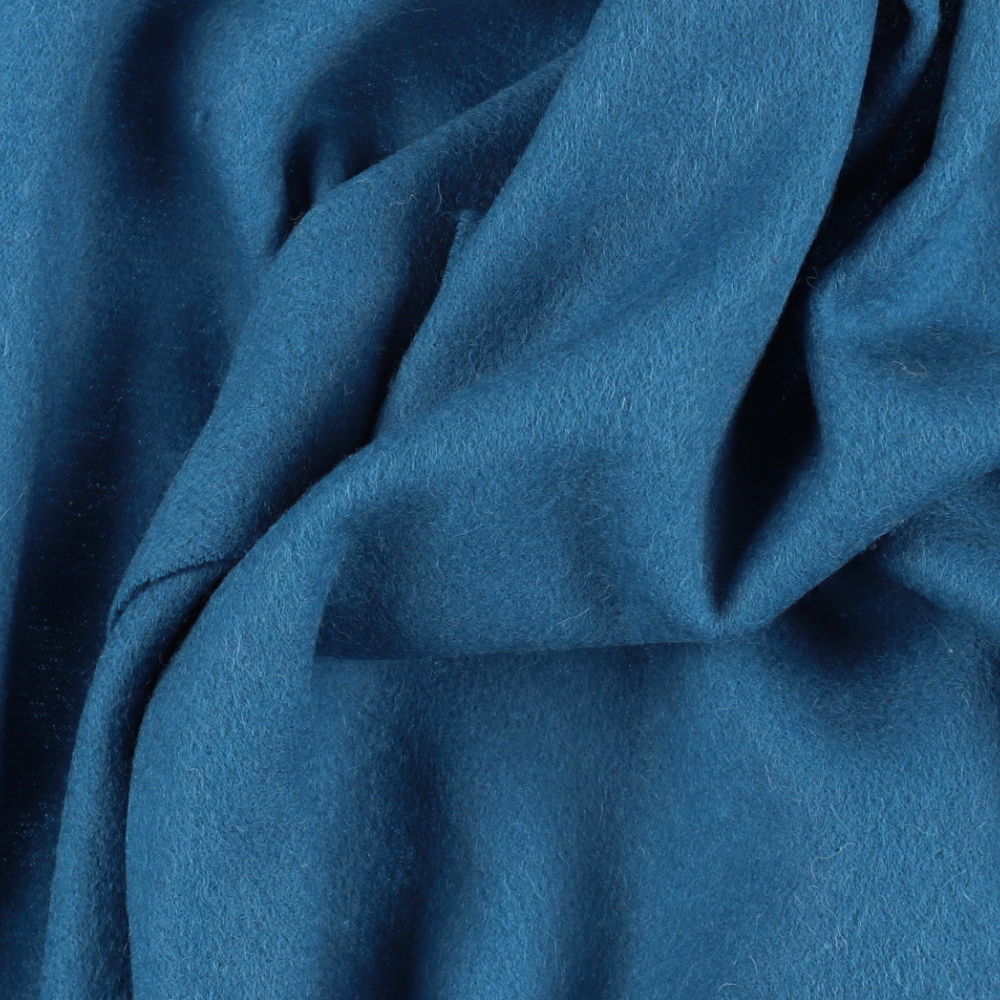
200×35 cm / 79×14 in
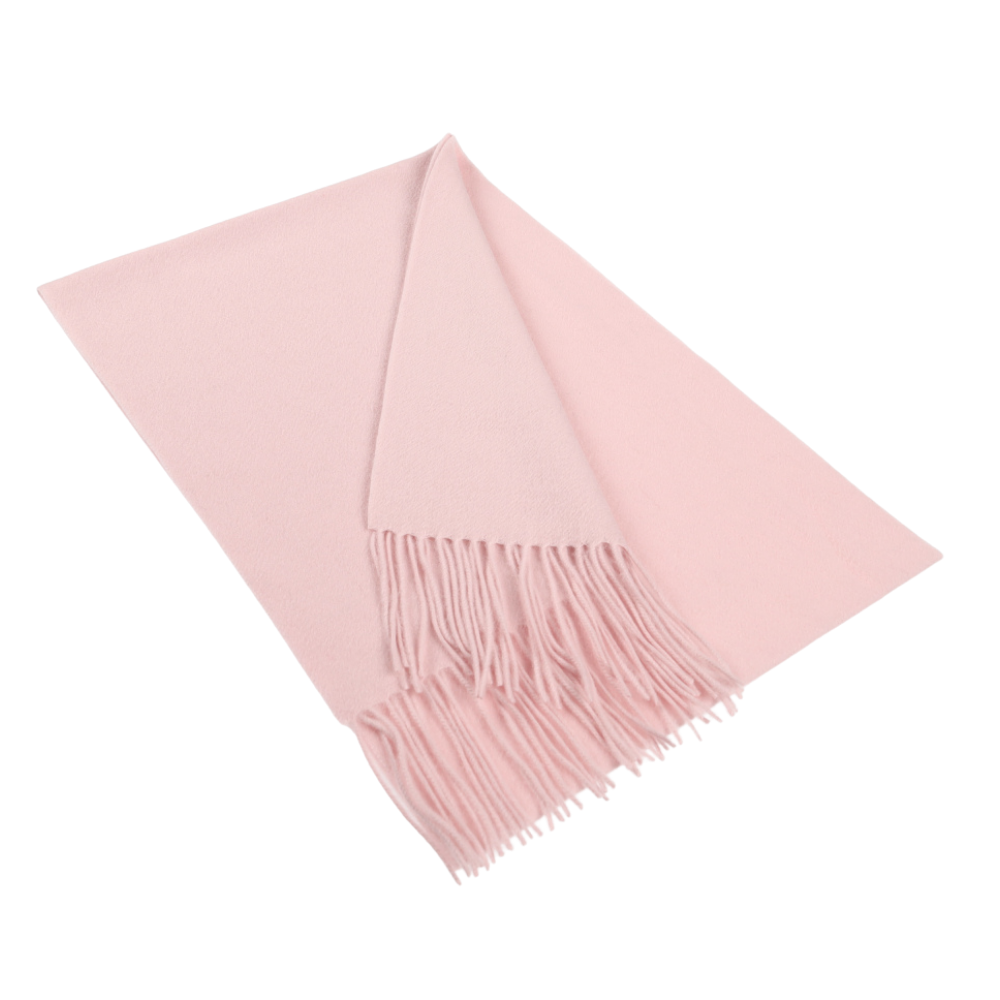
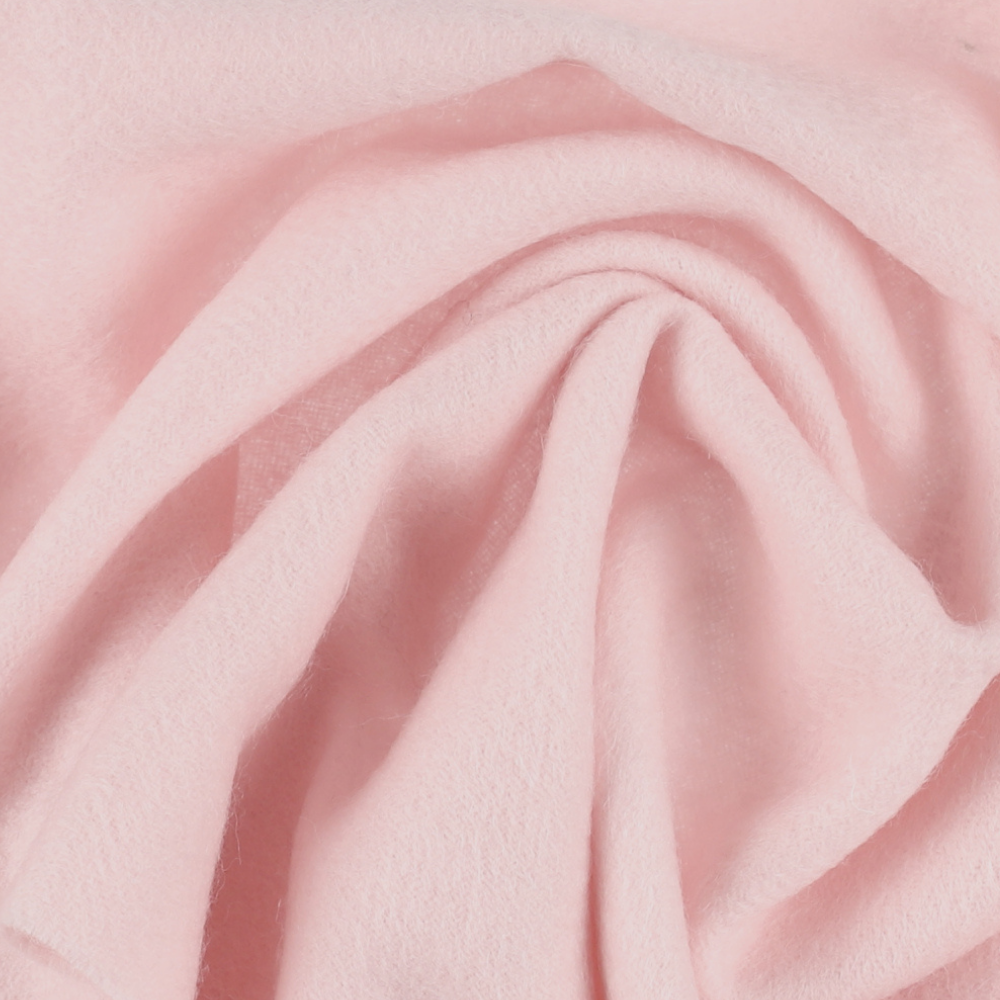
200×35 cm / 79×14 in
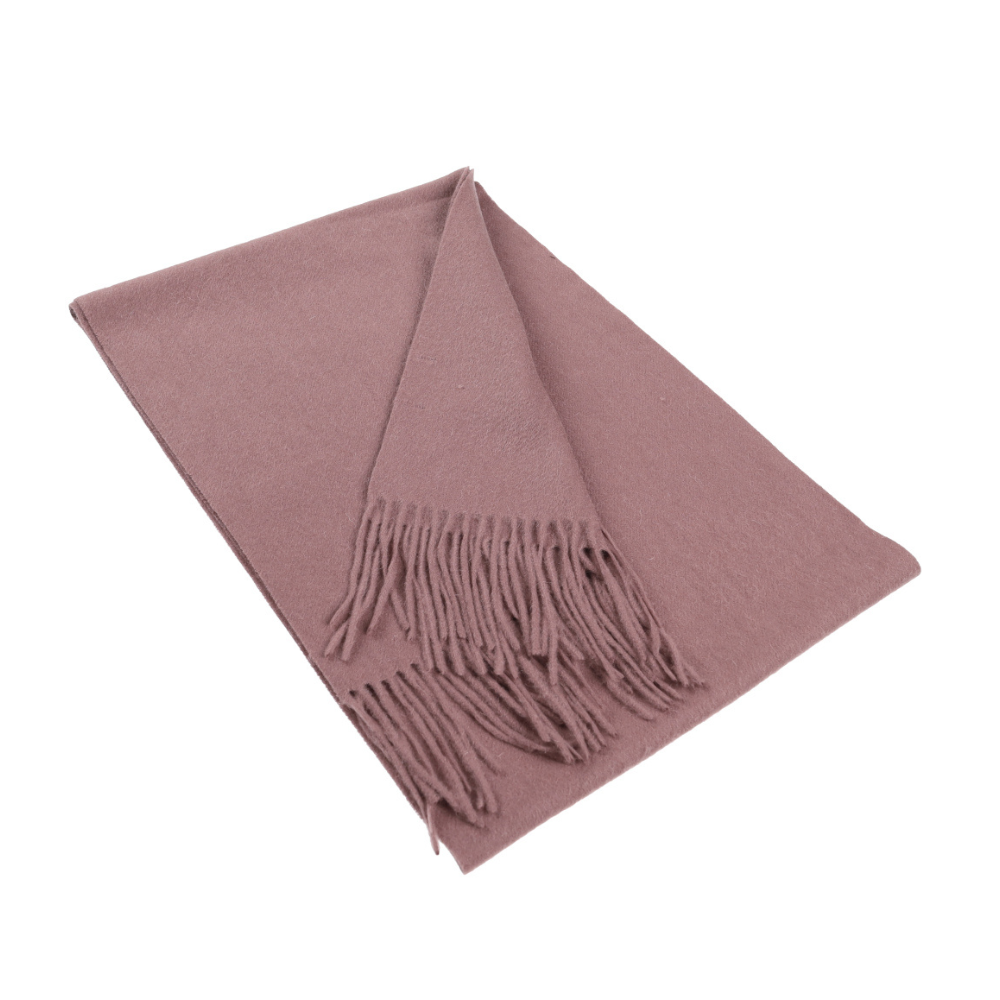
200×35 cm / 79×14 in
200×65 cm / 79×26 in


180×30 cm / 71×12 in
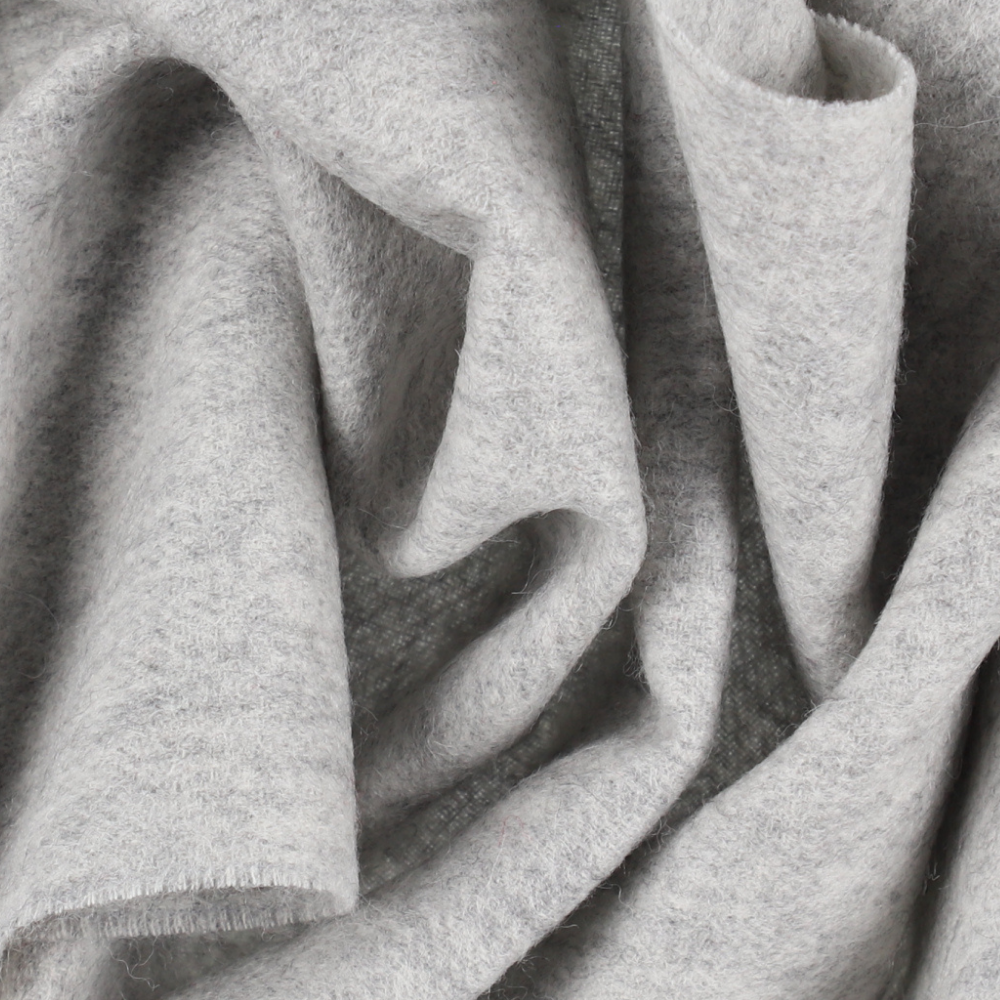
200×35 cm / 79×14 in
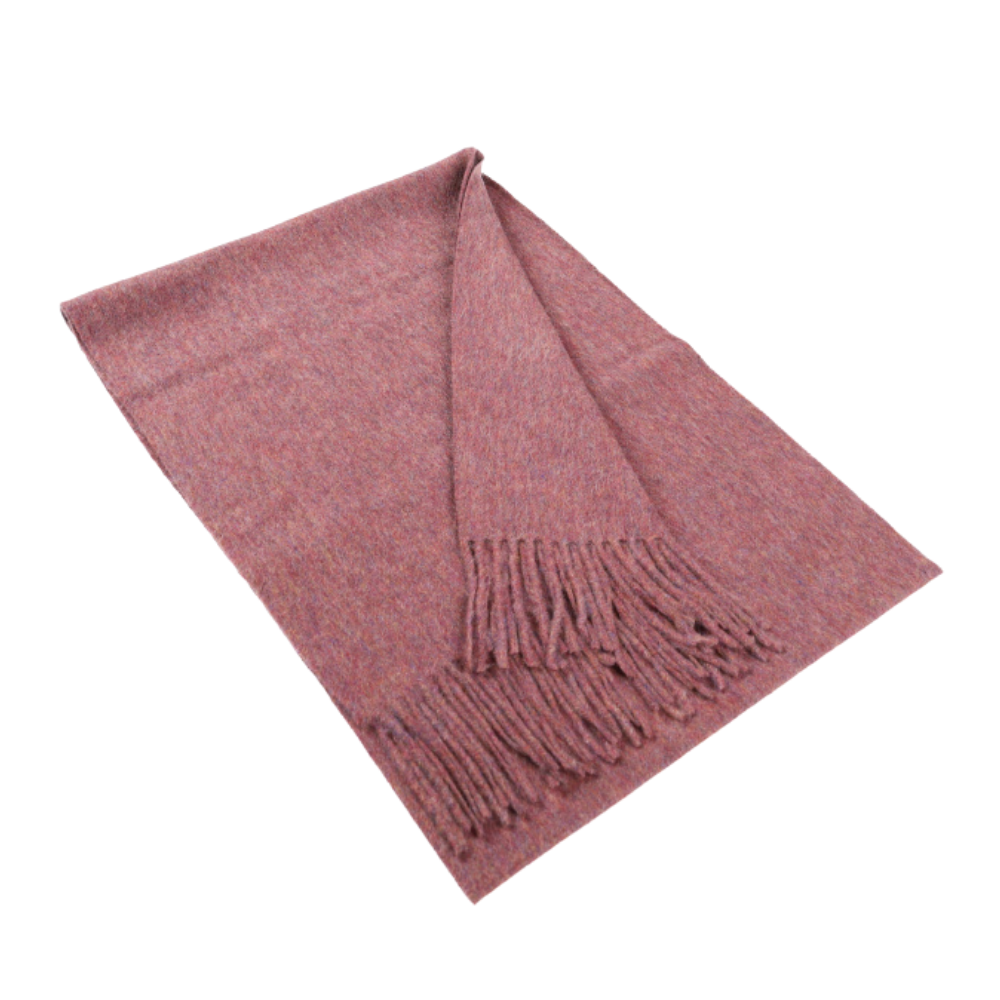
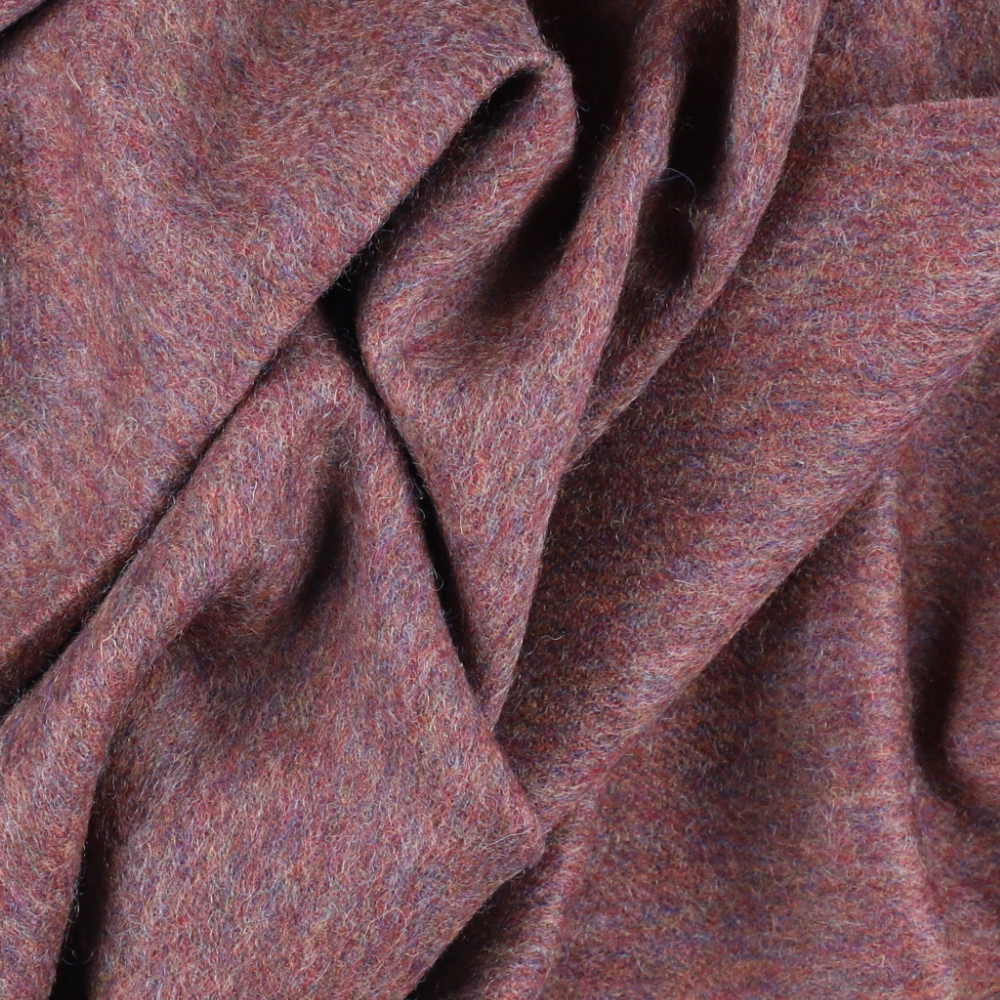
200×35 cm / 79×14 in
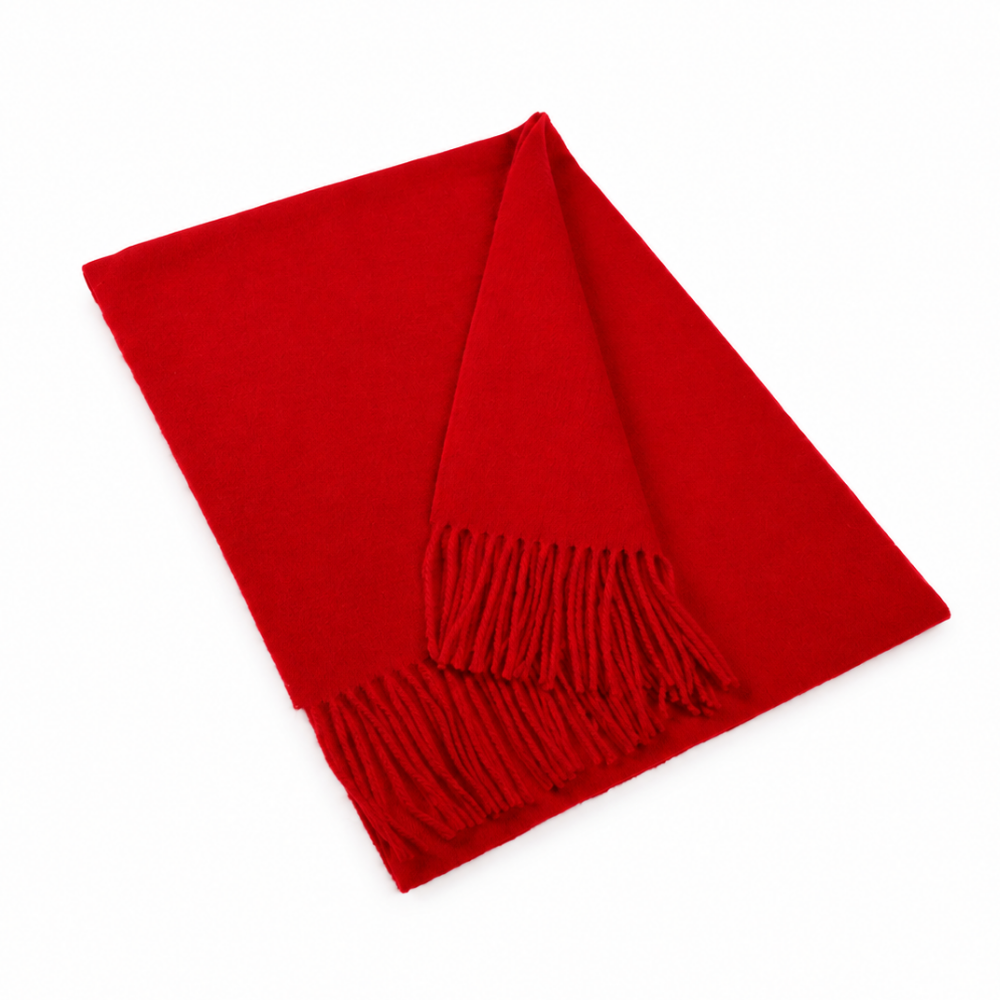
200×35 cm / 79×14 in
200×35 cm / 79×14 in
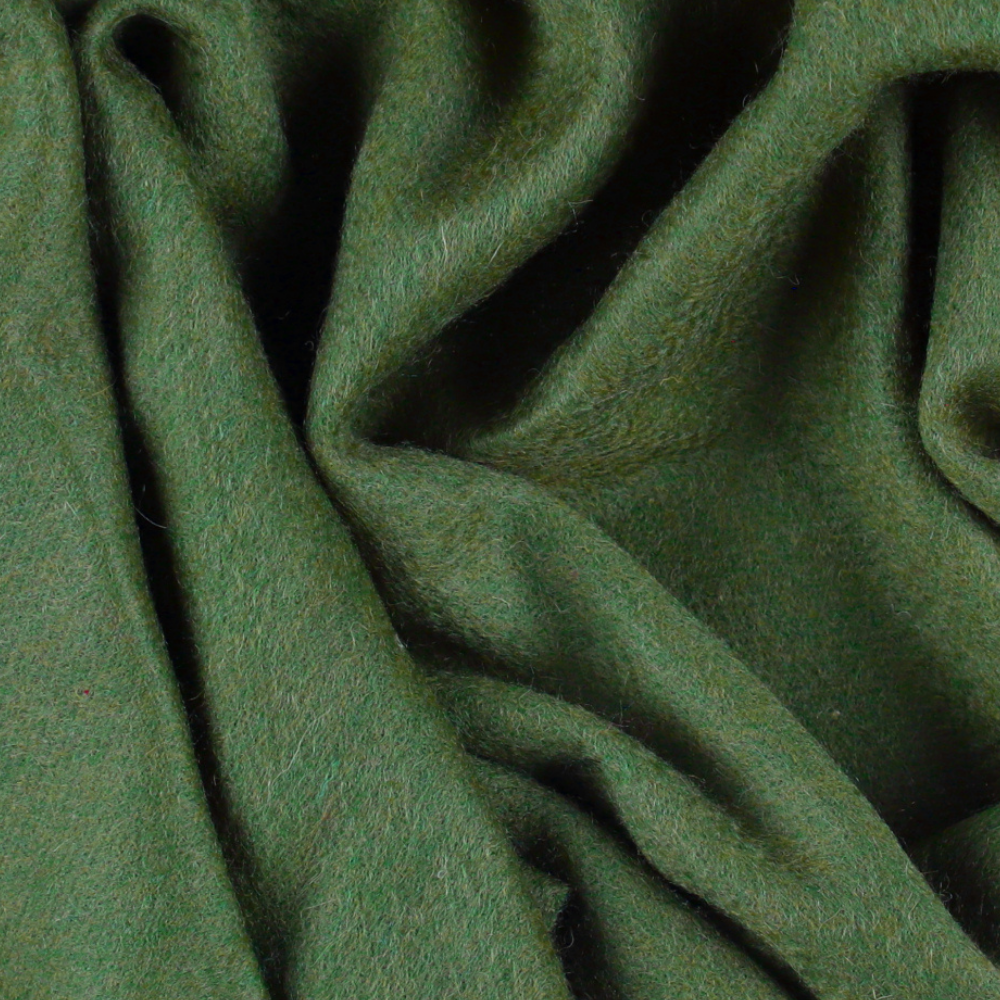
200×70 cm / 79×28 in
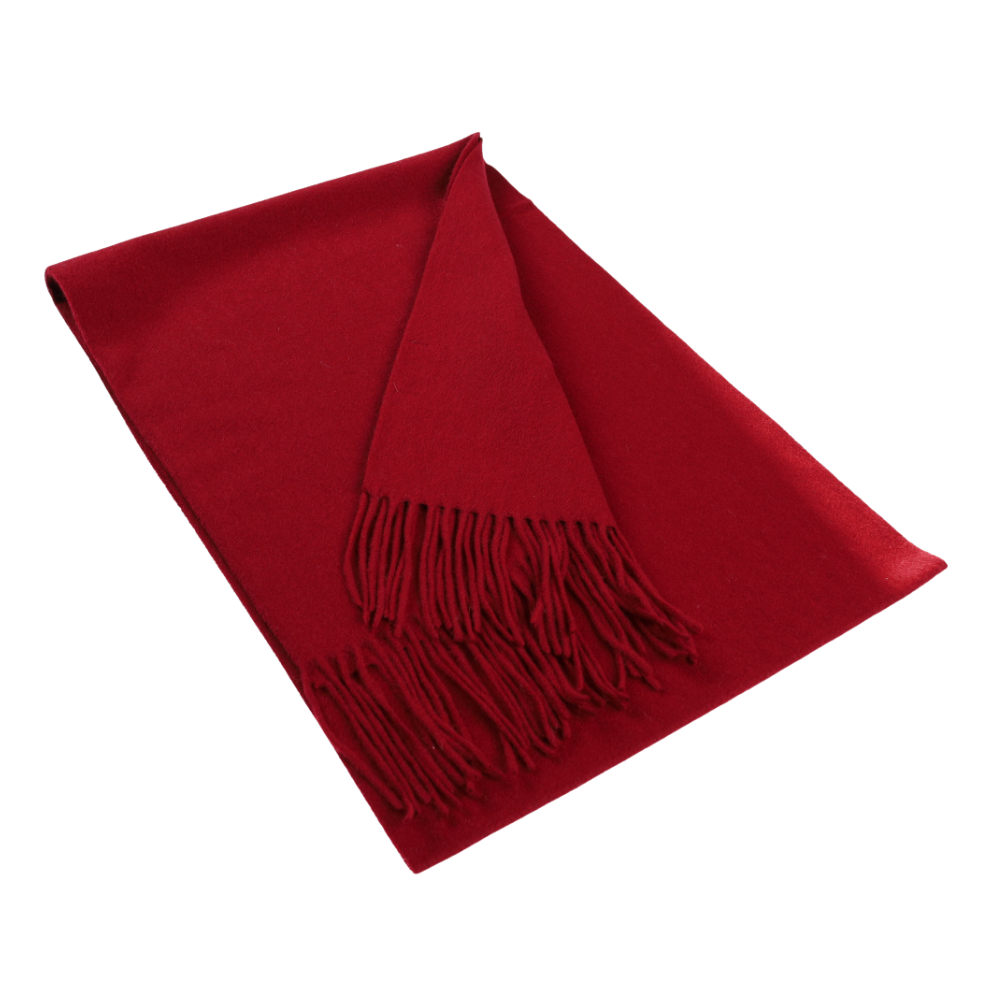
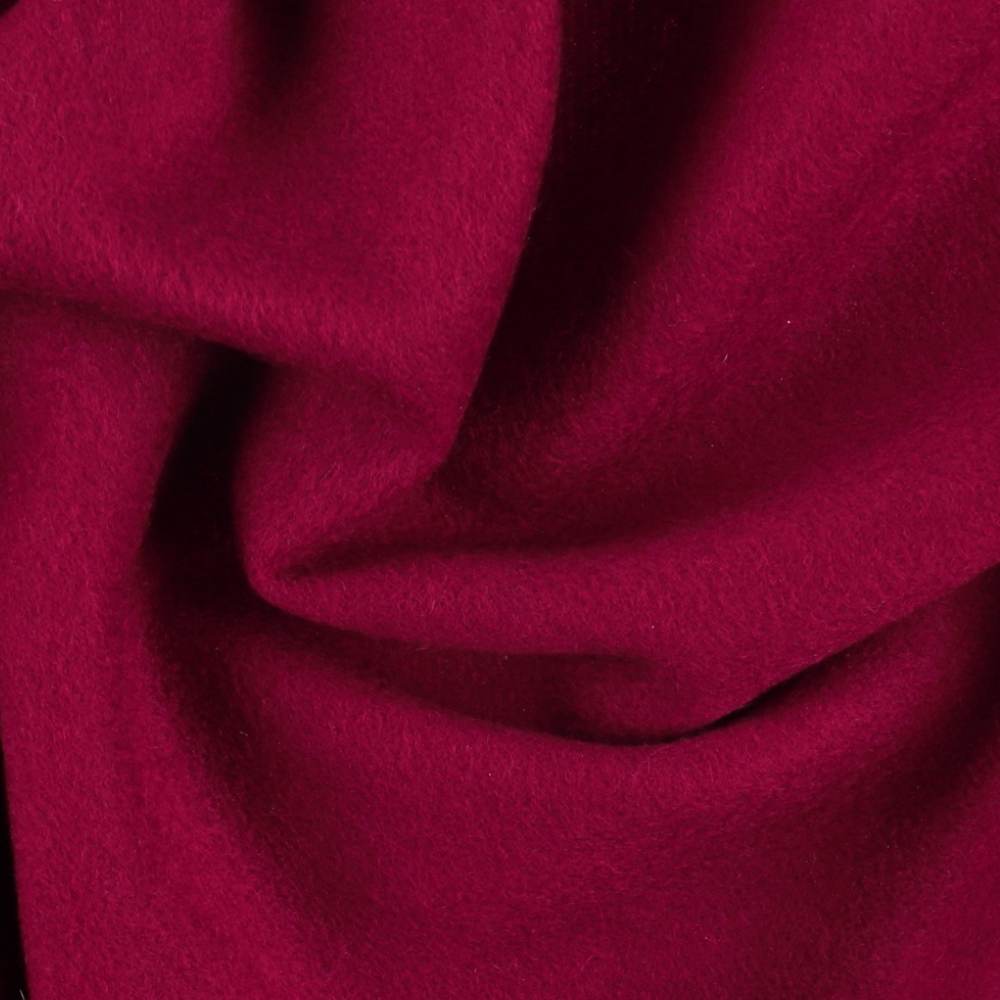
200×35 cm / 79×14 in
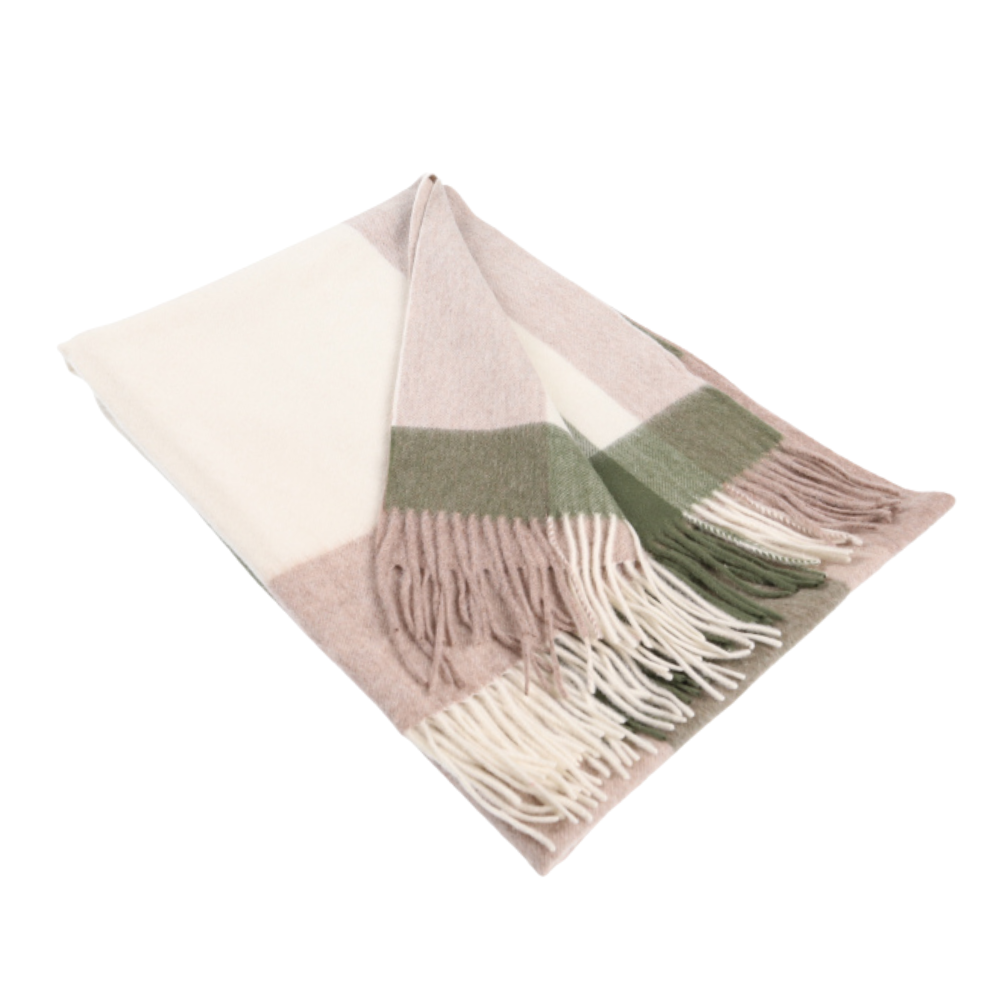
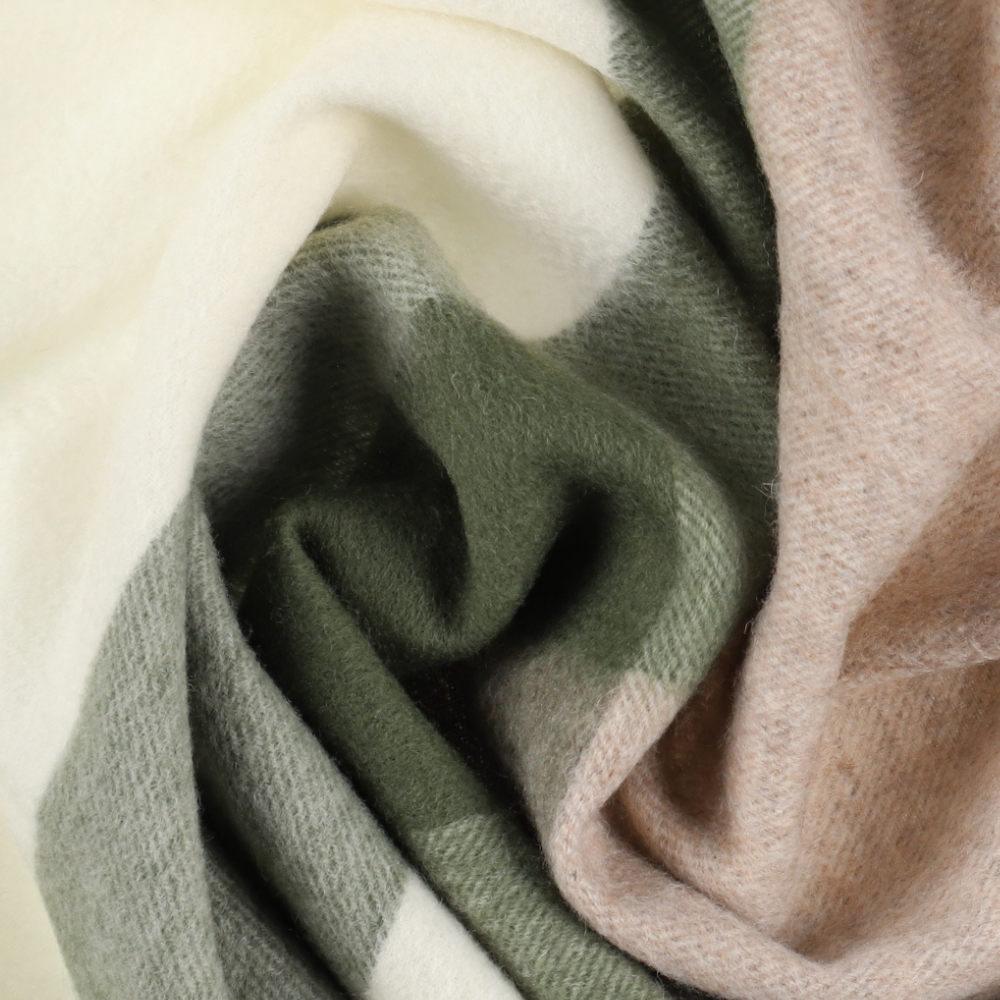
200×70 cm / 79×28 in
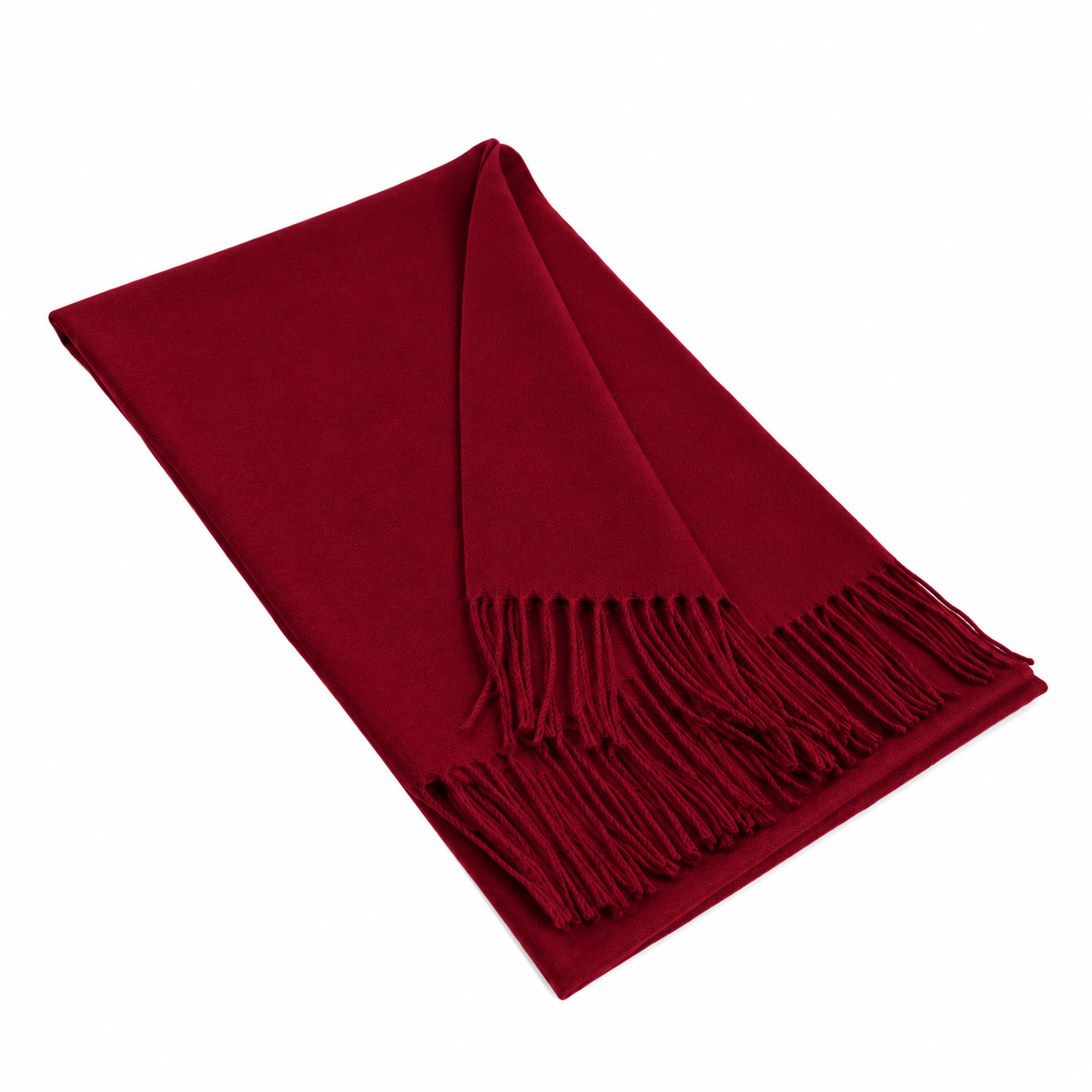
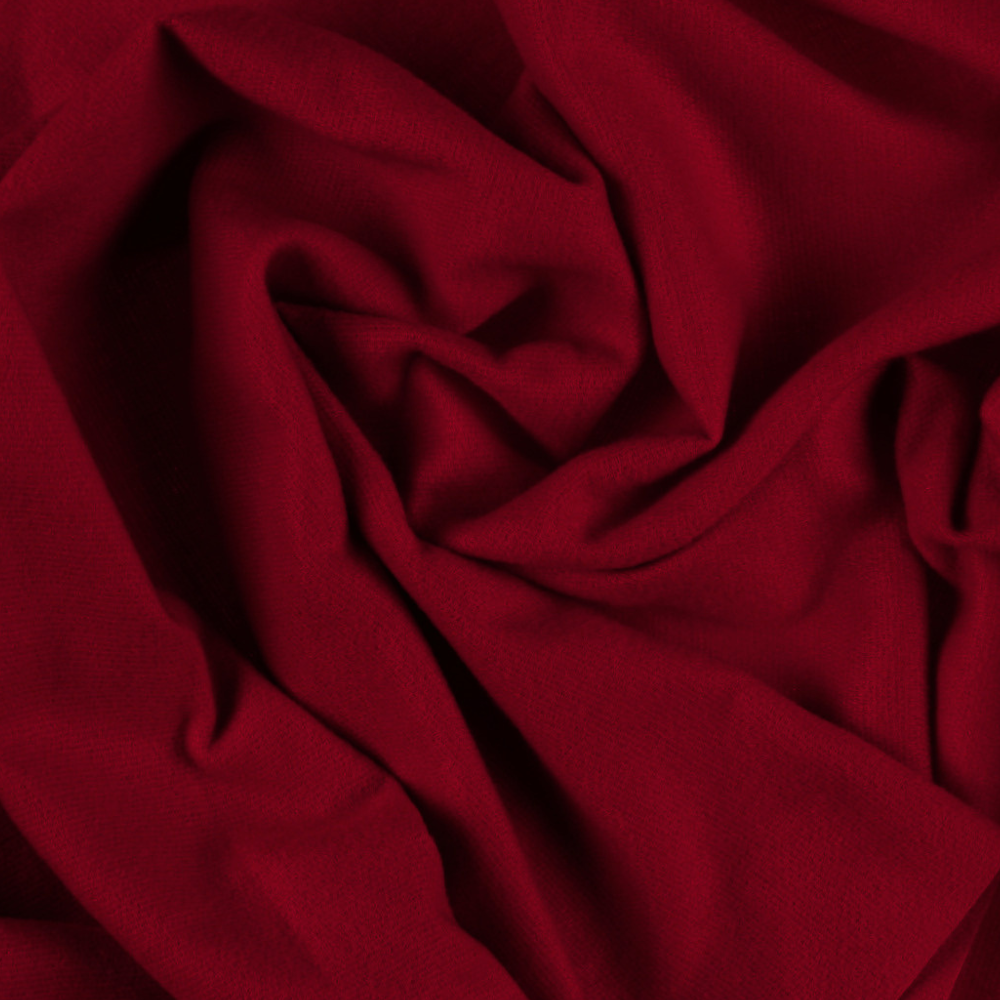
200×65 cm / 79×26 in
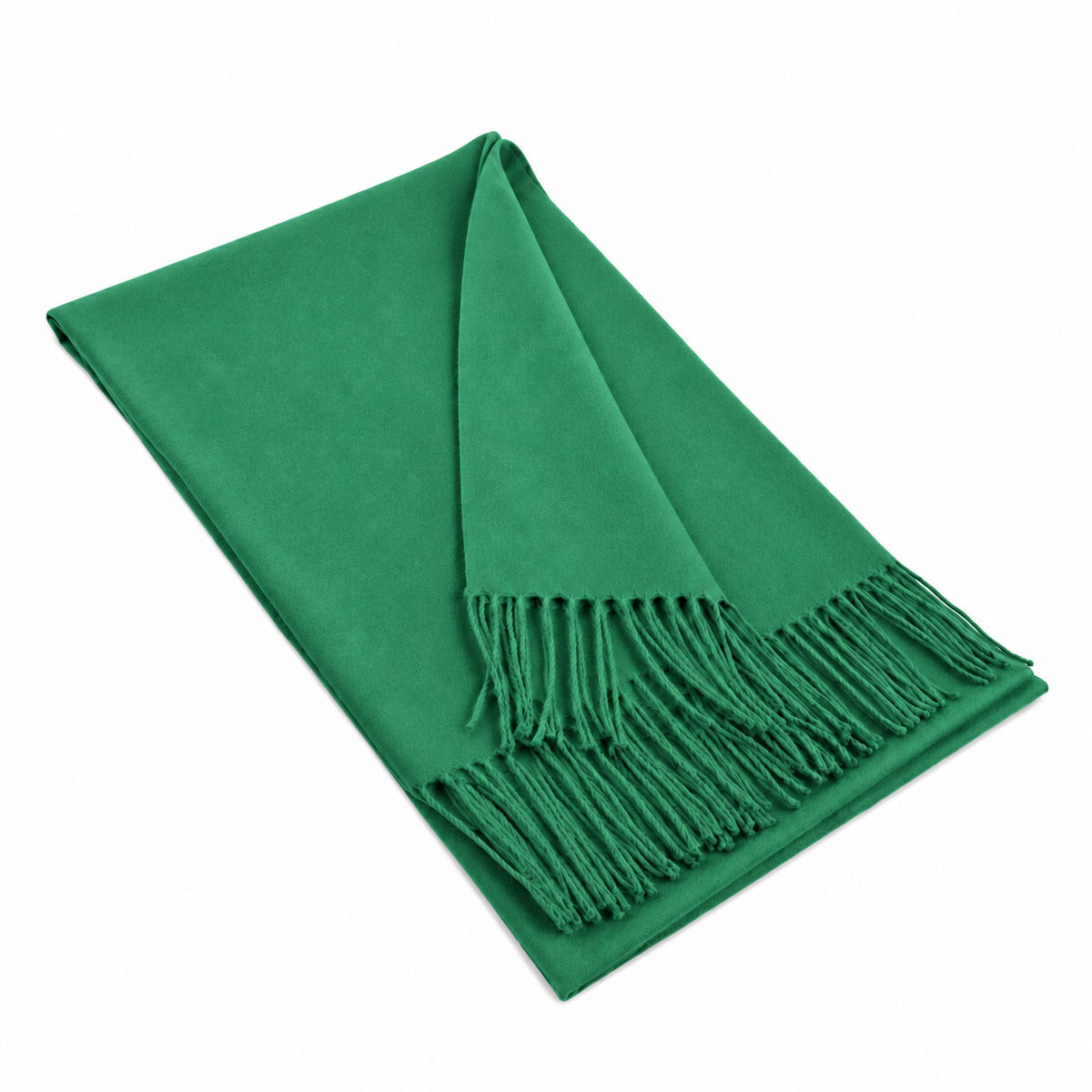
200×65 cm / 79×26 in
200×65 cm / 79×26 in


180×30 cm / 71×12 in


180×30 cm / 71×12 in


180×30 cm / 71×12 in
180×30 cm / 71×12 in
200×35 cm / 79×14 in
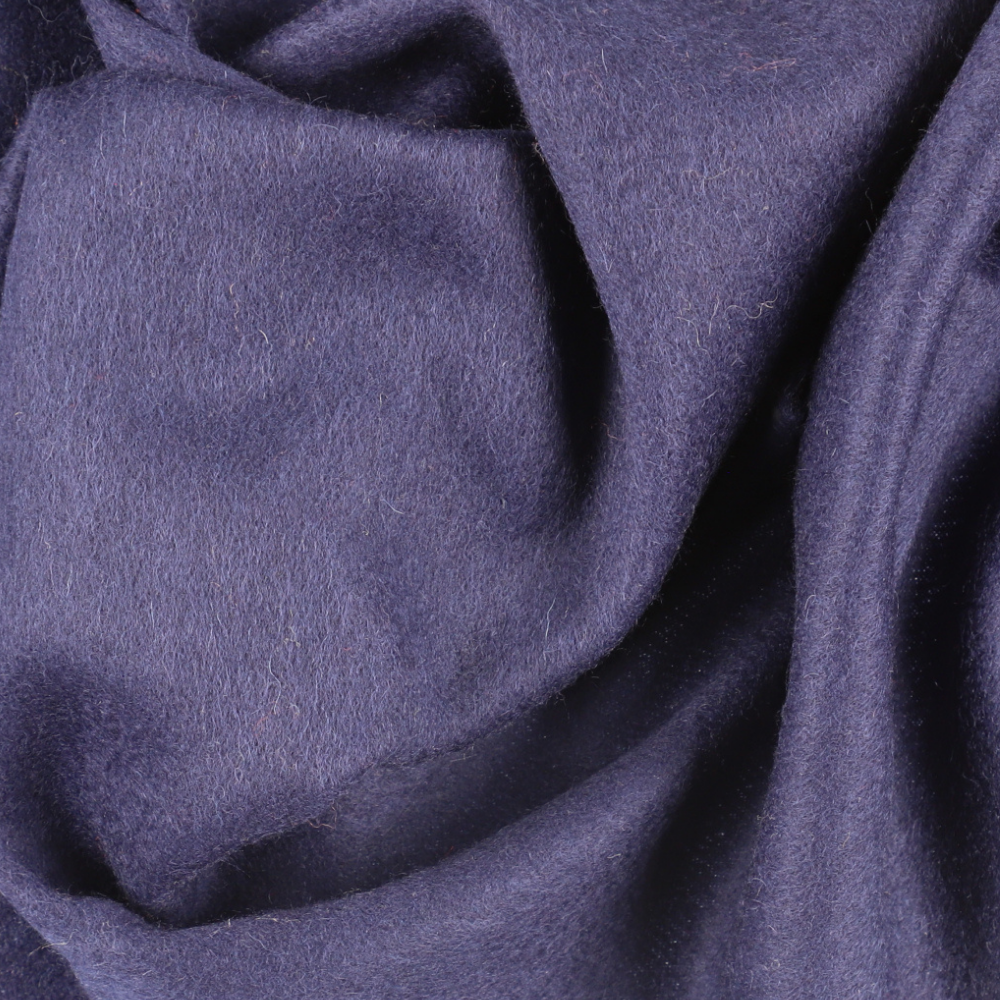
200×35 cm / 79×14 in
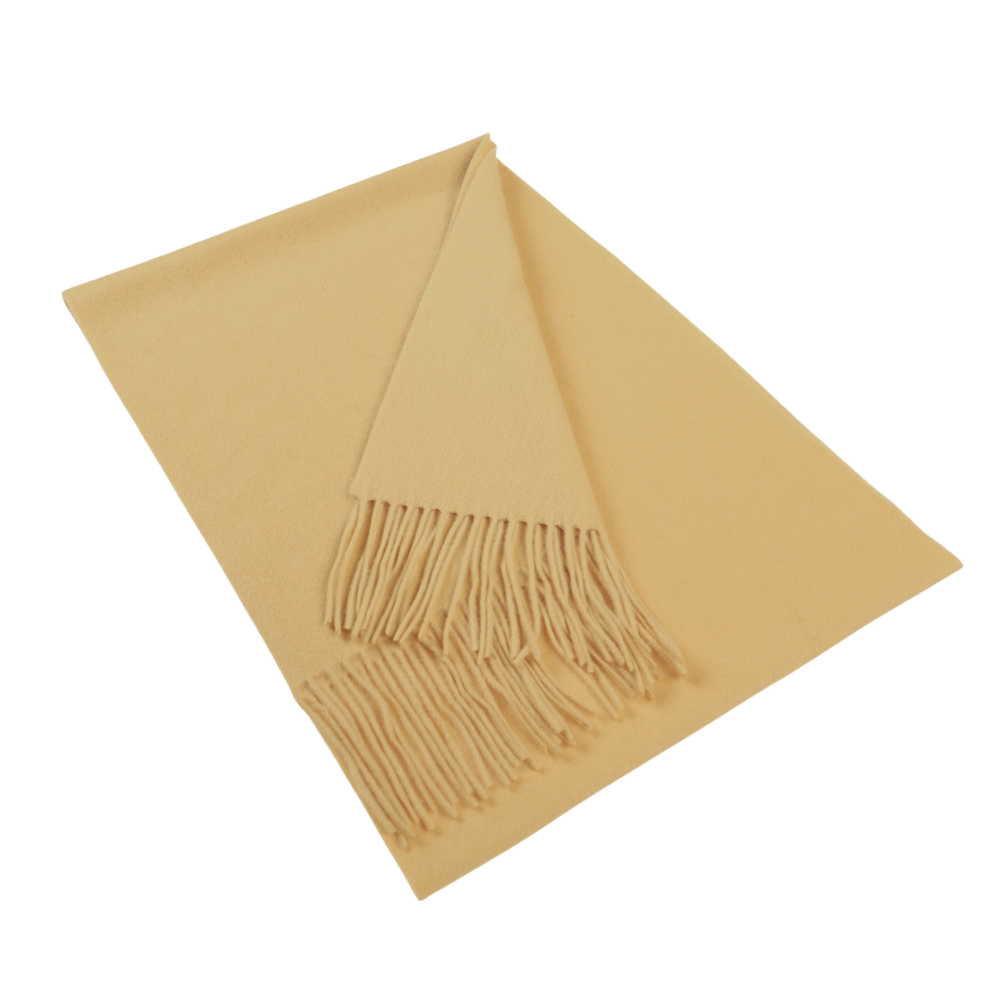
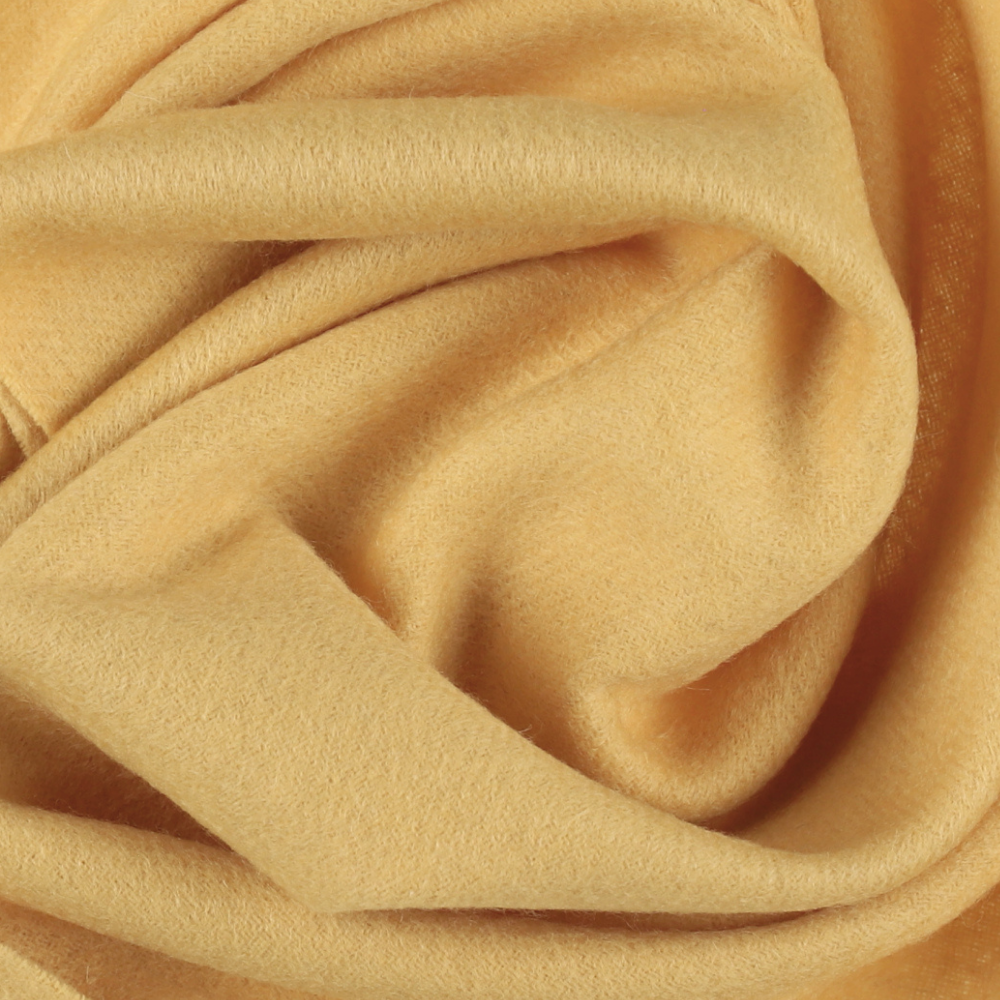
200×35 cm / 79×14 in
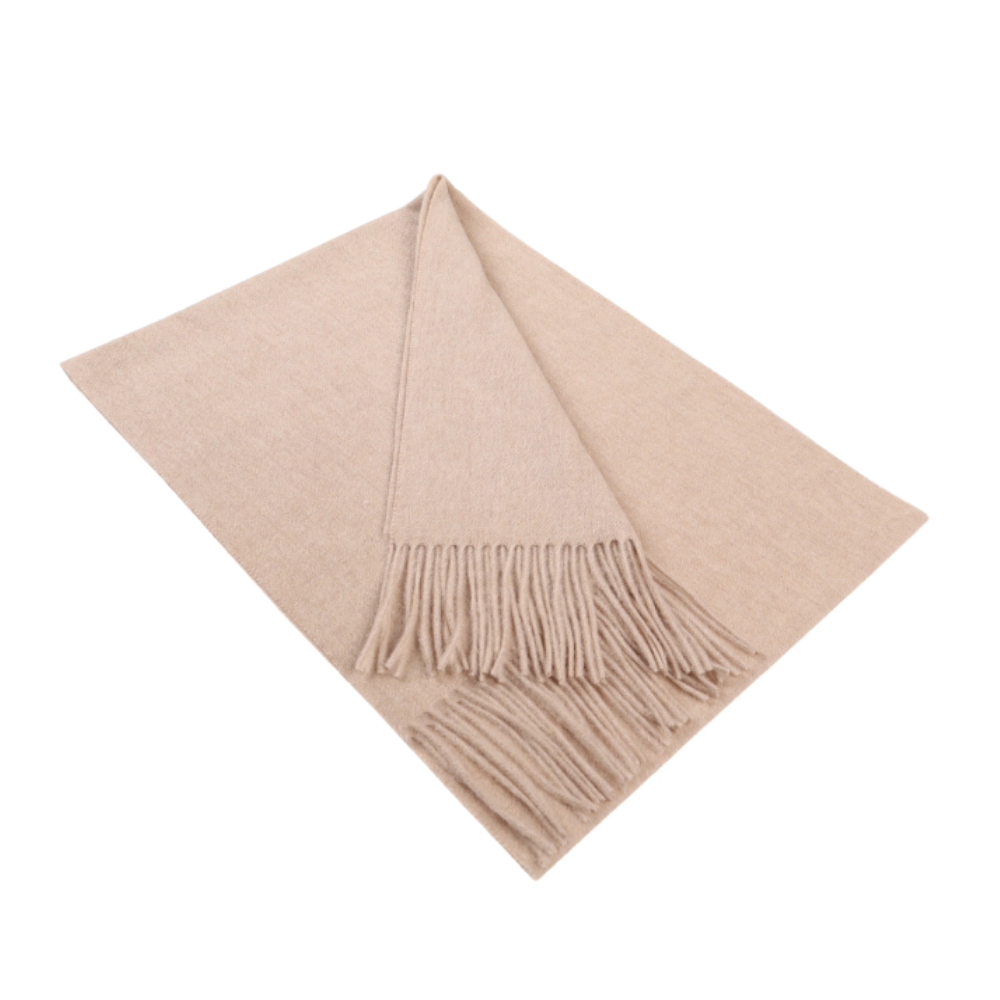
200×35 cm / 79×14 in
200×70 cm / 79×28 in
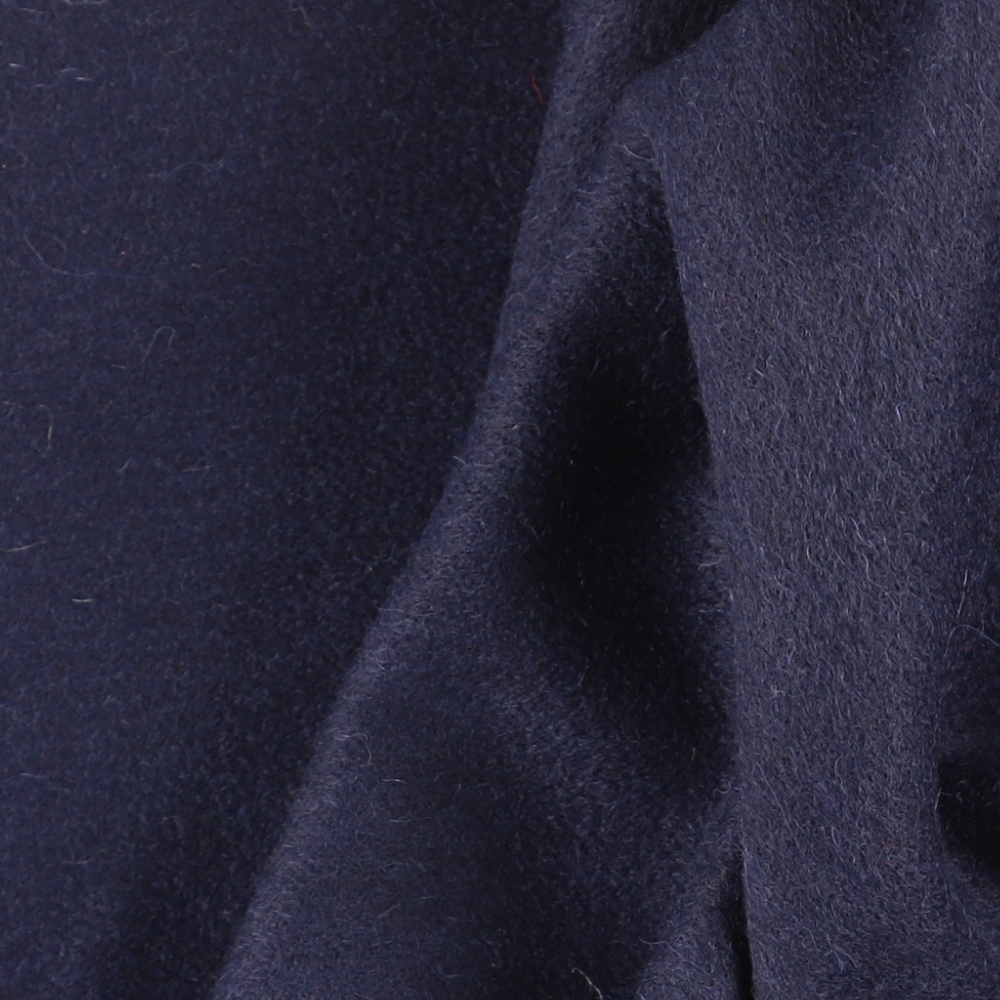
200×35 cm / 79×14 in
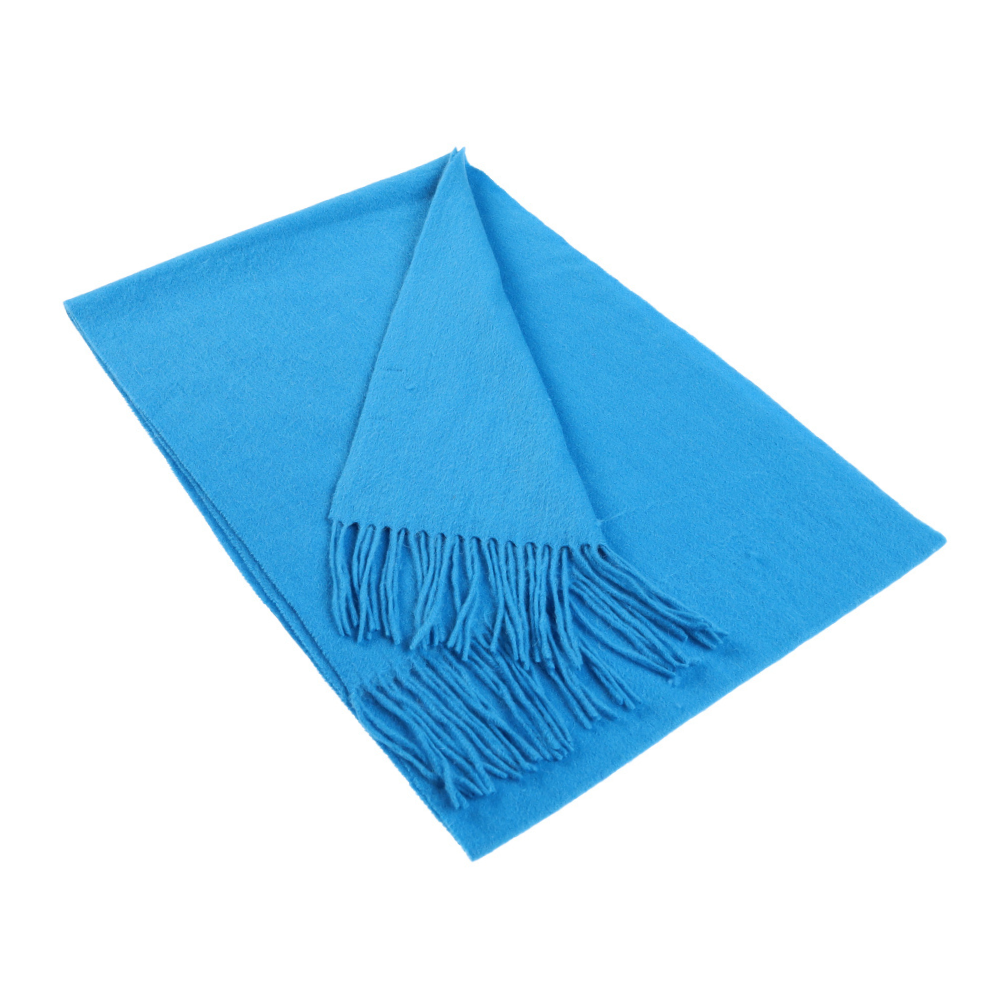
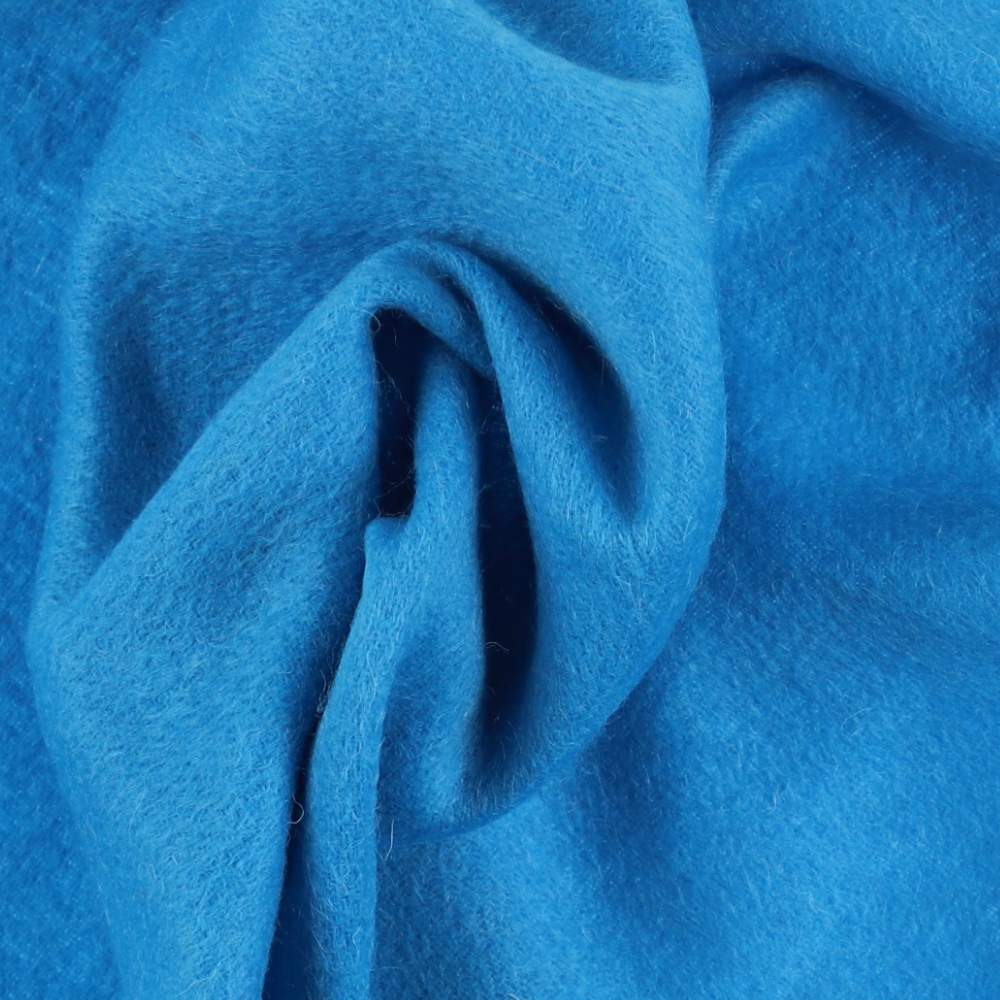
200×35 cm / 79×14 in
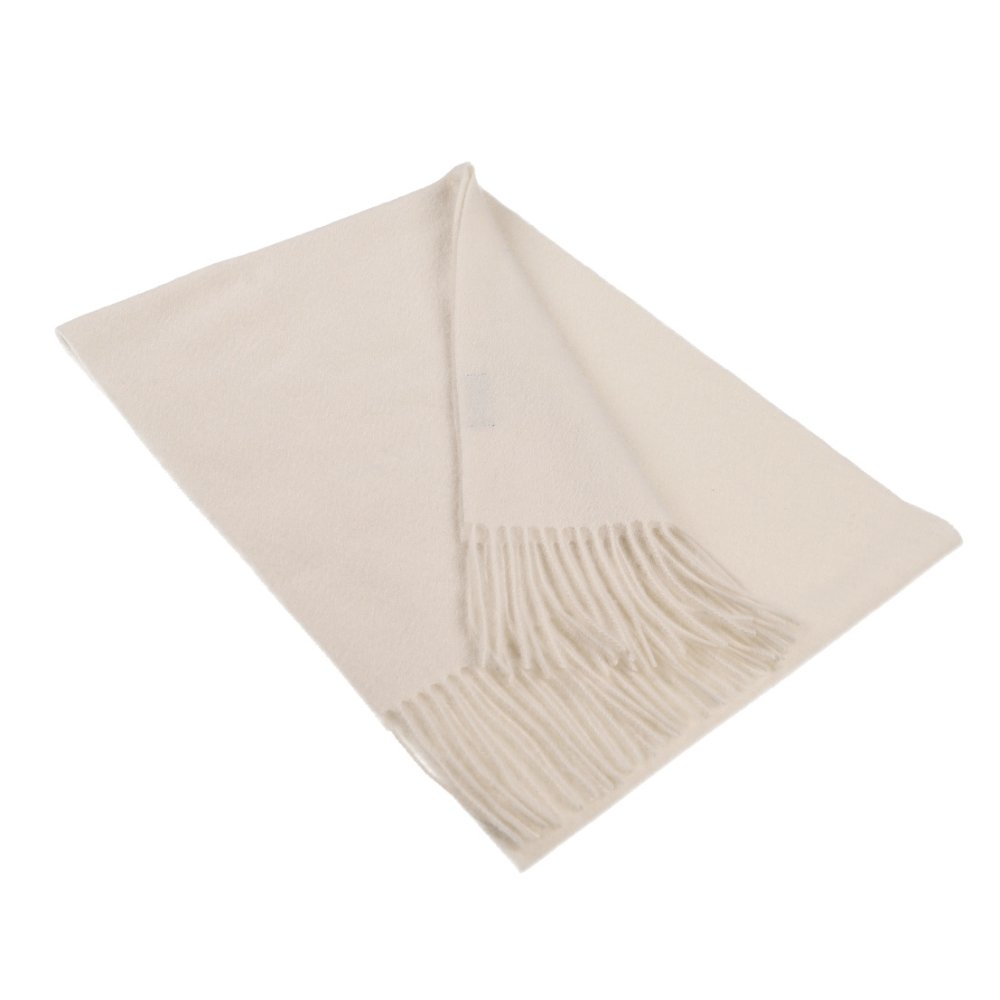
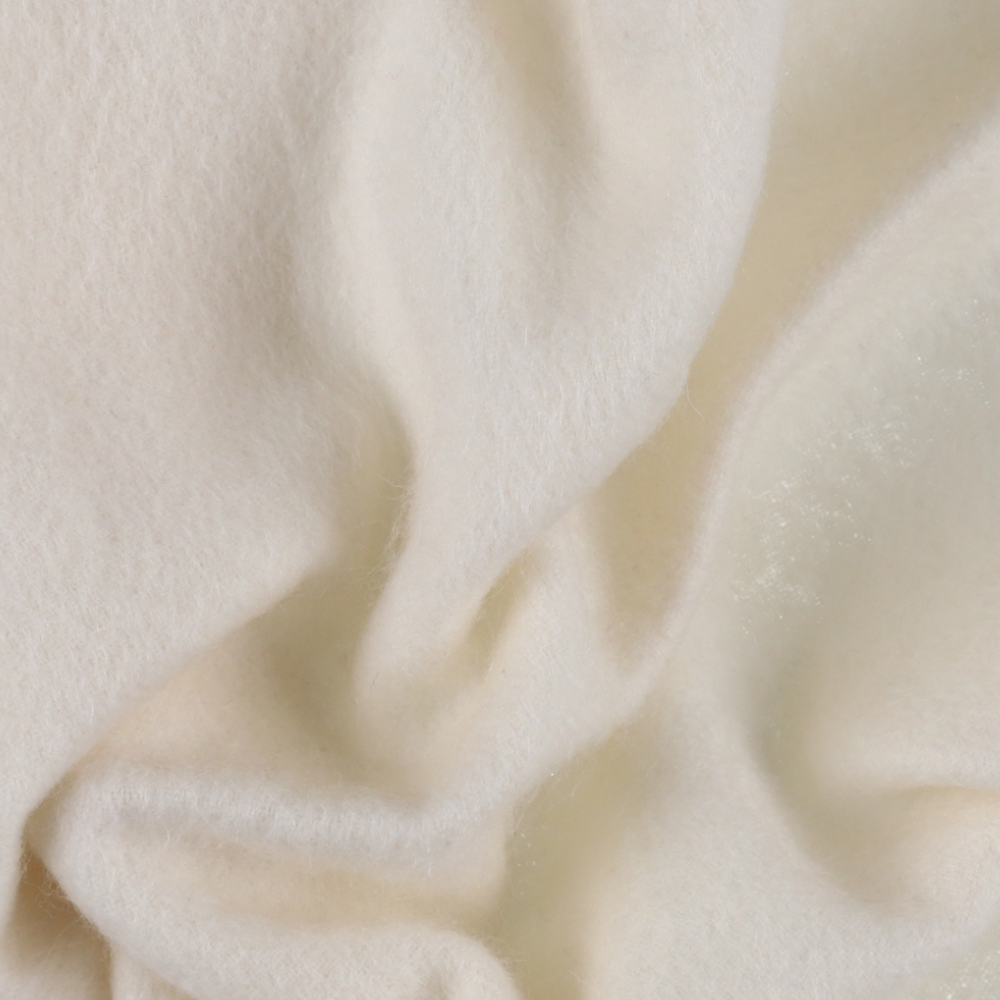
200×35 cm / 79×14 in
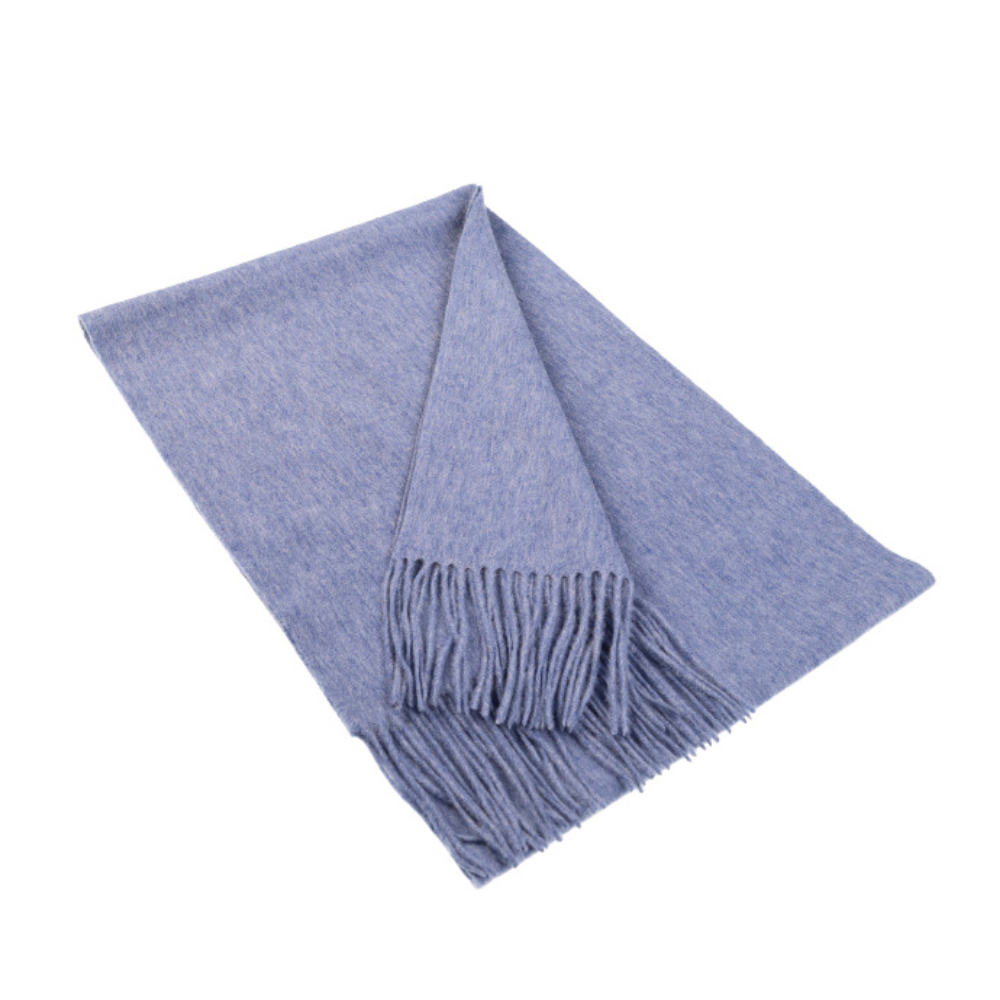
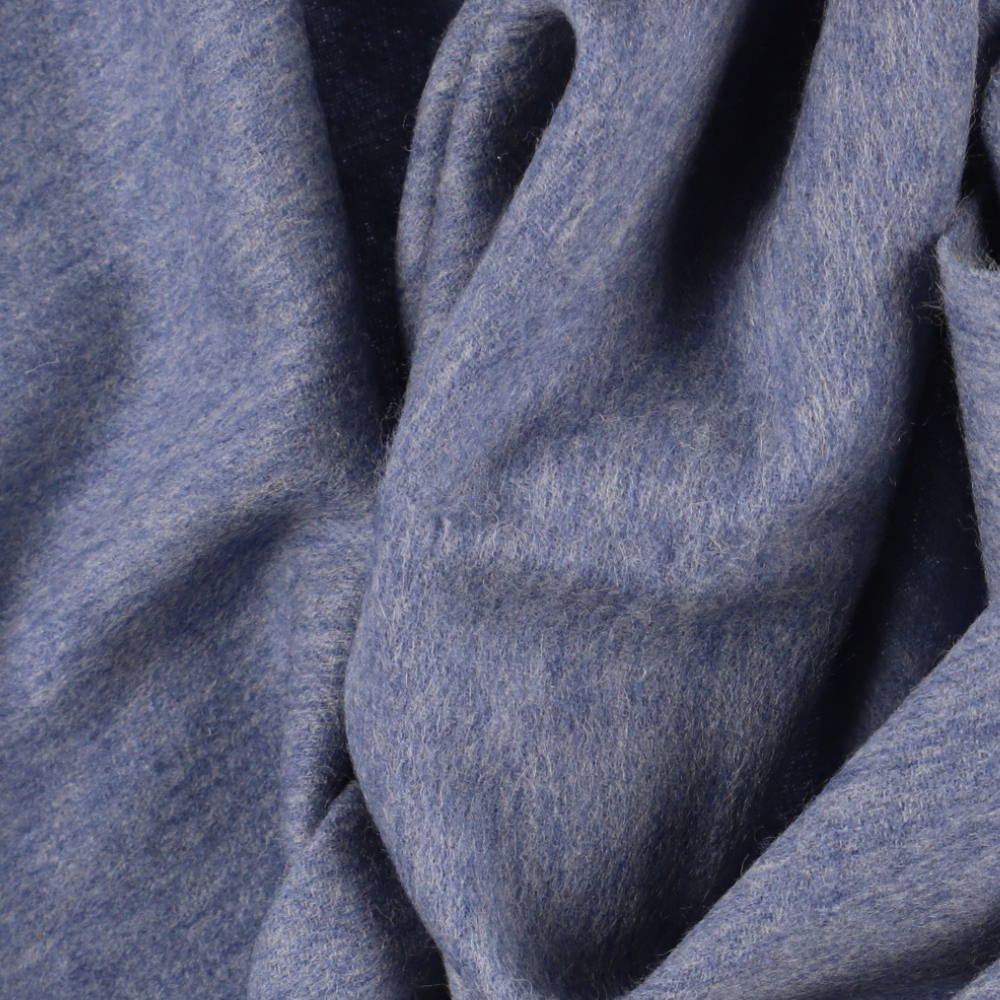
200×35 cm / 79×14 in
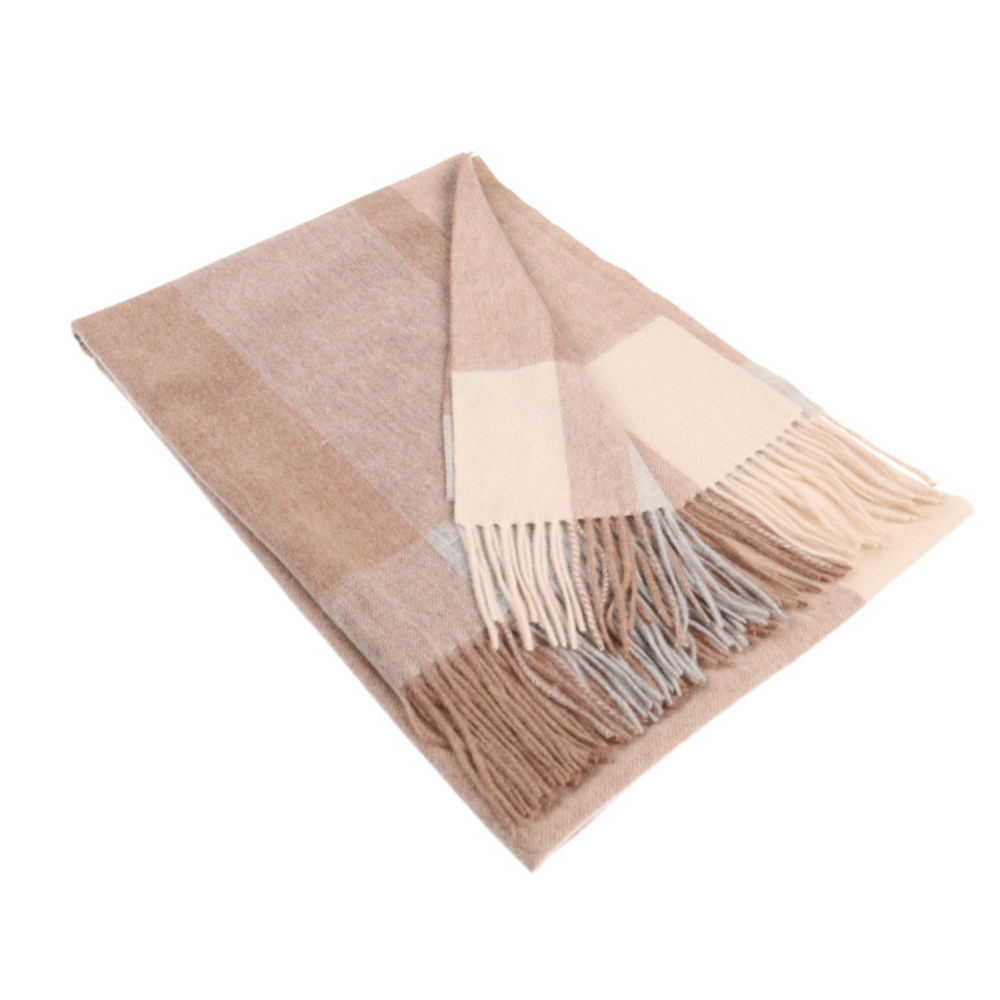
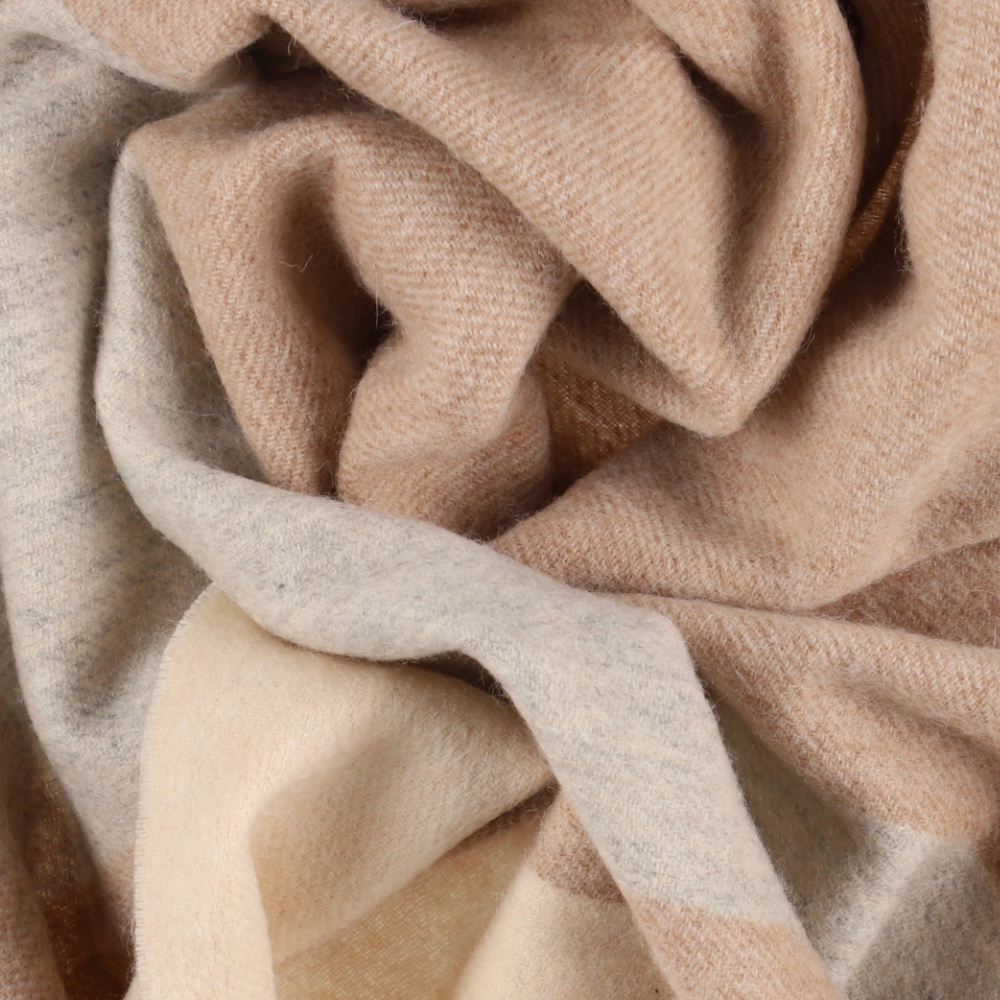
200×70 cm / 79×28 in
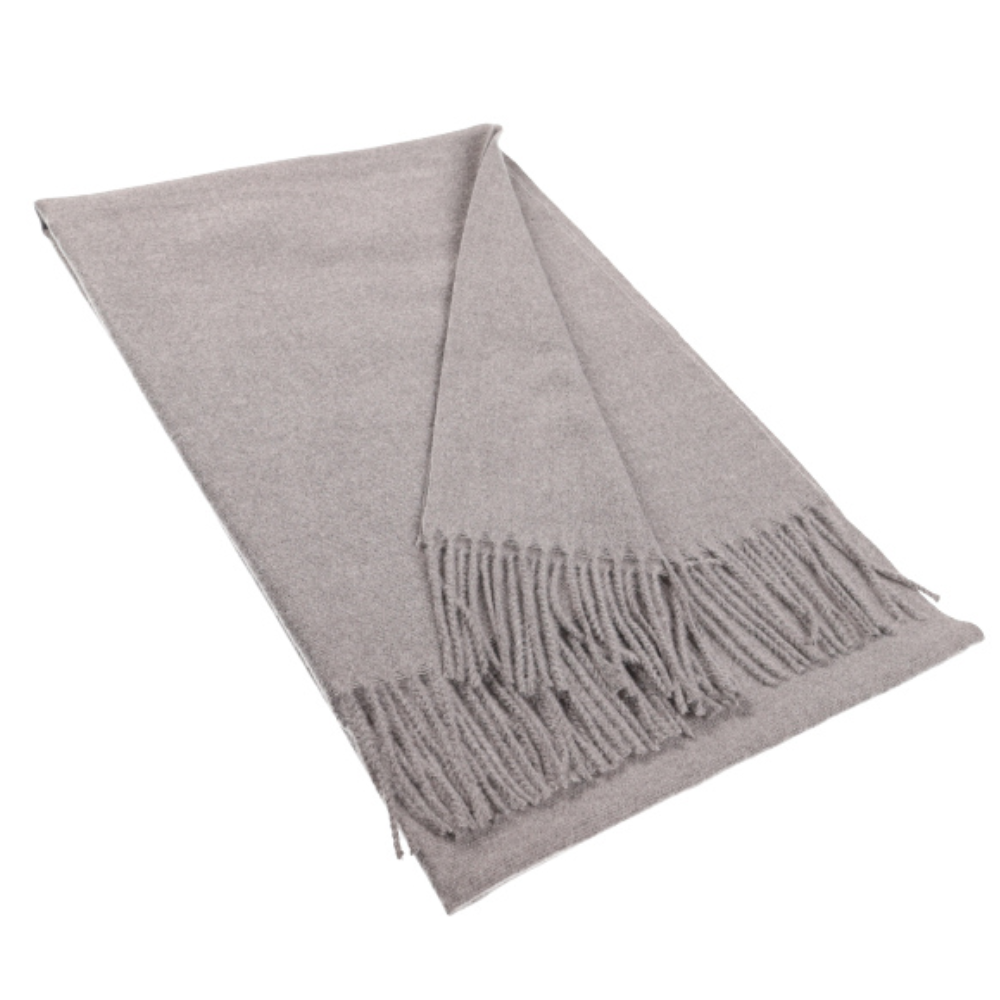
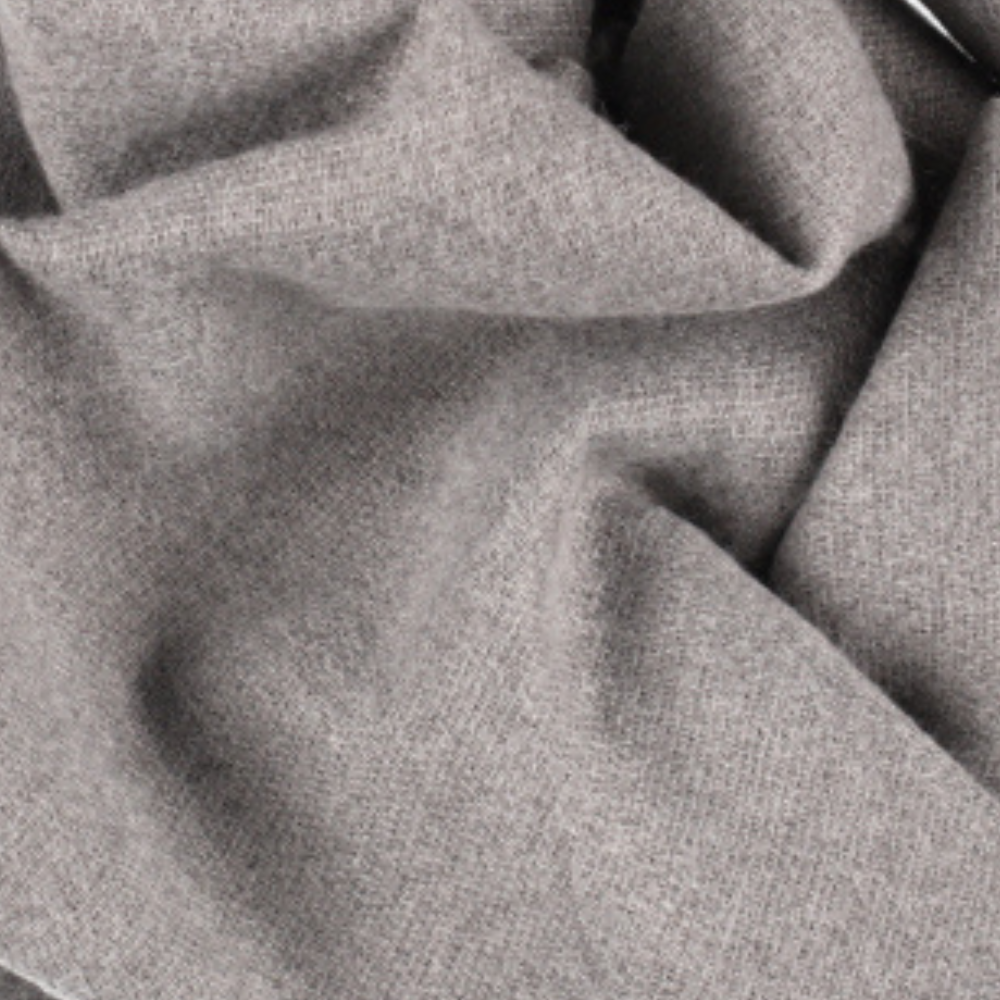
200×65 cm / 79×26 in
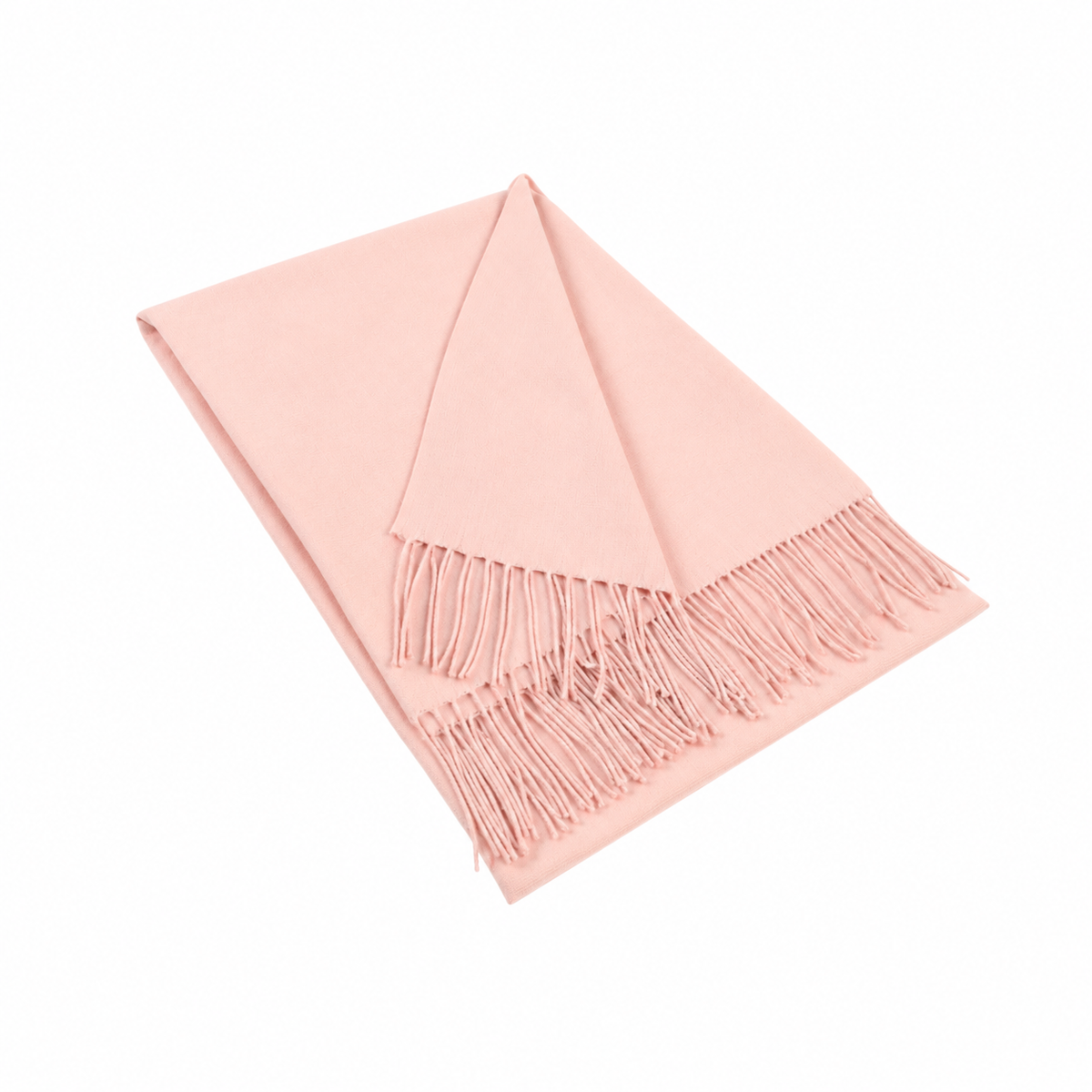
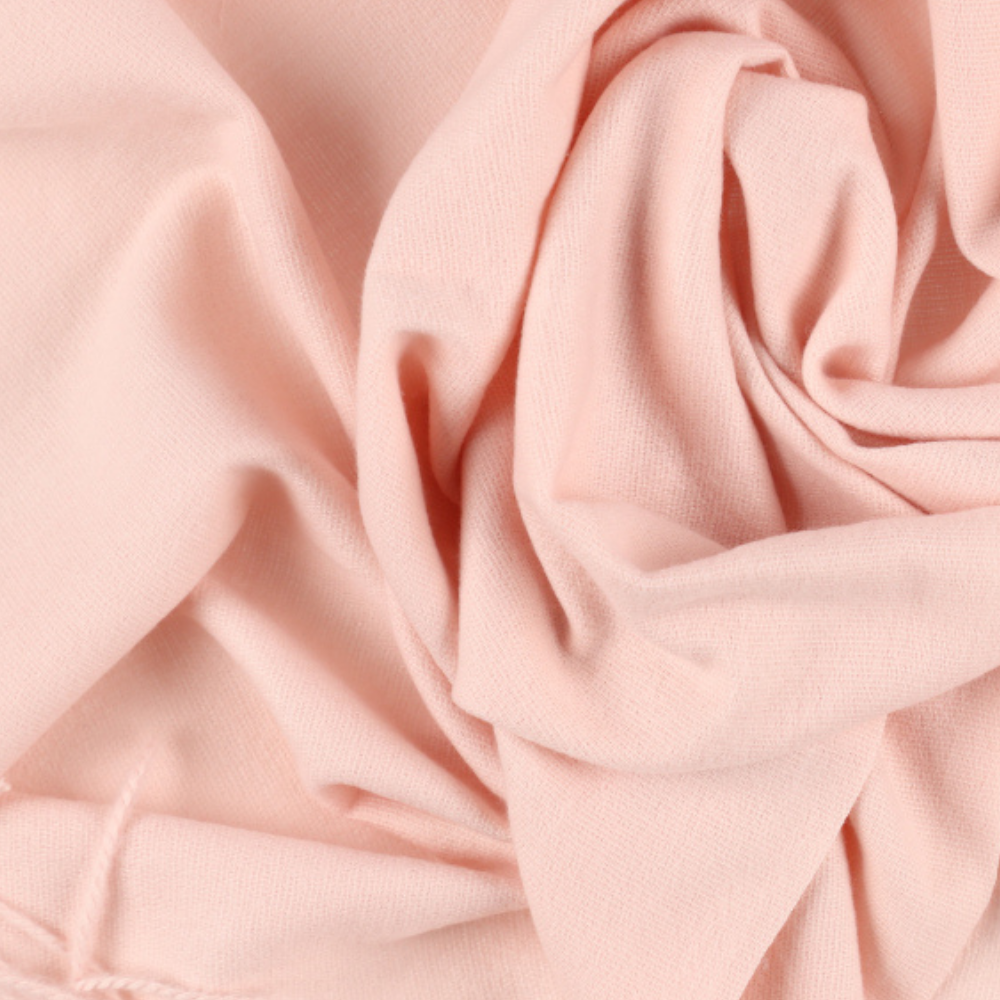
200×65 cm / 79×26 in
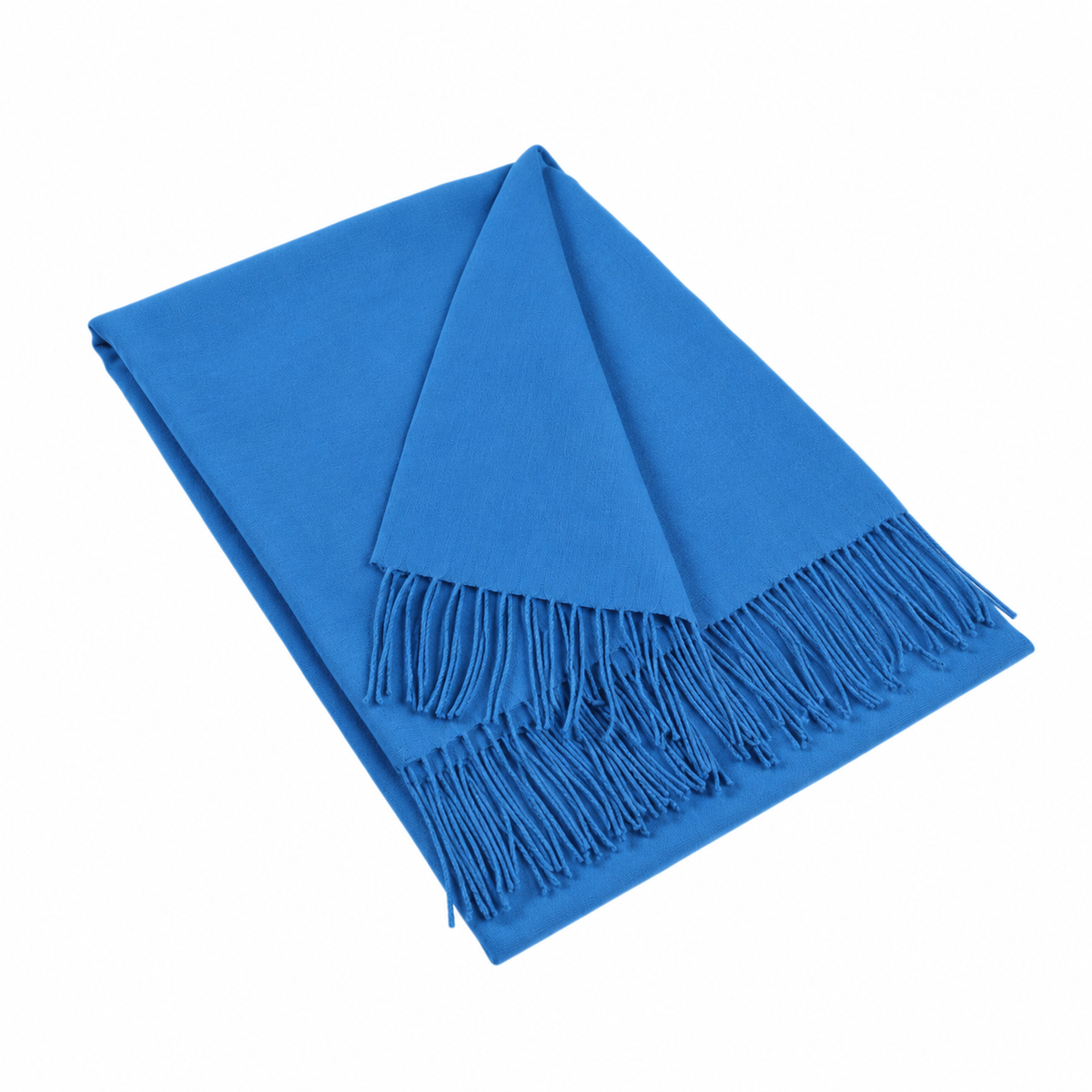
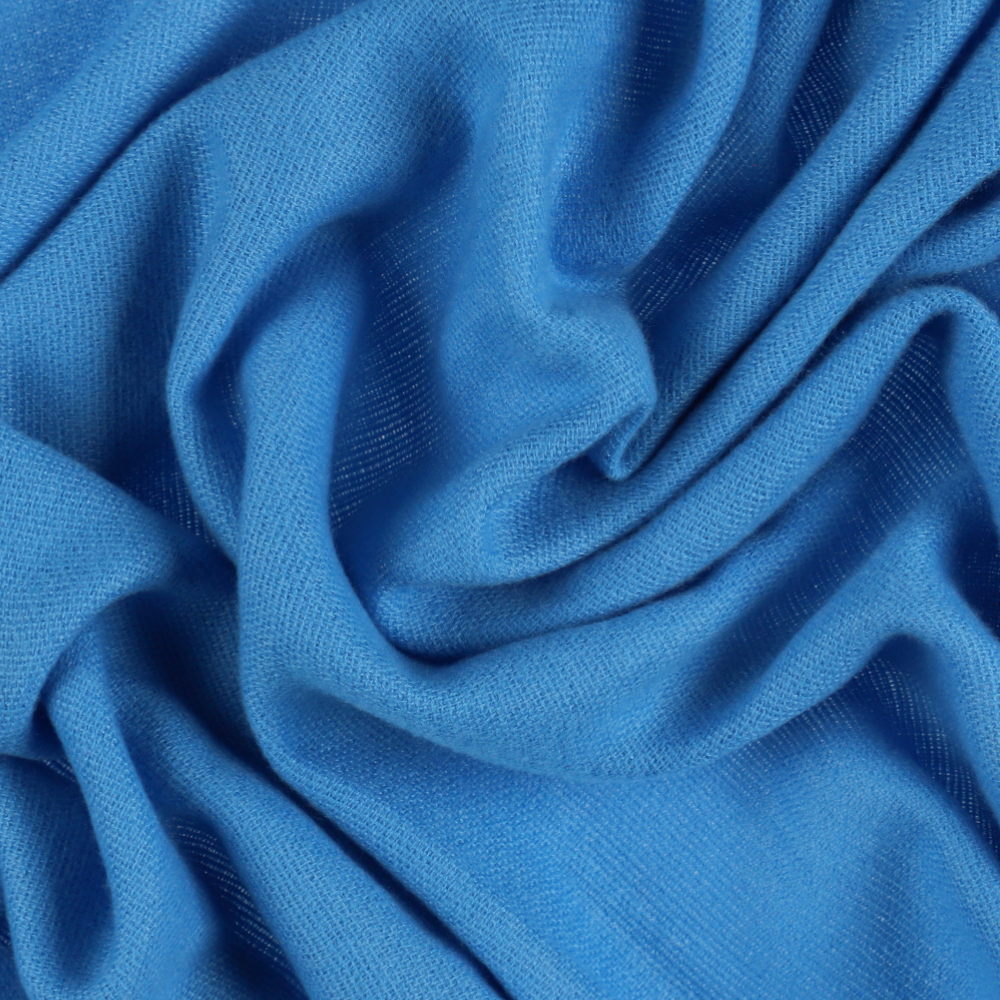
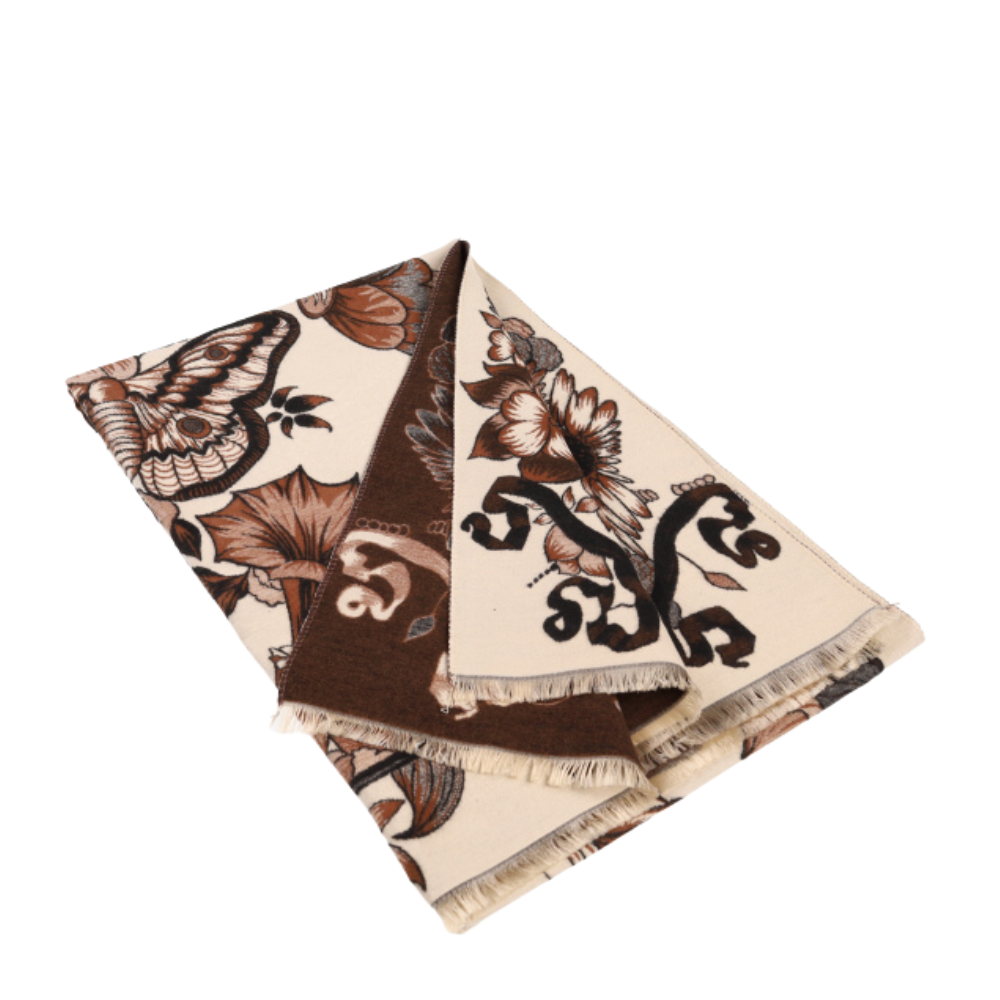
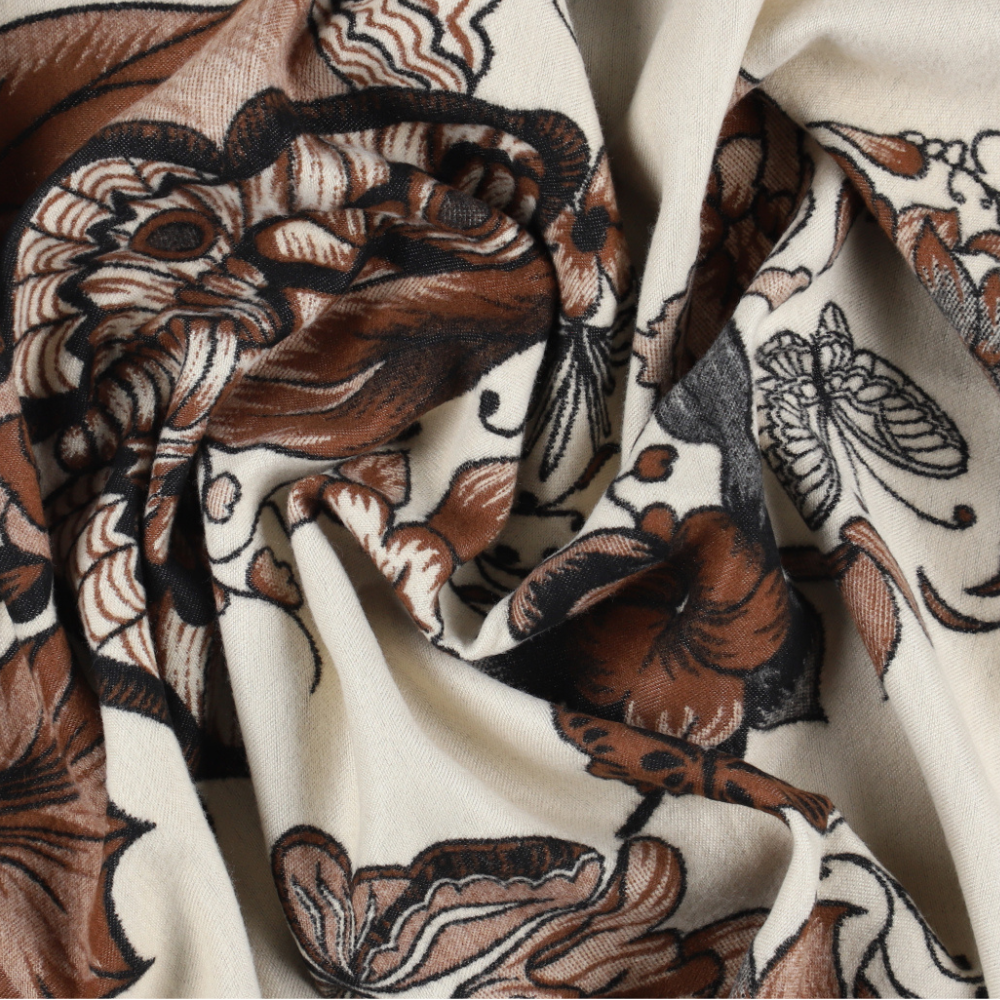
180×65 cm / 71×26 in
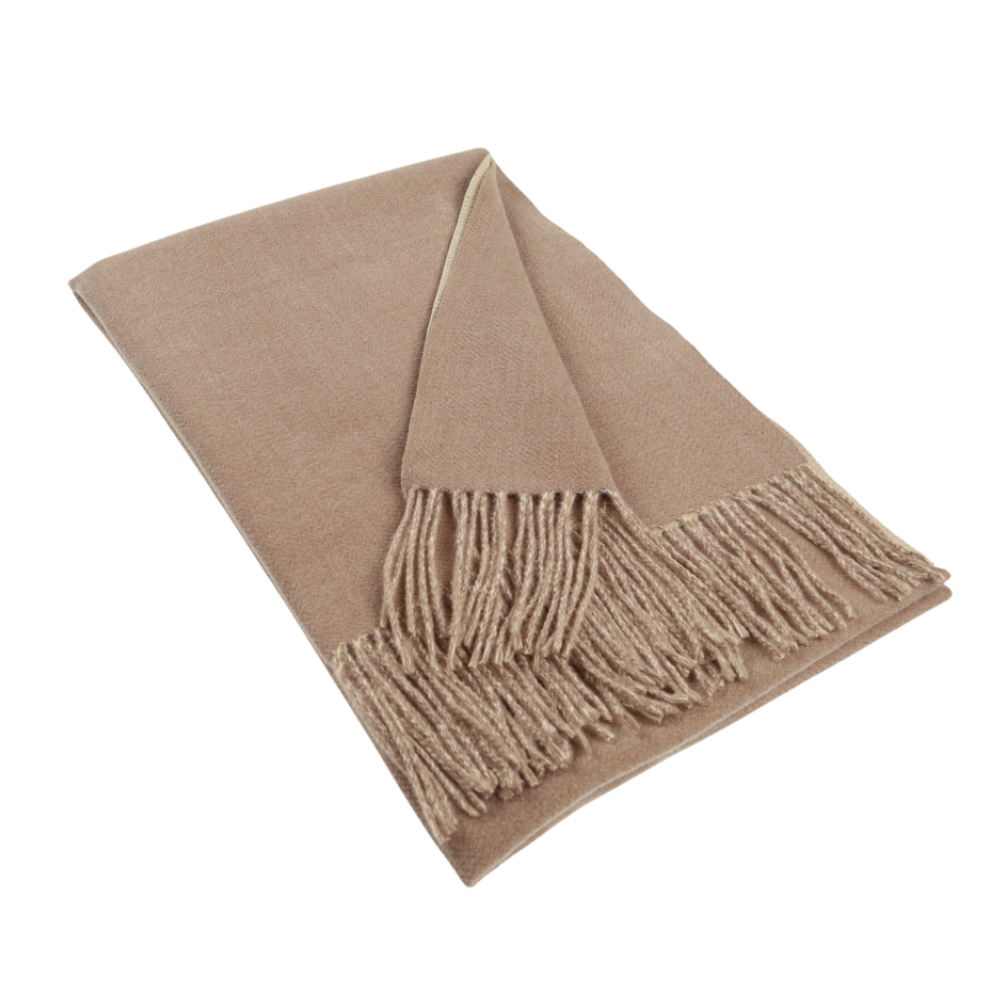
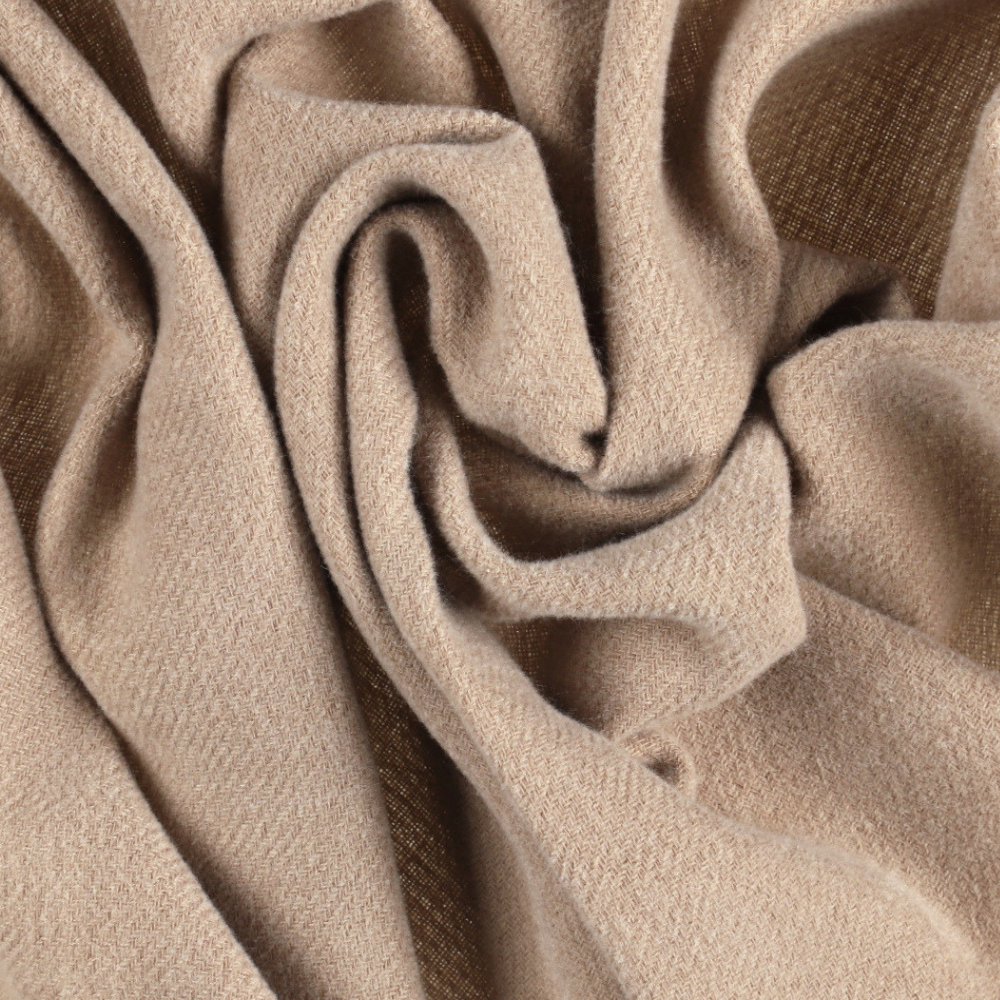
200×65 cm / 79×26 in
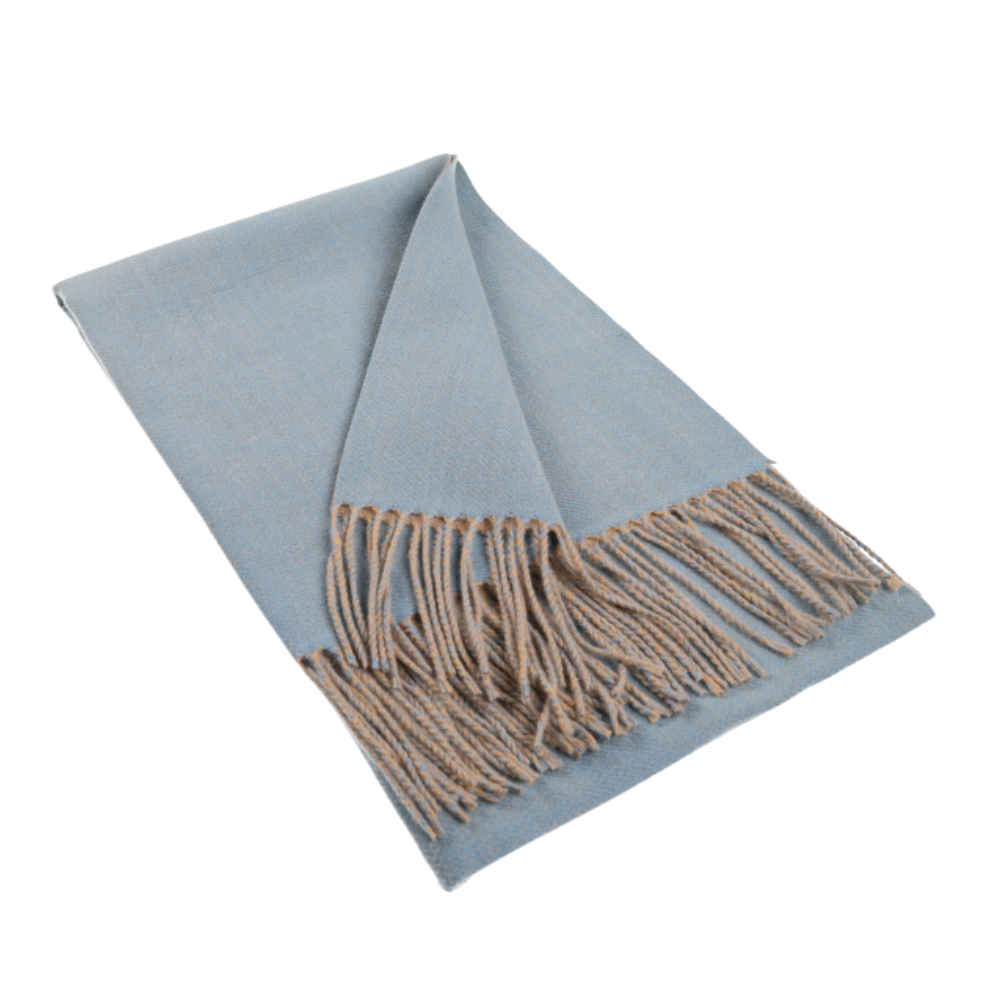
200×65 cm / 79×26 in
200×65 cm / 79×26 in


180×30 cm / 71×12 in


180×30 cm / 71×12 in


180×30 cm / 71×12 in


180×30 cm / 71×12 in


195×60 cm / 77×24 in


190×60 cm / 75×24 in


195×60 cm / 77×24 in


180×30 cm / 71×12 in
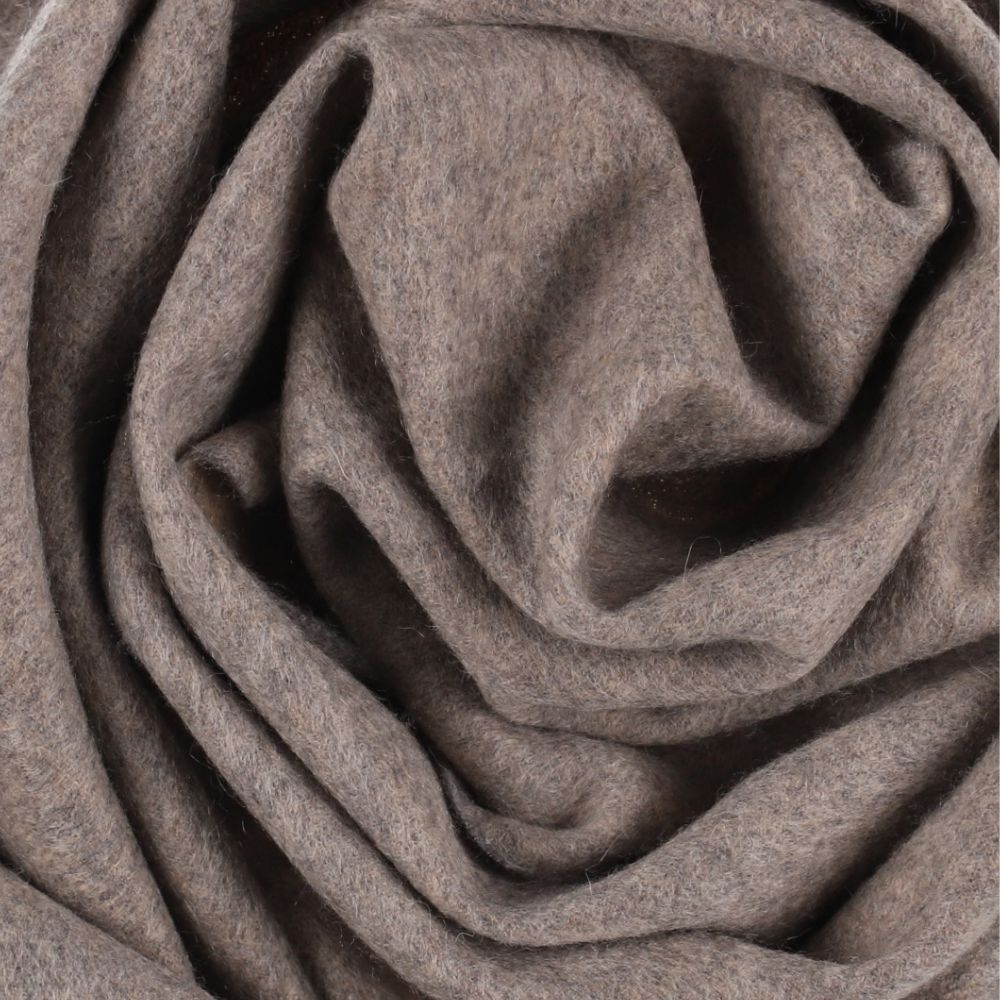
180×30 cm / 71×12 in
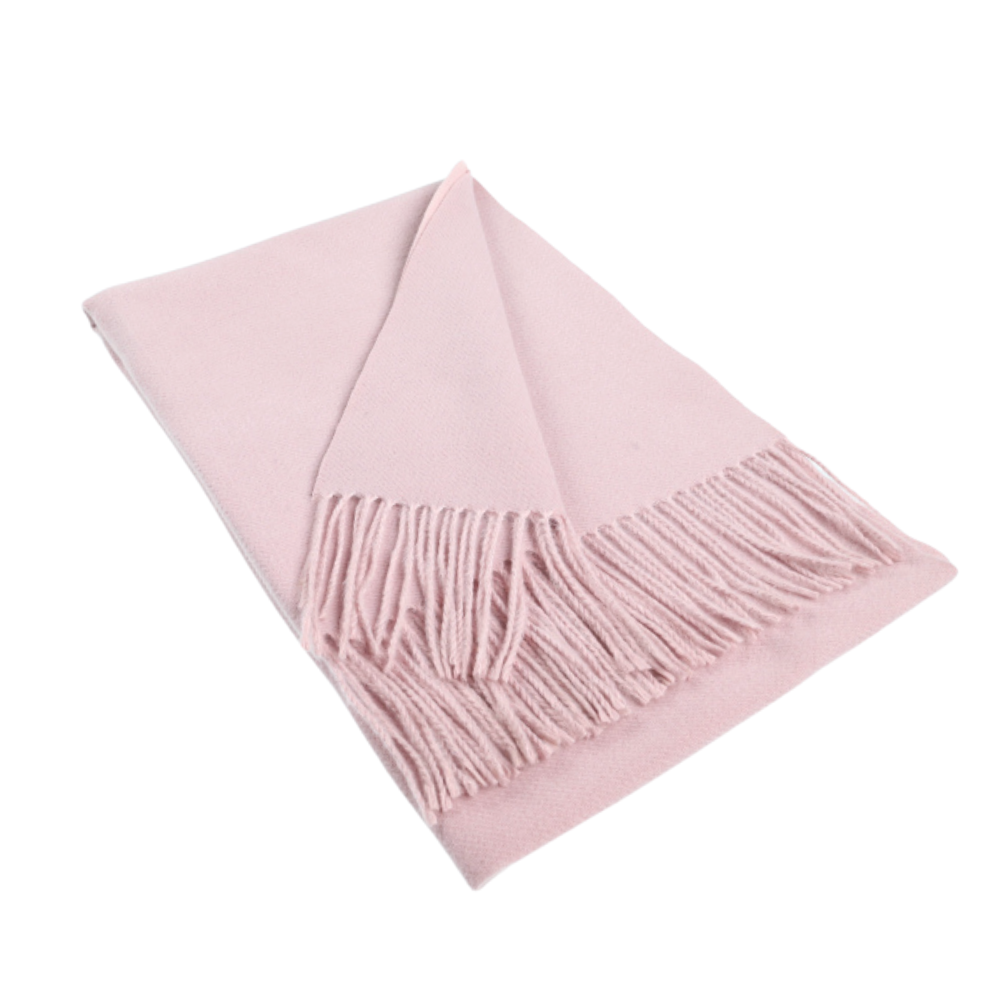
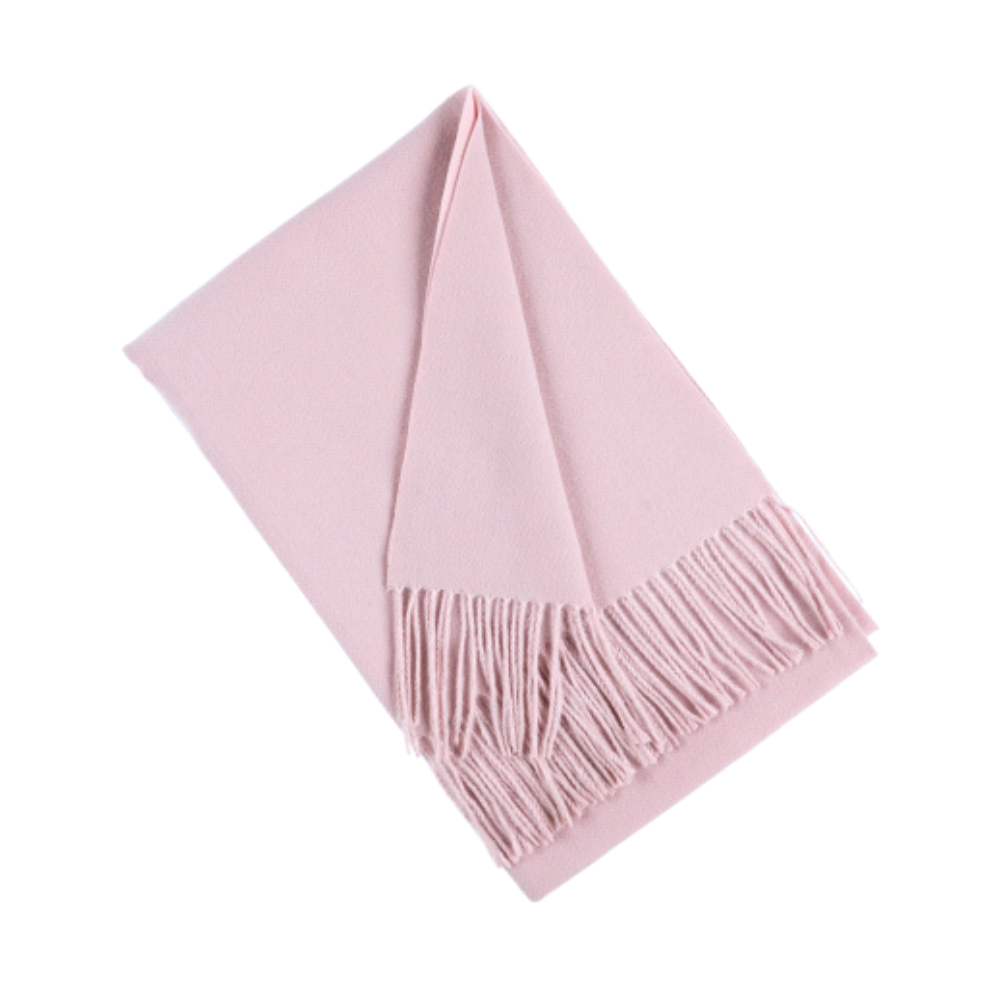
200×65 cm / 79×26 in
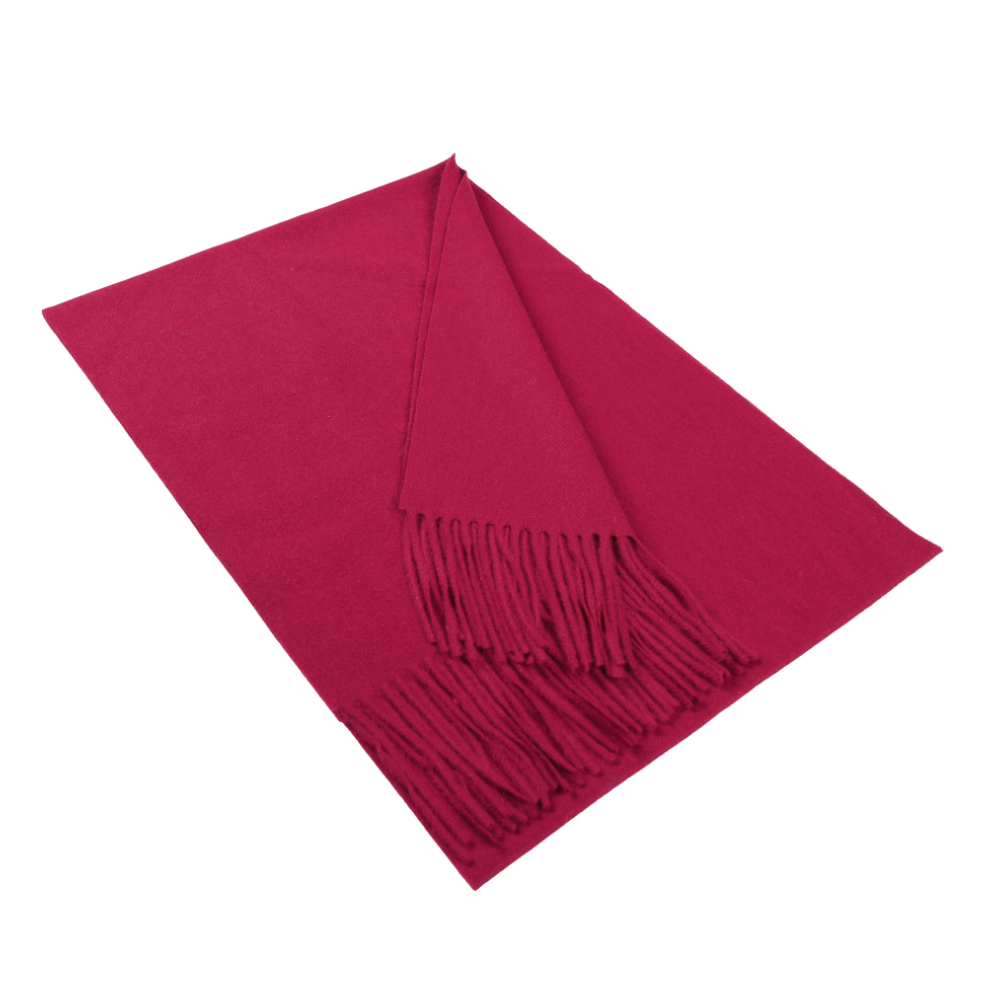
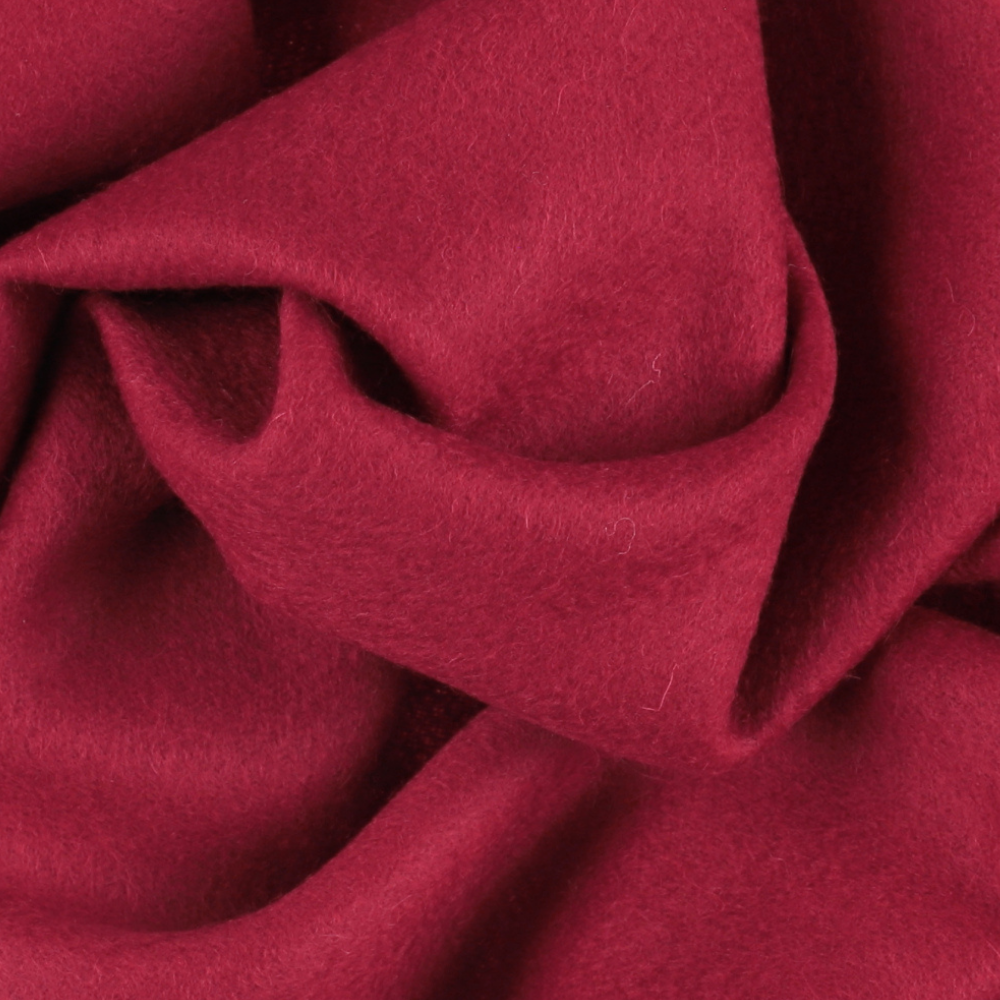
200×35 cm / 79×14 in
Winter scarf – how to choose and style it for cold days
Winter scarves at UniqueYou – quick guide
You're in the right place if you're looking for a winter scarf that keeps you warm on cold days and pulls your outfit together at the same time. This category covers women's winter scarves and shawls suited to everyday wear, commuting, work and more polished occasions. UniqueYou focuses on women's accessories, so every piece here is selected to complement coats, jackets and the colors you already reach for. You'll find different materials - wool blends, acrylic, viscose and options with a cashmere or silk touch - alongside a range of sizes from classic long scarves to wider shawls, in neutrals, strong accents and patterns like checks and stripes.
Types of winter scarf
Winter scarves in this collection differ in size, thickness and form, and those differences change how you can wear them and which outerwear they pair with best. Below is a breakdown of the practical types you'll actually notice when browsing the product list.
Classic long winter scarf
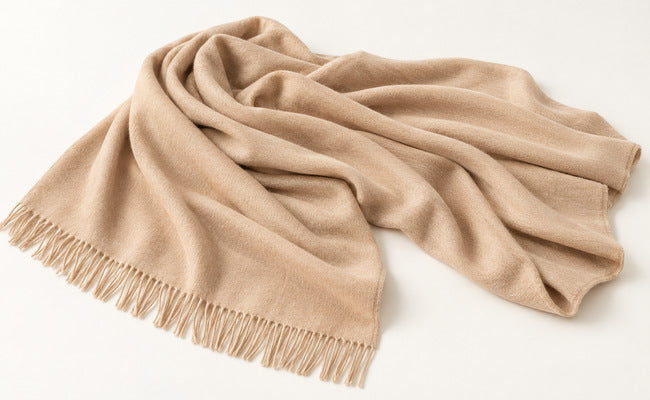
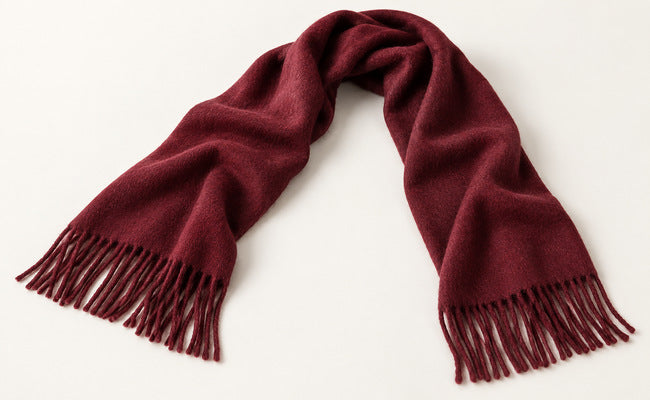
A classic winter long scarf is a rectangular piece - typically long enough to wrap around the neck once or twice and leave ends loose. It works well with most winter coats and padded jackets, making it reliable for everyday errands and commuting alike. The best scarves in this format combine insulating materials with styles that complement winter outfits - you'll find both smooth, single-colour versions and simple patterns like checks or stripes. Checked scarves add a stylish touch to winter outfits without overwhelming the rest of the look.
Oversized winter shawl
An oversized shawl is wider and often longer than a standard scarf, covering the shoulders and upper back rather than only the neck. Oversized blanket scarves are large wraps that maximize coverage around the neck and shoulders, and they can be layered for additional warmth or used as wraps over a wool coat, a knitted dress or even in a chilly office. A large scarf can be worn over shoulders, draped loosely or belted over a coat to create a more elegant silhouette. Because of their generous dimensions, these shawls give you plenty of fabric to play with when styling.
Chunky knit winter scarf
This type is made with thicker yarn and a more three-dimensional knit, giving a visibly cosy, "wintery" character. Chunky knit scarves are suitable for maximum warmth and cozy outfits - they suit relaxed looks with parkas, puffers and heavy sweaters. Chunky knits are best for freezing temperatures and outdoor activities needing more coverage. With this style it's worth checking how the scarf fits with your coat collar and whether there's still room to fasten the front comfortably; ribbed knit scarves, for example, have a textured pattern that creates a dense barrier against cold drafts without excessive bulk.
Short neck‑hugging scarf
A short neck‑hugging scarf or neck warmer sits close to the neck, sometimes in a loop or tube-like form. Infinity scarves are continuous loops that eliminate loose ends and stay in place, while fleece neck warmers are practical for outdoor activities, remaining secure without loose ends. This type is ideal when you wear a jacket with a large hood or a high stand-up collar and don't want long fabric ends getting in the way. It's also a good choice for driving, quick errands or days when you just need to protect the neck without adding extra bulk. Hooded scarves combine a neck wrap with an attached hood for head and neck protection - another variation worth considering for harsh weather.
What to look for in a winter scarf
For a winter scarf, material, size and thickness have more impact on comfort and style than the number of possible knots. The sections below highlight the key features worth checking on each product card before you choose.
Material and lining
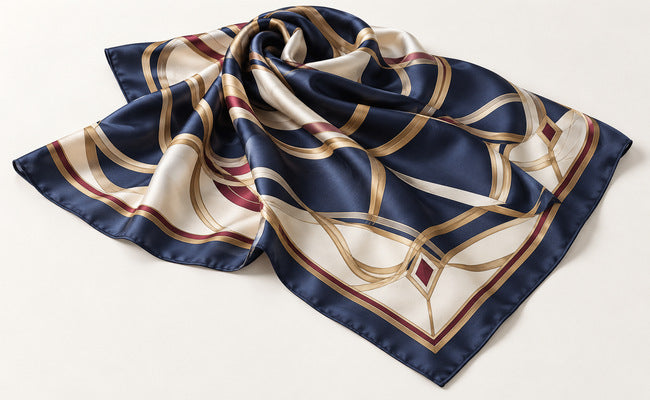
Popular winter scarf materials include cashmere, merino wool, alpaca, and fleece blends - each with distinct warmth, softness and weight. Scarves can be made from cashmere, wool, and silk, and each fibre feels different against the skin. Wool scarves provide warmth and durability in winter; merino wool is known for its ultra-fine fibers that efficiently trap body heat while remaining breathable, making it a high-quality option for everyday comfort in cold weather. Cashmere is known for its softness and insulation properties - fringed cashmere scarves are a popular winter choice, and cashmere scarves provide warmth and style for winter. Alpaca wool is another popular material for winter scarves; alpaca scarves are known for their softness and warmth. Silk scarves offer a lightweight option for layering when maximum insulation isn't the priority. Fleece and chenille are soft, cozy options that feel gentle against the skin without itchiness, while fleece and heavy cotton blends are ideal for sensitive skin and effectively block wind. Cashmere, merino wool, and alpaca provide the highest level of natural warmth. Blended fabrics - such as wool with acrylic - aim to balance softness, cost and ease of care. Always check the exact fabric composition and any lining or double-layer construction in the product details rather than assuming all winter scarves are identical.
Length, width and proportions to outerwear
Dimensions matter: length affects how many times you can wrap the scarf around your neck; width decides whether it covers only the neck or also the shoulders. Classic long scarves typically measure around 150–180 cm in length and 20–30 cm in width, which usually allows one or two wraps with ends left to fall loosely. Oversized shawls can reach 200 cm or more and widths above 30 cm. Narrower, shorter styles might sit around 100–150 cm in length. Always take real sizes from the actual product card and compare them with a coat or jacket you already wear - consider how far the ends will fall relative to your coat length and whether the scarf will cover a V-neckline or sit neatly above a double-breasted front. Scarves can complement coats and jackets in winter when their proportions are well matched.
Thickness and drape
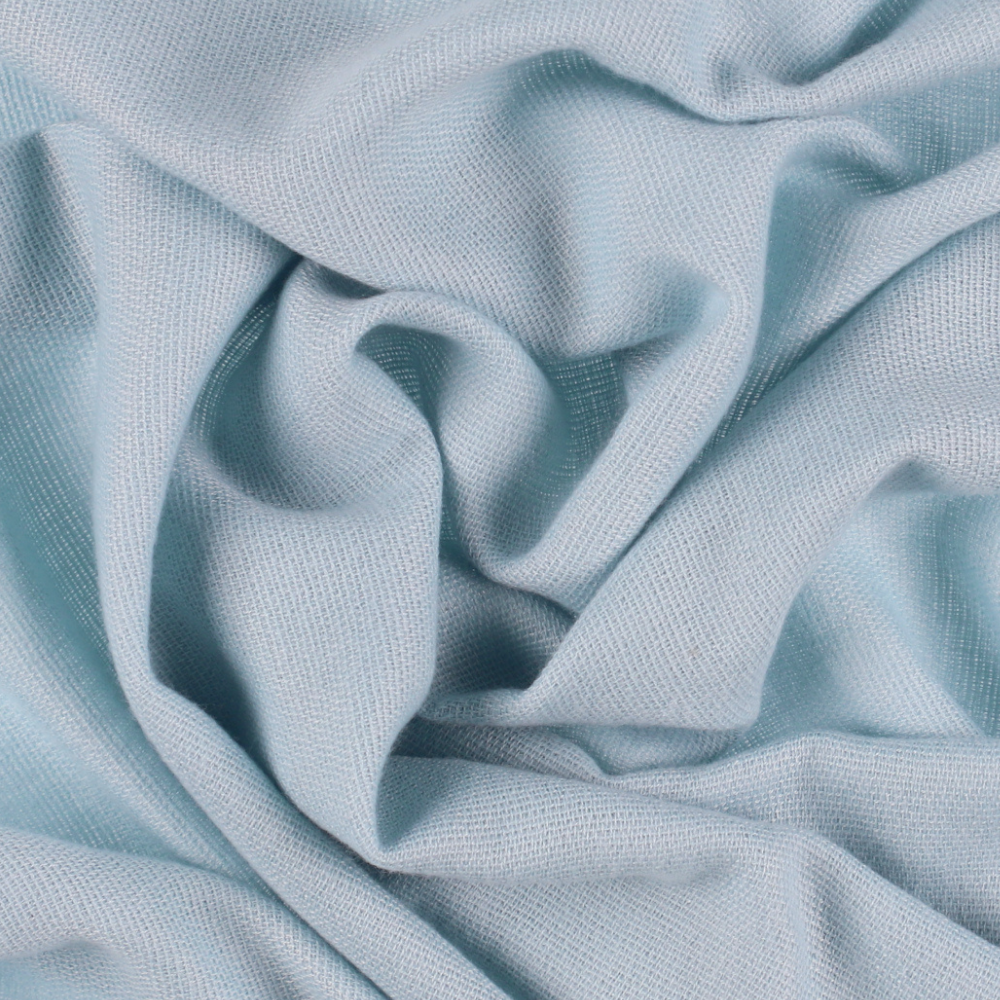
Dense, tightly woven fabrics tend to be thinner, flatter and more wind-resistant; they lie flat under a buttoned-up coat and add warmth without bulk. Airy, loftier knits trap more air and build visible volume at the collar - they suit simple, open necklines where the texture can show. Wool wraps are essential for cold winter days, and their drape depends on weight, fibre stiffness and weave looseness. Thicker winter scarves may look striking with open lapels, while softer, flatter scarves drape easier under a structured collar. Encourage yourself to look at close-up photos on the product page to assess the knit structure and how the fabric falls on the model's shoulders before making a decision.
Colour and pattern for winter outfits
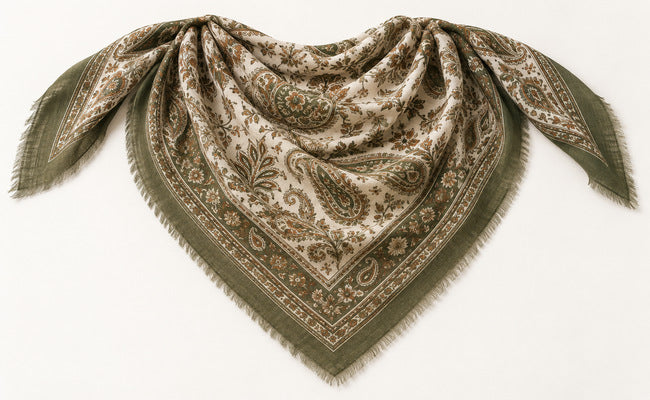
In winter, a scarf is often the only visible accent between coat and hat, so its colour strongly affects how the whole outfit reads. Scarves can add color to simple outfits - two main directions work well: calm neutrals like grey, beige or navy that blend with many coats, and stronger shades such as red or bottle green that act as a clear accent. Plaid or tartan scarves add visual interest and color to winter outfits, while a patterned scarf can enhance a solid color outfit by linking colors from your wardrobe - for instance, echoing the shade of a handbag or hat in one of the motif tones.
How to choose the right winter scarf
Once you know the material, size and colour options available, a few practical decisions will lead you to the model that fits your life best.
Key decision points
How cold your winter days are and how easily you feel the chill - for harsher weather or if you tend to get cold quickly, look for denser weaves and wider scarves that can be wrapped higher around the neck for added warmth.
The coats and jackets you wear most often - tall stand-up collars and big hoods pair better with slimmer or shorter scarves, while open lapels and classic wool coats handle wide shawls and chunky knits comfortably.
Your preferred level of colour contrast - if you like calm, minimalist sets, choose a scarf close in shade to your coat; if you enjoy a stylish accent, pick a clearly brighter or darker colour to add personality.
How you usually tie or arrange a scarf - if you always loop it once and leave long ends, you need more length; scarves can be styled in various ways around the neck, and if you mainly wear yours tucked under a coat, a medium or shorter length is enough. Loose ends of scarves can be tucked into coats on windy days for added warmth.
Care and maintenance you're willing to accept - before you shop, check the cleaning recommendations; some materials like fine wool or cashmere may require more delicate care, while acrylic blends are easier to wash at home.
Frequently asked questions about winter scarves
Below are practical questions often asked when choosing a winter scarf online.
How wide and long should a winter scarf be for an everyday coat?
For most classic wool coats and padded jackets, a length of around 150–180 cm and a width of 20–30 cm gives you enough fabric to wrap the scarf once or twice and still have ends that can be tucked in or left loose. Oversized shawls usually start around 200 cm in length and above 30 cm in width. The exact measurements are always visible on each product card - compare them with a scarf you already own and like wearing to get a reliable feel for the size.
Which material for a winter scarf is the warmest and most comfortable?
Merino wool, cashmere and alpaca are generally considered the warmest natural options; merino wool is a high-quality choice for everyday comfort, while cashmere adds a luxurious, soft touch. However, warmth also depends on the thickness and weave structure, not just the fibre name - a dense double-layer acrylic scarf can feel warmer than a loosely woven single-layer wool one. Always check the full composition in the product description and look at close-up photos to assess the density of the fabric.
How to wear a winter scarf with a thick puffer jacket?
With padded jackets it's worth avoiding too much volume at the neck and choosing scarves that can sit comfortably under or inside the jacket front. A simple loop close to the neck works well, or you can hide the ends under the zipper, making sure there are no cold gaps. Test how the scarf sits when the jacket is fully zipped and when it's partially open - both positions should feel secure without restricting movement.
Can one winter scarf work both for everyday wear and for more elegant occasions?
A simple, single-colour scarf or shawl in a classic shade - black, camel, dark navy - often transitions well from jeans and a parka to a dressy coat. Neutral patterns and moderate thickness make it easier to adapt the scarf to different outfits. If you frequently attend formal events, you might also consider having one slightly more refined, smooth shawl dedicated to those occasions for a polished finish.
How do I care for a winter scarf so it keeps its look for longer?
Start by checking the care instructions on the label or in the product description and follow them closely. A few general habits help: air the scarf between wears rather than tossing it straight into a drawer, store it folded rather than hung on a hook to prevent stretching, and be careful with sharp bag hardware or jewellery that may catch on the fabric. Appropriate care won't guarantee the scarf stays unchanged for years, but it does help maintain its appearance and extend its life noticeably.
Browse winter scarves at UniqueYou
Choosing a winter scarf starts with thinking about the coats you wear most, the colors you gravitate towards and how much warm fabric you like around your neck. Browse the collection, filter by material or colour, and compare dimensions between a few models to see what fits your wardrobe best. The right winter scarf is the one that suits your daily routine and feels good every time you reach for it.
FINEST MATERIALS
Softness, comfort and attention to detail.

Express Delivery
Within 24 hours by courier to your home or a pickup point.
EASY RETURNS
Shop with confidence, with the option to return.
SECURE PAYMENTS
Choose your preferred payment method.