
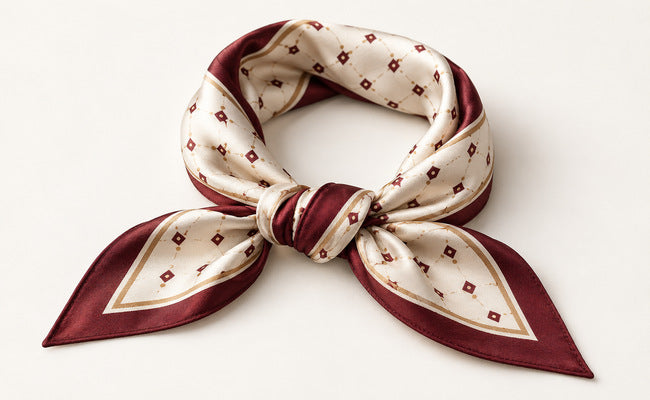

Neckerchiefs for hair
Filters
53×53 cm / 21×21 in
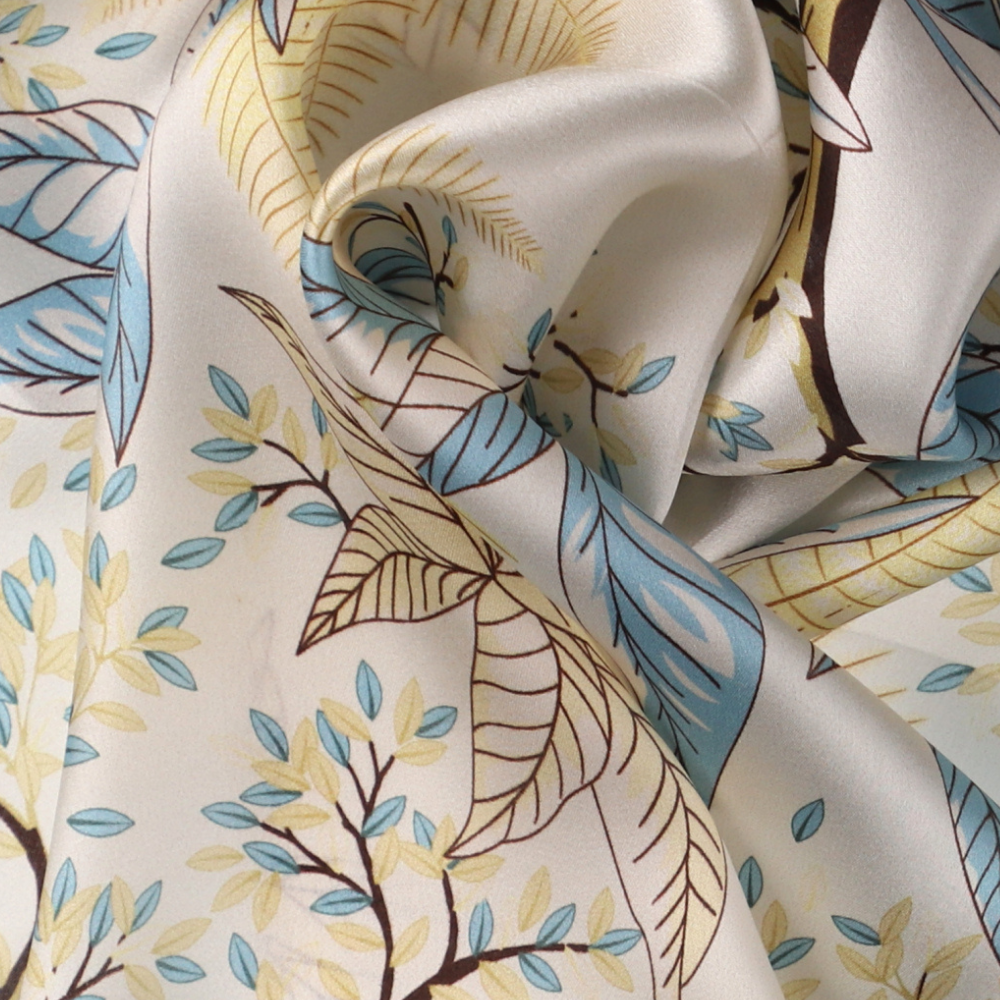
53×53 cm / 21×21 in
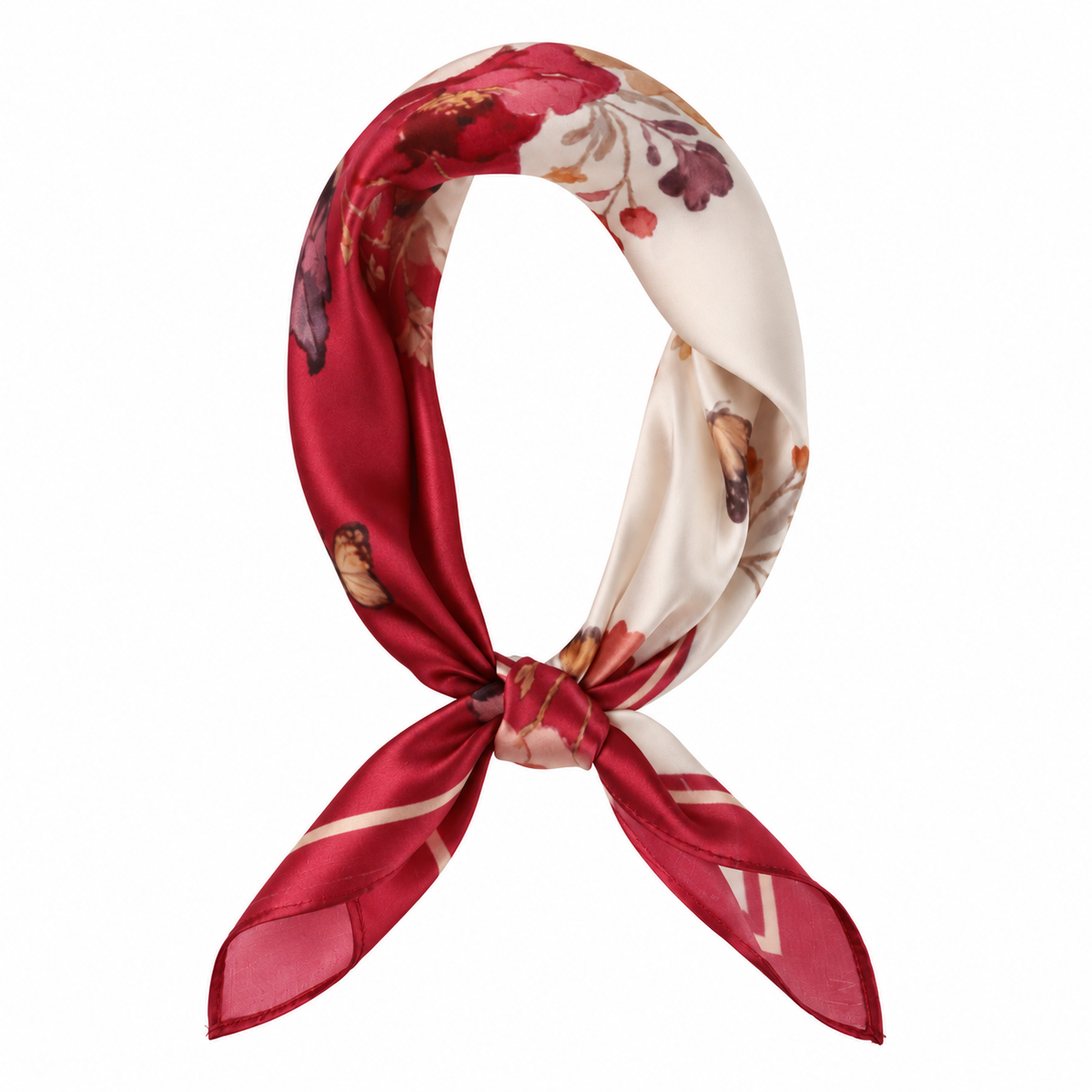
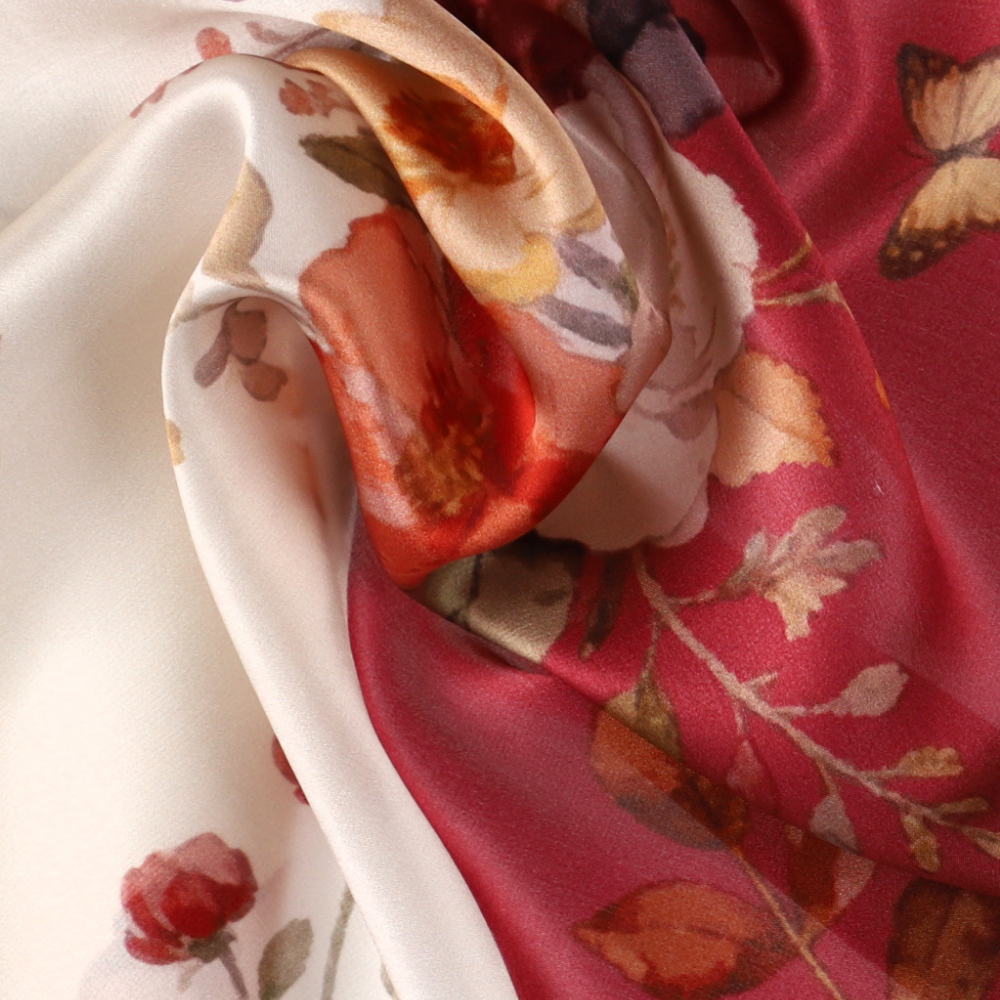
53×53 cm / 21×21 in
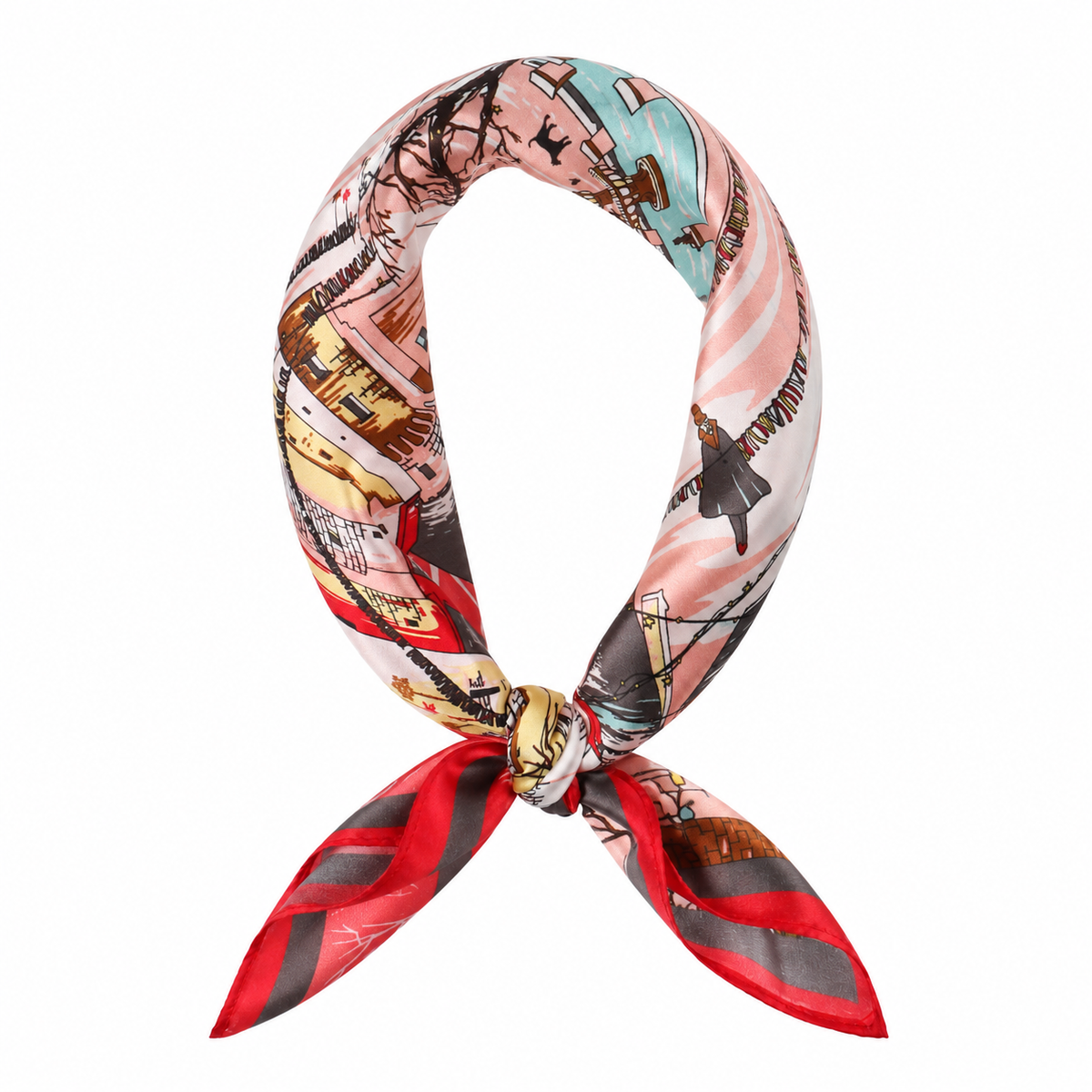
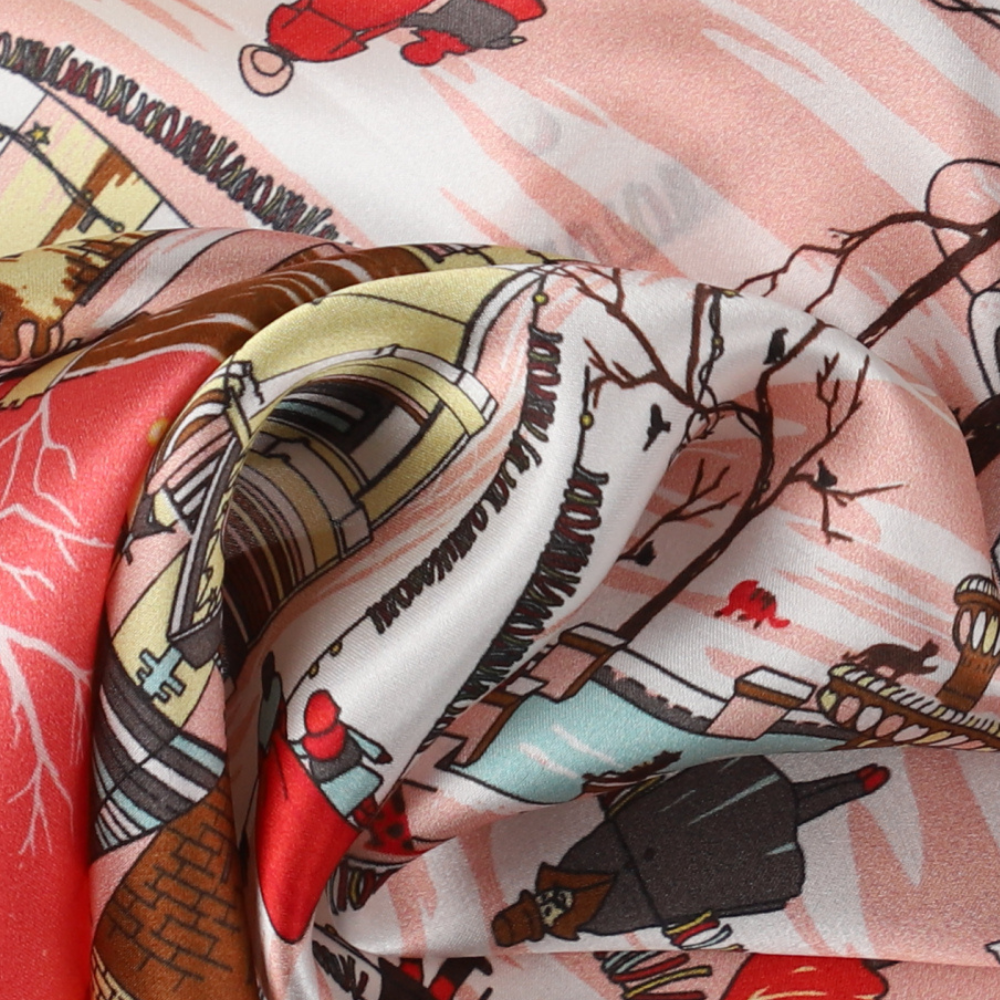
53×53 cm / 21×21 in
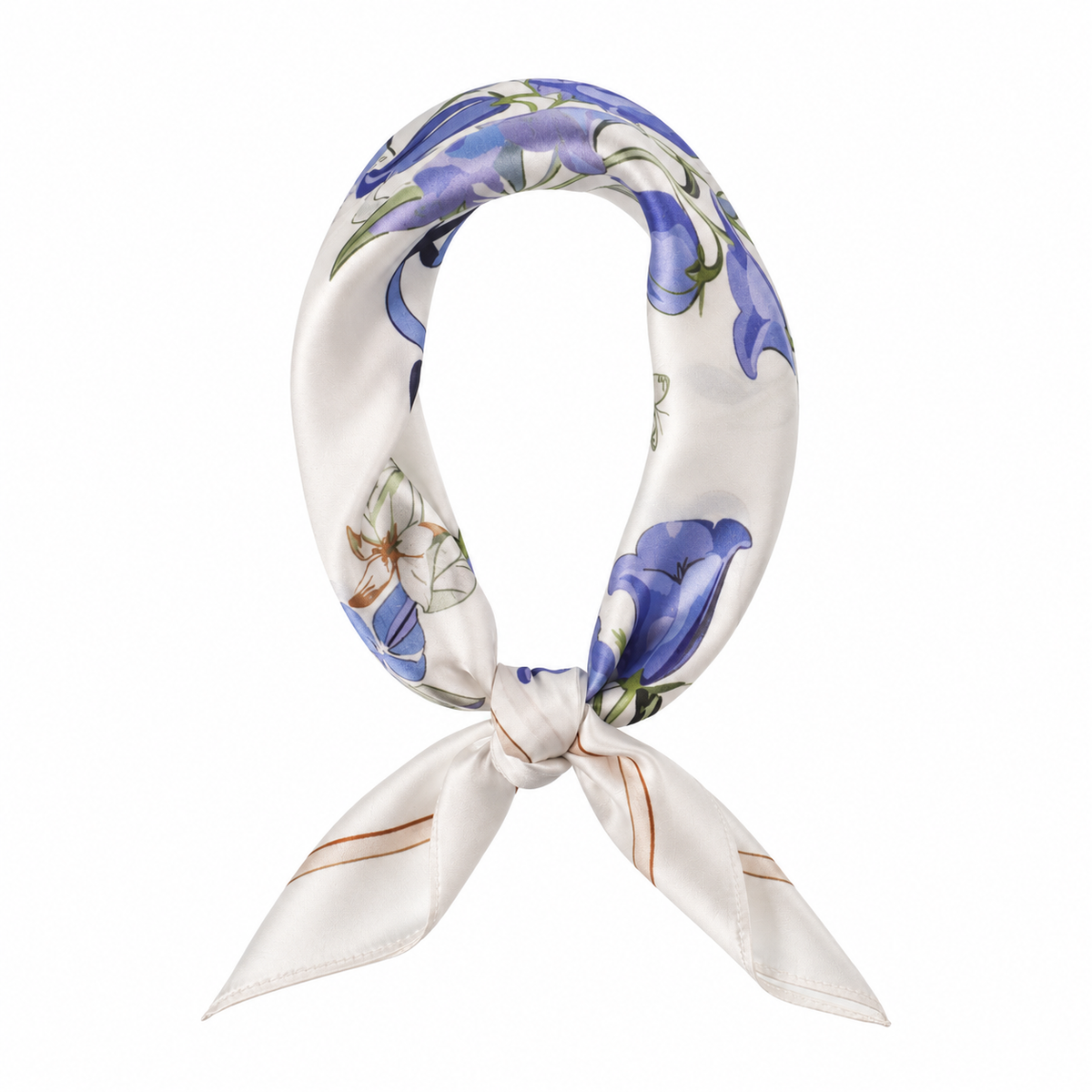
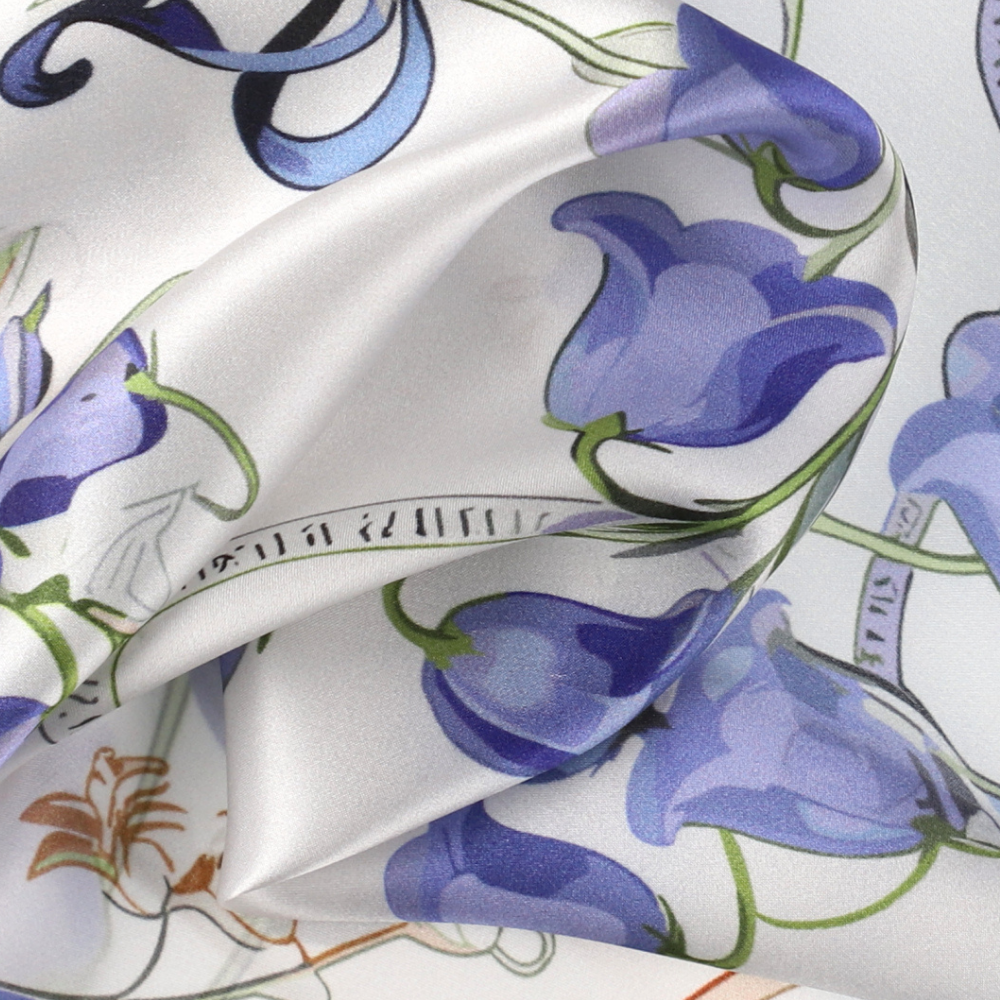
53×53 cm / 21×21 in
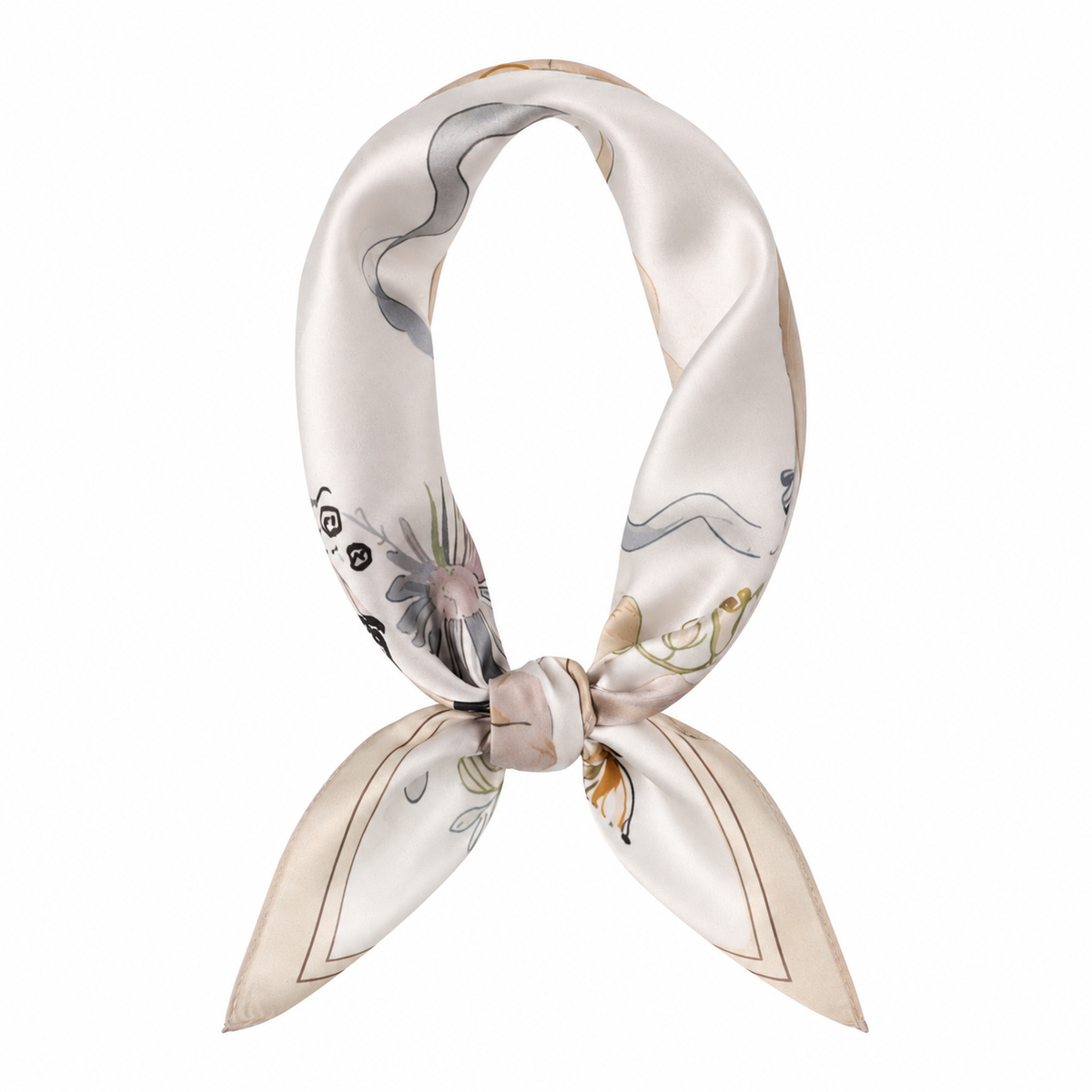
53×53 cm / 21×21 in
53×53 cm / 21×21 in
53×53 cm / 21×21 in
70×70 cm / 28×28 in
70×70 cm / 28×28 in
53×53 cm / 21×21 in
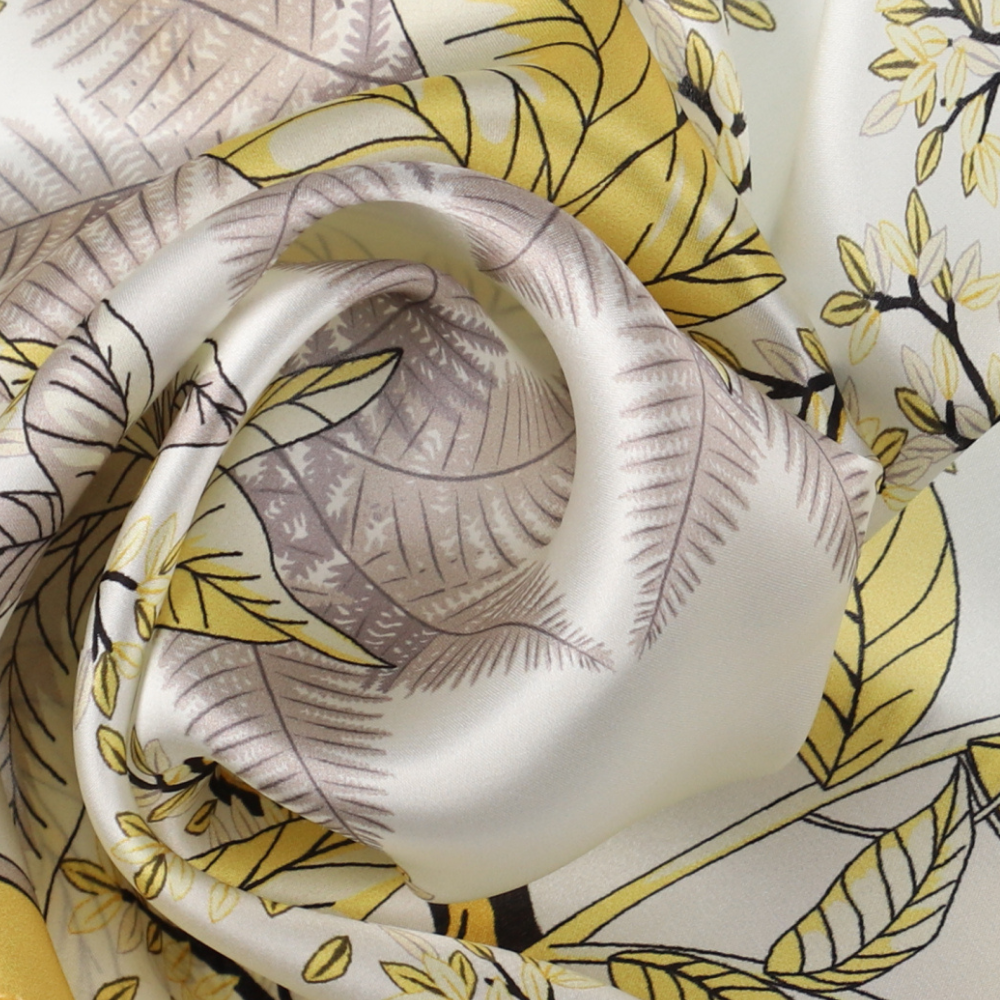
53×53 cm / 21×21 in
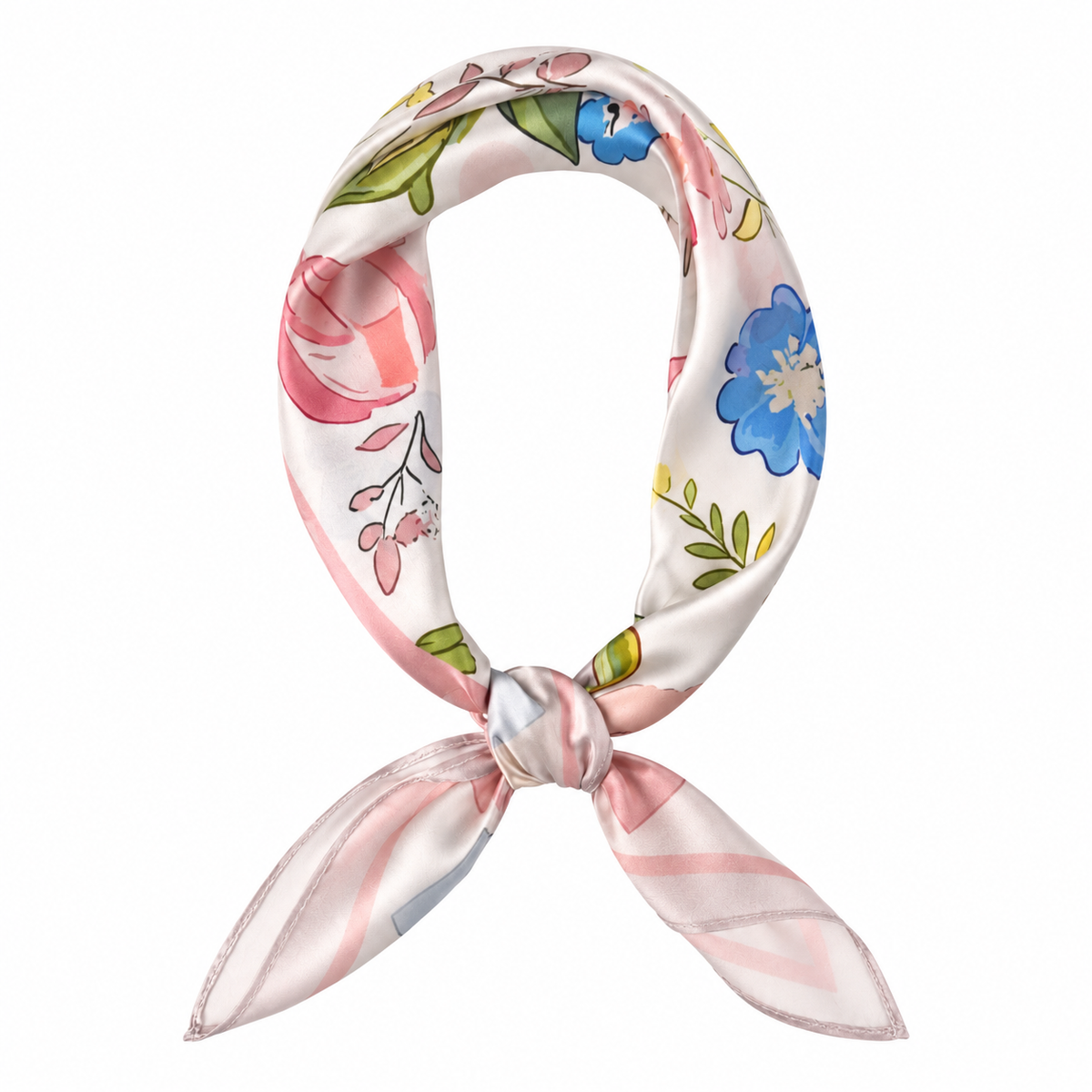
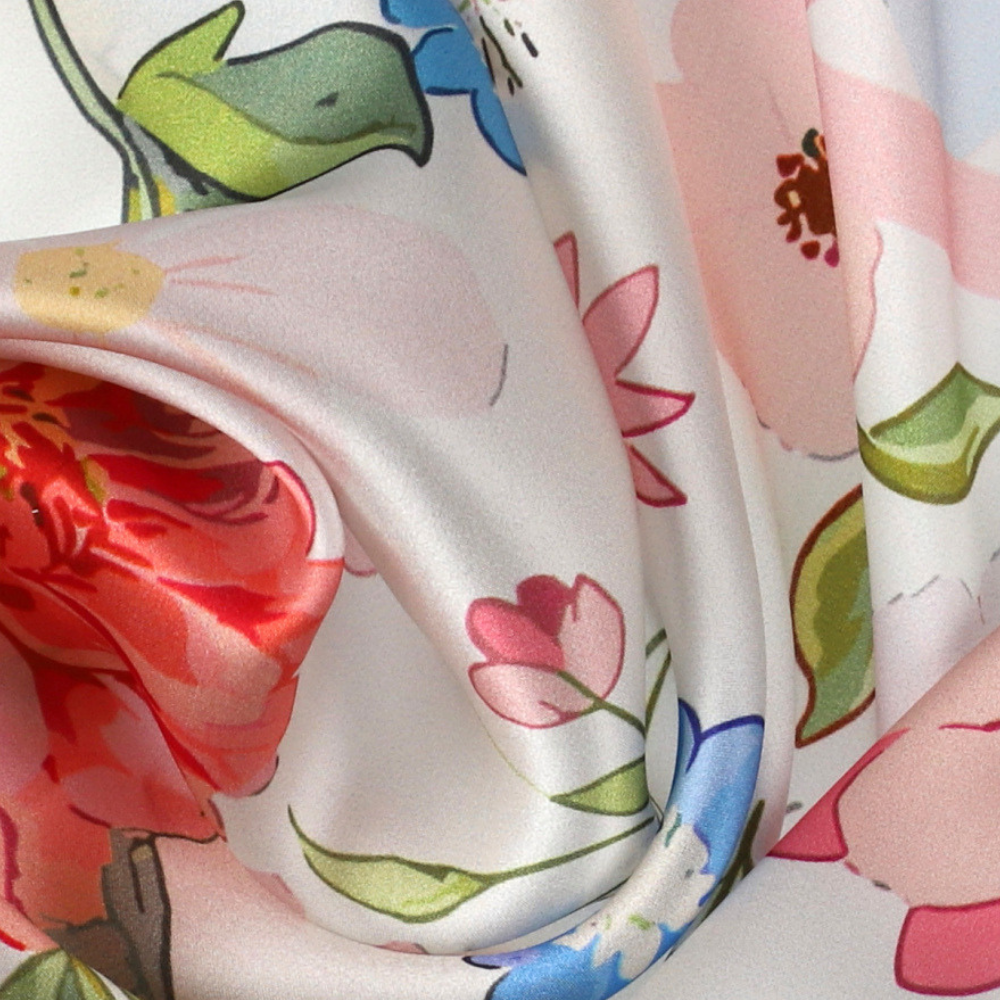
53×53 cm / 21×21 in
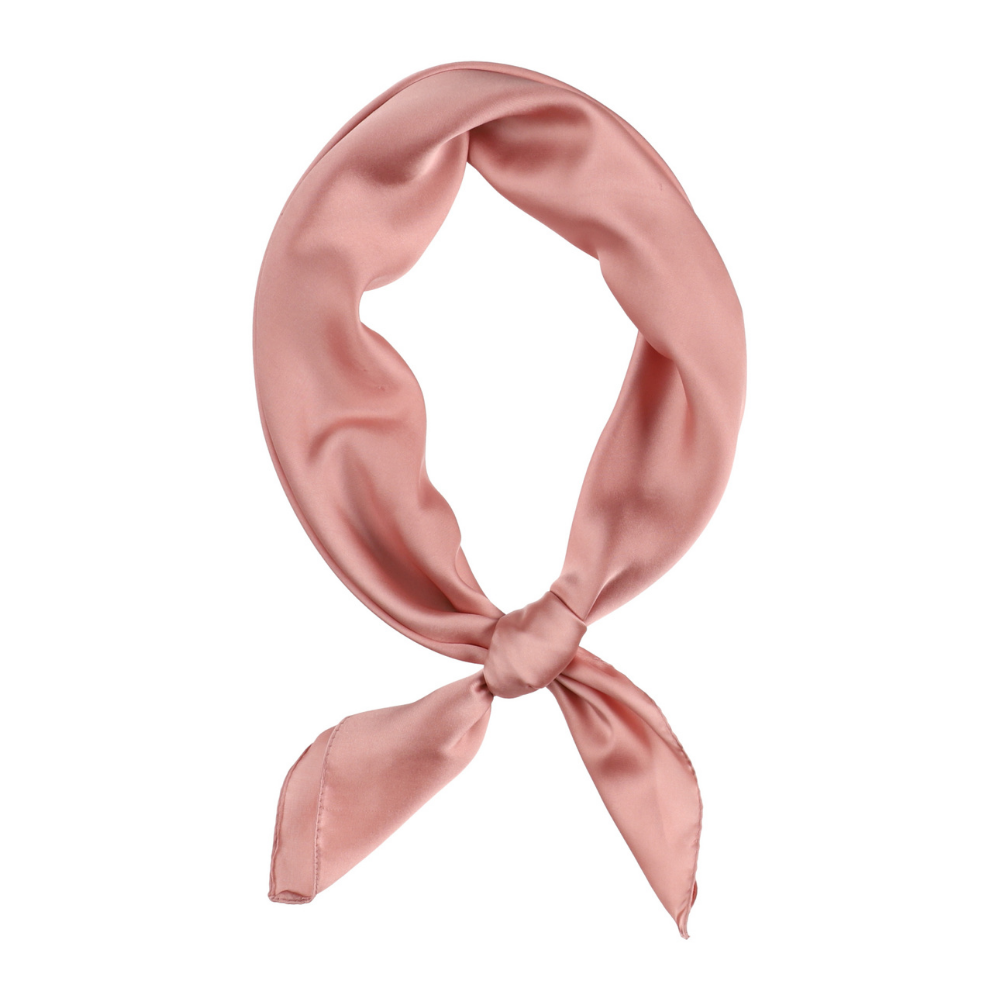
70×70 cm / 28×28 in
70×70 cm / 28×28 in
70×70 cm / 28×28 in
70×70 cm / 28×28 in
70×70 cm / 28×28 in
70×70 cm / 28×28 in
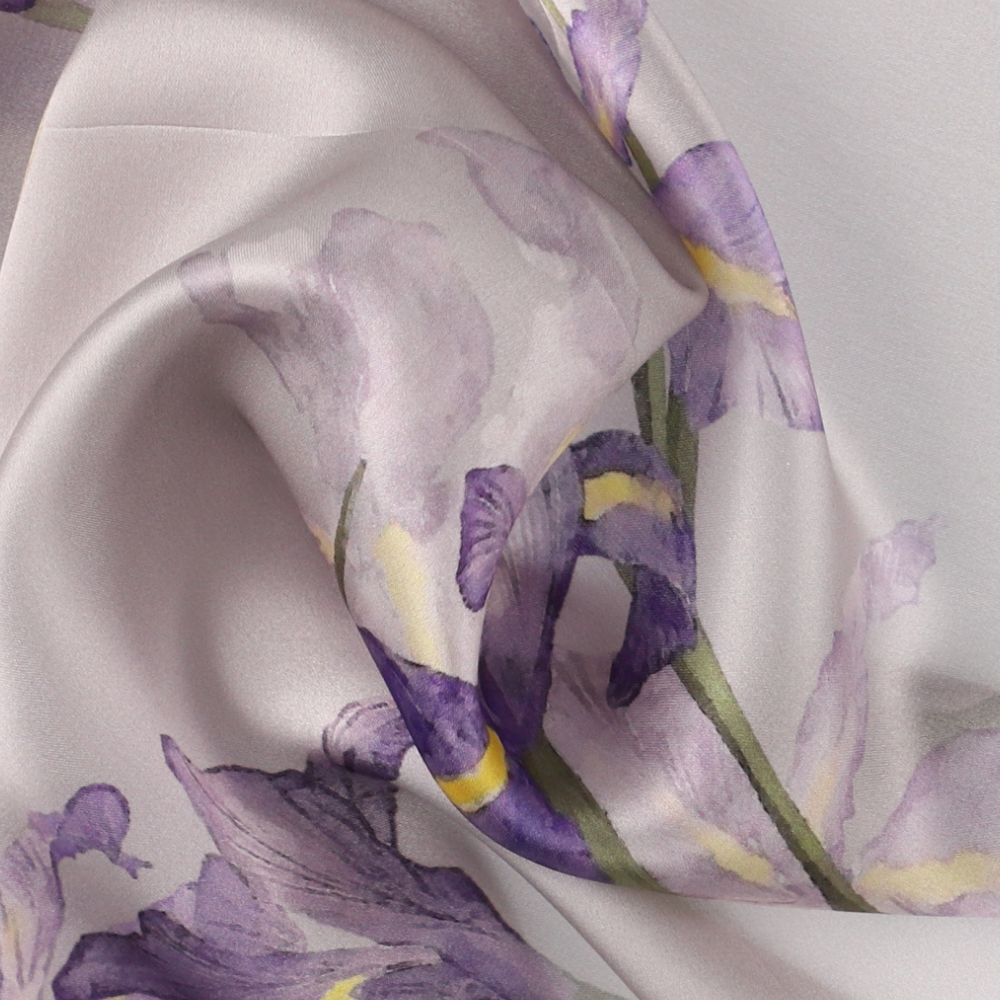
53×53 cm / 21×21 in
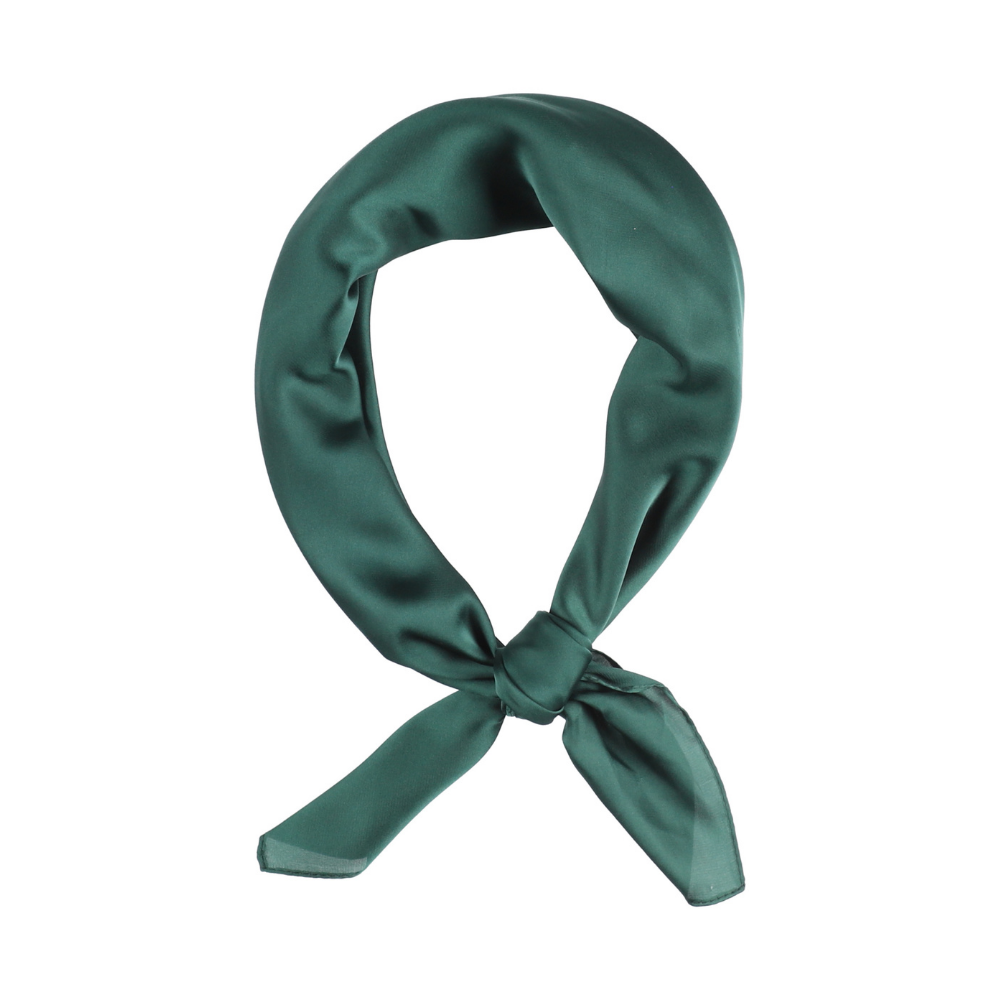
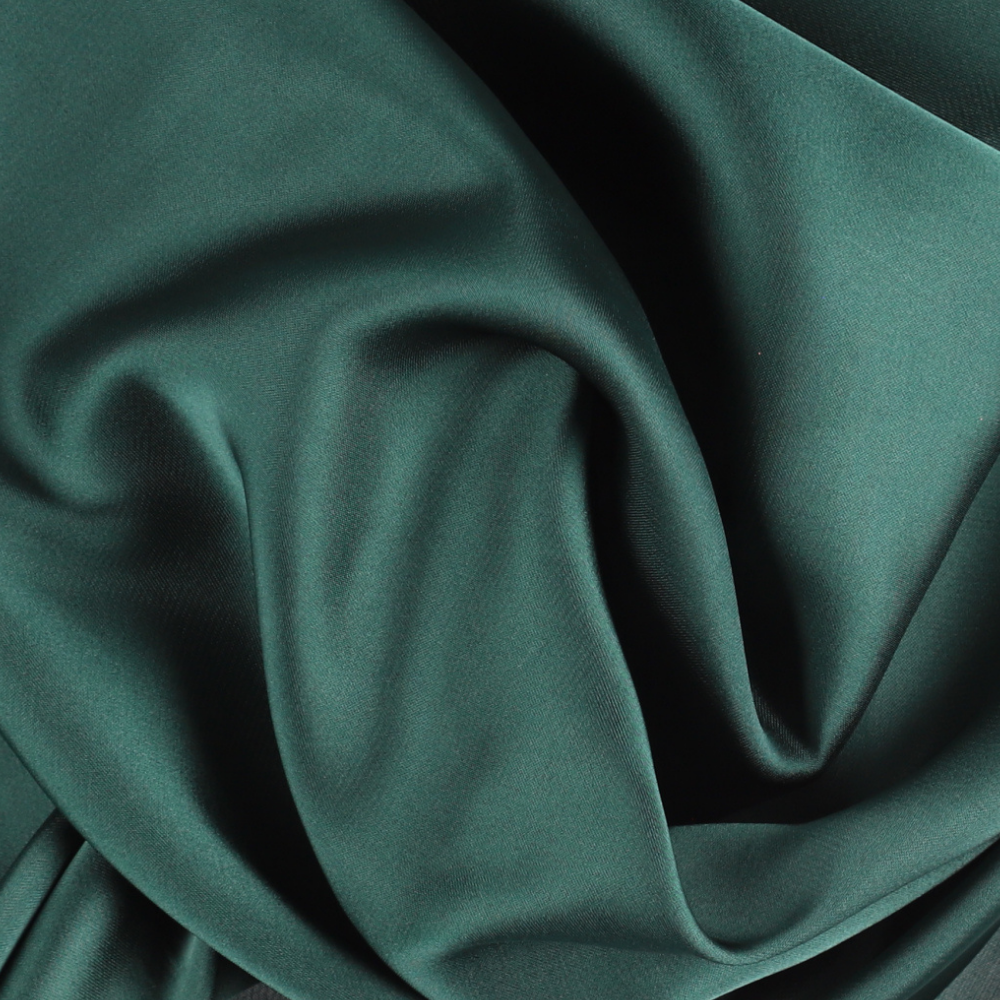
70×70 cm / 28×28 in
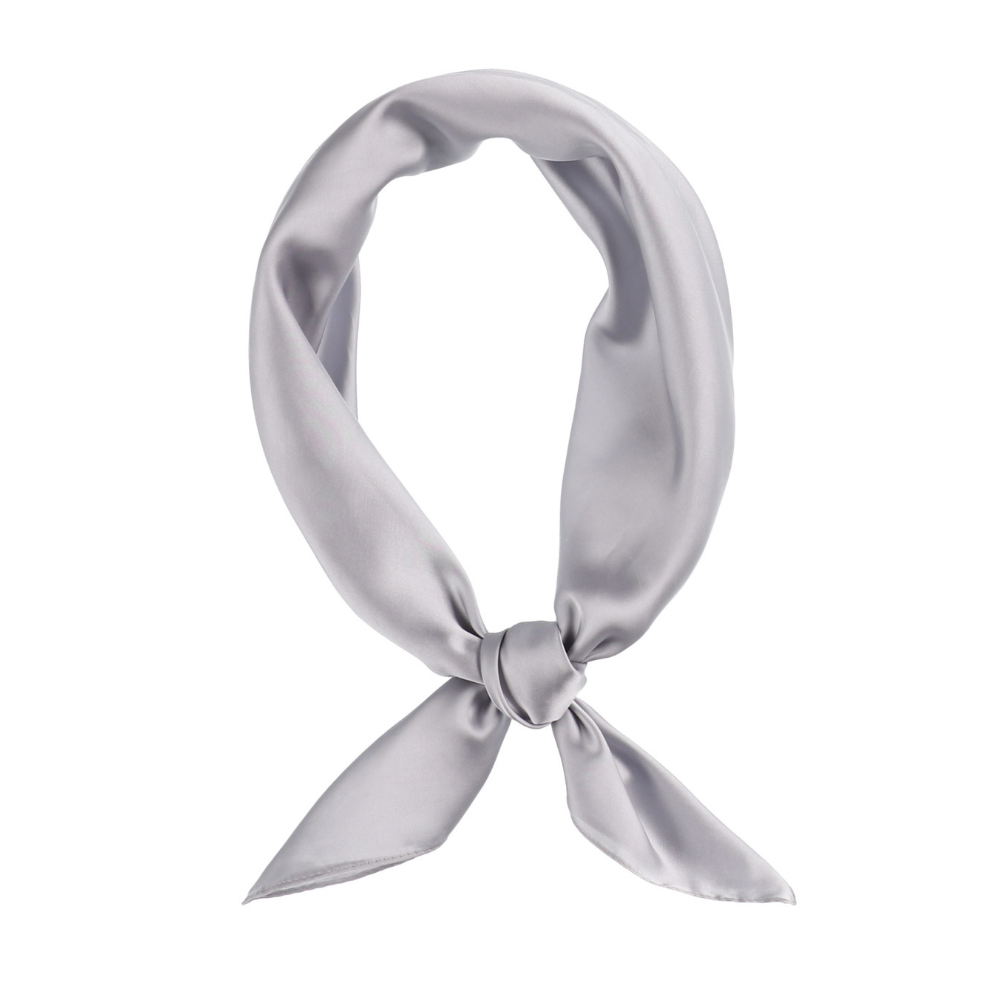
70×70 cm / 28×28 in
70×70 cm / 28×28 in
70×70 cm / 28×28 in
70×70 cm / 28×28 in
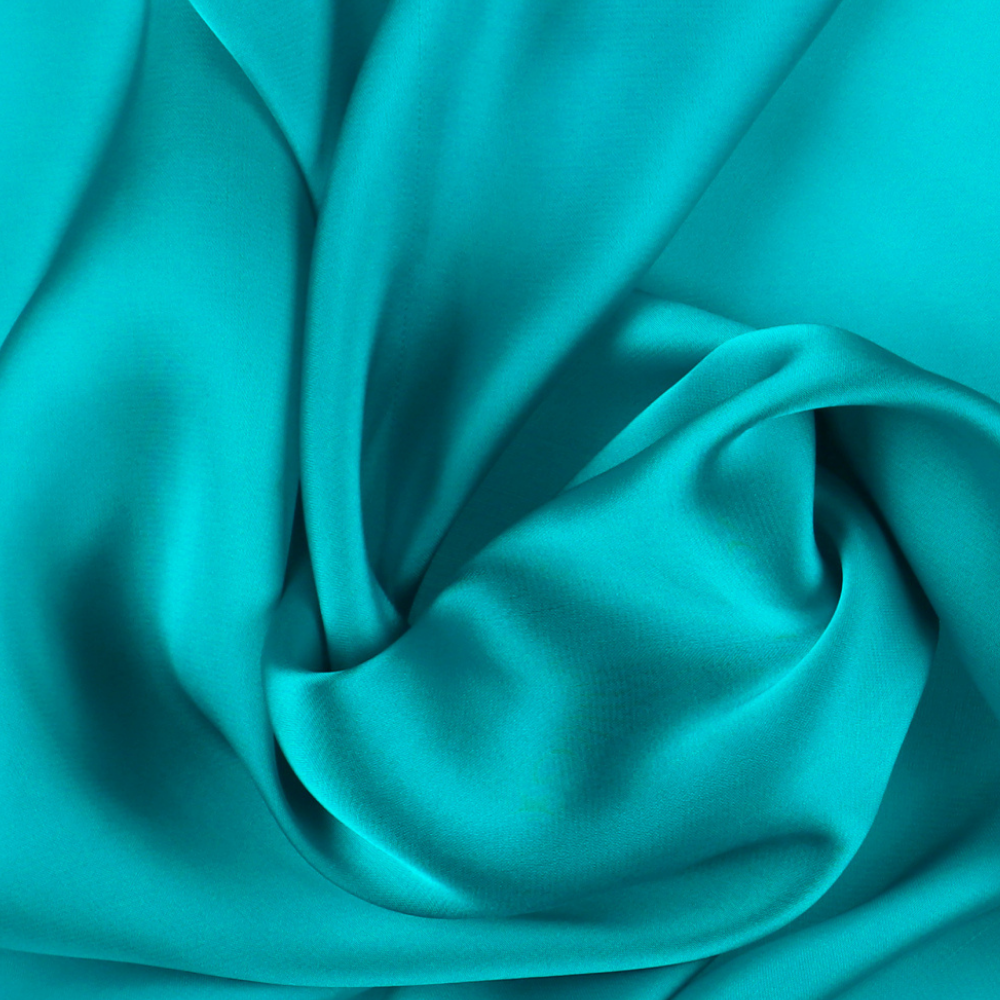
70×70 cm / 28×28 in
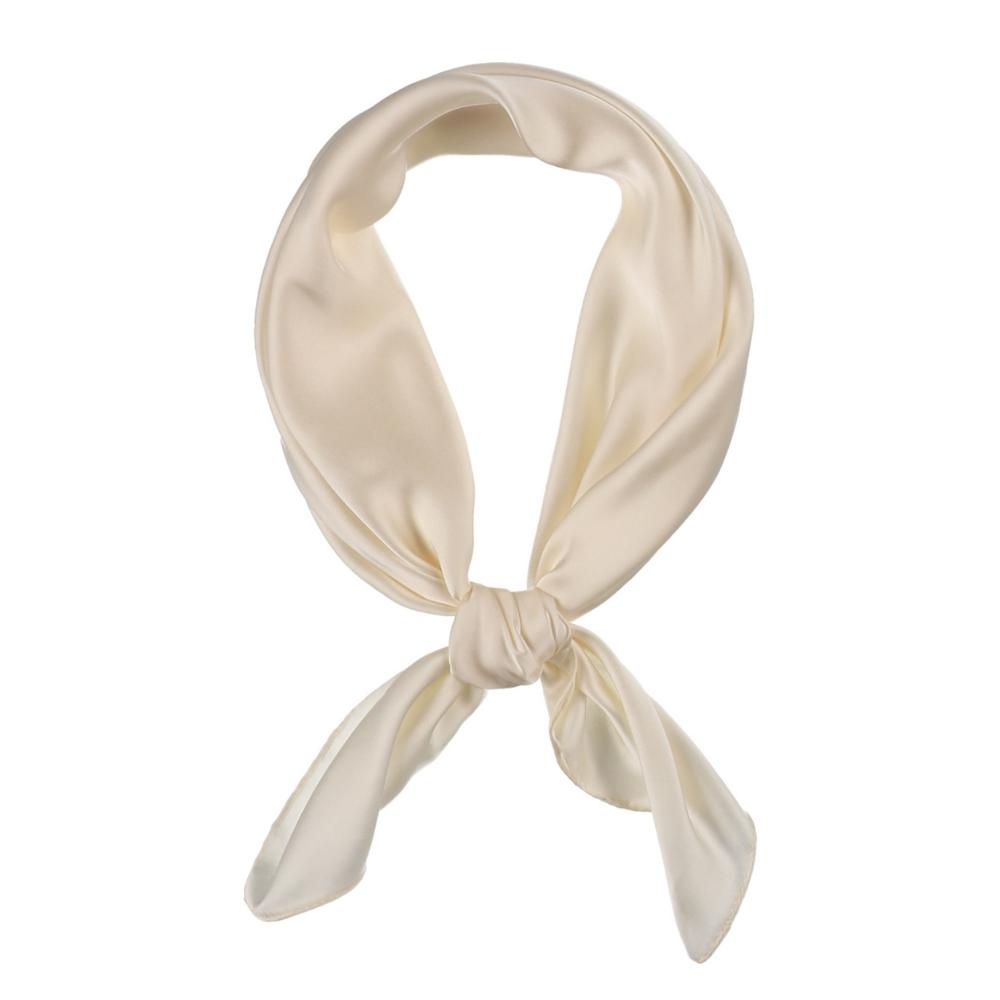
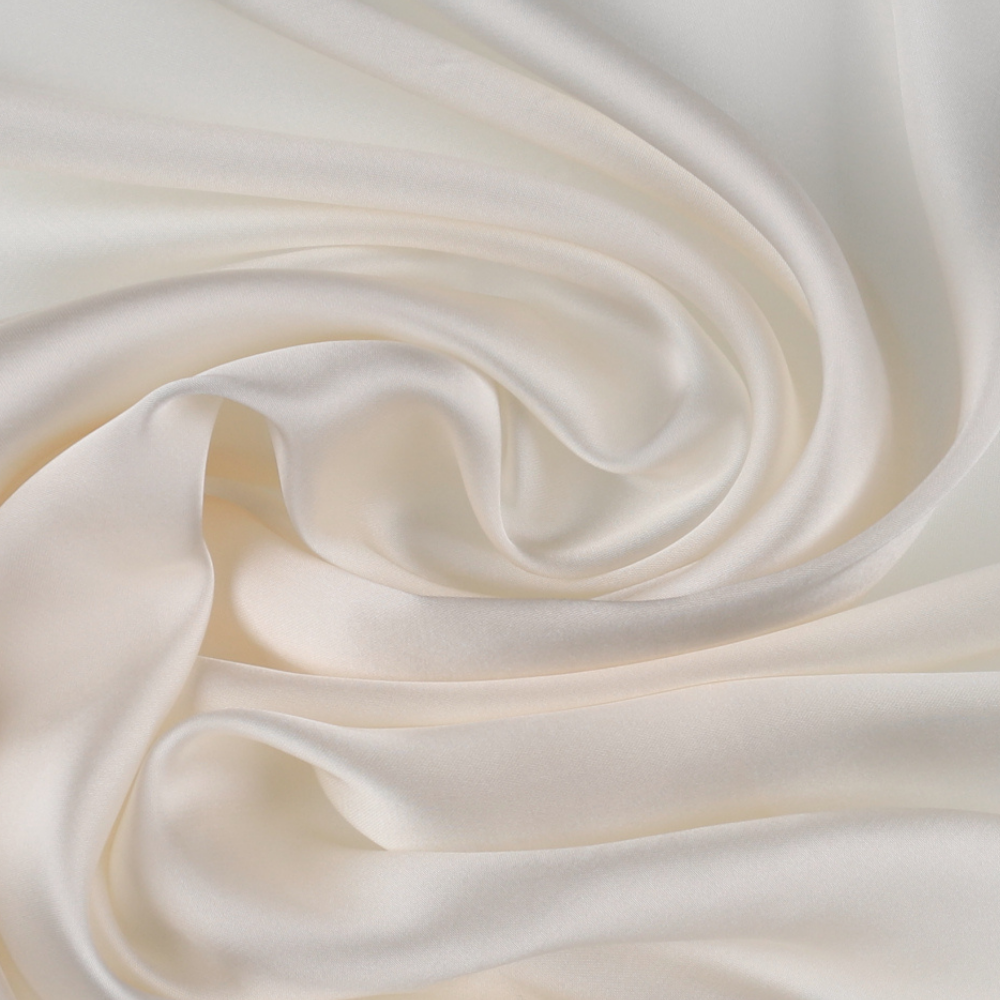
70×70 cm / 28×28 in
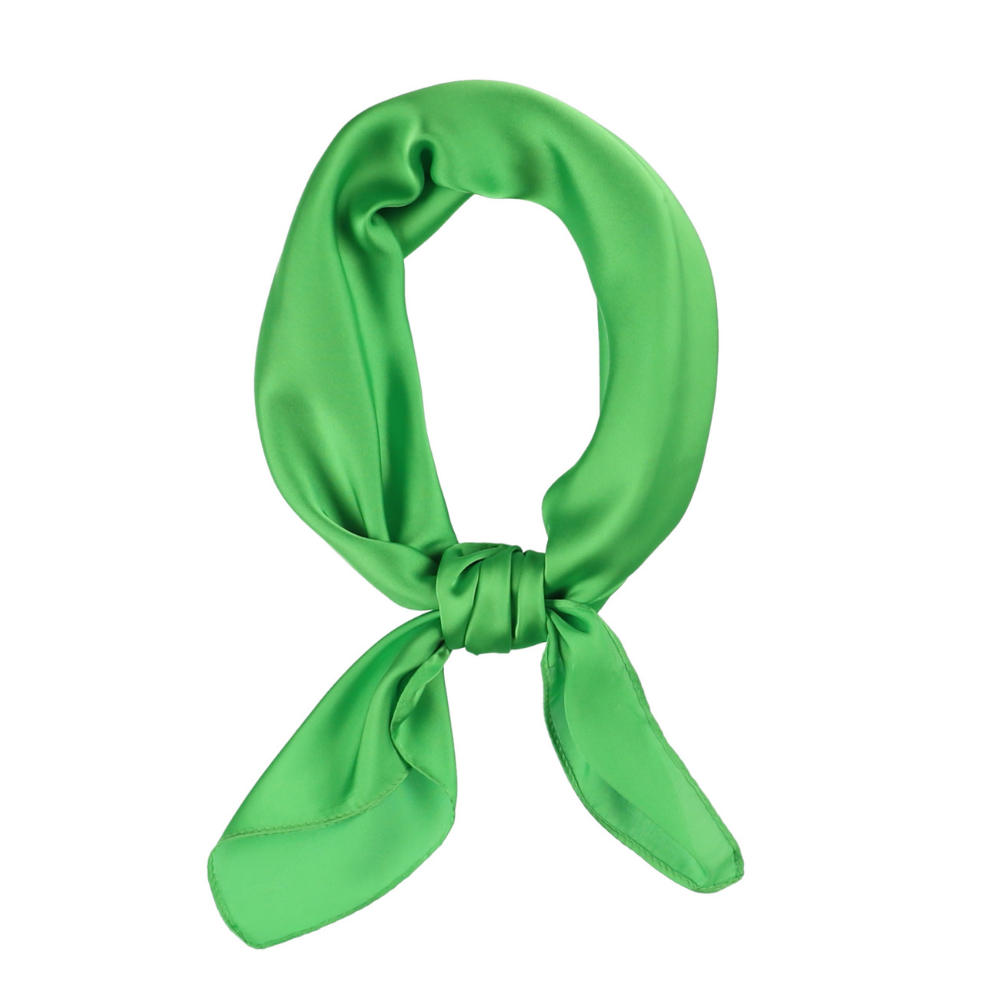
70×70 cm / 28×28 in
70×70 cm / 28×28 in
Hair Neckerchief – How to Choose and Style a Neck Scarf for Your Hair
A hair neckerchief is a small square or narrow scarf designed to work double duty - tied into your hair and worn around your neck. Whether you're looking for a silk scarf to wrap around a ponytail or a wide cotton square to form a full head scarf, the right neckerchief can add a pop of color to outfits and elevate your look without any fuss. This page will help you decide which size, fabric and style suits your hair, your wardrobe and the way you love to wear accessories.
Types of Hair Neckerchiefs
Different shapes and sizes behave differently in your hair and at your neck. Below are the main formats you'll encounter - each one opens up its own set of styling options.
Small Square Neckerchief for Subtle Hair Accents
A small square of roughly 50×50 cm is the most compact form of hair neckerchief. It works beautifully as a delicate hair tie alternative at the end of a ponytail, wrapped around a thin bun, or folded into a narrow headband for a pretty, understated detail. Small, delicate prints offer understated elegance when wearing a neckerchief this size. Once you untie it from your hair, the same piece sits neatly at your neck with a casual knot against a T-shirt or open collar - effortless and easy to carry in a bag when you don't need it.
Classic Square Hair Neckerchief for Versatile Styling
Medium squares - around 70×70 or 75×75 cm - are the most versatile hair scarves in any collection. Folding one along the diagonal gives you a triangle you can tie at the nape as a head scarf, or fold further into a wide headband across the forehead. Twisted headbands in this size offer structured styling for various occasions, from weekday commutes to weekend outings. Around the neck, a classic square reveals more of its patterns and creates a visible, stylish knot that pairs well with simple shirts, blazers and light coats. They offer versatile styling options for various looks without adding bulk.
Larger Square Scarf Used as Head Wrap
Larger formats of approximately 90×90 cm and above give you enough material to cover your hair completely - think full turbans, loose wraps for the beach, or the classic Babushka style tied under the chin. Large square scarves are versatile for headwraps and braids, while small squares are good for accents. Long scarves in this range provide more fabric for wrapping styles and retro looks like turban twists that create vintage aesthetics. When you take the wrap off, the same scarf drapes over your shoulders or ties loosely at the neck, so it keeps working in your outfit all day. Head scarves in this size can also protect hair from wind and rain.
Skinny Neckerchief and Ribbon-Style Scarves for Braids
Narrow, ribbon-like scarves - typically 5–12 cm wide - are perfect for weaving into a braid, wrapping around the base of a ponytail, or creating a slim headband. The Scarf Braid incorporates a scarf into a traditional braid, adding intricate texture and flair. Braiding neckerchiefs into hairstyles this way is one of the simplest routes to a beautiful, finished look. At the neck they form a minimal knot with elongating ends - ideal under a collar or above a V-neckline. You can also tie one onto a bag handle when it's not in your hair, making it one of the most adaptable items in your accessories collection.
What to Look For in a Hair Neckerchief
A few concrete details separate a hair neckerchief you'll reach for every morning from one that stays in the drawer. Below are the attributes worth checking before you add anything to your cart.
Fabric: Silk, Viscose, Cotton and Blends
Material matters more than most women expect. Smooth, slippery fabrics like silk or satin weave glide gently over hair - silk scarves reduce hair damage compared to cotton because they create far less friction against the hair cuticle. That makes a silk scarf or satin finish a smart pick for delicate updos and for anyone who wants to protect their hair from breakage. Silk neckerchiefs are beneficial for their elegant finish in various styles, and silk or satin scarves are suitable for polished looks.
On the other hand, cotton is ideal for casual bandana styles and everyday wear. Matte fabrics like cotton blends tend to grip hair better, so they hold a headband or wrap in place without slipping. Fabric selection affects the suitability of a hair neckerchief for different hair types - if your hair is very straight and smooth, a textured cotton may stay put more reliably, while curly or textured hair often pairs happily with silk. Seasonal considerations can affect the choice of scarf style and fabric too: lighter weaves breathe in summer, while denser cotton keeps warmth closer in cooler months. Note the care label as well - if you plan to wear a neckerchief often, easy home laundering is a practical plus.
Size and Shape for Your Hairstyle
Hair length compatibility is crucial when choosing a neckerchief size. A small 50×50 cm square gives you just enough for a knot at the tip of a ponytail or around a compact bun - perfect for short to medium hair that doesn't need full coverage. A 70×70 cm square opens up headband and half-wrap options and is comfortable for most hair lengths. At 90×90 cm you have enough fabric for a complete head wrap or turban - essential if you have long or voluminous hair and want full cover. Choosing a neckerchief should consider the wearer's hair type for best results, so compare the scarf's dimensions with the hairstyle you wear most often before you shop.
Prints, Borders and Colors Around the Face
When a scarf sits in your hair, the edges and corners of its pattern become the star of the look - especially on scarves with a decorative border. When the same piece moves to your neck, the central motif takes over. Color and pattern in a scarf can reflect the wearer's personal style: bold, graphic prints act as focal points for monochrome outfits, while quiet, tonal patterns blend into busier fashion. A practical rule: light and cool colors brighten the area around your face, while darker tones form a calmer frame for intense makeup or a patterned dress. Color coordination enhances the look by matching to secondary colors in an outfit - try echoing a shade from your coat, bag or shoes.
Finishing Details That Touch Your Hair and Neck
Soft, rolled edges make a real difference when you tie a knot close to your skin or tuck fabric behind your ears. Stiff or thick hems can dig in and feel uncomfortable after a few hours; hand-rolled or finely stitched edges sit smoother and fold more neatly. Delicate fringing or a fine satin binding also affects how the neckerchief looks in your hair - a clean, almost invisible edge gives a sleeker line, while a decorative border adds a touch of detail when the scarf trails from a ponytail or braid. Check product descriptions for these finishing notes so you know what to expect before it arrives.
How to Choose the Right Hair Neckerchief for You
With the features above in mind, these criteria will help you narrow down the selection quickly.
Your hair and favourite hairstyle - Choose smaller neckerchiefs and skinny scarves for short hair and subtle accents; reach for larger squares (70×70 cm or 90×90 cm) when you have long hair and want full wraps, turbans or woven braids. A hair neckerchief can enhance different hairstyles like loose waves or buns. Ponytail wraps incorporate neckerchiefs at the base of ponytails for added flair, while the Low Bun style uses a scarf to wrap around a bun. The Pony Tie is a simple scarf style for ponytails that works with almost any size.
Face shape and tying method - Face shape influences how to tie a neckerchief for the best effect. A wide headband can balance a longer face, while a loosely knotted triangle softens angular features. The way a neckerchief is tied can affect the overall style it conveys, so experiment with a couple of methods before you decide on a favourite.
Occasion and outfit - Choosing neckerchief styles can depend on casual or formal occasions. Pick quieter colors and smaller patterns for the office or formal meetings; go for vivid prints and relaxed bandanas with jeans, summer dresses or casual weekend plans. Neckerchiefs can provide a stylish accent when paired with simple outfits - even a plain white shirt gains personality with a well-chosen neck scarf. Simple accessories like neckerchiefs can significantly enhance an outfit.
Comfort at the neck and on the head - If your skin is sensitive, lean toward soft, lighter fabrics and avoid tying too tightly. Bobby pins or a thin elastic underneath can secure a slippery silk without the need for a painfully tight knot. If you want a firm wrap that won't budge, a cotton or textured blend will hold without constantly slipping. Wearing a scarf should never hurt - if it does, loosen the knot or try a different size.
Colors in your wardrobe - Start with a neckerchief that echoes shades you already wear - it will slip into your daily style immediately. Once you're happy with that, add a contrasting accent piece for the days you want to stand out. Hair scarves can add a pop of color to outfits, making them a thoughtful gift for a friend or family member who loves accessories.
Care and practicality - Always check washing recommendations. If you plan to wear your hair neckerchief several days a week, look for fabrics you can refresh at home without worry. Delicate silk pieces reward gentle hand-washing and flat drying; more robust cotton or blended items are forgiving in a machine on a gentle cycle.
Frequently Asked Questions About Hair Neckerchiefs
Below are answers to the practical questions that come up most often when women are choosing and wearing a hair neckerchief.
How do I tie a neckerchief in my hair so it stays in place?
Tie the neckerchief over a finished updo rather than on loose hair - use a hair tie to secure scarves at the base of a ponytail or bun first, then knot the scarf over the elastic for a much better hold. With smooth, slippery fabrics, a double knot prevents the material from sliding out. If the scarf keeps slipping, tuck a couple of bobby pins underneath or place a thin elastic headband beneath the fabric. Leave a little slack so the knot doesn't press uncomfortably against your scalp.
Which neckerchief size works best for short vs. long hair?
For short hair, a small square (around 50×50 cm) or a skinny ribbon scarf is usually enough - it won't overwhelm your hairstyle or add awkward bulk. For long hair, medium and large squares (70×70 cm to 90×90 cm) are more practical because they give you enough fabric to wrap, fold or form a turban. Skinny scarves also shine on long hair when woven through a braid or spiralled around a ponytail. Compare the scarf's measurements with how wide you usually tie your hair accessories to find the right fit.
Can I wear the same neckerchief on my hair and around my neck?
Absolutely. Most hair neckerchiefs are designed to look beautiful in both positions. Small and medium squares are the easiest to switch back and forth - worn as a headband in the morning, then retied as a neck scarf for dinner. Head scarves can hide bad hair days effectively, and when you're ready to show your hair again, the same piece transitions to a chic neck detail or even a bag accent. The Grace Kelly style, for instance, wraps the scarf around the neck and ties it - moving effortlessly from hair to neck in seconds.
How should I care for a hair neckerchief so it keeps its shape and print?
Always check the care instructions listed with the specific product. As a general note, gentle hand-washing in cool water preserves colors and fabric structure best. Lay the scarf flat to dry so the edges don't stretch or deform - skip the tumble dryer. Store your neckerchief folded flat or loosely rolled to avoid deep creases right where you'd tie a knot. Proper care keeps patterns vibrant and the touch of the fabric soft against your hair and skin.
Will a neckerchief damage my hair?
A well-chosen hair neckerchief should not hurt your hair. Silk scarves prevent hair damage better than cotton ones thanks to their lower friction, so they're a strong option if hair health is a priority. Avoid tying any scarf extremely tight - overly firm knots can create tension and discomfort at the nape or behind the ears. If you notice any irritation after a full day of wear, try a smoother fabric or a looser style. Observe how your hair responds and adjust; the goal is a look that feels as good as it appears. Personal style can guide choices among available neckerchief options - there's always a combination of size, material and tying method that works.
Explore Hair Neckerchiefs at UniqueYou
Choose the material, size and colors that match your hair and your favourite clothes, and a single neckerchief will work in several roles - as a hair accessory, a neck scarf and a bag accent. Browse the available scarves and discover your perfect hair neckerchief for a first - or next - effortless, stylish look.
FINEST MATERIALS
Softness, comfort and attention to detail.
Express Delivery
Within 24 hours by courier to your home or a pickup point.
EASY RETURNS
Shop with confidence, with the option to return.
SECURE PAYMENTS
Choose your preferred payment method.