

Scarves
Filters
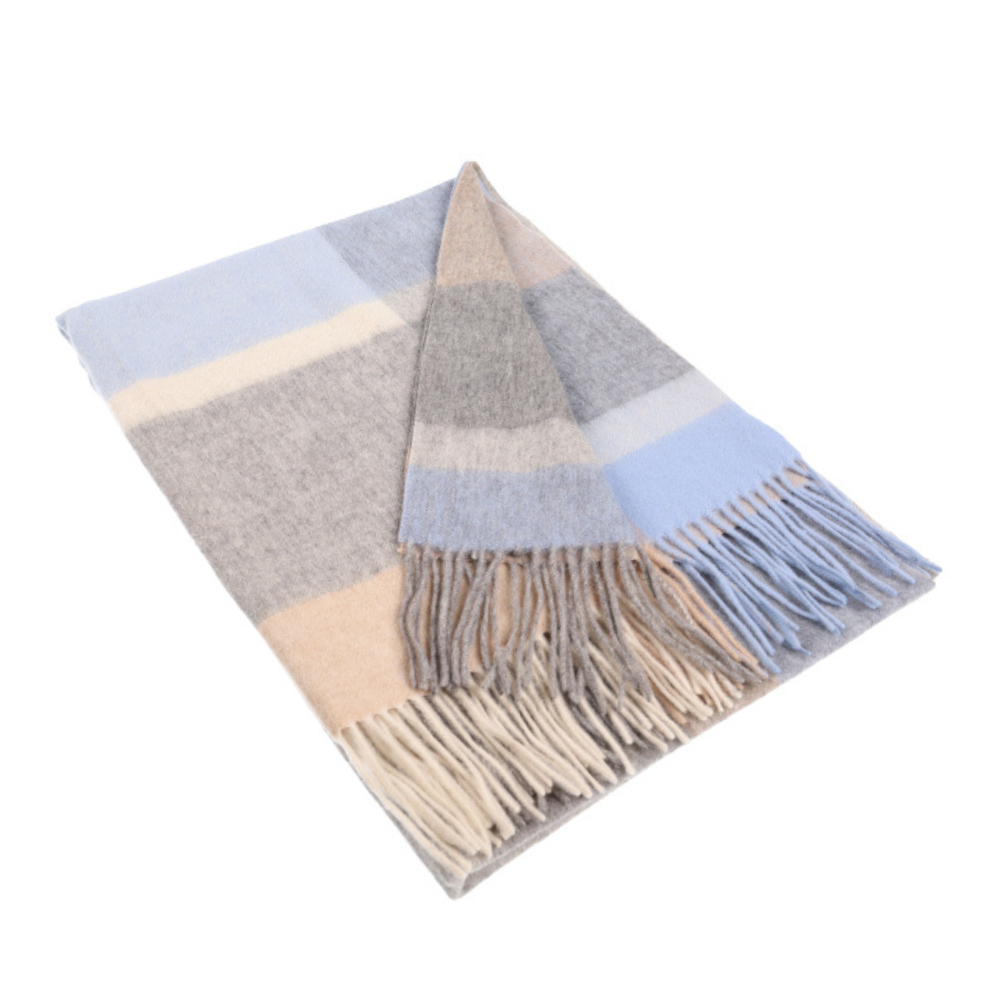
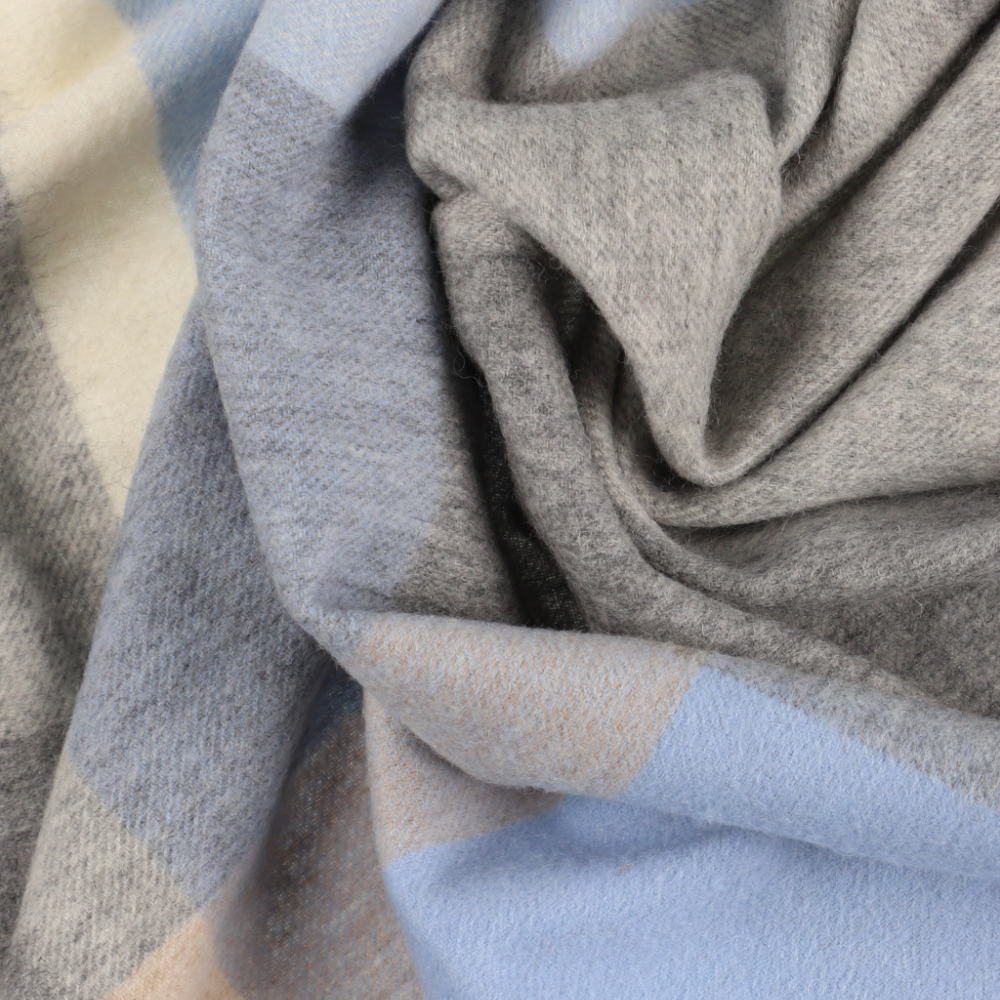
200×70 cm / 79×28 in
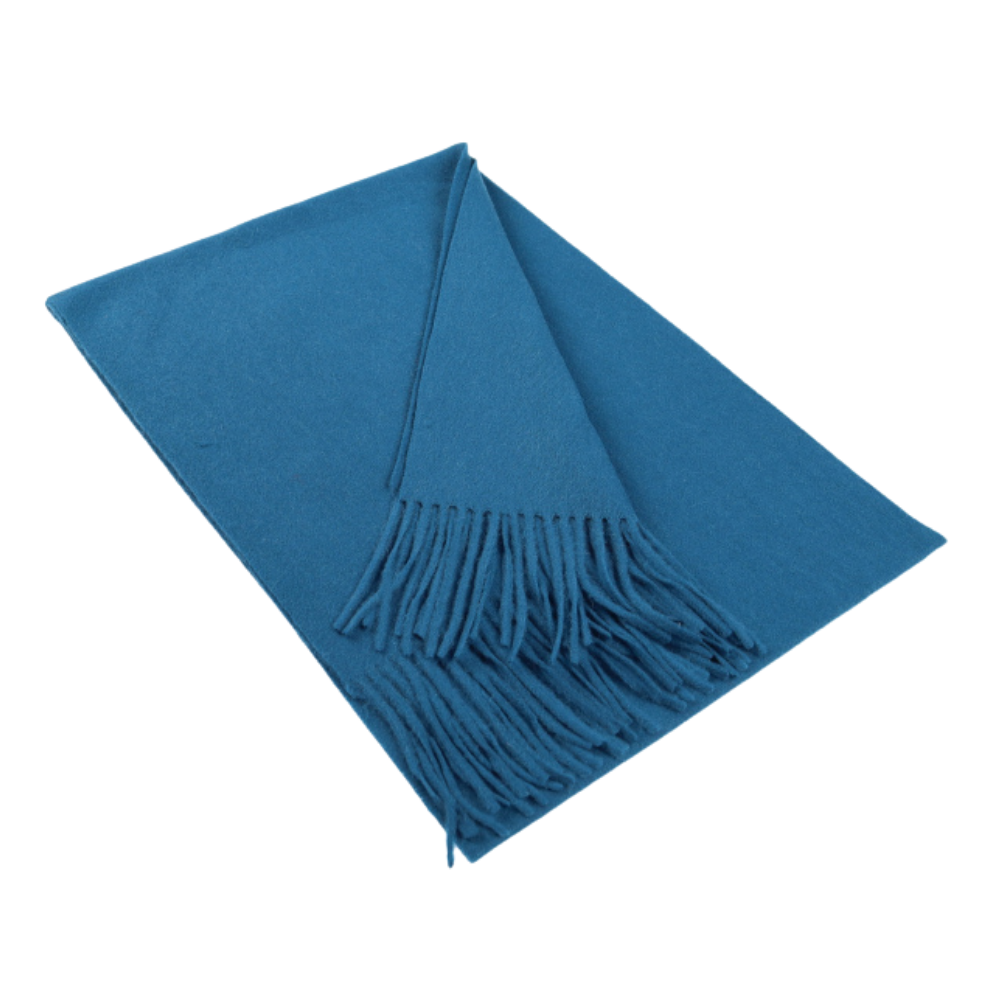
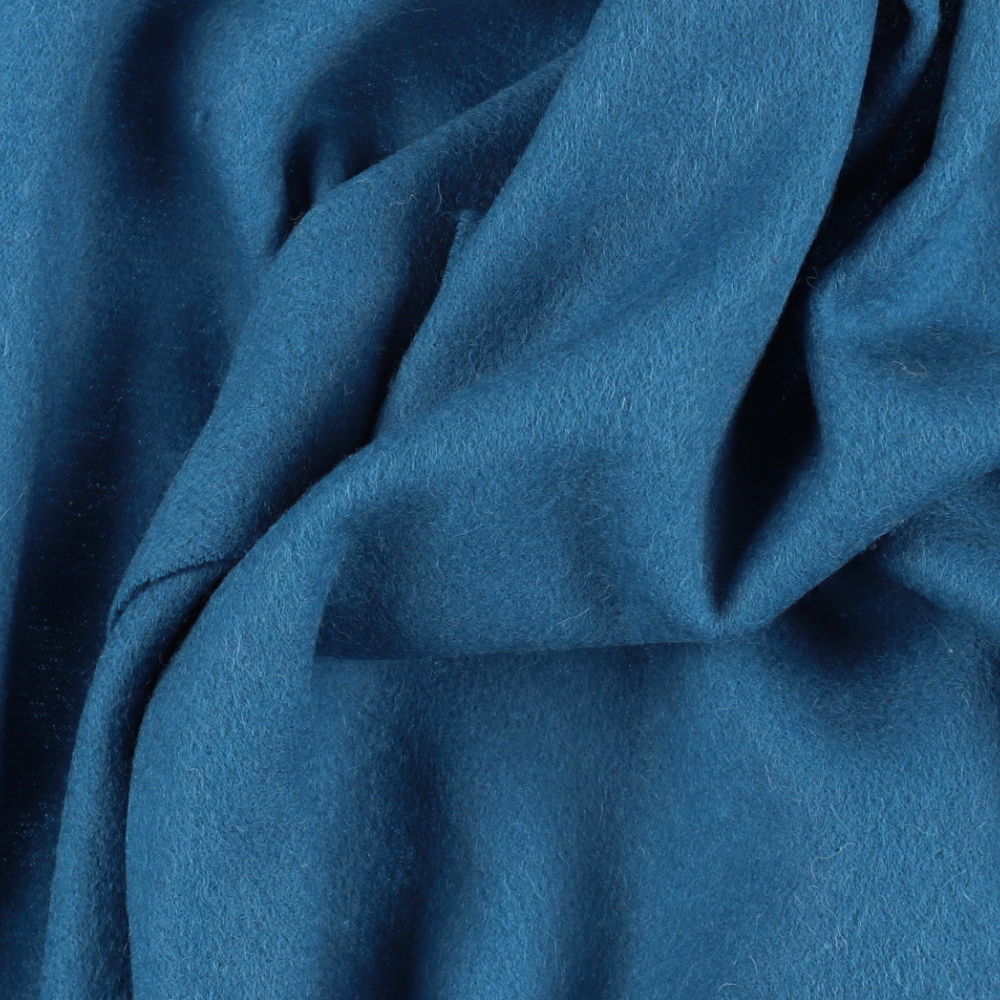
200×35 cm / 79×14 in
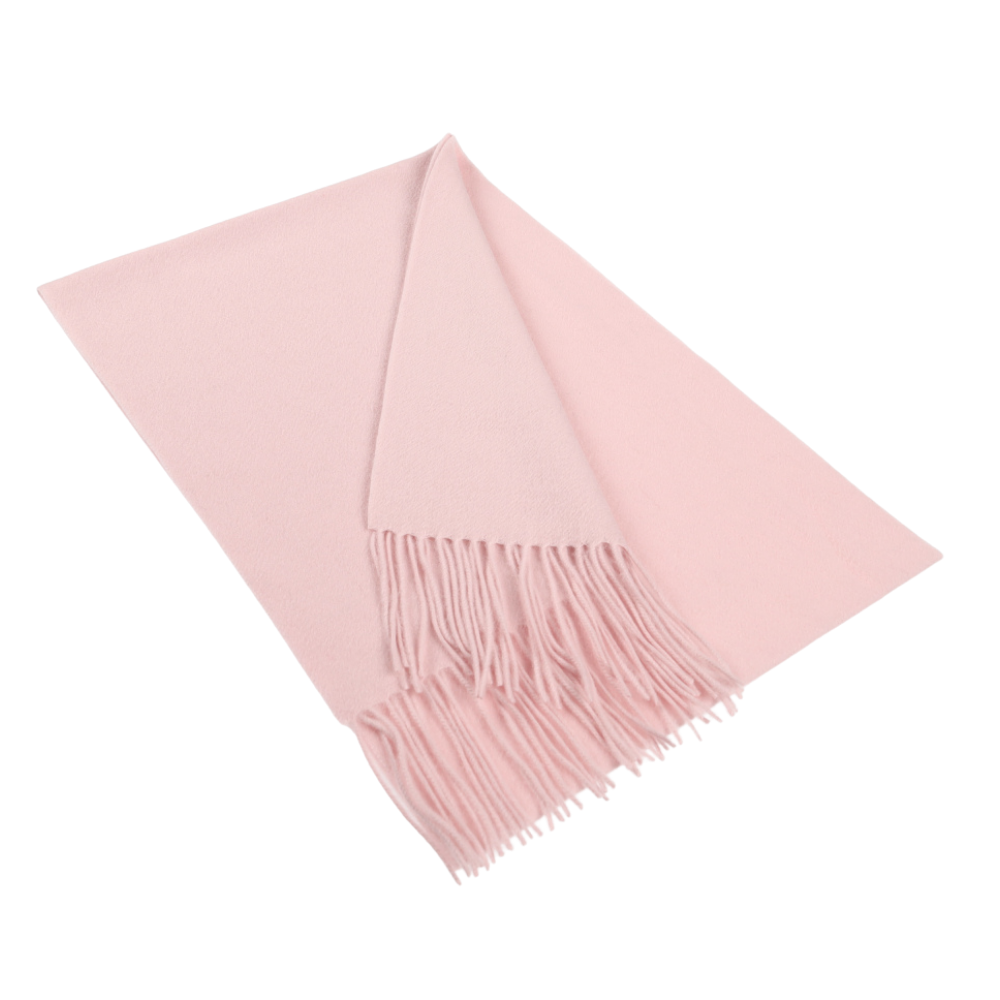
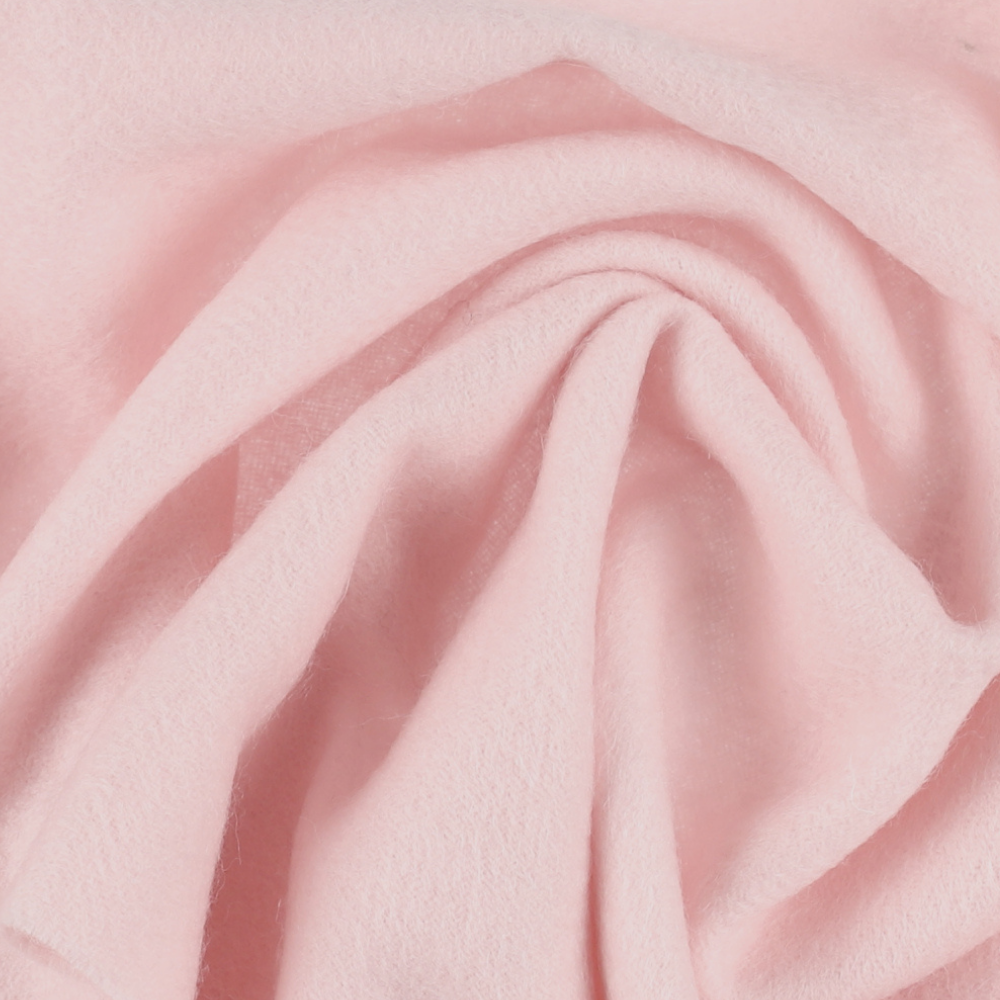
200×35 cm / 79×14 in
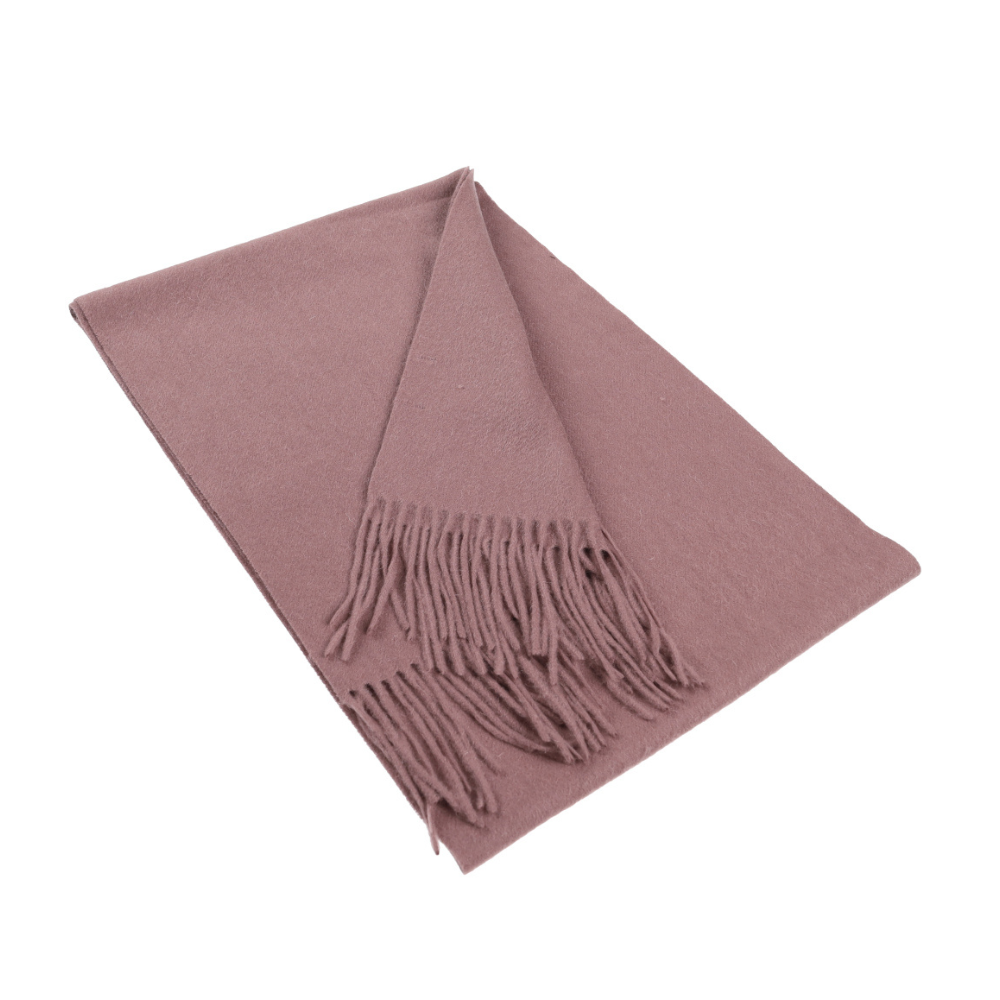
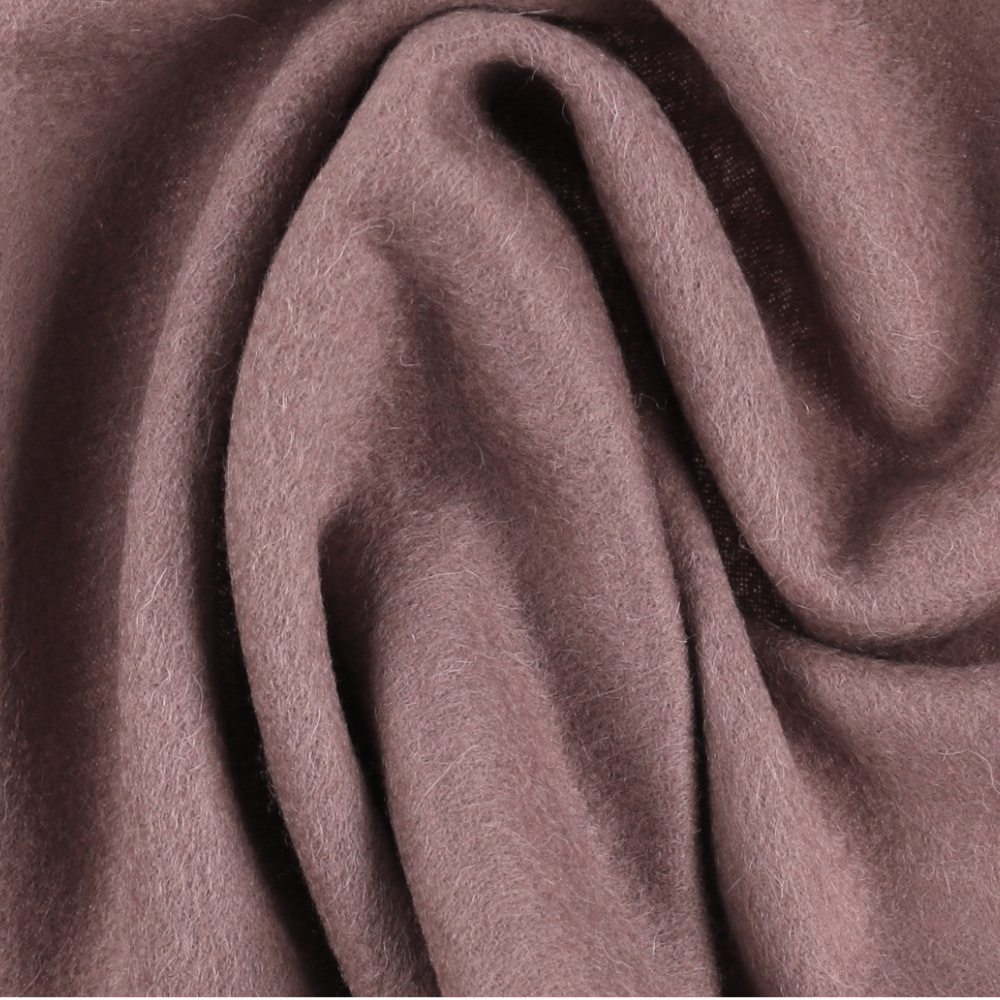
200×35 cm / 79×14 in
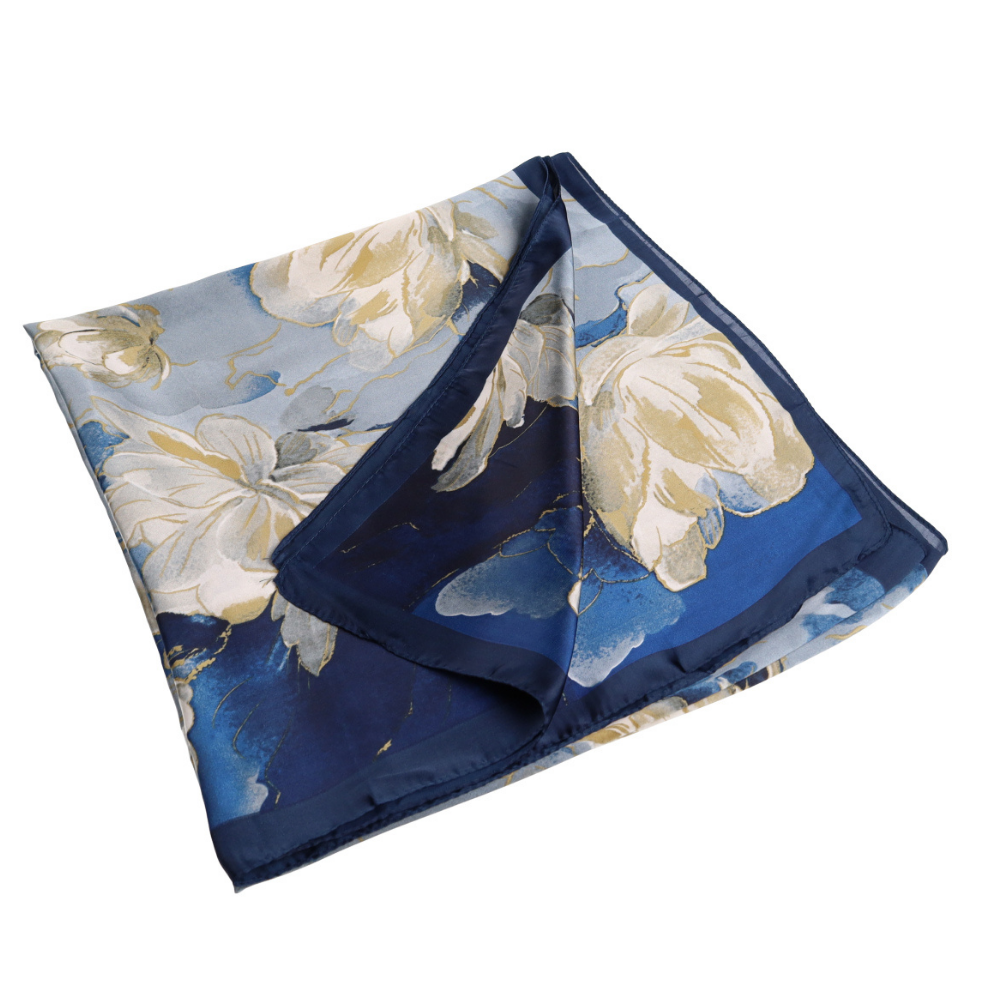
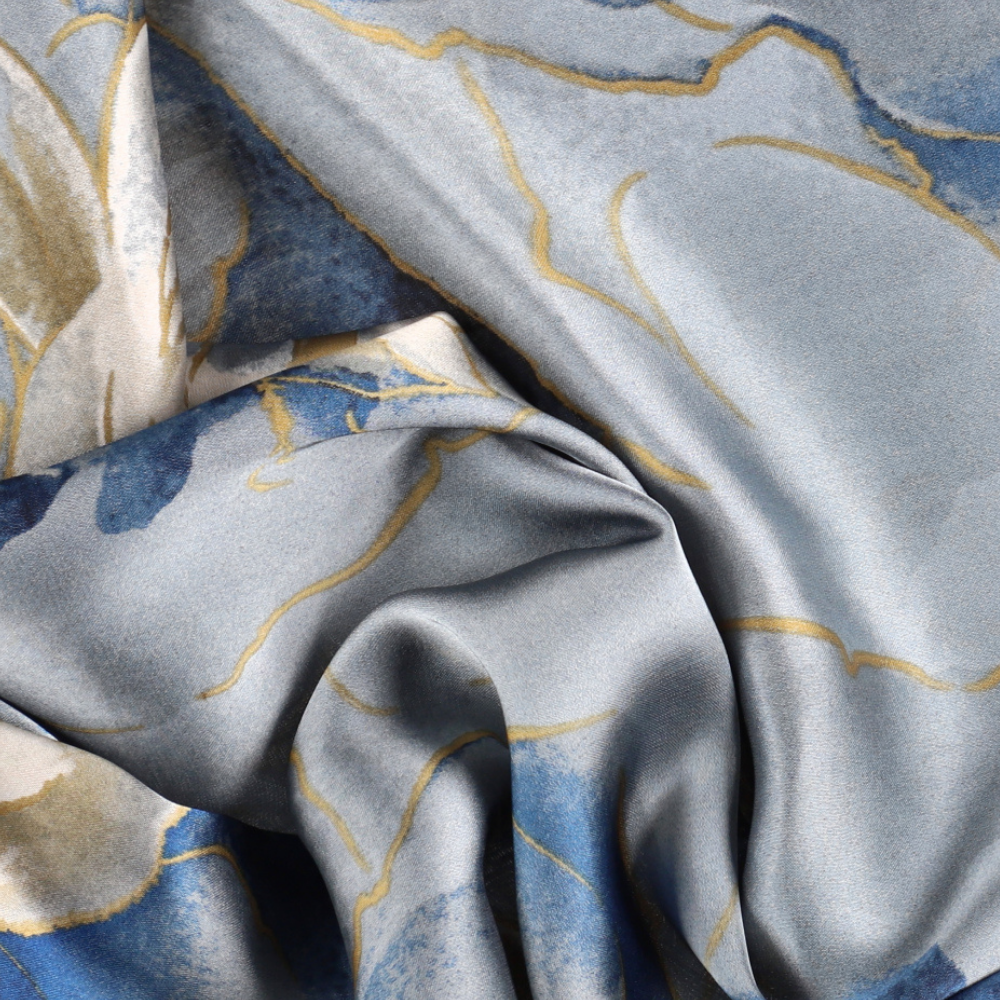
180×90 cm / 71×35 in
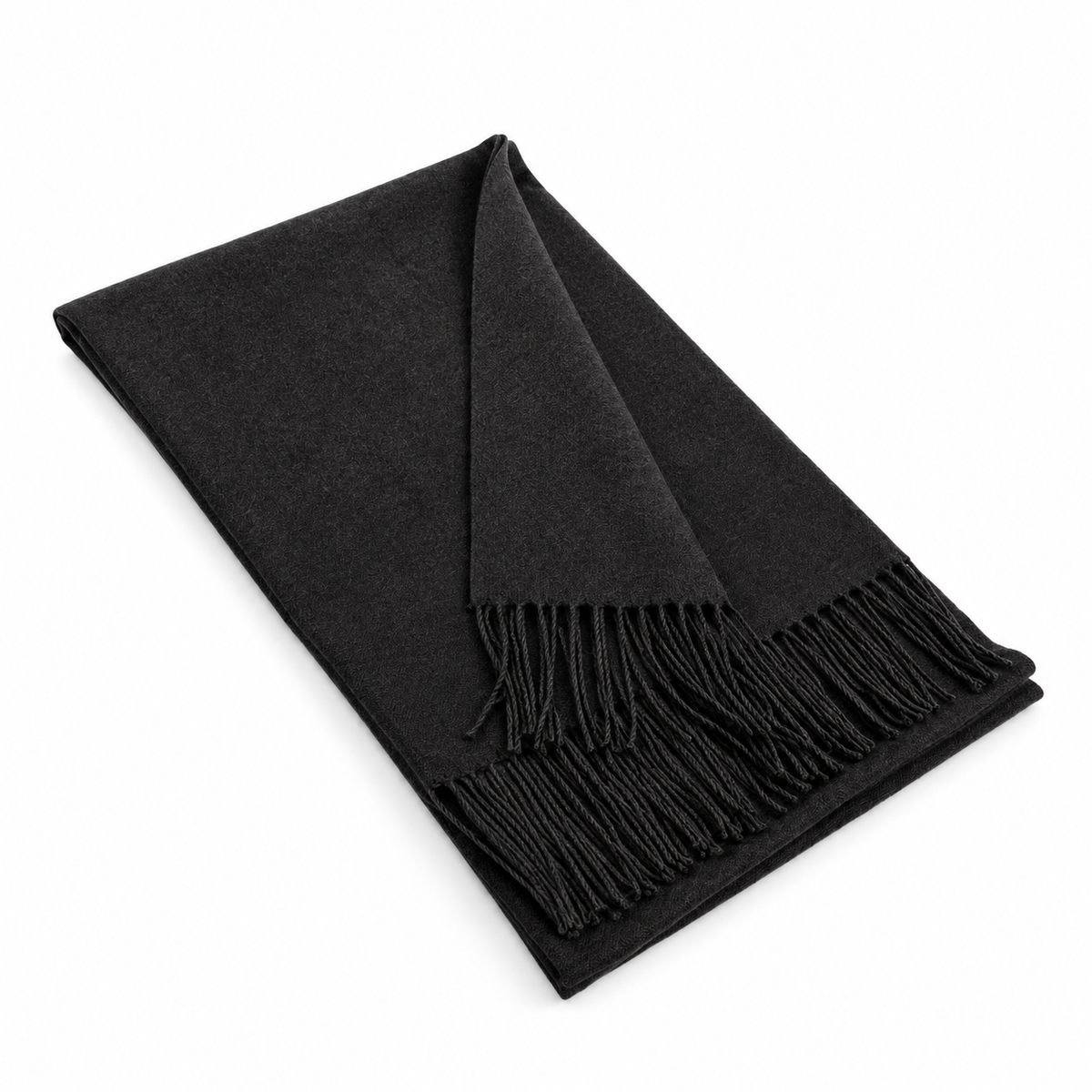
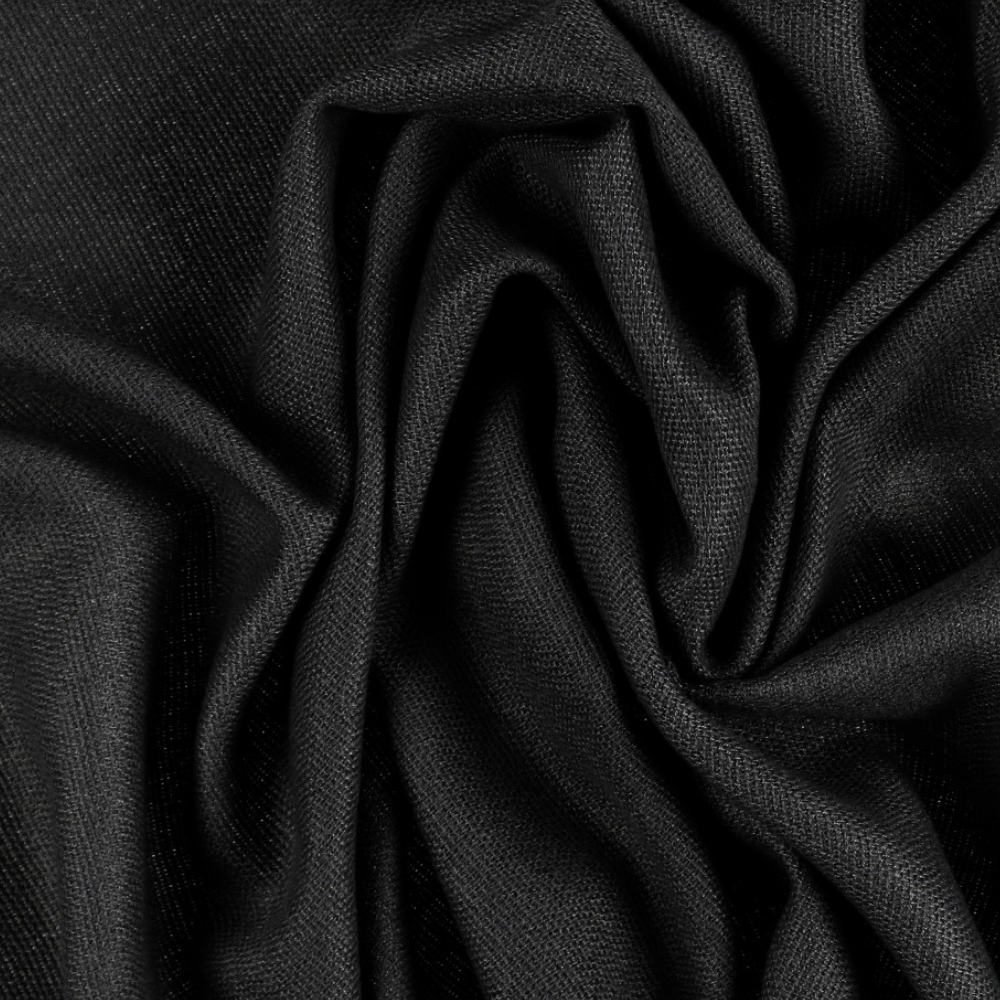
200×65 cm / 79×26 in


180×30 cm / 71×12 in
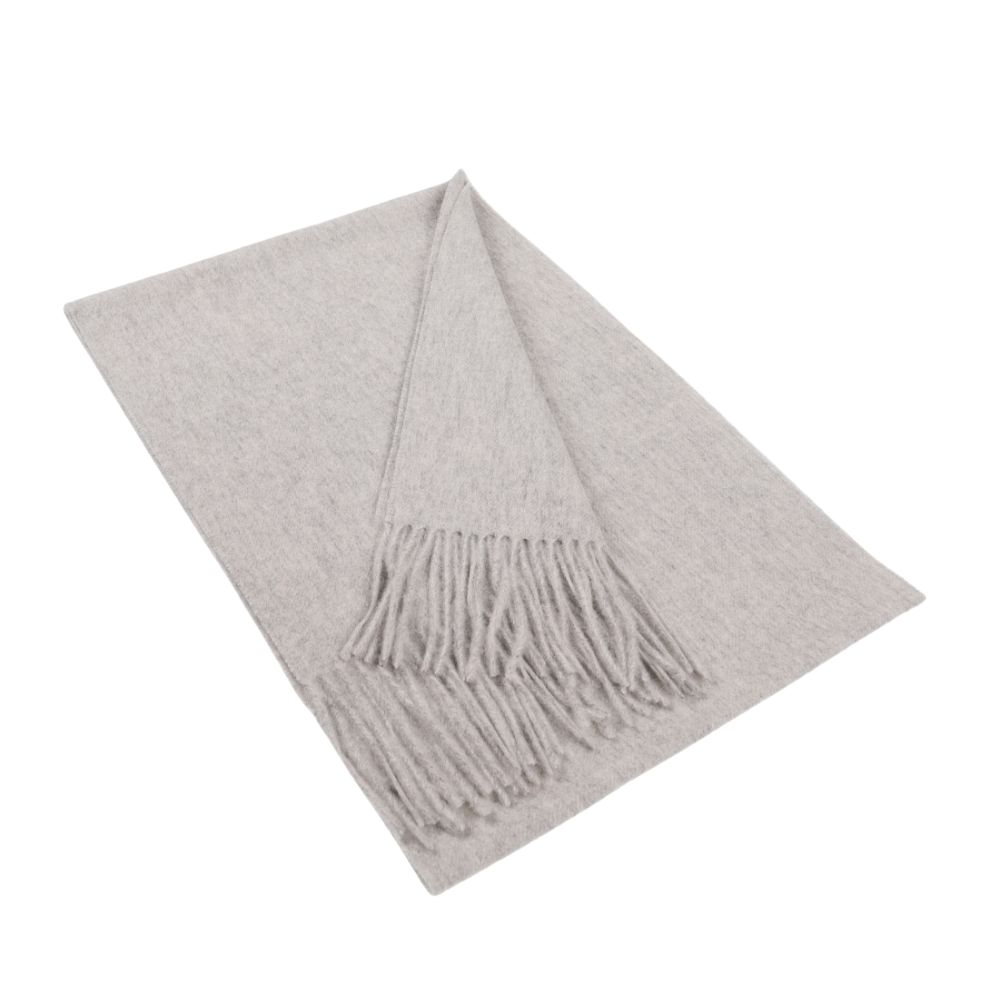
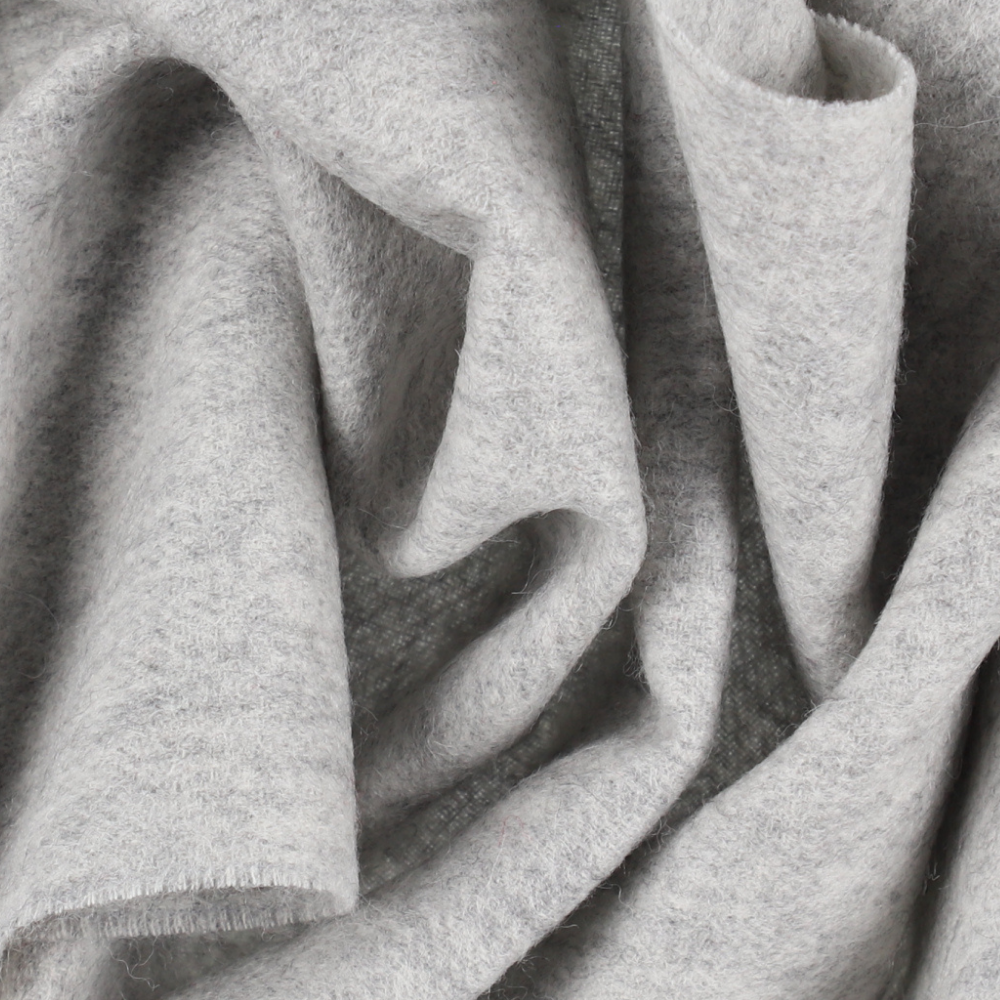
200×35 cm / 79×14 in
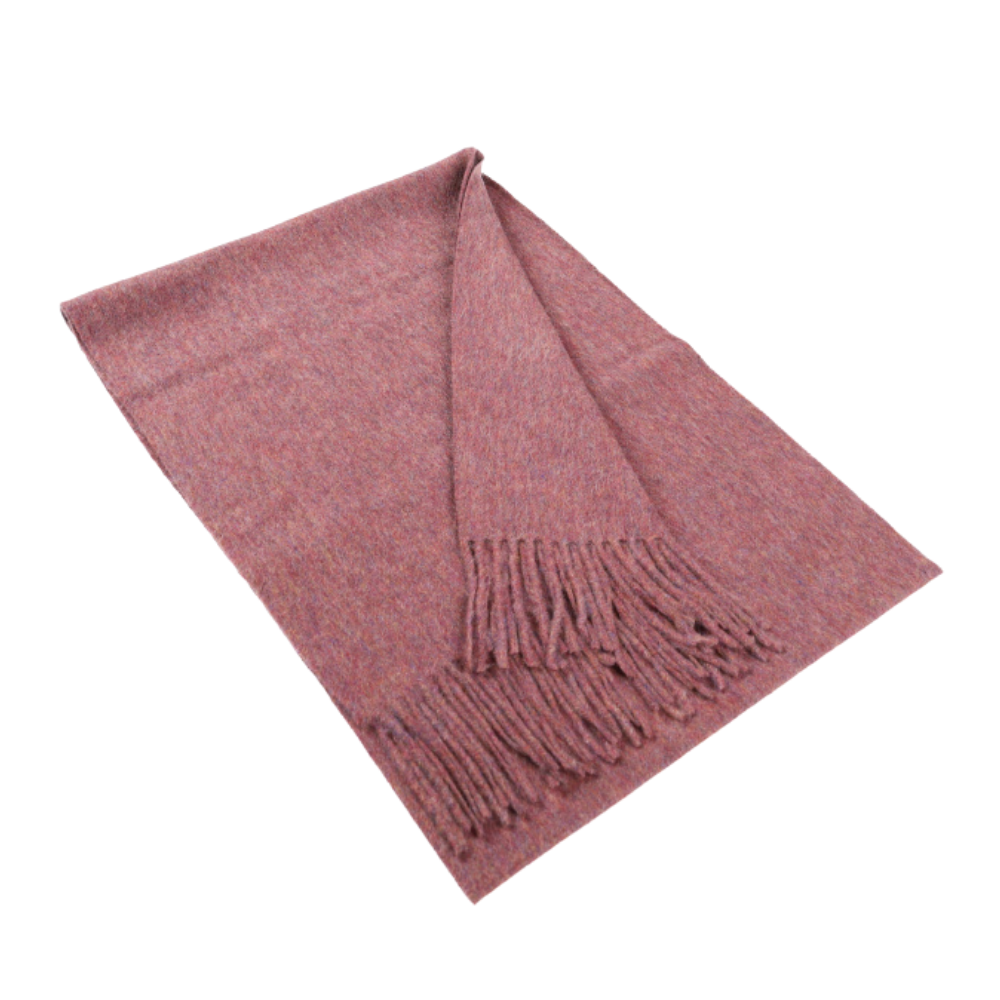
200×35 cm / 79×14 in
200×35 cm / 79×14 in
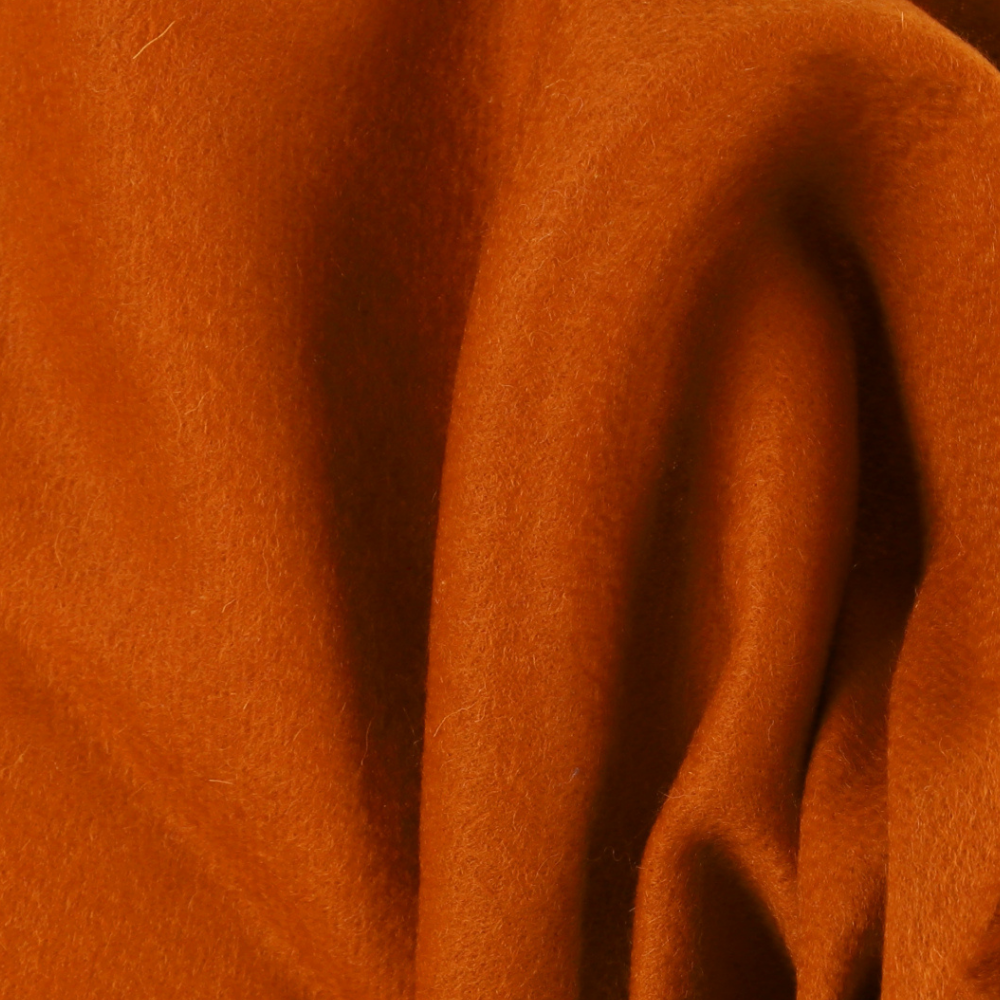
200×35 cm / 79×14 in
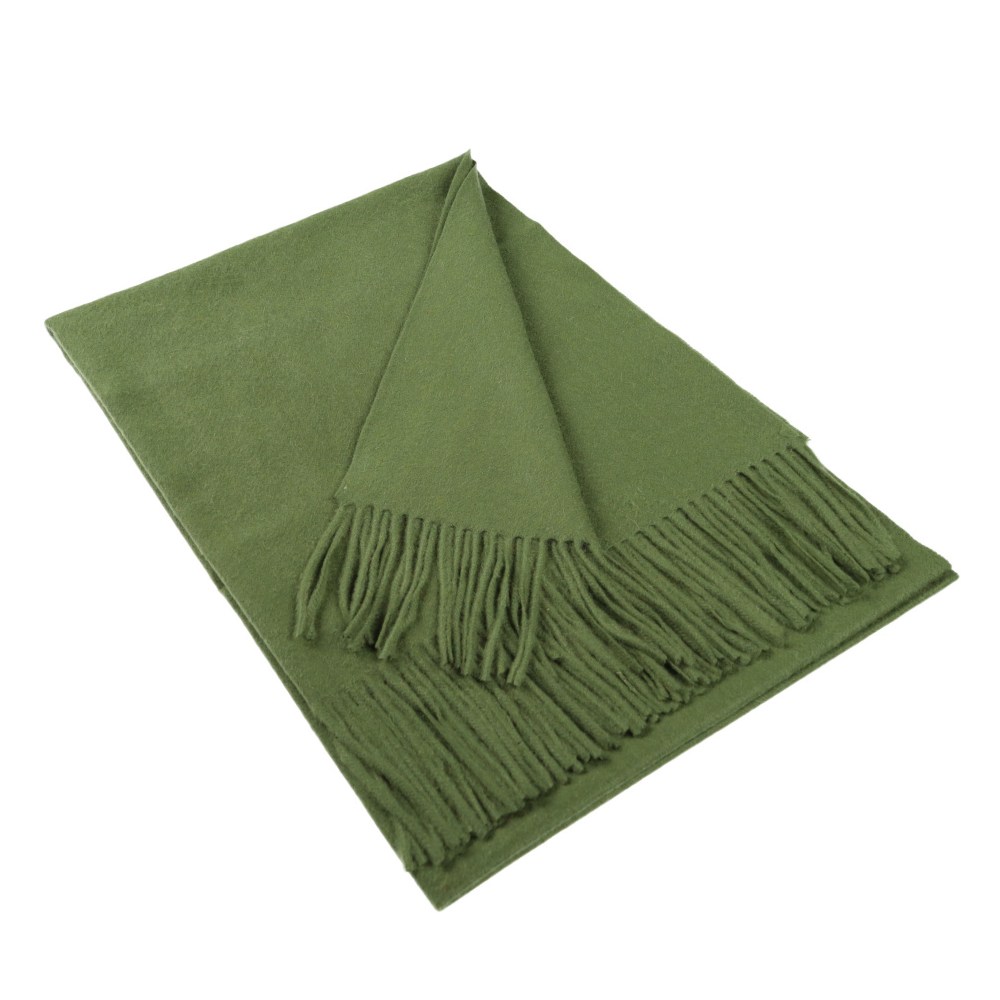
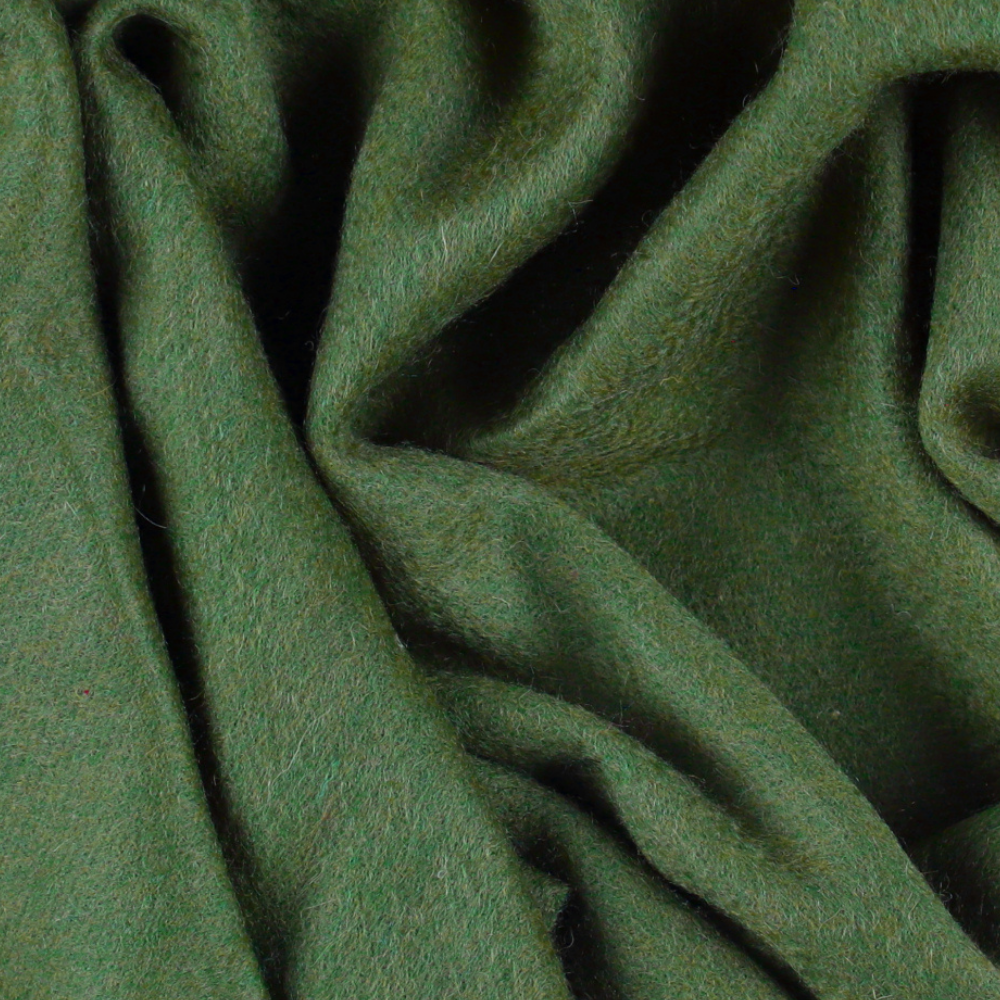
200×70 cm / 79×28 in
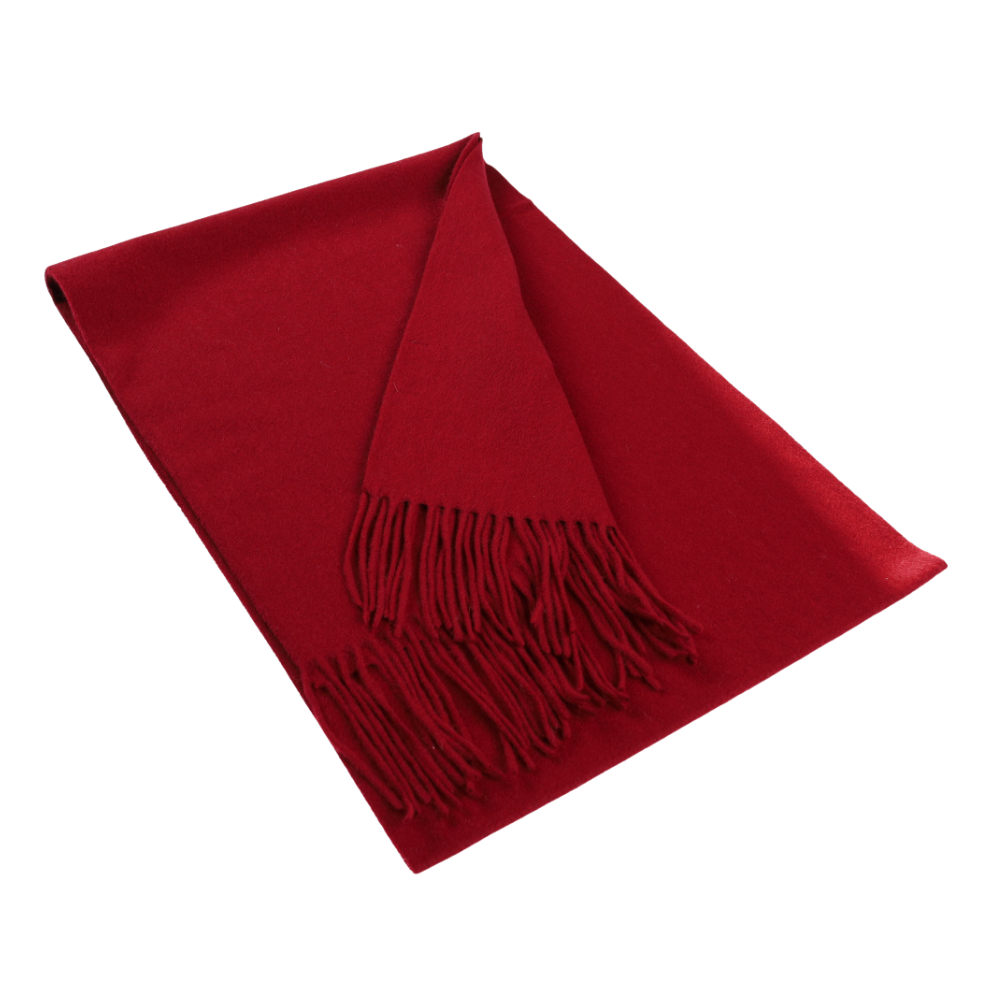
200×35 cm / 79×14 in
200×70 cm / 79×28 in
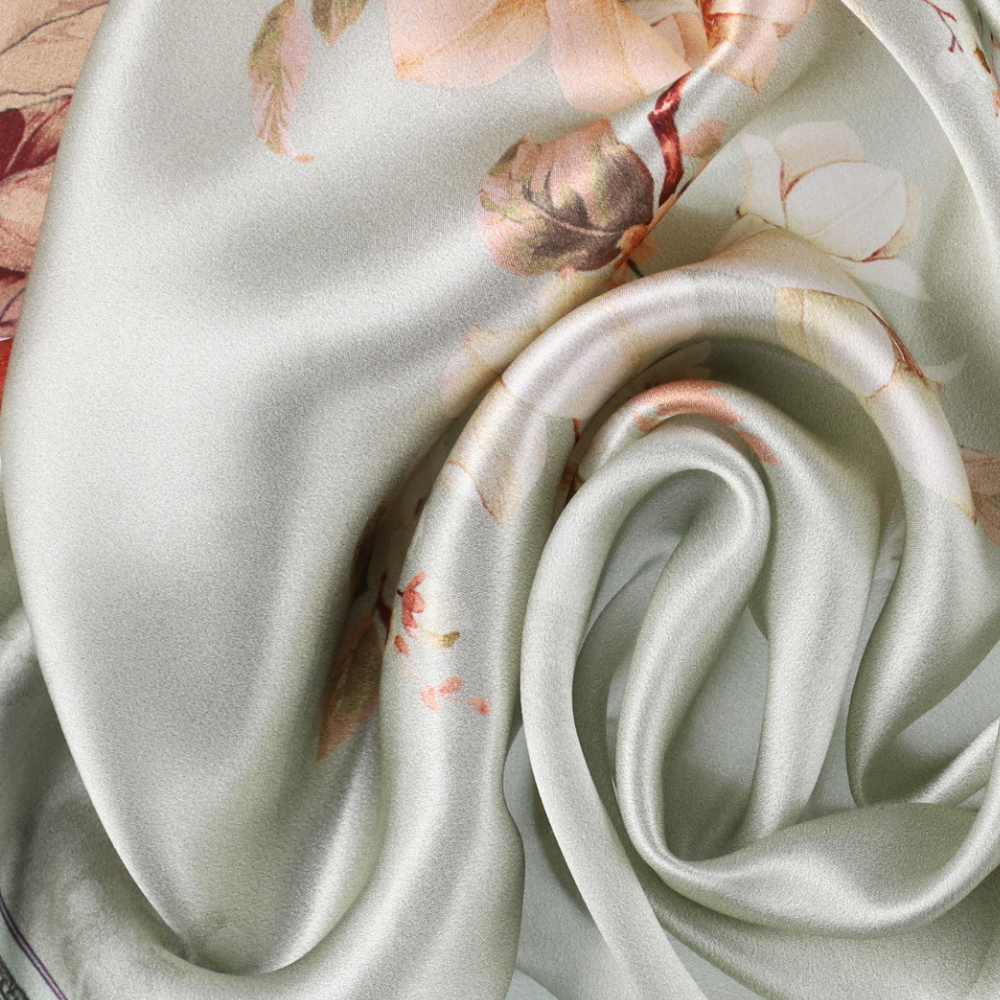
170×53 cm / 67×21 in
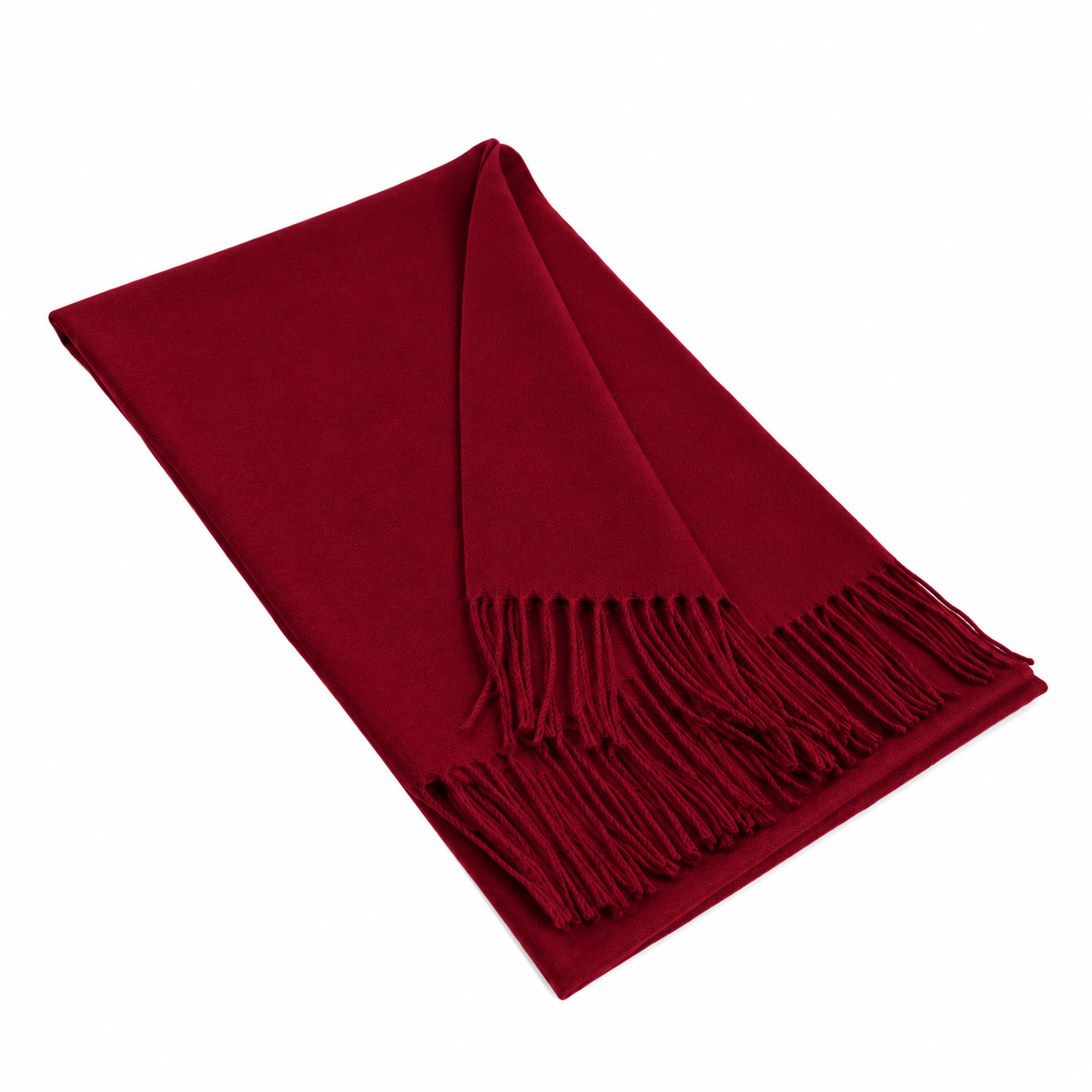
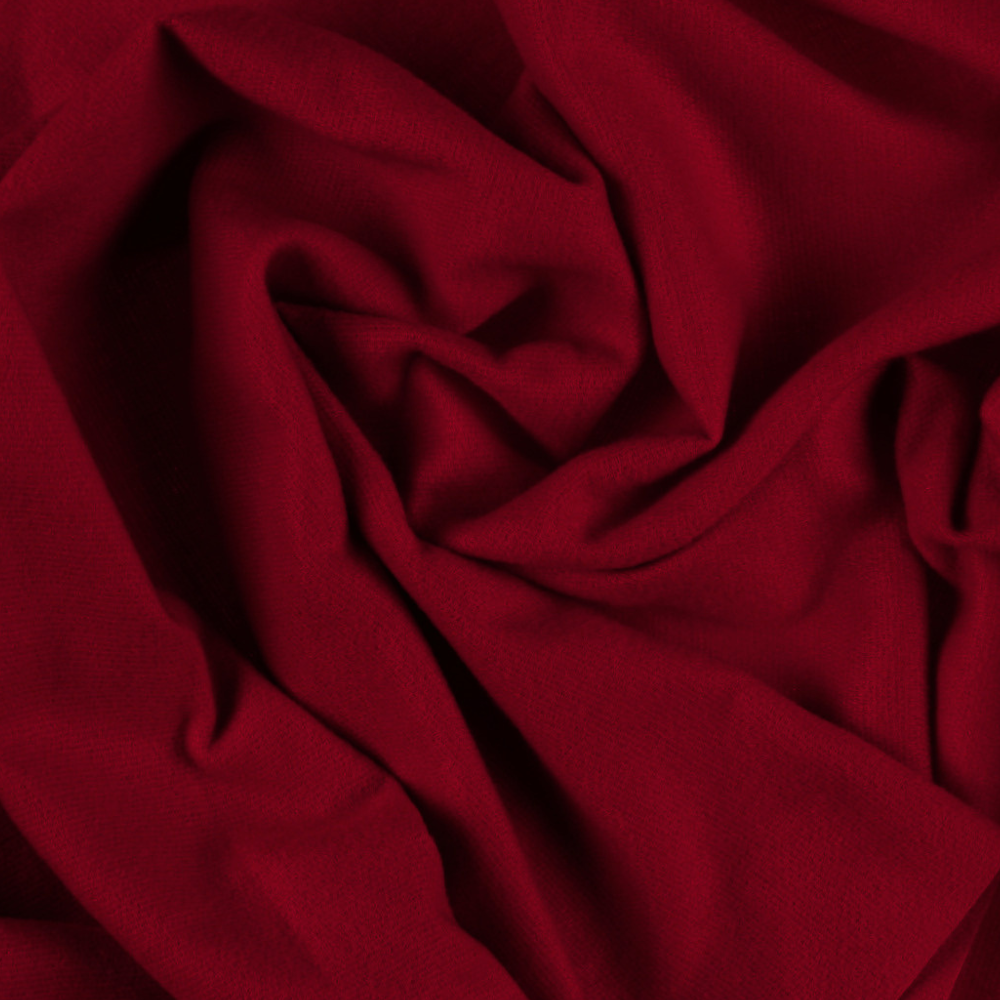
200×65 cm / 79×26 in
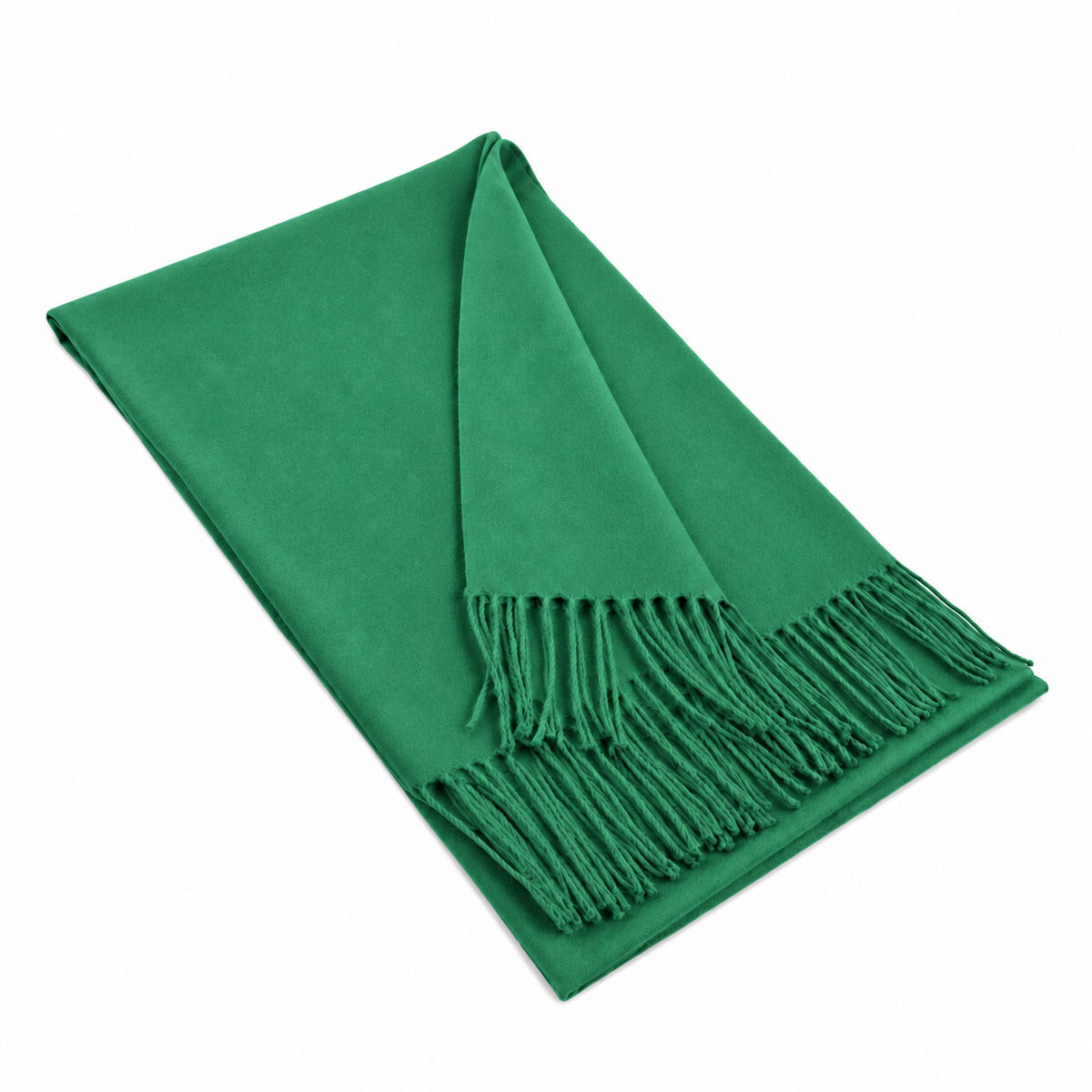
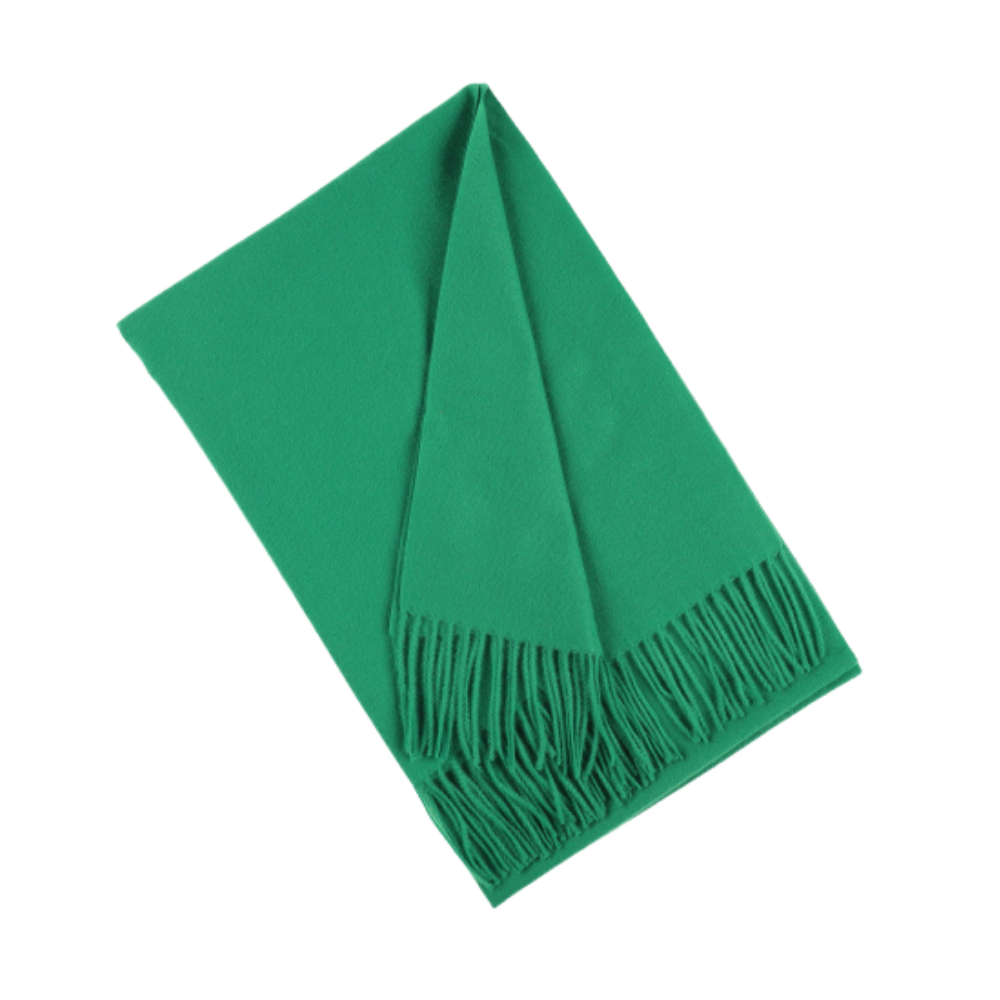
200×65 cm / 79×26 in
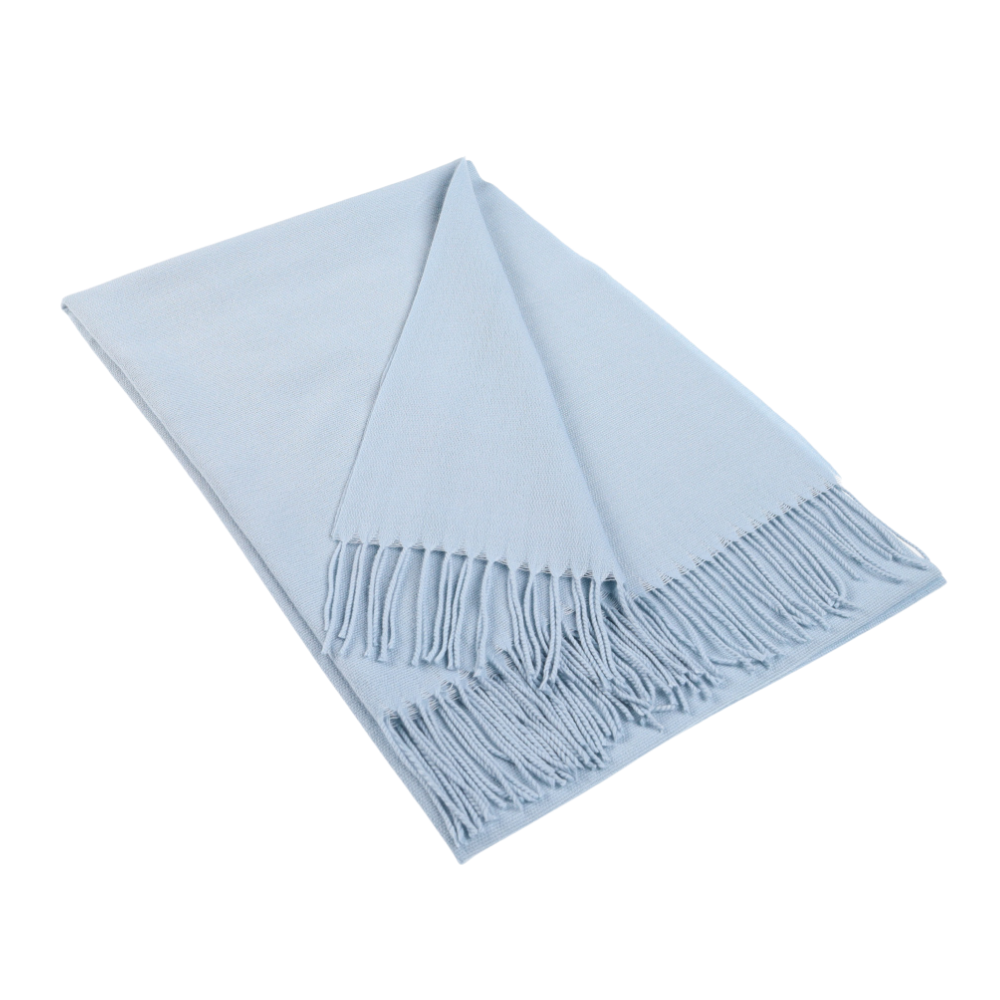
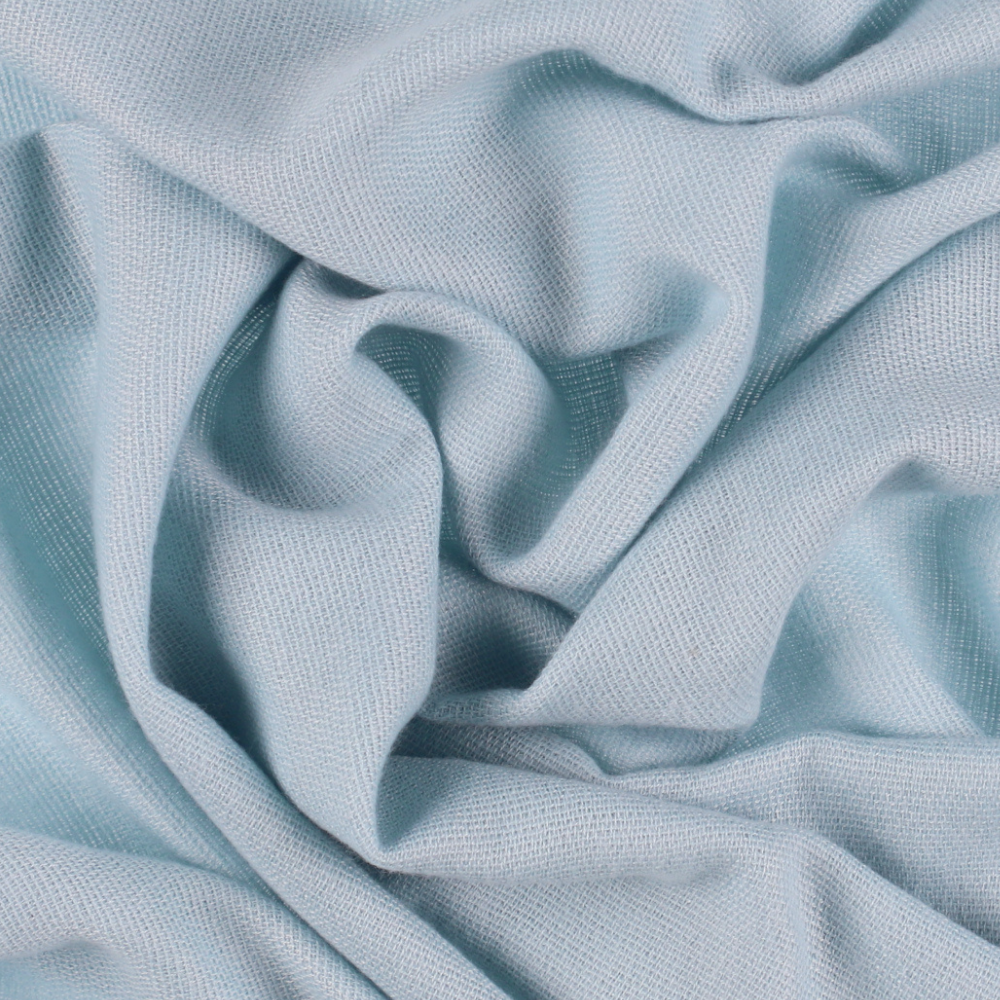
200×65 cm / 79×26 in


180×30 cm / 71×12 in


180×30 cm / 71×12 in


180×30 cm / 71×12 in
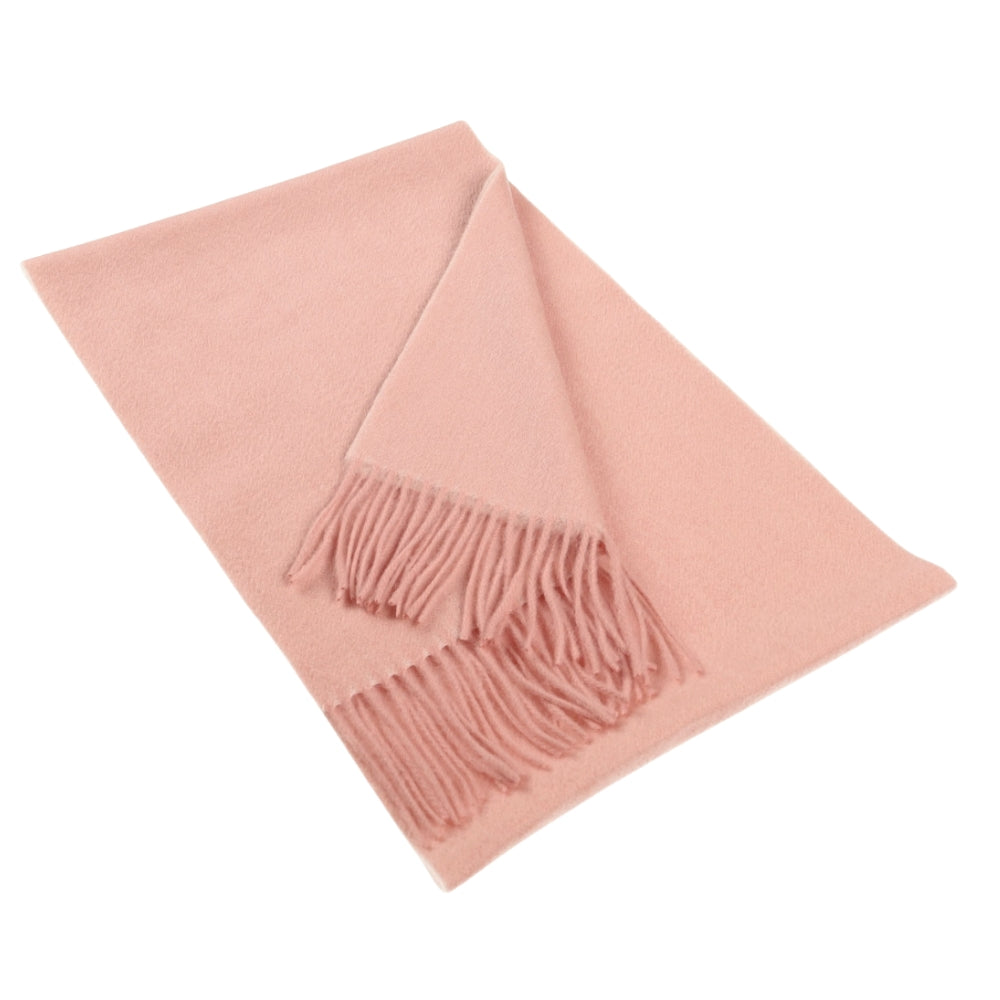
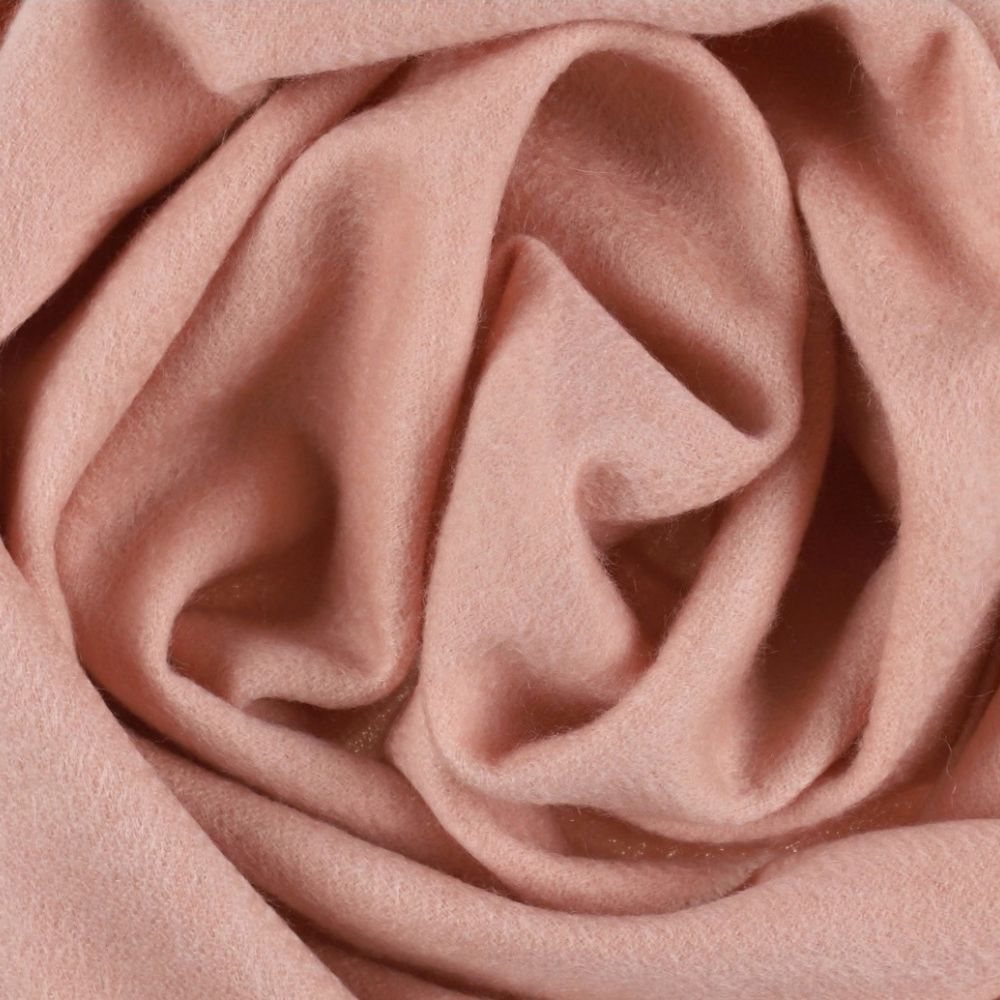
180×30 cm / 71×12 in
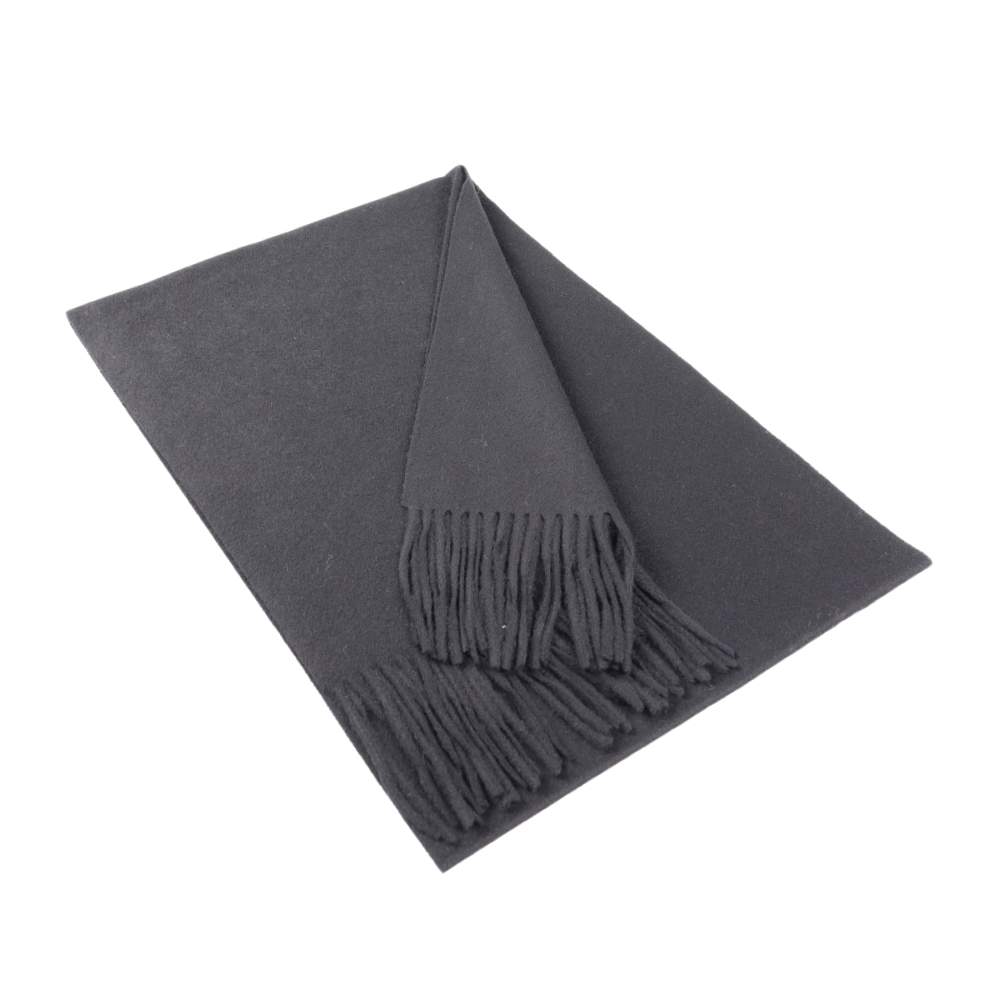
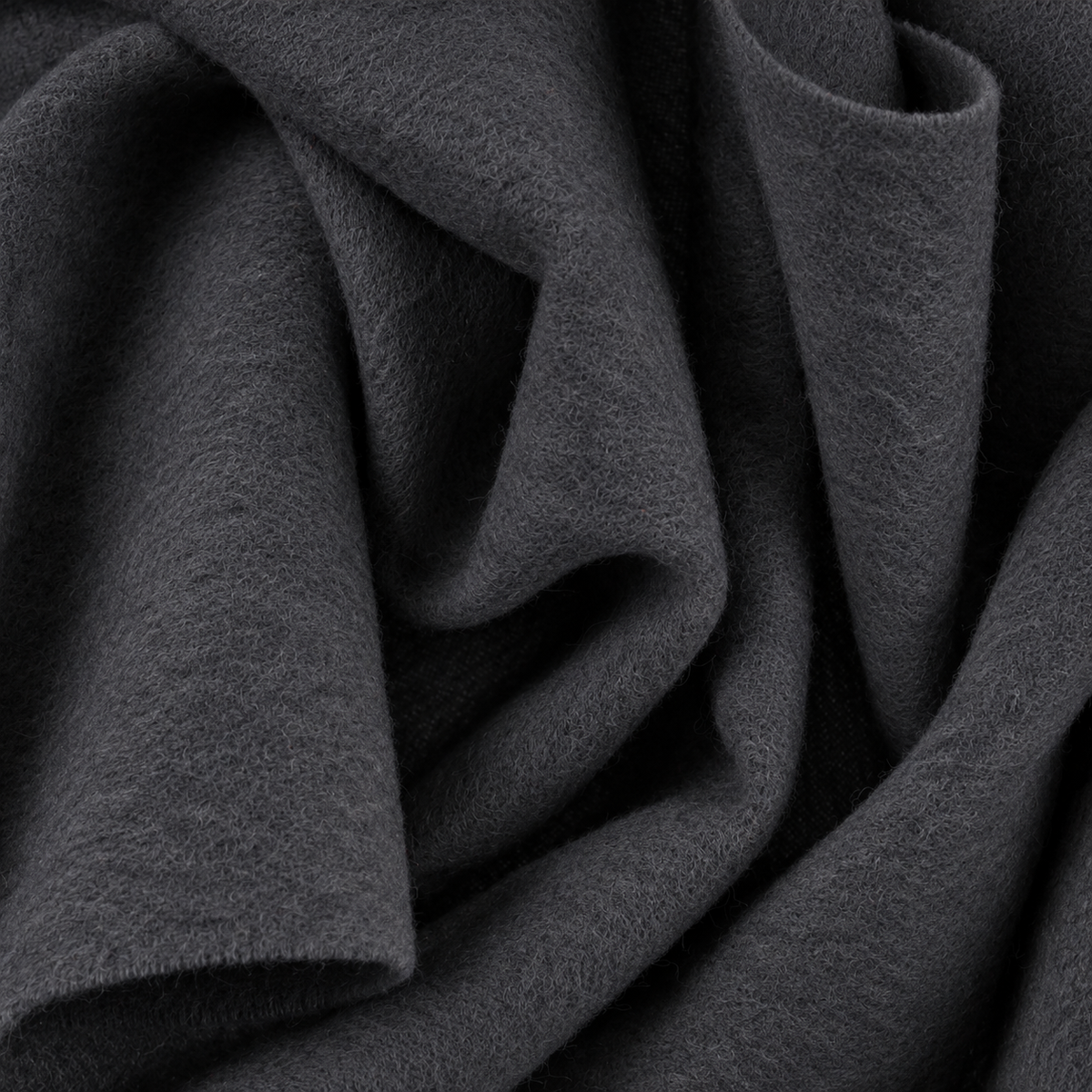
200×35 cm / 79×14 in
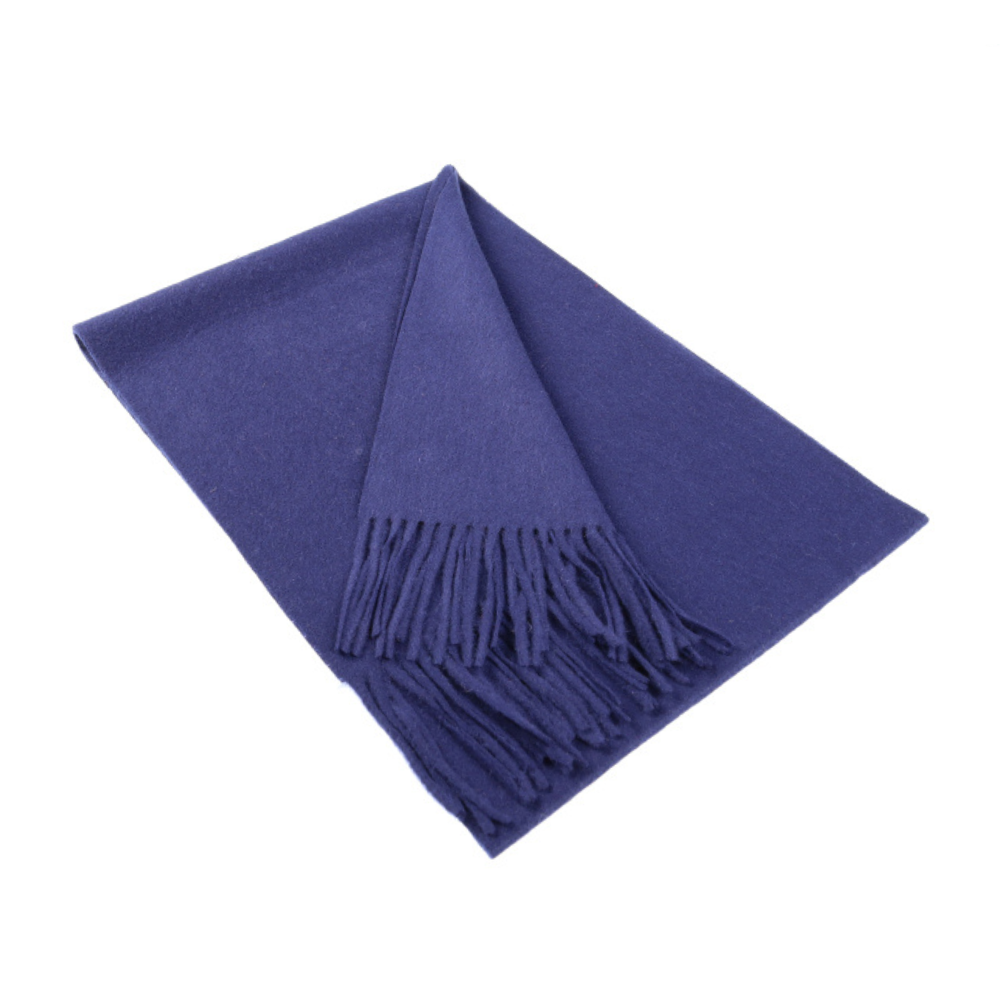
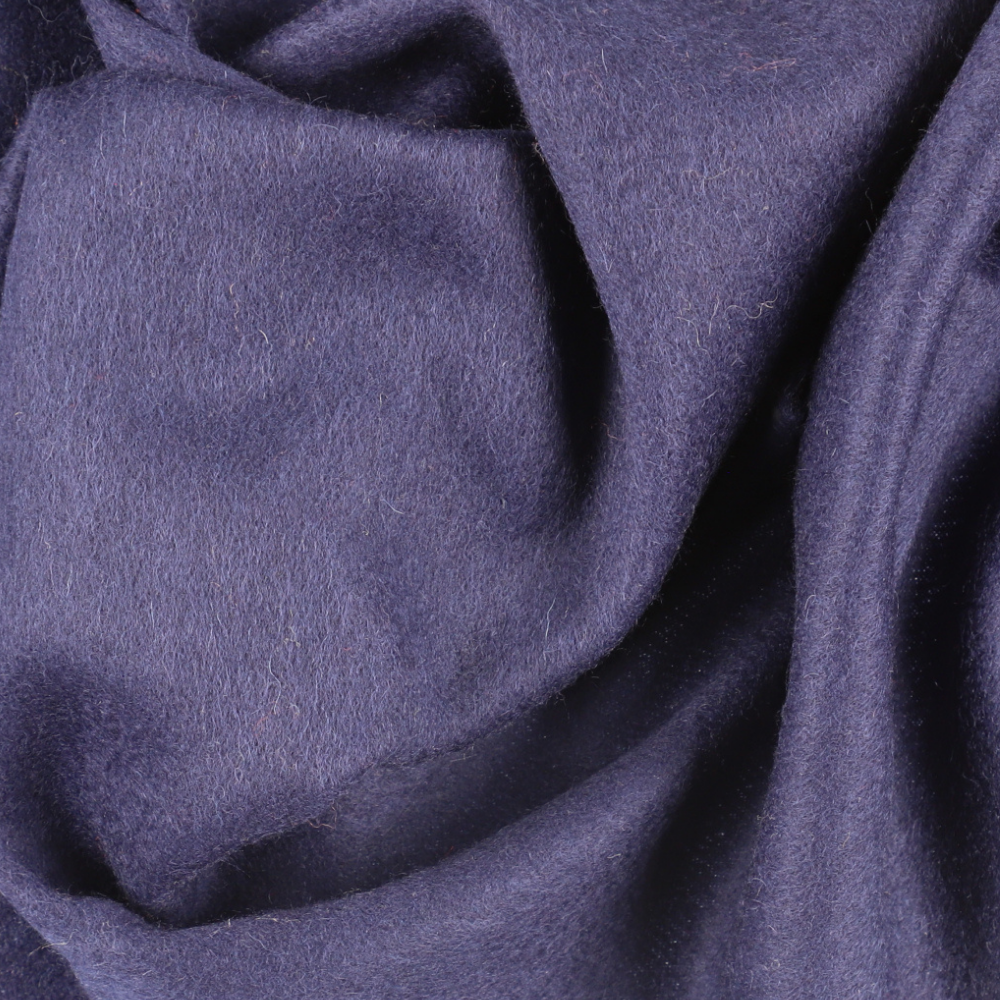
200×35 cm / 79×14 in
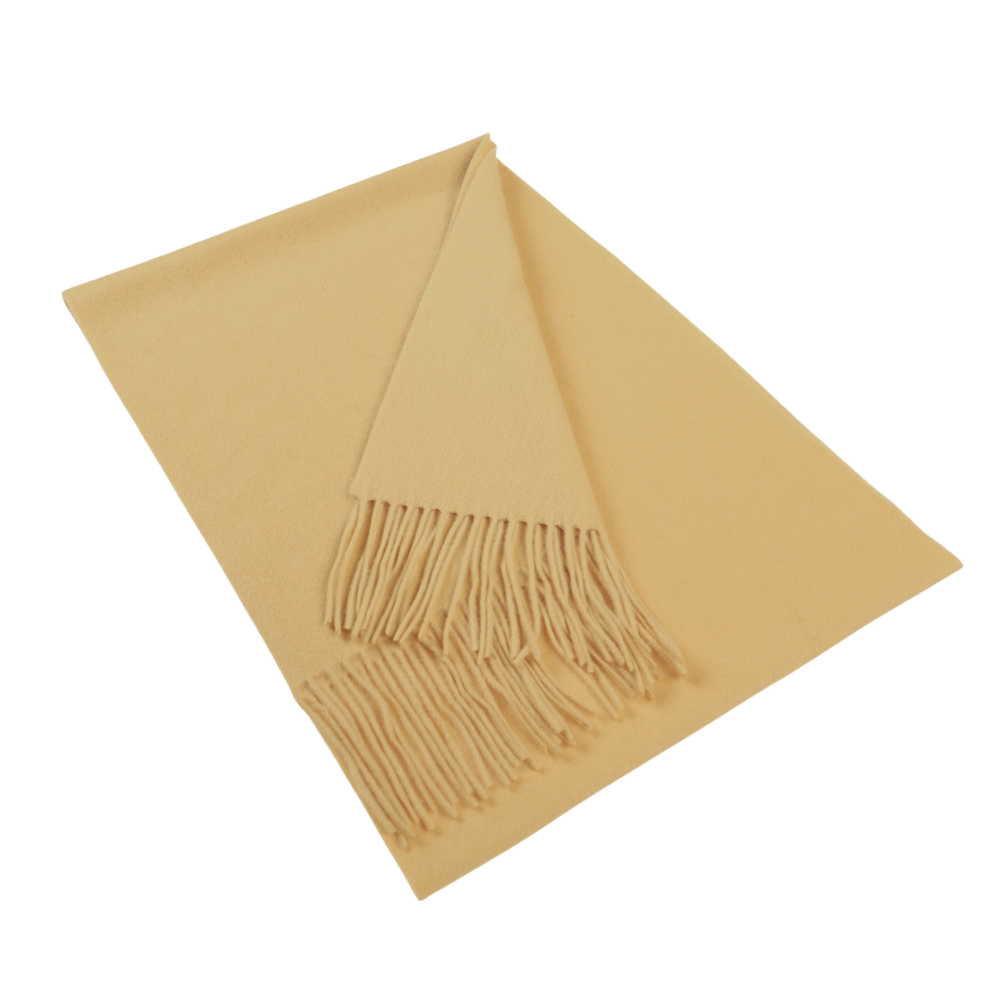
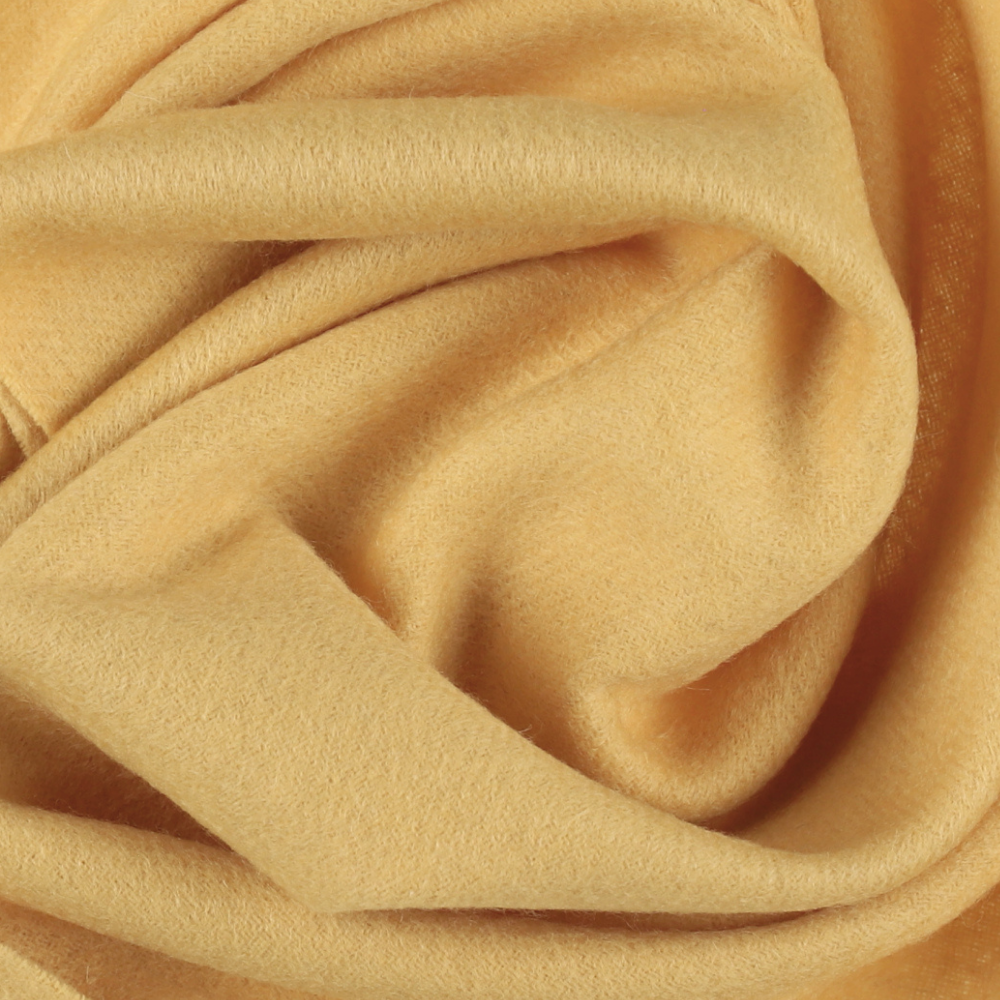
200×35 cm / 79×14 in
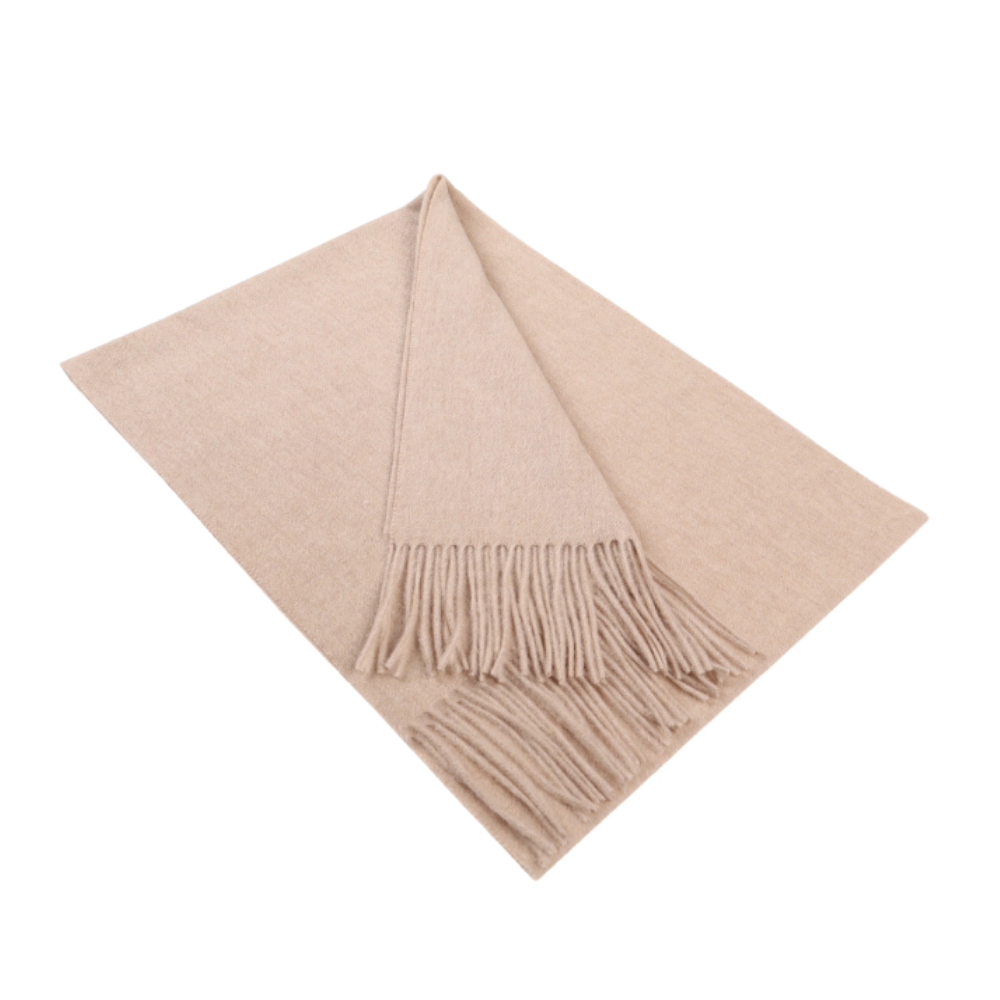
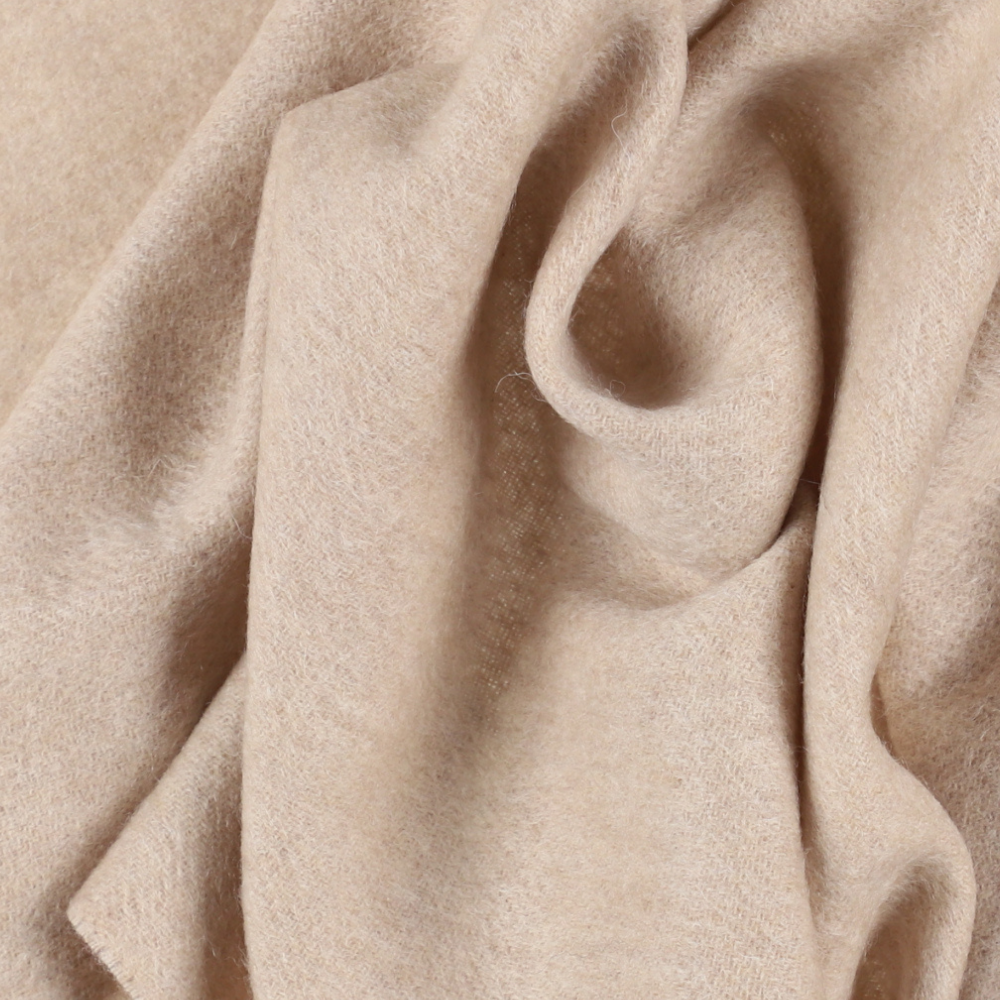
200×35 cm / 79×14 in
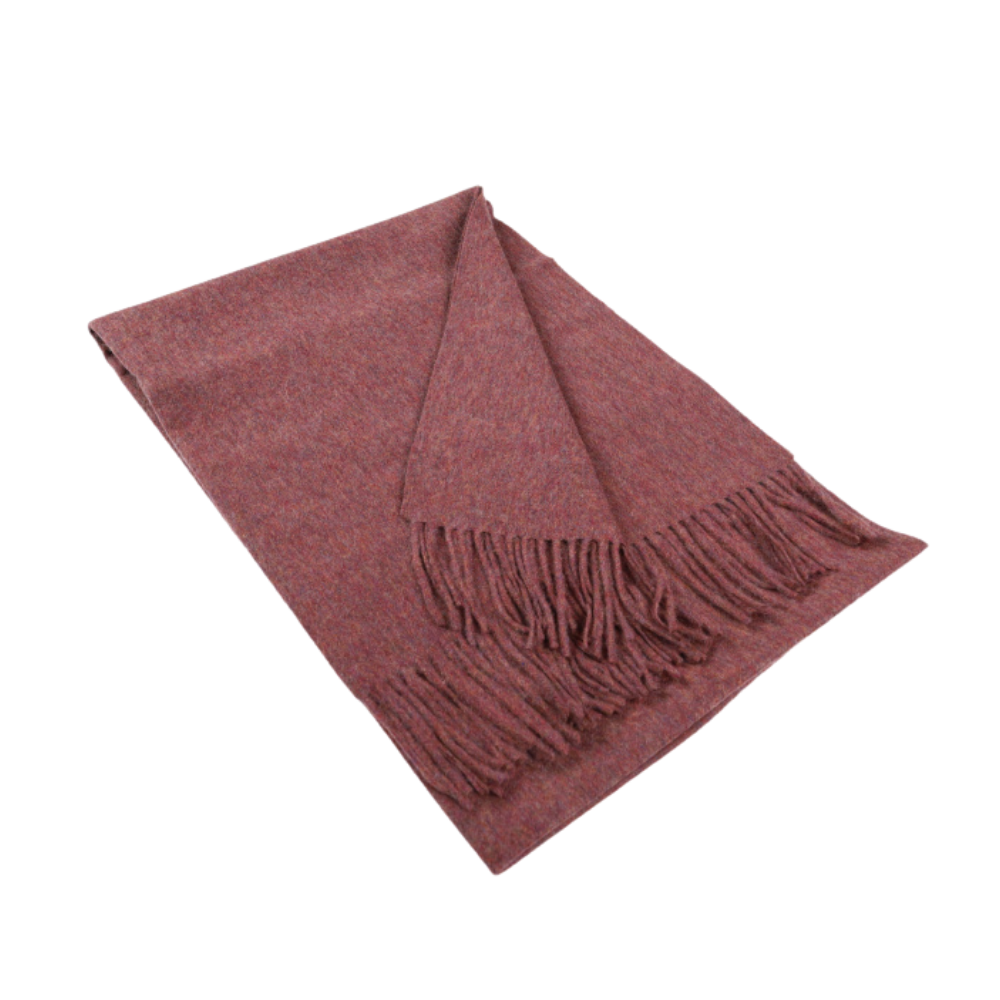
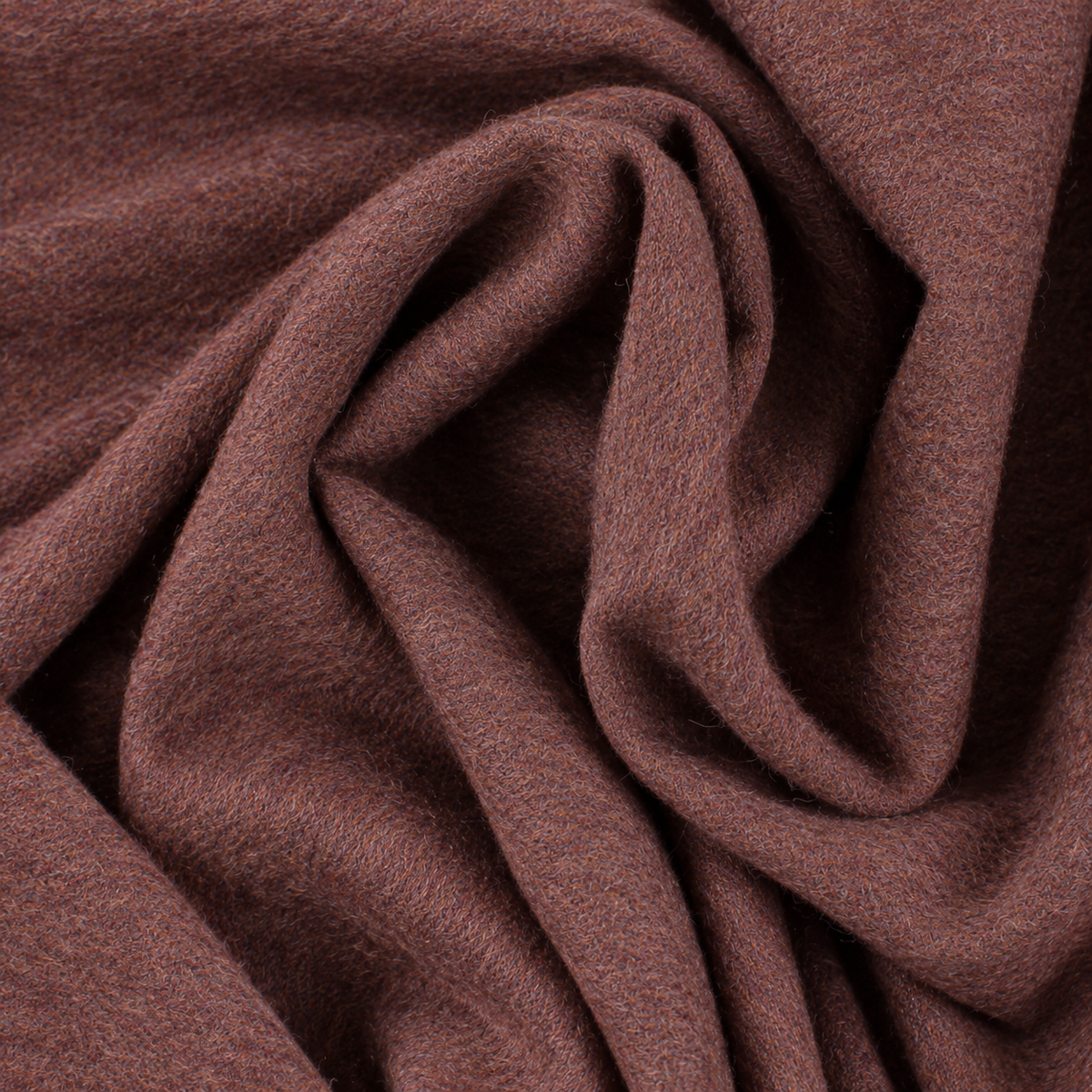
200×70 cm / 79×28 in
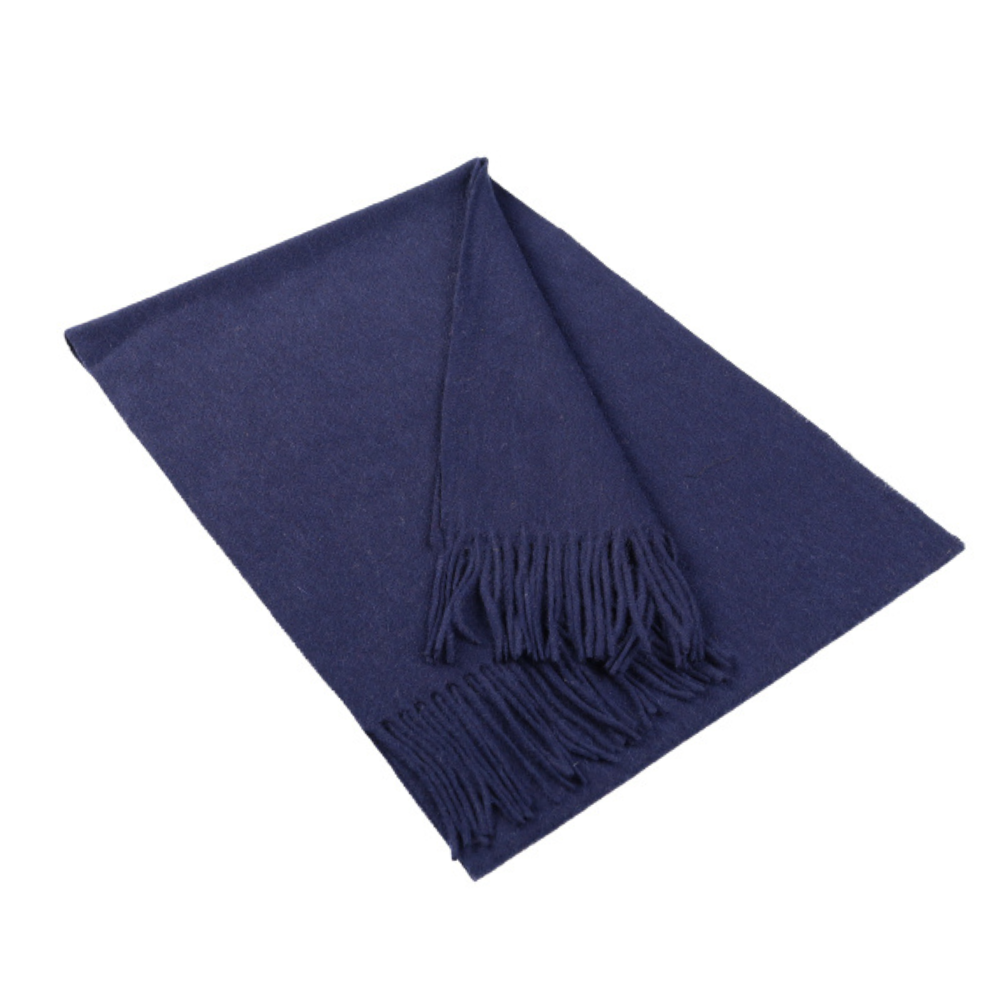
200×35 cm / 79×14 in
200×35 cm / 79×14 in
200×35 cm / 79×14 in
200×35 cm / 79×14 in
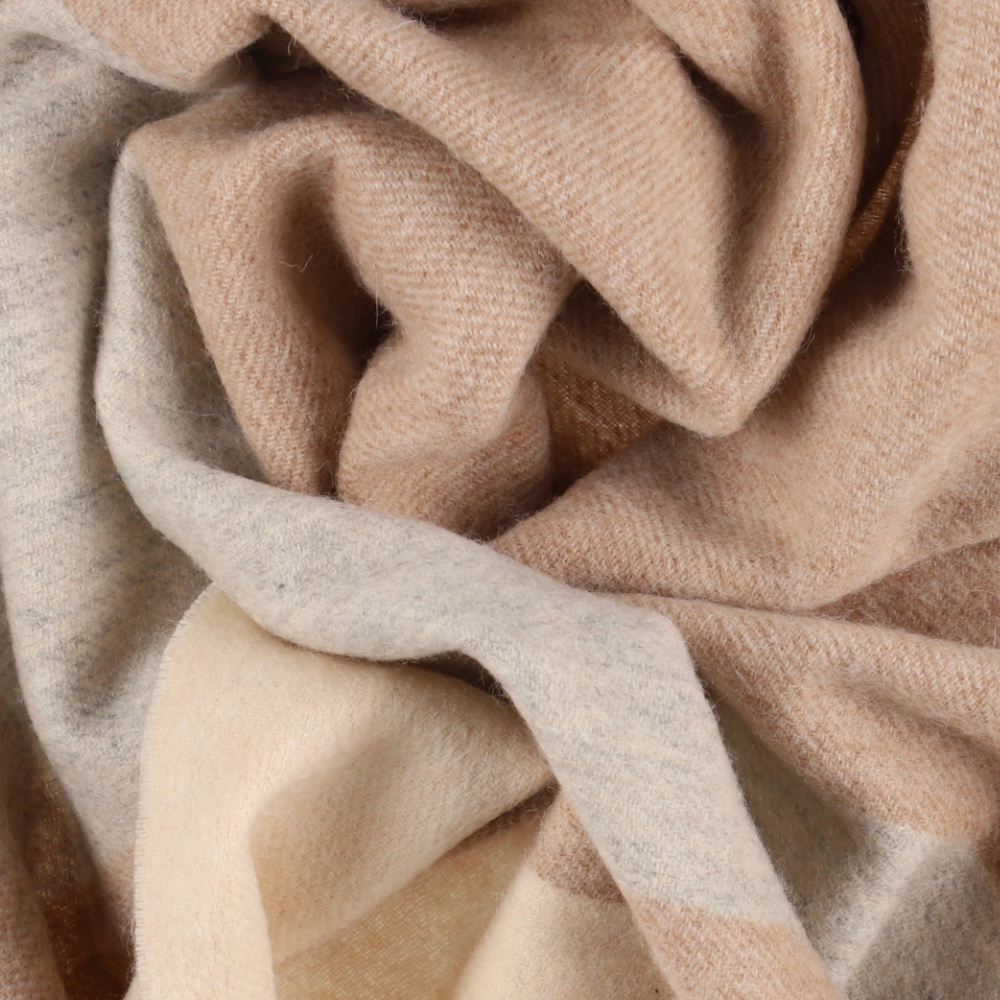
200×70 cm / 79×28 in
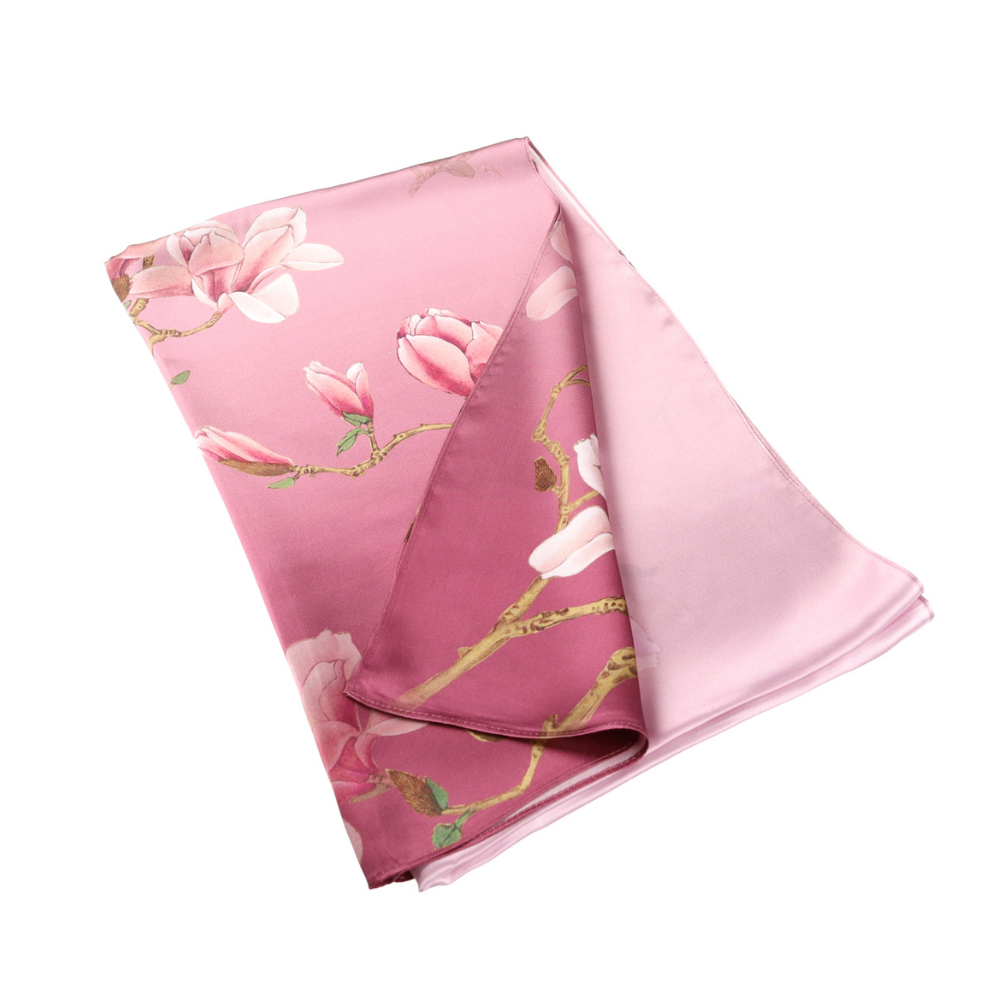
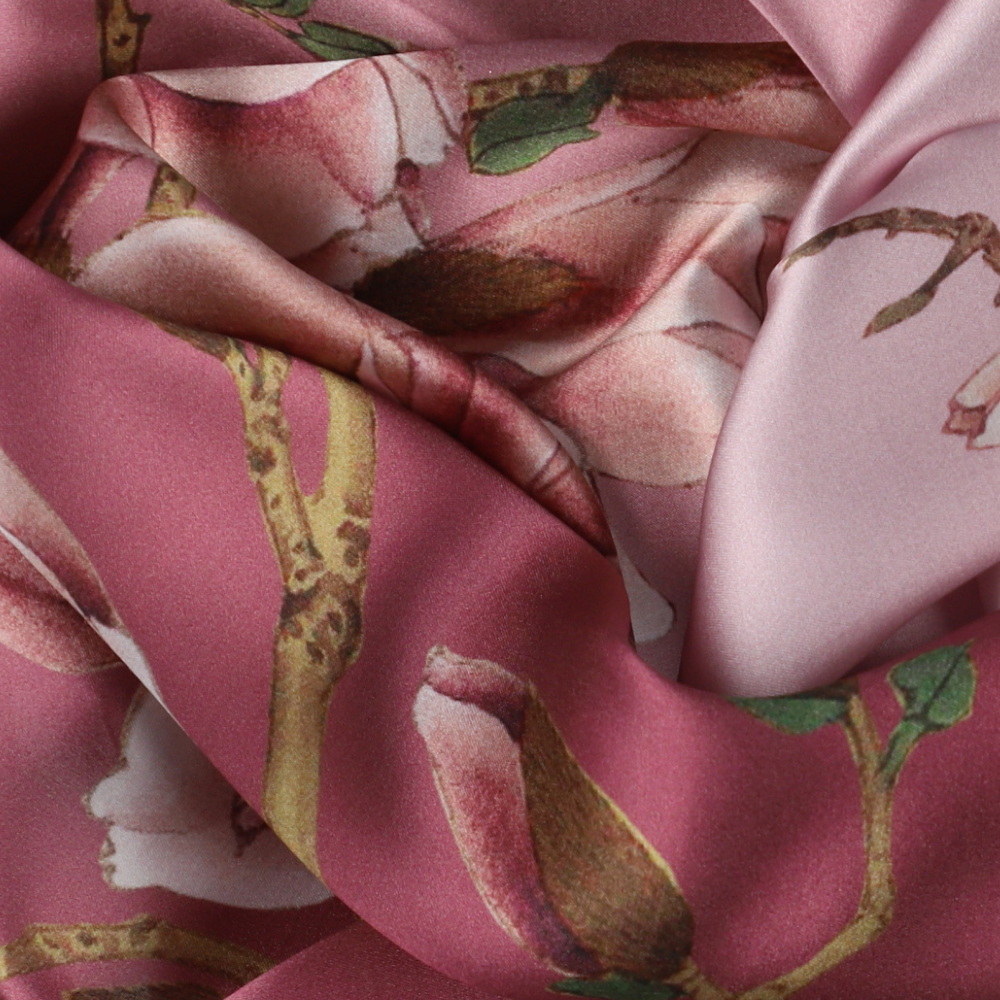
170×53 cm / 67×21 in
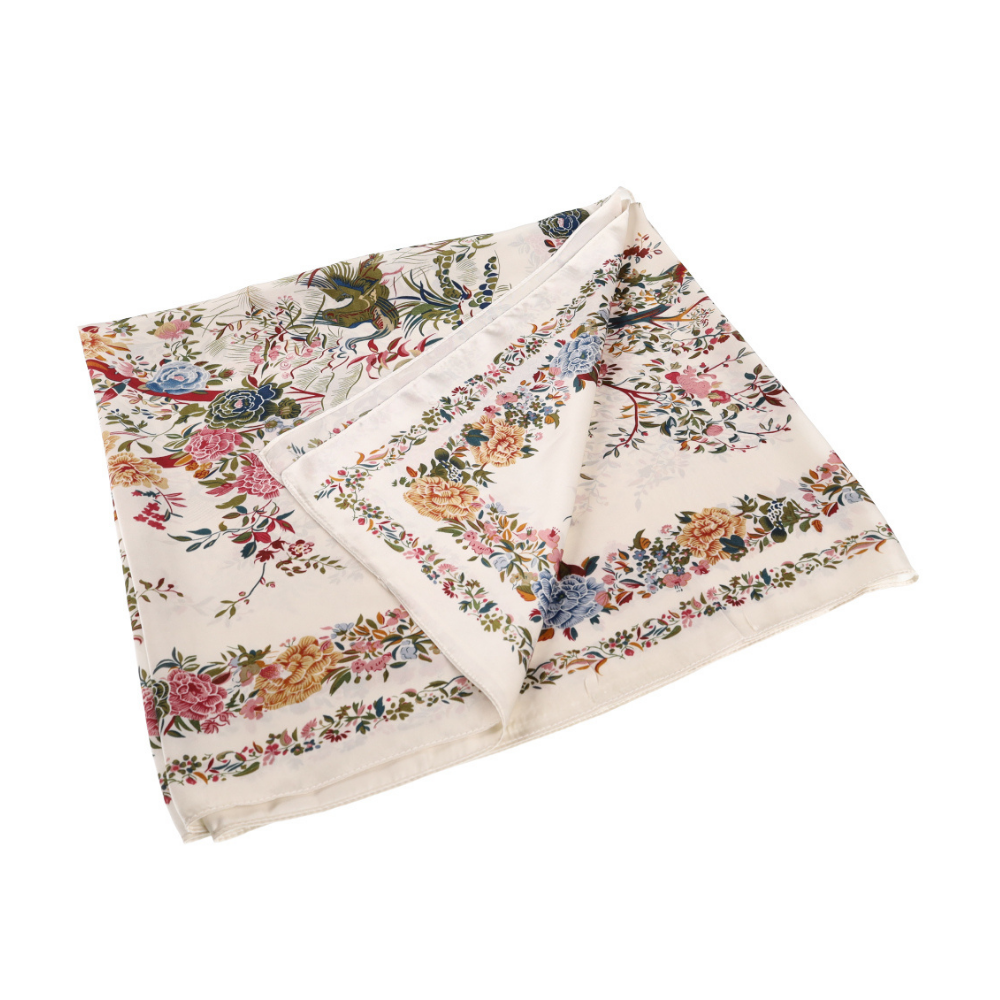
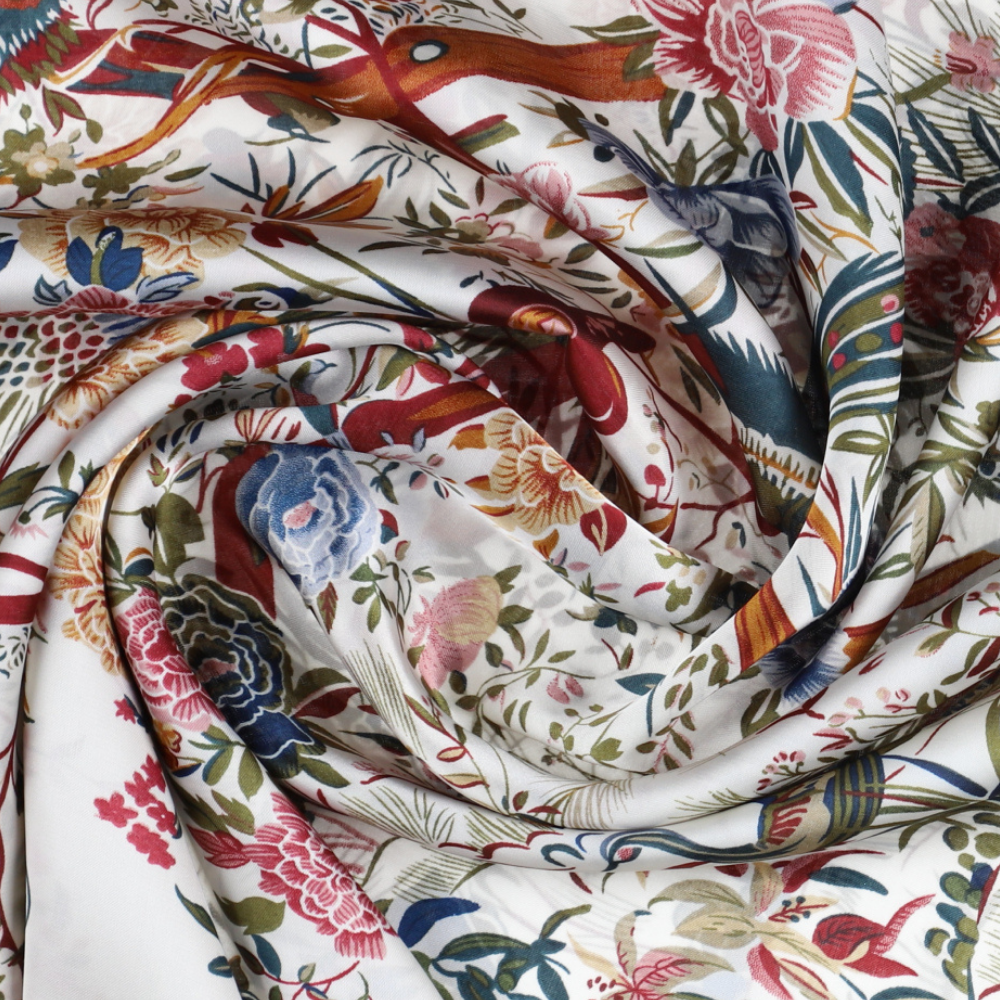
180×90 cm / 71×35 in
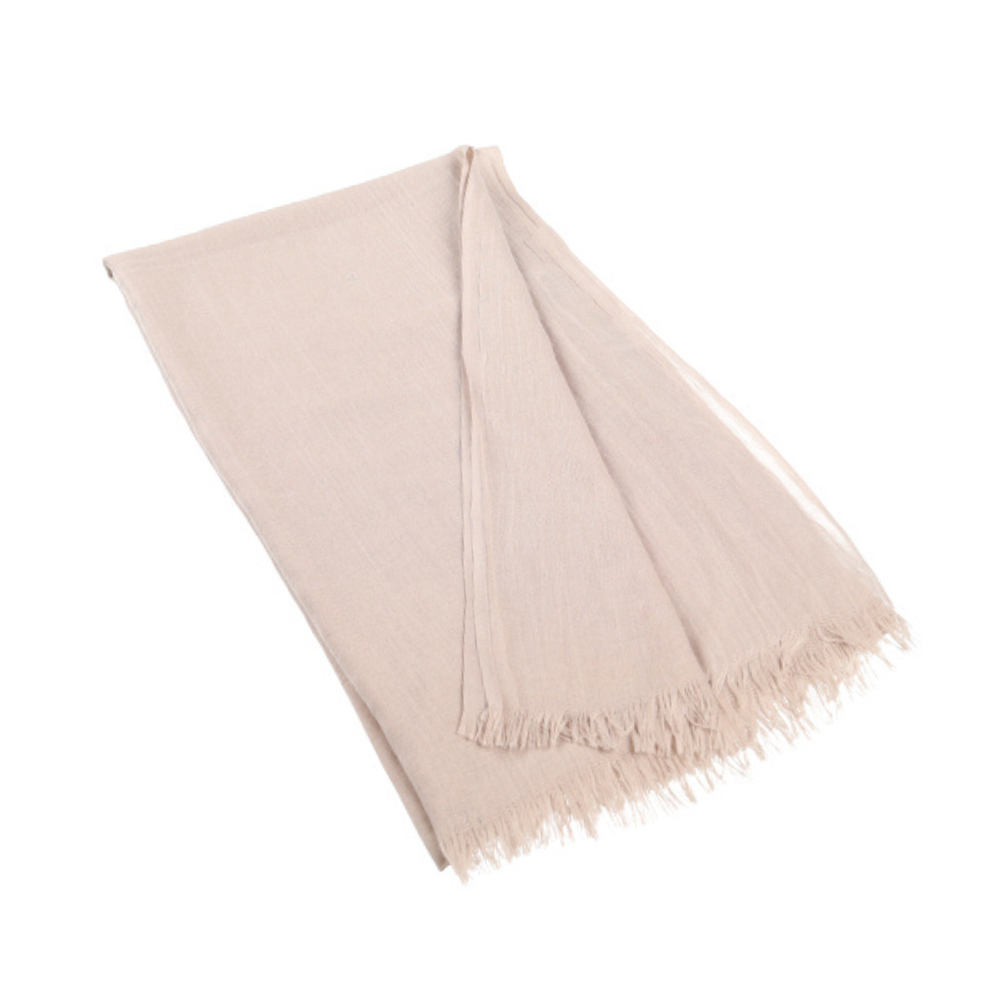
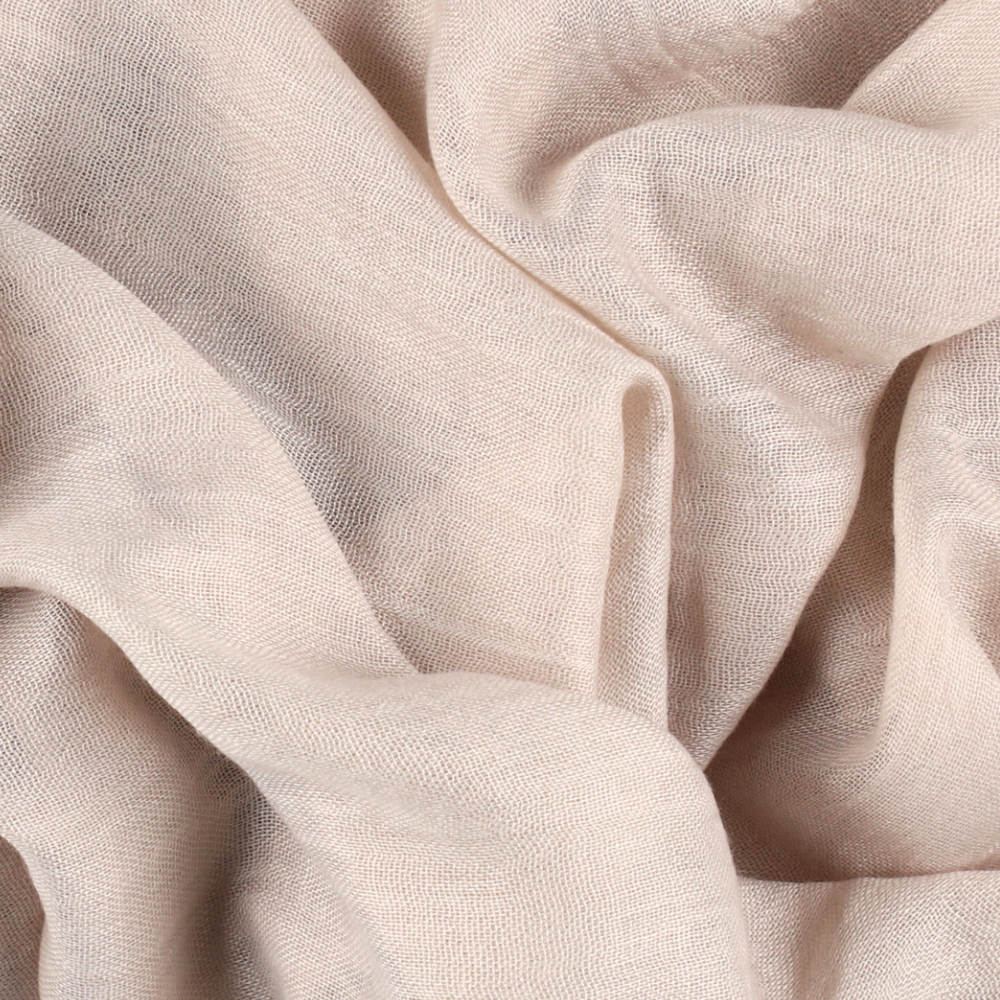
195×100 cm / 77×39 in
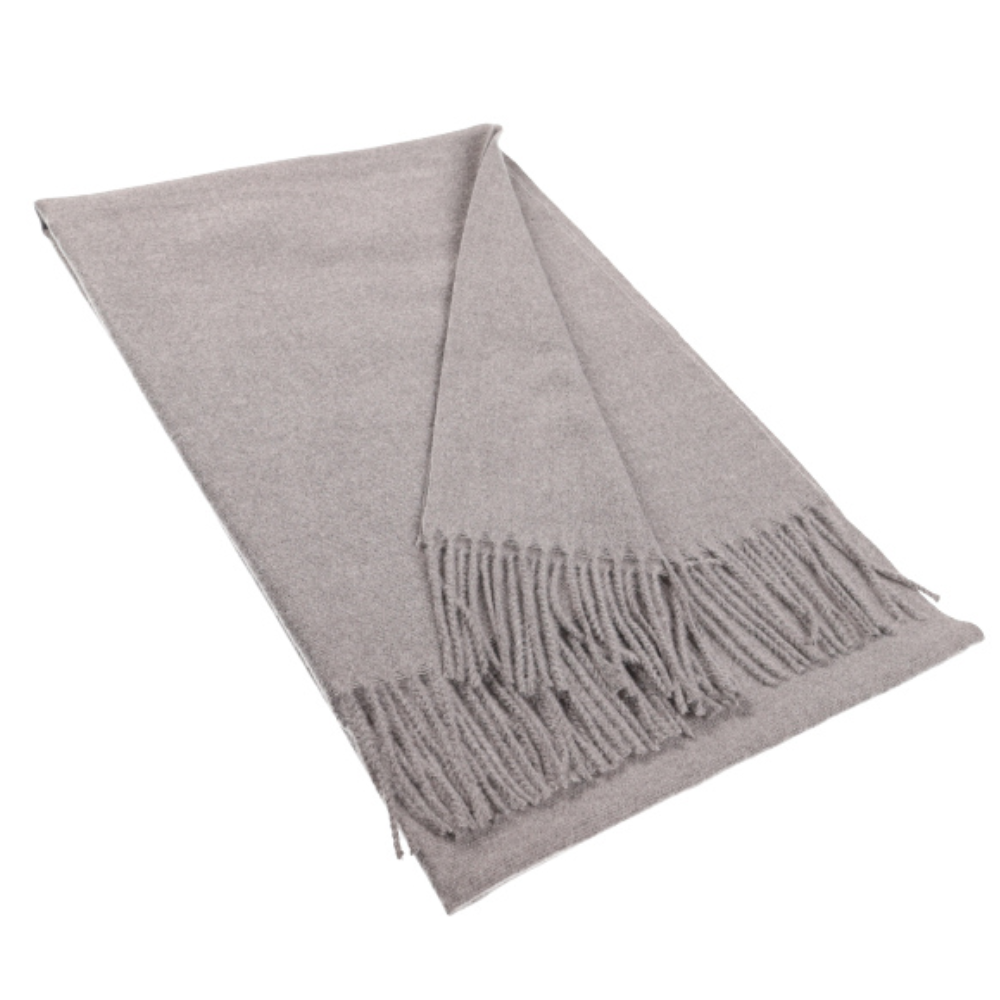
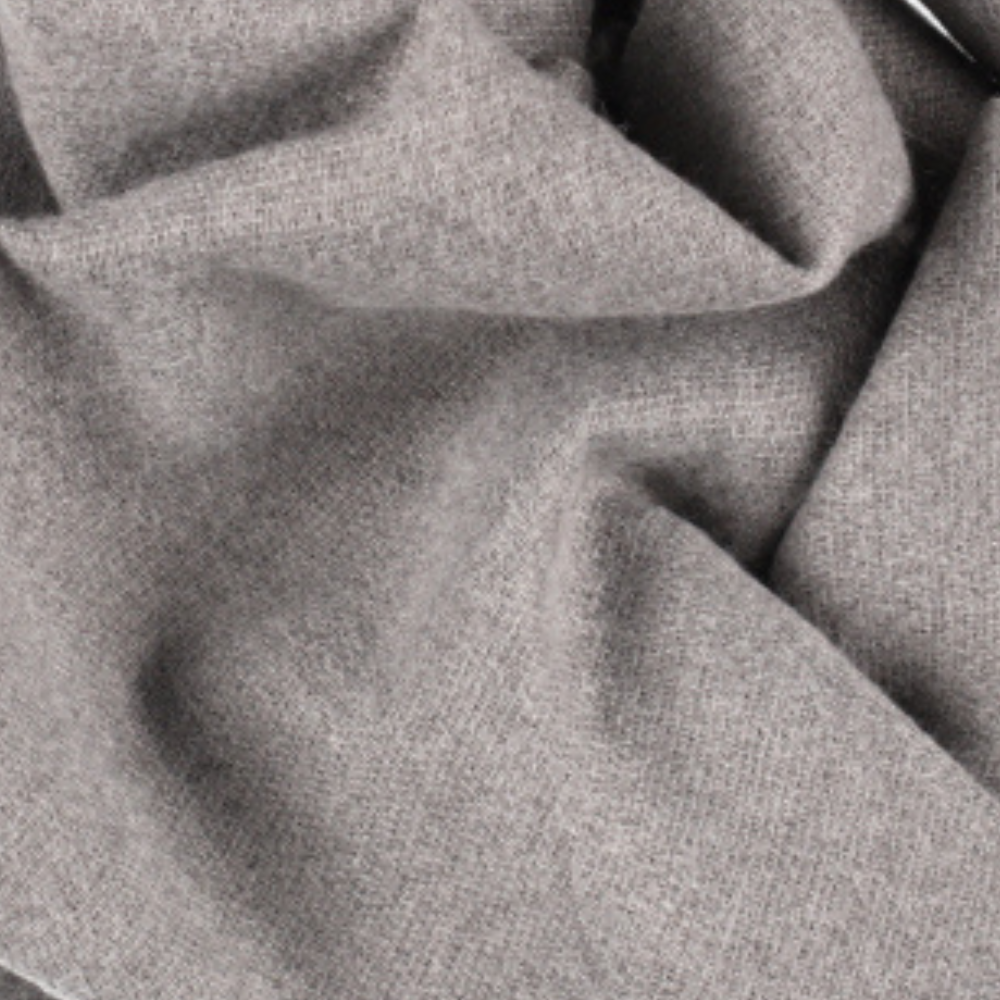
200×65 cm / 79×26 in
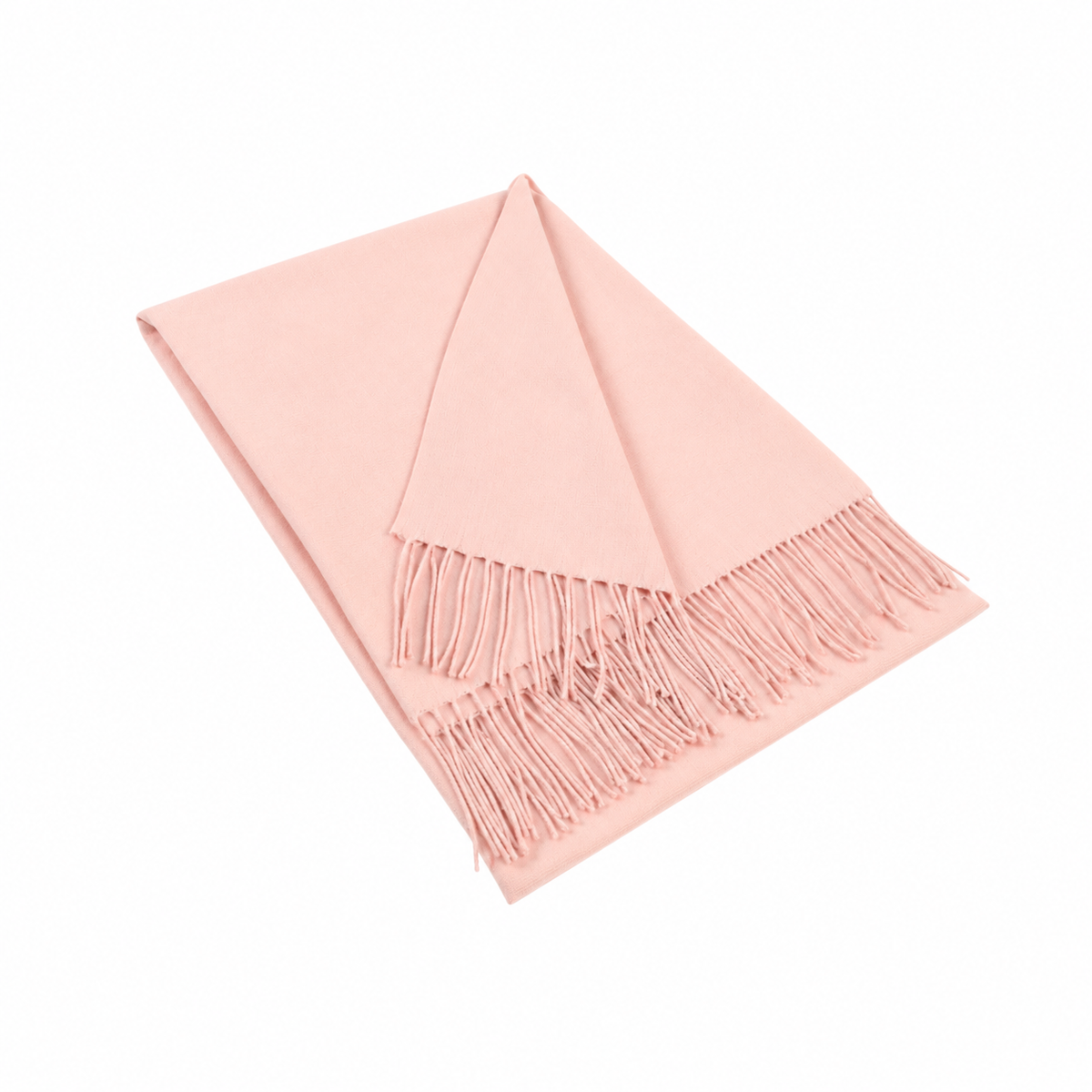
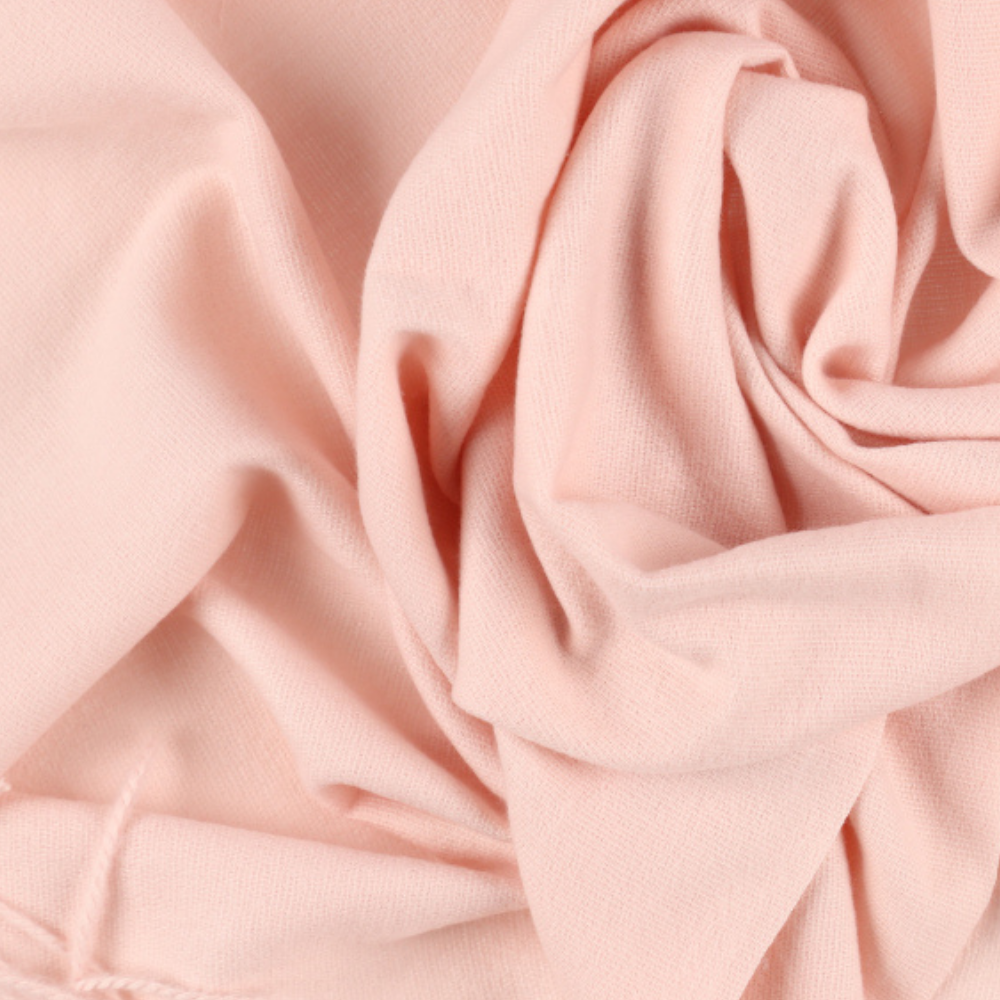
200×65 cm / 79×26 in
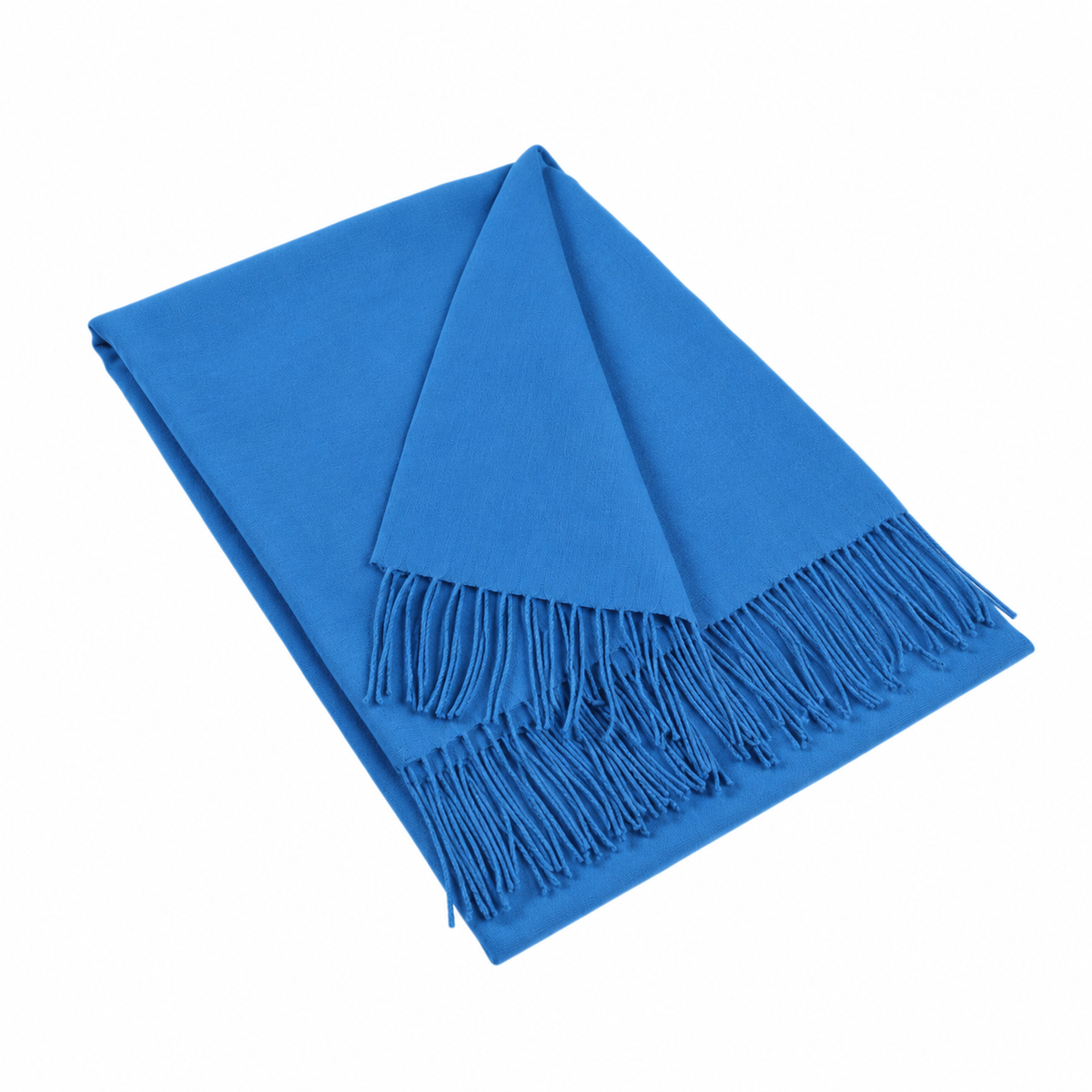
180×65 cm / 71×26 in
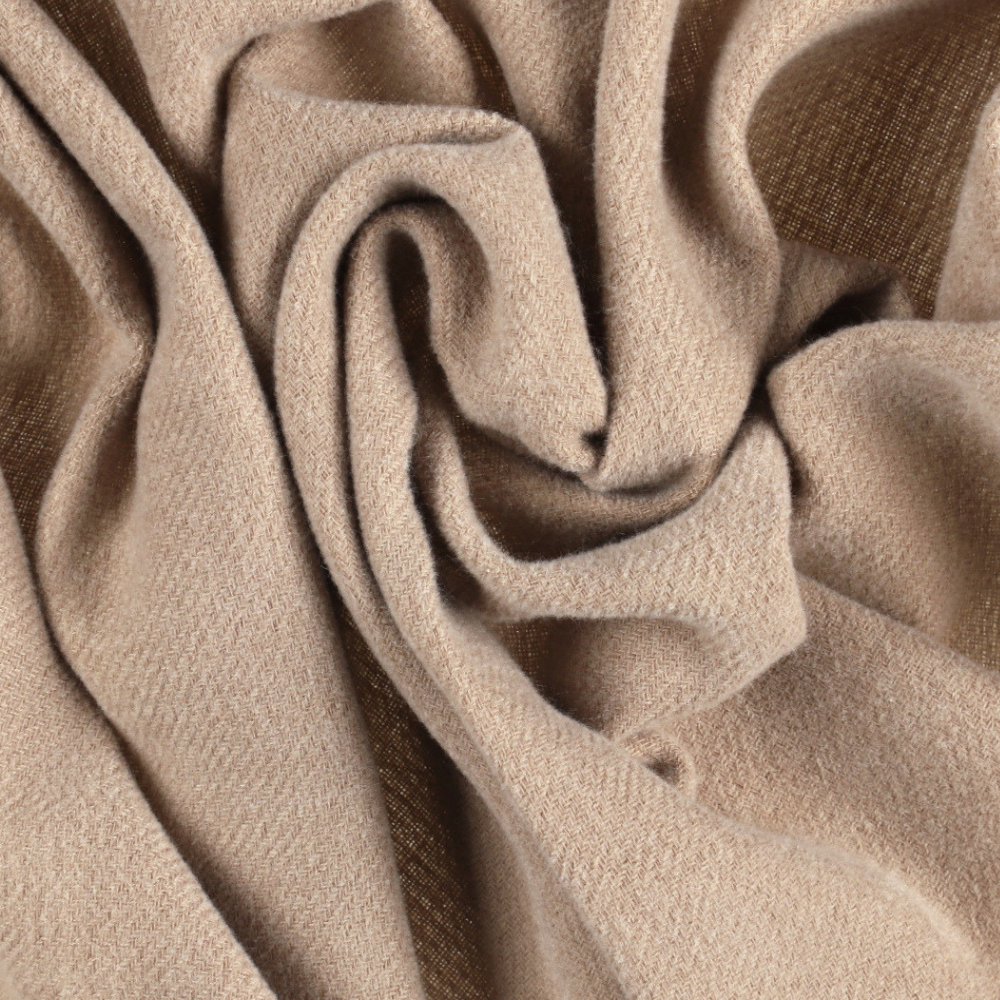
200×65 cm / 79×26 in
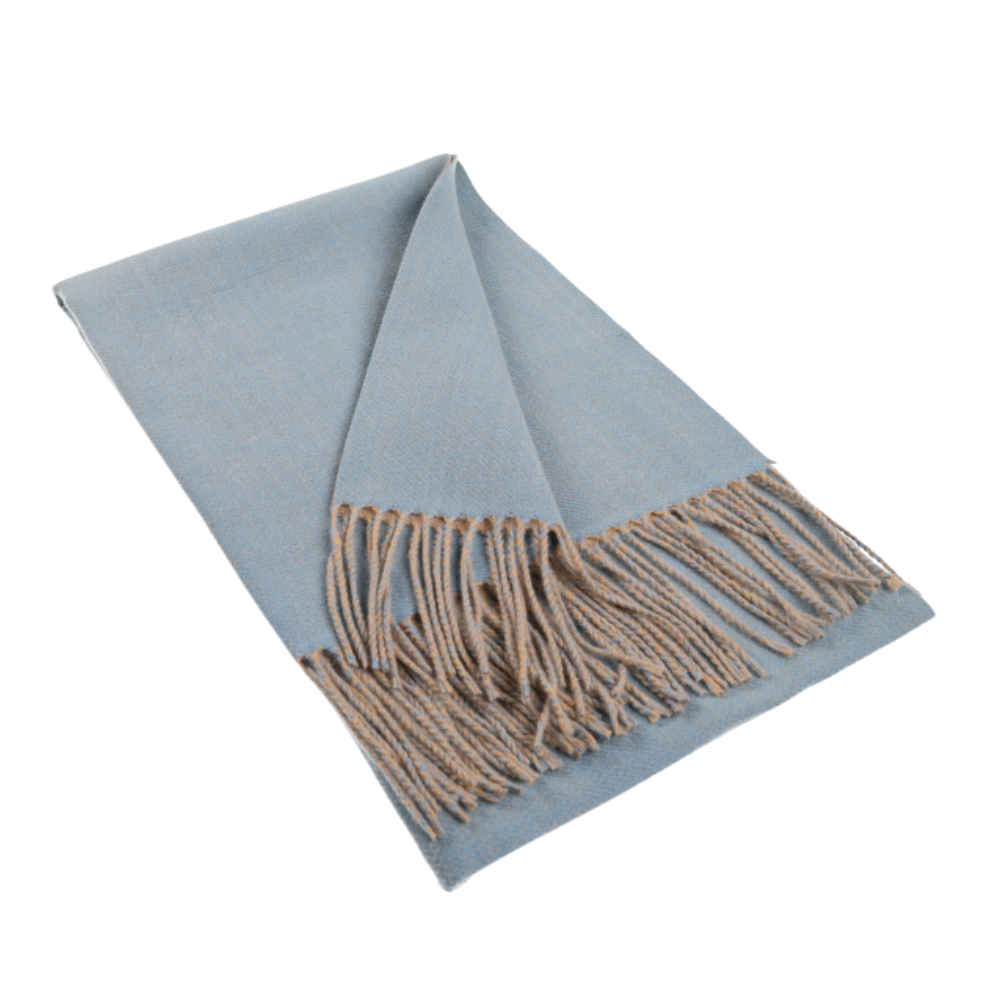
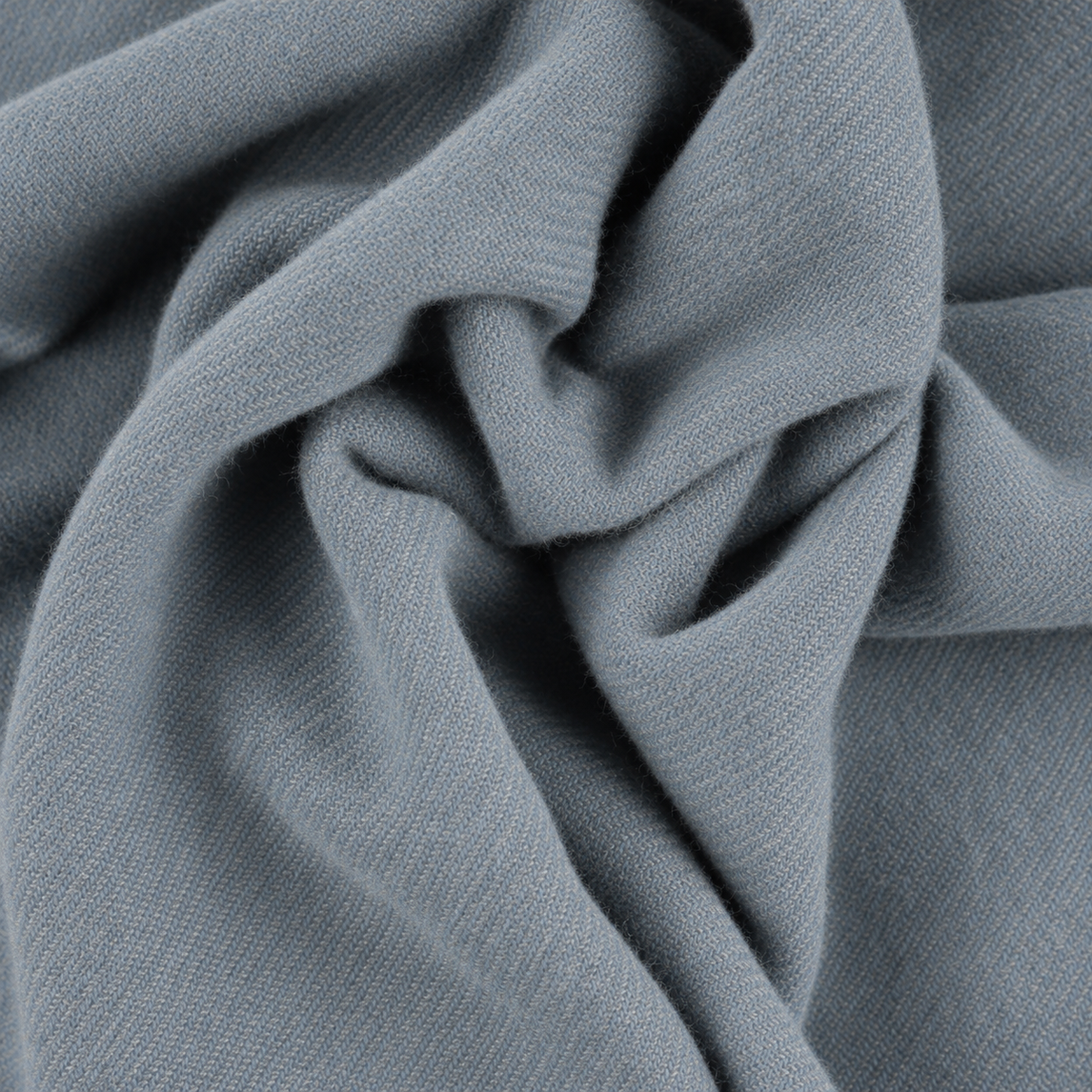
200×65 cm / 79×26 in
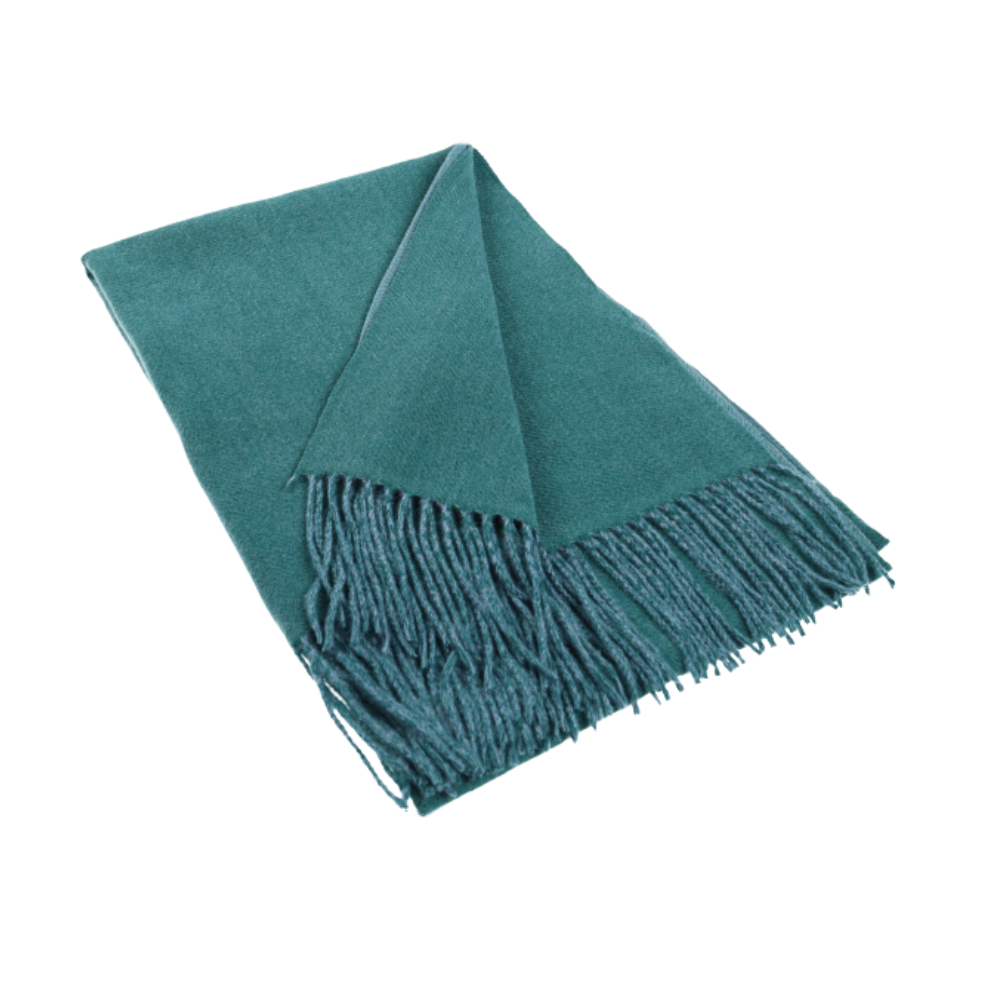
200×65 cm / 79×26 in


180×30 cm / 71×12 in


180×30 cm / 71×12 in


180×30 cm / 71×12 in


180×30 cm / 71×12 in


180×80 cm / 71×32 in
Scarf: how to choose and style women's scarves
What you'll find in our scarf collection
UniqueYou's scarf collection covers women's scarves for daily outfits, office wear and special occasions. Scarves can be worn around the neck, over the shoulders, or paired with outerwear to change the look of a coat or dress in seconds. The range includes lightweight silk scarves and viscose models, warmer wool scarves and cashmere blends, and decorative square scarves that double as accents on bags or in your hair. This guide will help you pick the right scarf by material, size and the way you plan to wear it.
Types of women's scarves
Scarves are categorized by their shape, style, and functional purpose. The collection breaks down into four groups: long winter scarves, lighter shawls and stoles, square scarves and bandanas, and silk or satin-finish models. Each type pairs differently with coats, jackets and simpler tops.
Long winter scarves
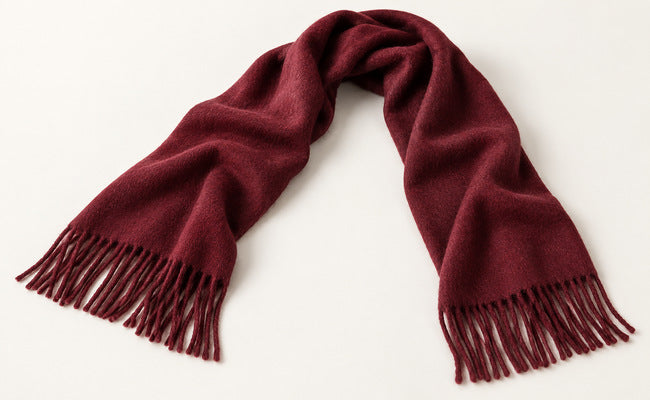
These are rectangular scarves built to wrap around your neck and tuck into or drape over a coat. Most measure around 180–200 cm in length, giving enough fabric for a full loop with ends that hang along the coat front. Long scarves are useful for wrapping around the neck multiple times for warmth, and they pair well with wool coats, padded jackets and parkas. If you want solid coverage across the neck and chest on cold days, this is the format to start with. Blanket scarves are used for layering in winter as they are made of cozy materials, and they fall into this broader category of longer, heavier wraps.
Light shawls and stoles
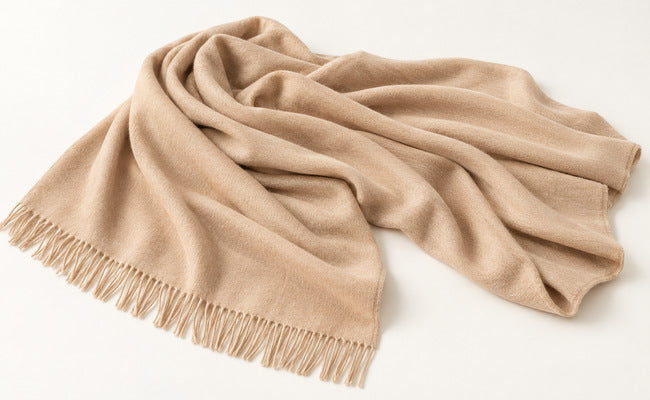
Wider and usually lighter than a standard scarf, a shawl or stole covers the shoulders or folds down to sit closer to the neck. Common dimensions are around 180 × 70 cm. A large scarf can be used as a shawl over shoulders, making this format ideal for dinners, theatre outings or office settings where you want a soft layer without full outerwear. Light shawls also work well over dresses and blazers when temperatures are mild but you still want a finishing touch. Large wraps can be used in various ways, such as a shawl or a travel blanket.
Square scarves and bandanas
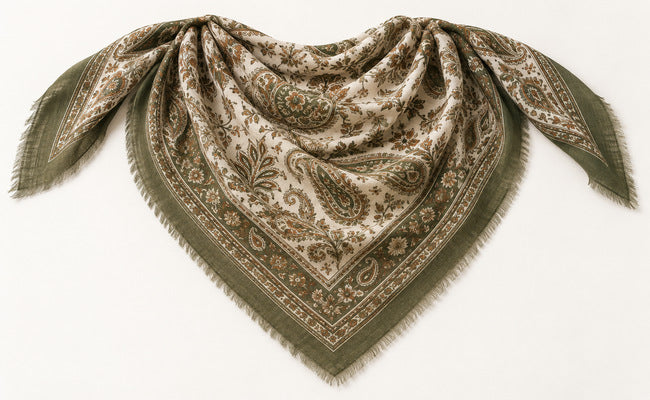
Square scarves come in several sizes: around 50–55 cm for a compact neckerchief, 70 × 70 cm for a mid-size option, and 90 × 90 cm for a classic format that shows more of the printed motif. Bandanas are small square pieces of fabric, often featuring vibrant patterns, and a bandana can be tied around the neck, head, or used as a face covering. Smaller squares add a colour accent to a shirt, T-shirt or blazer without bulk. Larger squares can be folded along the diagonal for a loose triangle at the chest. Some models also work tied on the handle of a handbag or as a simple headband, depending on the fabric weight and dimensions.
Silk and satin-finish scarves
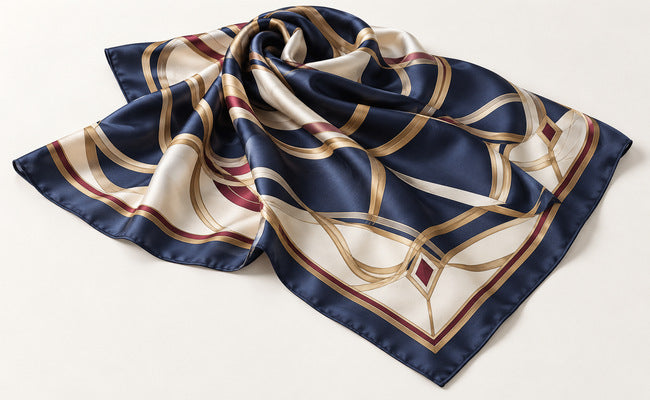
This group crosses both square and rectangular formats but is defined by the material: smooth, light fabrics with visible sheen. Silk neckerchiefs are versatile and can add a sophisticated touch to outfits, and silk scarves evoke vintage glamour and timeless style. These scarves are often patterned and chosen as the main accent to a plain shirt, blazer or evening dress. They take almost no space in a bag, making them easy to add mid-day when your outfit needs a lift. Silk scarves can also accentuate hairstyles and protect hair quality when tied loosely.
What to look for when choosing a scarf
Three features shape the fit: material, size and colour. Exact composition and dimensions differ between products, so checking the details in each product card saves guesswork.
Material and composition
The main materials across the collection include silk, wool, cashmere blends, viscose and synthetic fibres. Wool scarves provide warmth and lightweight comfort, while cashmere scarves provide warmth and softness in winter. Lighter fabrics such as silk and many viscose models suit warmer months and work as visual accents rather than insulation. Choosing scarves based on fabric helps with comfort and suitability for the season. Cotton scarves are versatile for summer and spring outfits, and cotton scarves add a fresh flourish to spring outfits. Fur scarves add luxury and texture while keeping warm during the coldest months. If warmth, softness or ease of care is a priority, check the composition line in the product description before ordering.
Size, shape and proportion
A long, narrow scarf sits differently from a wide shawl. More material means more volume around the neck and shoulders, which matters when you're wearing a coat with a high collar. Typical sizes in the collection follow standard scarf proportions: rectangular models around 180 × 70 cm, large squares at 90 × 90 cm, and smaller squares near 50 × 50 cm. Choose proportions based on the coat collar, the neckline of your top, and how close to the neck you prefer your scarf to sit. Skinny scarves (around 5–12 cm wide, 100–120 cm long) fill a different role: a scarf can transform handbag handles when tied creatively, or add a narrow accent at the wrist.
Colour and pattern
Repeating a shade from your coat or dress creates visual continuity; a contrasting colour introduces a focal point. Multi-colour prints become easier to match when you pick just one tone from the pattern and echo it elsewhere in the outfit (belt, bag, shoes). Neutral scarves in beige, grey or navy pair with several coats without clashing. Wool scarves are lightweight and warm with vibrant patterns, so bolder prints work well when the rest of the outfit stays calm. Seasonal scarves can enhance outfits during colder months, especially when the print or colour picks up a seasonal palette.
Season and thickness
Lighter models in silk, viscose or fine cotton suit spring and summer. Denser weaves in wool or cashmere blends belong to autumn and winter. Thickness determines how much space the scarf takes under a coat collar and how warm the neck area feels. Cashmere scarves are ideal for cooler weather, while silk scarves can be layered for added warmth in winter when paired with a coat. Photos on the model, where available, help you judge the volume and draping before purchasing.
How to choose the right scarf for your outfit
This section turns the features above into criteria you can apply while scrolling the collection.
Match the scarf to your coat or jacket
Long, warmer scarves work best with autumn and winter coats, especially those with higher collars that frame the fabric. Calmer colours (camel, grey, black) suit coats you wear daily, while a patterned or brighter scarf can change the mood of the same outerwear from one day to the next. Before choosing, button your coat fully and check how much space sits around your neck; that tells you whether a compact knot or a fuller wrap will be more comfortable. Wrap a scarf around your neck for a timeless accessory that stays relevant across seasons. Snoods and neck gaiters provide practical coverage against cold and wind when you need hands-free warmth, and the infinity scarf is a loop that requires no tying and stays securely in place.
Choose a scarf for shirts, blazers and dresses
Square scarves fold along the diagonal into a triangle that tucks under a shirt collar or sits over a slightly opened neckline. A smaller square gives a neat, contained knot; a larger 90 × 90 cm square shows more of the print between blazer lapels. Light shawls draped over the shoulders add a layer to simple dresses during dinners, celebrations or office events. Scarves can serve both functional purposes and purely aesthetic ones, and choosing the right scarf may depend on weather, occasion, and fabric comfort. Smoother materials (silk or satin-finish) sit flat under a blazer collar without bunching.
Think about everyday comfort
Consider how often and where you'll wear the scarf. A daily commute calls for a material and size you can throw on quickly and wear comfortably for hours. Weekend walks or occasional evenings out leave room for something more stylish but potentially less practical. Building a small rotation helps: at least one neutral scarf that fits several coats, and one more expressive model for when you want a stronger accent. Infinity scarves offer effortless styling as they are pre-looped and easy to wear, making them a low-effort option for busy mornings. Neck gaiters are tube-shaped accessories made of stretchy performance fabrics, useful for outdoor activities where a traditional scarf might slip.
Frequently asked questions about scarves
Below are answers to common questions about choosing and wearing women's scarves from the UniqueYou collection.
Which scarf should I choose for a wool coat?
Long, warmer scarves and wider shawls work best because they can be wrapped around the neck and still fall along the coat front. Neutrals like beige, grey or navy pair with classic coats without competing for attention. If your coat is plain and in a calm colour, a patterned scarf adds visual interest. Check the scarf's length and width in the product description to confirm how it will sit at the neckline.
What size scarf works with a blazer or office shirt?
Medium square scarves (around 70 × 70 cm or 90 × 90 cm) and lighter rectangular shawls are easiest to arrange with a blazer. A smaller square, folded into a narrow band, gives a compact knot near the neck. A larger square shows more print between the lapels. Smoother materials keep the fabric from bunching under the collar.
Can I wear the same scarf in winter and in warmer seasons?
Some scarves, especially mid-weight models, work year round. Dense winter weaves will feel too warm indoors in summer. Lighter scarves and squares serve as accessories in spring and summer: with dresses, shirts, or as accents on a handbag. Building a small set helps; at least one scarf for colder months and one or two lighter models for the rest of the year. Fur scarves add luxury and warmth in winter styles, but belong strictly to the cold-weather end of the rotation.
How do I care for my scarf so it keeps its shape?
Care depends on the material. Some scarves can be gently hand-washed at up to 30 °C; others need dry cleaning. Always follow the care symbols on the label. For wool and cashmere, use a dedicated detergent, avoid wringing, and dry flat rather than hanging. Silk benefits from cold-water hand washing with mild soap; iron on the reverse side at low heat. Store scarves folded or gently rolled rather than tightly tied, to avoid permanent creases. Keep lighter, smooth scarves away from sharp jewellery or zippers that could pull threads.
Explore women's scarves at UniqueYou
Start by deciding what you need: a warm winter scarf for daily coats, a light shawl for dresses and evenings out, or a square scarf to add a colour accent to shirts and blazers. Then narrow by material, size and colour. Browse the collection and compare a few models directly with the coat, blazer or dress you have in mind.
FINEST MATERIALS
Softness, comfort and attention to detail.

Express Delivery
Within 24 hours by courier to your home or a pickup point.
EASY RETURNS
Shop with confidence, with the option to return.
SECURE PAYMENTS
Choose your preferred payment method.