
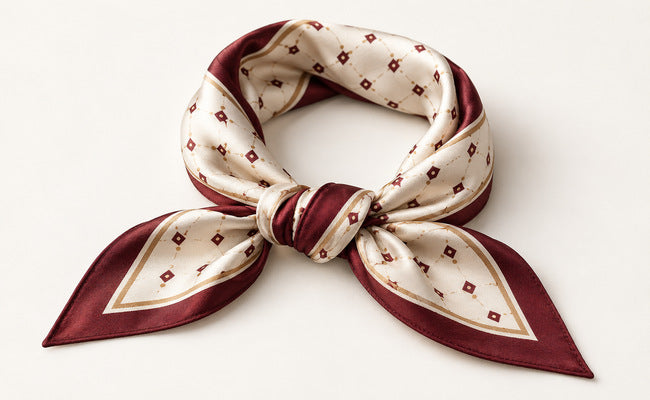

White shawls
White shawl – how to choose and style a timeless classic
White shawls at UniqueYou – what you'll find here
This category gathers all white shawls and wraps available at UniqueYou – from light, decorative stoles to warmer, denser models designed for cooler days. "White shawl" here covers elegant women's shawls in pure white as well as off-white tones such as ivory and ecru, suitable for both everyday wear and special occasions. Whether you need a refined cover-up for a wedding dress, a flowing accent over an evening gown or a cosy layer to pair with your favourite coat, you'll find options in different materials and thicknesses – and the detailed composition is always listed in the individual product card.
Types of white shawls
Choosing between types of white shawls comes down to three things: material, thickness and how you plan to wear it. Below are the main groups you'll typically find in the UniqueYou offer.
Light white evening shawls and stoles
These are thin, flowing white shawls designed mainly for evening outfits. Silk and chiffon are ideal for formal occasions due to their lightweight and elegant feel, while soft viscose and fine synthetic blends offer a similar drape at a more accessible price point. They work as a discreet cover for shoulders with cocktail dresses, wedding guest dresses and simple slip dresses. Sizes include shawls at 180 × 70 cm – narrow and long enough to drape beautifully without adding bulk to a fitted silhouette.
White bridal and ceremony shawls
This sub-type is aimed at brides and women looking for a white shawl for formal church or civil ceremonies, communions, christenings and other family events. White shawls are available in various styles for weddings: depending on the model, the effect can be more classic – a smooth, satin-like surface – or romantic, with lace motifs, subtle transparencies and decorative edges. Satin offers a luxurious feel and is typically used for evening or formal wear, making it a popular choice for bridal wraps. When it comes to tone, think of your gown first: pure white to match a snow-white dress, warm ivory or ecru for cream and champagne dresses.
Warm white winter shawls
Thicker white shawls are intended to wear with coats and jackets during colder months. Heavy fabrics like cashmere are chosen for winter events for their warmth and elegance, while wool shawls provide warmth and durability for daily commutes and weekend outings. These models give more coverage around the neck and shoulders and can sometimes replace a light scarf. Think of them wrapped close to the neck with a wool coat, or loosely thrown over shoulders with a quilted jacket.
Patterned and textured white shawls
Some white shawls in the category are not completely smooth: they may have a jacquard texture, subtle geometric patterns, openwork weave or delicate fringes. White Orenburg shawls, for example, are hand-knit and feature intricate lace designs that showcase exceptional craftsmanship. Pattern or structure is usually kept tone-on-tone (white on white, ecru on ecru), so the shawl remains neutral but visually interesting. These models are a great choice when you want "something more" than a plain surface but still need an accessory that goes with many colours.
What to look for in a white shawl
Beyond colour, three things make the biggest difference: material, dimensions and the exact shade of white. Each section below gives concrete, practical pointers to help you find the right model.
Material and feel on the skin
Good quality fabric can significantly affect the drape and appearance of a shawl. Shawls can be made from silk, cashmere, or wool – each with a distinct character. Silk shawls are known for their softness and sheen, cashmere shawls are lightweight yet warm, and UniqueYou offers shawls in synthetic and blended materials that combine easy care with attractive drape. Breathable fabrics like cotton and linen are suitable for casual wear and summer outfits, while denser weaves earn their place on cool evenings. Features like texture and weight impact the choice of fabric for different occasions, so always check the composition in the product card instead of assuming all white shawls feel the same.
Size and proportions
Approximate dimensions like 180 × 70 cm translate to comfortable coverage over both shoulders with enough length to let the ends hang elegantly. A longer, narrow shawl can be wrapped several times around the neck; a wider model (100 cm and above) covers upper arms and back more fully, which is helpful over strapless dresses. A classic rectangular white shawl is versatile for formal events and can be styled in various ways. Compare the listed size with photos on the model to imagine how the shawl will sit with your coats or dresses – and remember that scarves at 90 × 90 cm serve a different purpose from a full-size wrap.
Shade of white and opacity
"White shawl" can mean pure white, broken white, ivory or ecru. Choosing the right shade of white can enhance the overall look of an outfit: cool, bright whites pair naturally with crisp shirts and snow-white wedding dresses, while warmer whites complement beige coats, cream sweaters and champagne gowns. The opacity of the shawl affects its suitability for both coverage and layering with outfits – semi-transparent shawls are decorative and show the dress underneath, while more opaque ones give visual coverage and extra warmth.
Edges, fringes and decorative details
Finishing touches – narrow hems, wider borders, fringes or lace edges – change the character of a white shawl from minimalist to more ornamental. Smooth edges work well in simple, modern outfits (think blazer and trousers), while decorative borders suit occasion dresses and evening looks. Brooches can be used to secure shawls, adding style and customizability to outfits – a small detail that opens up new ideas for draping and shaping your wrap. Check close-up photos for these details instead of assuming all white shawls are identical.
How to choose the right white shawl
Selecting a white shawl should consider the occasion, fabric texture, and outfit match. Once you know where and how you'll wear it, the choice narrows quickly. Different styles of a white shawl include classic drape and belted wrap, so think about which silhouette suits your look.
Occasion and dress code - formal events (a wedding, gala or religious ceremony) usually call for more refined, delicate white shawls in silk, satin or lace, while everyday wear and travel work better with practical, slightly thicker models that handle light rain or a crowded train.
Outfit and neckline - broader shawls suit strapless or sleeveless dresses because they cover the upper arms; lighter, narrower stoles pair well with blouses, shirts and V-neck sweaters. Shawls can be worn around the neck or shoulders depending on the neckline you want to frame.
Season and outerwear - for winter coats and quilted jackets, a warmer and more substantial shawl makes sense; for summer evenings or air-conditioned interiors, a light, flowing shawl is enough. A white shawl can be styled in various ways depending on the event and the season.
Preferred effect - think about whether you want the shawl to blend with your outfit (tone-on-tone white with white) or create a soft accent on darker clothes. White shawls can complement various colors in outfits such as black and navy, making them one of the most versatile accessories you can own. Wraps or shawls can add an accent to both casual and formal styles depending on their design.
Frequently asked questions about white shawls
Below are answers to the most common doubts about wearing, caring for and matching a white shawl. Where relevant, the variety of models at UniqueYou means there's likely a shawl that fits the scenario described.
Which white shawl should I choose for a wedding dress?
Match the tone first: a pure white shawl for a snow-white gown, ivory or ecru for warmer dress shades. For a church or formal ceremony where more coverage matters, a wider, more opaque model in satin or lined lace works best. For evening dancing, a lighter, decorative wrap in chiffon or sheer lace adds romance without restricting movement. Sizes around 180 × 70 cm are usually sufficient for a fitted wedding gown; if you want full arm coverage, look for a wider model. Prices for white shawls range from $8.49 to $97.71, so there are options at every budget.
Can I wear a white shawl every day, not just for special occasions?
Absolutely. A white shawl pairs easily with jeans, simple tops, blazers and trench coats as a neutral accessory. Get inspired by layering a textured white wrap over a denim jacket or knotting a narrower stole at the collar of a camel coat. For daily use, choose slightly thicker or textured models – they're easier to style and maintain than very fine, evening-only shawls.
How do I keep a white shawl looking clean and fresh?
Always check the care label listed in the product card: silk and lace may need gentle hand-washing or dry cleaning, while blended fabrics are often machine-washable on a delicate cycle. Store the shawl away from coloured items that might transfer dye, and keep it folded with tissue rather than tightly rolled. Practical habits help too: avoid spraying perfume directly on the fabric, and let makeup and hair products dry fully before putting the shawl on.
Will a white shawl suit a beige or coloured coat?
Yes. White shawls can brighten darker coats – navy, black, bottle green – and create a soft, tonal effect with beige, taupe and camel. Compare the shade of white to your coat in daylight: cool white with cool-toned coats, warmer ecru with sandy and caramel shades. The contrast (or harmony) is what makes the look feel intentional.
Discover your white shawl at UniqueYou
A white shawl can be a discreet everyday accessory or a key element of an occasion outfit – often both, depending on the model. Browse the collection, pay attention to material, size and shade, and start by thinking of the dress, coat or blouse you want to complement. With the right match, you'll find that one well-chosen white shawl quietly works with almost everything in your wardrobe. Shipping details and stock availability are listed on each product page.
FINEST MATERIALS
Softness, comfort and attention to detail.

Express Delivery
Within 24 hours by courier to your home or a pickup point.
EASY RETURNS
Shop with confidence, with the option to return.

SECURE PAYMENTS
Choose your preferred payment method.