
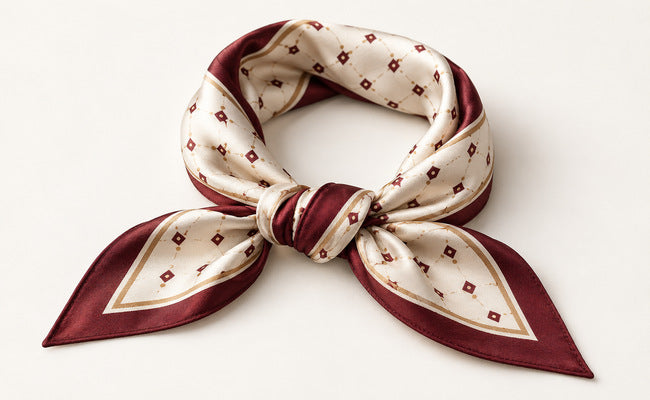

Shawls for the shoulders
Shoulder shawl – how to choose and style a shawl that sits beautifully on your shoulders
What is a shoulder shawl and when to wear it
A shoulder shawl is a shawl designed to rest primarily on your shoulders and upper back - serving as a light cover or an elegant accent rather than a thick winter scarf. Shoulder shawls can elevate an outfit while providing warmth, making them one of the most versatile pieces among women shawls. In the UniqueYou collection, you'll find both rectangular and triangular shawls sized to drape over your shoulders without overwhelming the figure.
Typical occasions range widely: over evening dresses for a formal night out, to soften a blazer at work, as a light layer over a top and jeans, or as a finishing touch at a party. Shawls can be worn around the shoulders or neck, so a single piece adapts to the moment. The sections below will help you quickly decide which shoulder shawl fits your style, season and outfits.
Types of shoulder shawl
The range of shoulder shawls breaks down into a few distinct styles, each suited to different settings and wardrobes. Here's a quick map of the main categories and what each does best.
Light evening shoulder shawl
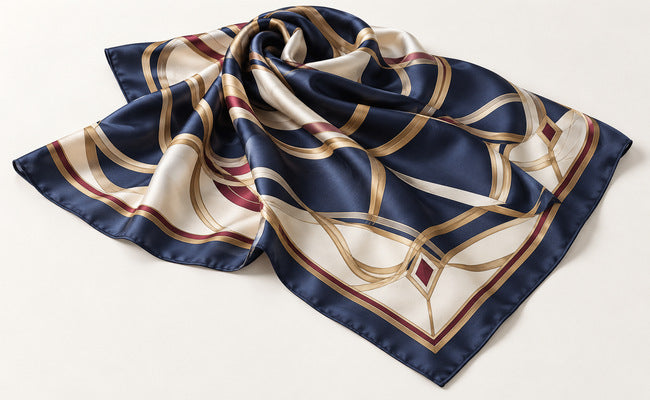
These are sheer or semi-sheer shawls - think chiffon, organza or fine viscose - that only lightly cover the shoulders. Chiffon shawls offer lightweight coverage for warm-weather weddings and events, while silk and satin wraps add glamour and drape cleanly without bulk. Evening shawls are ideal for formal occasions such as cocktail receptions, weddings and New Year's Eve celebrations. A width of roughly 50–70 cm frames the neckline beautifully without hiding the dress completely. Many evening shawls are available under €50, making them an accessible way to finish a look.
Warm knit shoulder shawl
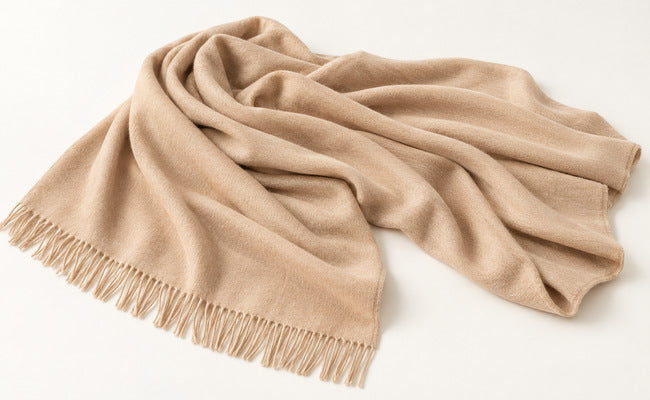
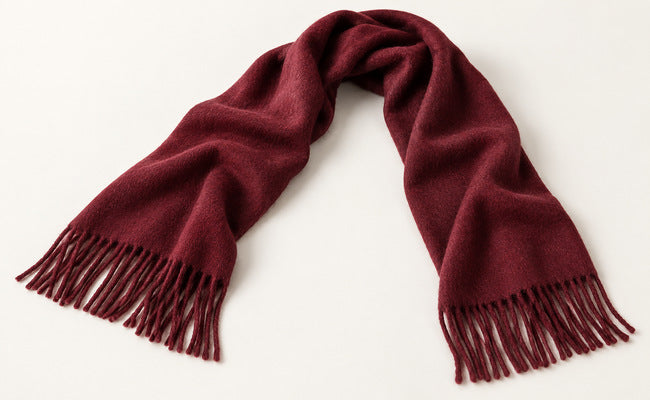
Thicker knit or woven shawls let you wrap once around the shoulders on cooler days. Materials for shawls in this category include cashmere and wool, both of which insulate without excessive weight. Pashmina shawls are thick, soft, and warm, ideal for winter events - and pashmina shawls combine elegance and warmth for formal occasions just as well as casual ones. Models come rectangular or triangular; triangle variants naturally settle over the upper back with a point that adds visual interest. Pair them with autumn coats, wool cardigans, casual dresses or jeans outfits.
Lace and decorative shoulder shawl
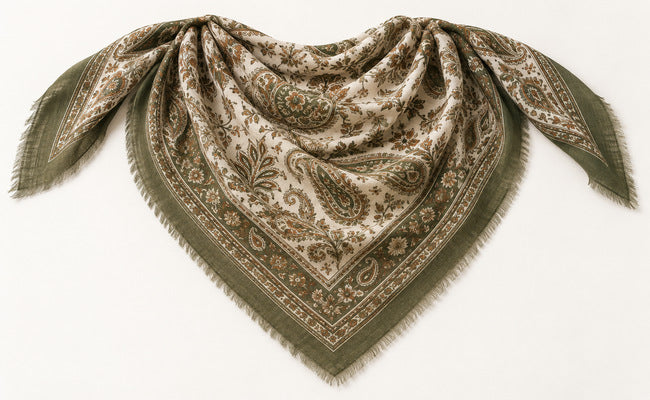
Lace, embroidered or jacquard shawls put pattern and edging at the centre of the design. Lace shawls create a romantic finish and are great for weddings, while lace stoles can add texture to simple gowns. Embellished shawls can transform simple dresses into striking evening wear, and sequin wraps feature metallic threads to catch evening light and enhance dresses. These styles suit formal events - wedding guest duties, a gala, the theatre - and minimal outfits that let the shawl stand out. Try one as a statement accent over a simple shirt or monochrome knit.
Large wrap‑style shoulder shawl
Generously sized shawls can work both as classic wraps and as shoulder shawls when folded lengthwise into a broad strip that covers upper arms and back. This makes them practical over sleeveless dresses, under coats, as a travel throw, or as an office layer - one accessory for several uses. Common shawl sizes include 180 × 70 cm and 90 × 90 cm; the larger rectangle, once folded, provides substantial coverage while remaining elegant. Choose neutral tones if you want maximum styling flexibility.
What to look for in a shoulder shawl
A shoulder shawl should match both your wardrobe and the context - season, dress code, level of coverage you want. Four factors matter most: dimensions, fabric, colour and pattern, and edging details.
Dimensions and shape
Standard formal shawls measure roughly 28 to 36 inches wide by 70 to 80 inches long, which translates to approximately 70–90 cm × 180–200 cm. A shawl around 180 × 70 cm covers the back and upper arms comfortably; smaller formats sit closer to the neckline.
Rectangular shawls give a smooth, minimalist drape that works both folded and open. Triangular shawls create a natural point at the back - flattering with open-back dresses.
Always check the size on the product card rather than guessing from photos; comparing measurements against a shawl you already own gives the most accurate picture.
Fabric and season
Lighter fabrics - silk, chiffon, fine viscose - suit spring and summer or heated interiors. Silk wraps are lightweight and sheer, suitable for spring and summer formal events. Chiffon wraps are sheer and work well for warm-weather events.
Denser weaves, knits, velvet and faux fur serve autumn and winter. Velvet shawls provide a plush feel, suitable for winter formal events, while faux fur stoles are dramatic and luxurious for winter weddings and galas.
Match fabric to outfit: a sleek satin wrap with a satin dress, a softer weave with knitwear or textured jackets. Choosing a shawl involves matching fabric weight to the climate and dress fabric. Exact composition and thickness vary by model, so check individual product pages for full details.
Colour: accent or soft background
Two main strategies work well. Repeating a colour from your dress or coat creates a calm, harmonious effect. Choosing a contrasting colour turns the shawl into a deliberate accent - shawls can serve as a color accent in outfits. Metallic neutral wraps can complement almost any gown color.
Concrete examples: a powder pink shoulder shawl with a navy dress, a beige shawl with a cream trench, a red shawl over a black jumpsuit. Choosing the right shawl involves matching the shawl's color to the outfit for a cohesive look.
Check how the shawl looks near the face, especially when worn directly on bare shoulders with an open neckline - the colour closest to your skin influences how your complexion reads.
Pattern and edging details
Floral, geometric or abstract patterns behave differently once the shawl is folded and draped: only part of the motif is visible, so large-scale prints may show a fragment while small, all-over patterns give consistent texture. Shawls are available in various patterns and colors, so there is room to experiment.
Borders, fringe and scalloped edges draw the eye to your neckline, collarbones and upper back. Fringe softens the silhouette; clean bound edges read minimalist.
Choose calmer patterns when your dress is already printed, and more expressive designs when your outfit is plain.
How to choose the right shoulder shawl
With features in mind, the decision comes down to a handful of practical criteria. Stand in front of your wardrobe and consider these:
Occasion - Lighter, decorative shoulder shawls suit weddings, theatre and evening events. The type of event affects the level of elegance required from a shawl. For everyday wear and the office, more neutral or warm models blend in effortlessly. Lace wedding shawls are popular for bridal cover-ups and ceremony settings.
Outfit type - Slim, sheer shawls work best with fitted dresses and tops. Larger or knit shawls balance wider sleeves, blazers and coats. Evening shawls can enhance both dresses and casual outfits, so think about what you plan to pair the shawl with most often.
Season and temperature - Guide yourself towards chiffon or silk-like fabrics for warm days and interiors, thicker weaves and knits for autumn–winter or late evenings outdoors. Evening shawls can be made from silk, wool, or cashmere - each brings a different weight and warmth level.
Preferred level of coverage - If you want to cover shoulders or upper arms, check the width and choose models that reach at least mid-upper arm. Capelets are structured shawls that stay in place and offer a modern look for those who dislike adjusting fabric. If you only want colour near the neckline, smaller shawls are enough.
Styling flexibility - Larger rectangular shawls serve double duty as wraps with a coat or a travel throw. Smaller formats shine mostly with elegant dresses and party outfits where one defined look is the goal.
Frequently Asked Questions about shoulder shawls
Below are answers to the specific questions clients ask most often when choosing a shoulder shawl online.
How big should a shoulder shawl be to cover my arms over a sleeveless dress?
For most silhouettes, a length around 170–190 cm and a width around 60–70 cm lets the shawl rest comfortably on the shoulders and cover the upper arms. Compare these measurements with a shawl you already own - and check the photos on the model - for the most accurate idea of coverage.
Which material of shoulder shawl is best for summer events?
Light, airy fabrics work best: silk, chiffon or fine viscose blends add subtle coverage without weight. These materials perform well in wedding tents, banquet halls and on warm evenings. Exact fibre content is always listed on the product card so you can confirm before ordering.
Can I wear the same shoulder shawl with a coat and with an evening dress?
Yes - large, smooth shawls in neutral colours usually transition most easily between outerwear and dresses. Look for a pattern and thickness that look good both folded under a coat collar and spread over bare shoulders. A medium-weight fabric in a muted tone is the safest all-rounder.
How do I keep a shoulder shawl from slipping off?
Drape the shawl slightly forward on the shoulders, cross the ends loosely in front, or tuck one end under the opposite side. A decorative brooch pinned at the shoulder is a popular styling choice right now and keeps lightweight fabrics securely in place. A slim belt over the shawl at the waist works too, if the design and occasion allow.
How should I care for a delicate shoulder shawl?
Always check care instructions on the label or product page first - they depend on the specific material. For more delicate fibres such as silk or fine lace, gentle hand-washing or professional cleaning preserves colour and finish. Store the shawl flat or loosely rolled to avoid sharp creases that are difficult to press out of sheer fabrics.
Browse shoulder shawls at UniqueYou
The right shoulder shawl depends on occasion, outfit and fabric preference - but finding it doesn't have to be complicated. Compare colours, patterns and dimensions across the UniqueYou collection and picture each shawl with the dresses, coats and everyday tops already hanging in your wardrobe. Pick one or two variants that match your style, and let a well-chosen shoulder shawl become the finishing detail that ties everything together.
FINEST MATERIALS
Softness, comfort and attention to detail.

Express Delivery
Within 24 hours by courier to your home or a pickup point.
EASY RETURNS
Shop with confidence, with the option to return.
SECURE PAYMENTS
Choose your preferred payment method.